


LEGEND, ICON, GOAT.. Annie Lamont
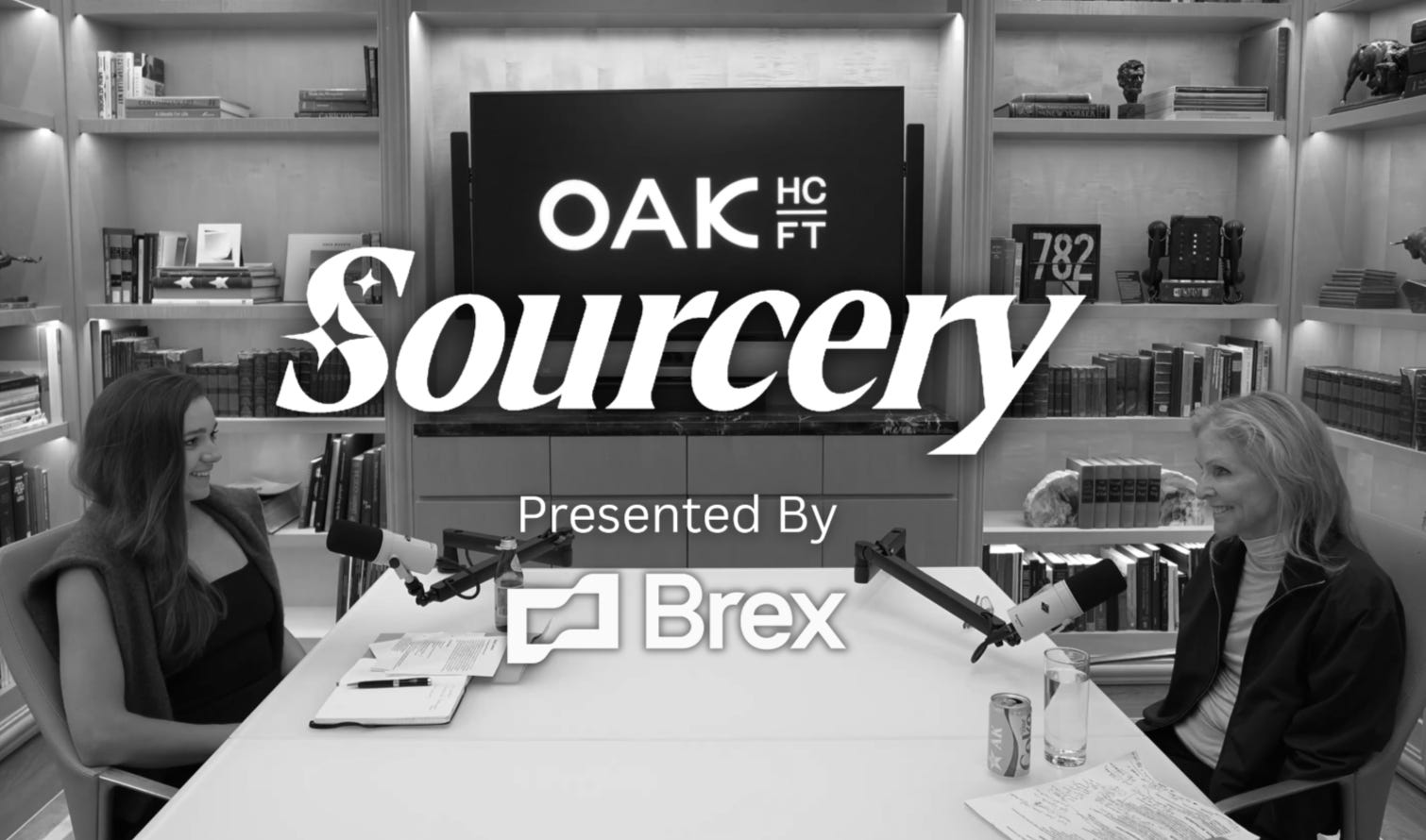
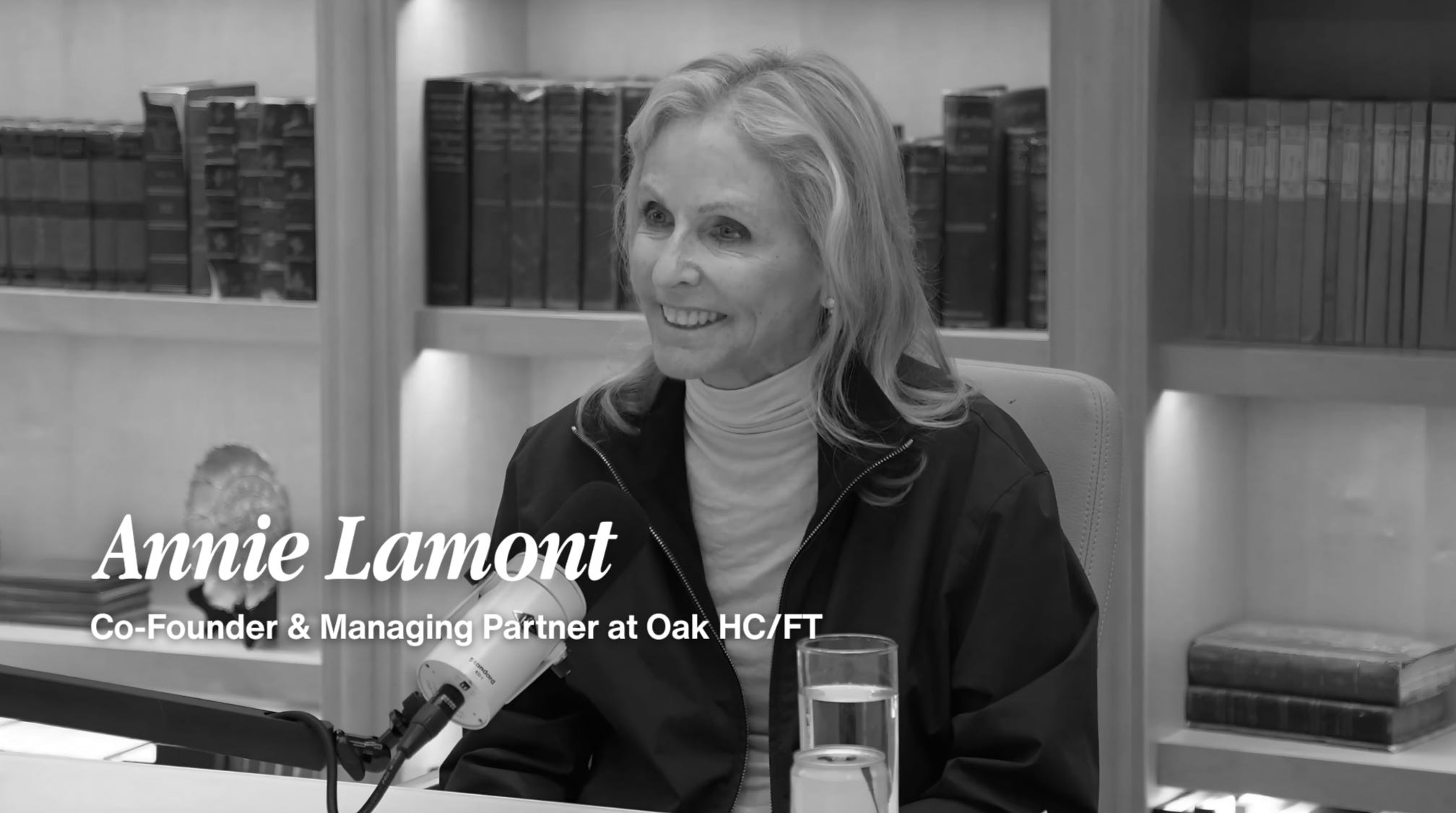
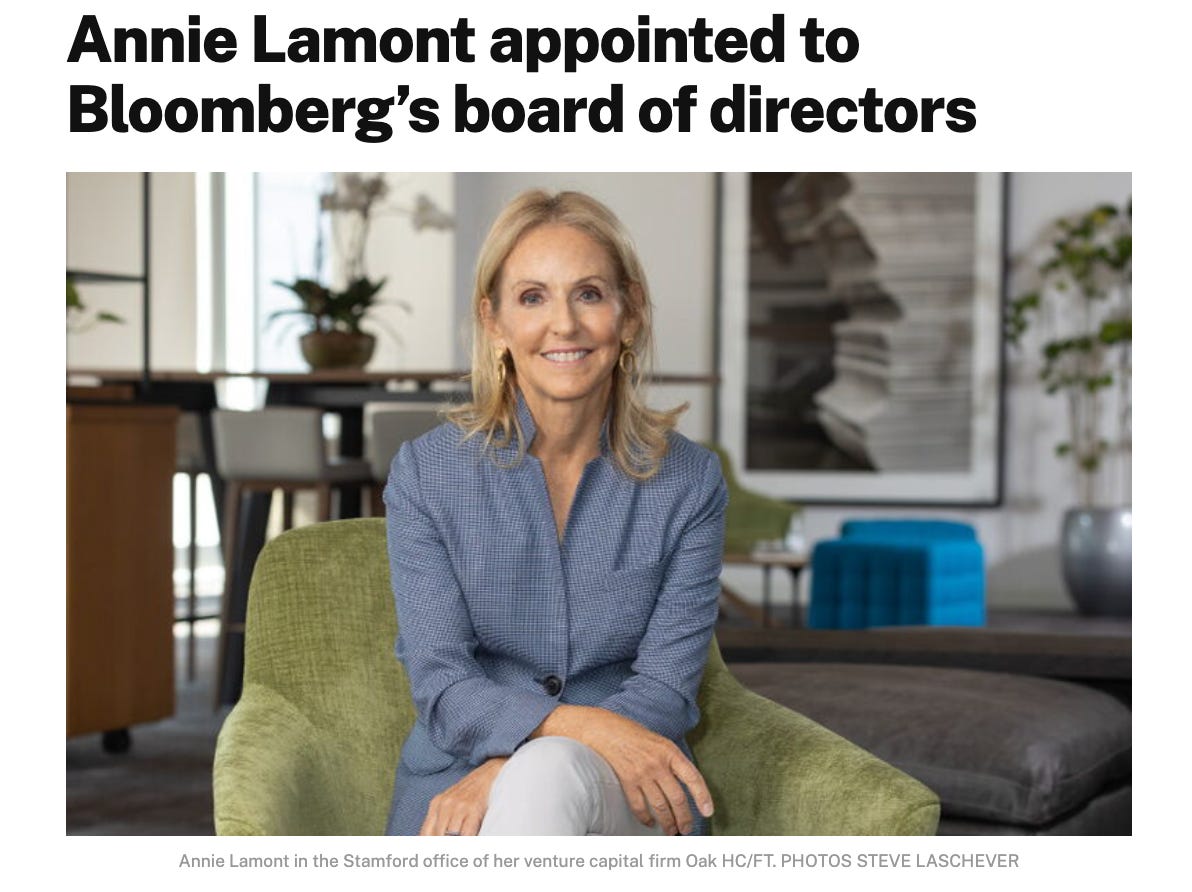
Annie Lamont is Co-Founder & Managing Partner of Oak HC/FT, the healthcare & fintech investment firm she built with Andrew Adams. Across 40+ years she has managed $14B, backed 70+ successful exits and 15 IPOs, and been named the top healthcare investor on the Forbes Midas List multiple times.
→ Listen on X, Spotify, YouTube, Apple
Her portfolio includes athenahealth, Devoted Health, One Medical, CareBridge, VillageMD, Main Street Health, Komodo Health, & Chai Discovery.
Recorded at the New York Stock Exchange, the conversation covers China taking 50% of pharma’s outside research dollars, clinical trial reform at the FDA, & Chai Discovery’s roadmap from antibodies to peptides to small molecules. Lamont also explains how AI can cut the 25% to 30% of healthcare costs that are administrative.
On the investing side, she walks through backing repeat founders Todd Park and Brad Smith, CareBridge’s acquisition by Elevance, Oak’s $1M to $100M check sizes across a $2B fund, and newer portfolio companies Halluminate and Auger. The episode closes with the Brex Performance segment on mentors.
“I just think you’ve got 10% of the world that’s worth it.. & 90% that’s not.”
We cover:
› Why AI drug discovery changed in the last 2 years
› China’s rise in life sciences
› Devoted Health tripling in size and halving its operating ratio
› Why only 10% of AI companies justify their valuations
› Auger and Dave Clark’s $100M AI supply chain build
𝐓𝐈𝐌𝐄𝐒𝐓𝐀𝐌𝐏𝐒
(00:00) Annie Lamont, Co-Founder & MP at Oak HC/FT
(00:56) How AI reshaped the line between Healthcare and Fintech
(05:35) Why AI in biotech is finally exploding
(08:35) The China threat to American drug development
(17:03) Are Hospitals actually at risk from AI?
(23:26) How AI will transform your healthcare experience
(26:32) How the AI shift changed the way Oak evaluates companies
(32:58) How M&A is changing in Healthcare
(35:43) What a great Healthcare acquisition looks like
(50:26) What Halluminate actually does
(53:20) What Augur actually does
(58:49) What's kept Annie Lamont going for four decades
Brought to you by:
Brex—The intelligent finance platform: cards, expenses, travel, bill pay, banking—wrapped into a high-performance stack. Built for scale. Trusted by OpenAI, Anthropic, Vercel, Granola, Deepgram, & Sourcery.. teams that move fast AF. visit → brex.com/sourcery

Zone—develops next-generation data center campuses, partnering with AI companies, site developers and technology leaders to bring compute online faster and at scale. Visit: zonefrontier.com
Turing—Turing partners with frontier AI labs to improve model capabilities in coding, reasoning, tool use, & multimodality, as well as with Fortune 500 enterprises to build & deploy end-to-end agentic AI systems in mission-critical workflows Visit: turing.com/sourcery
VCX—VCX is the public ticker for private tech, allowing investors of all sizes to invest in venture capital. View The Portfolio at GetVCX.com
Deel—Deel is the global people platform that helps startups hire, manage, pay, and equip anyone, anywhere. Trusted by more than 35,000 fast-growing companies, Deel is the people platform that just works, so teams can scale without the chaos. Visit: deel.com/sourcery
Public-–Investing platform Public just launched Generated Assets, which lets you turn any idea into an investable index with AI. With Generated Assets, you can build, backtest, refine, and invest in any thesis with AI. Gone are the days of one-size-fits-all ETFs. Try it today: public.com/sourcery
Annie Lamont on AI Drug Discovery, China, & the 10% of Companies Worth Their Valuations
Oak HC/FT Closes Nearly $2B for Fund VI
Annie Lamont is Co-Founder and Managing Partner of Oak HC/FT, the healthcare and fintech investment firm she founded in 2014 with co-founder Andrew Adams. The debut fund closed at $500M, the largest ever raised by a female-majority VC firm at the time.
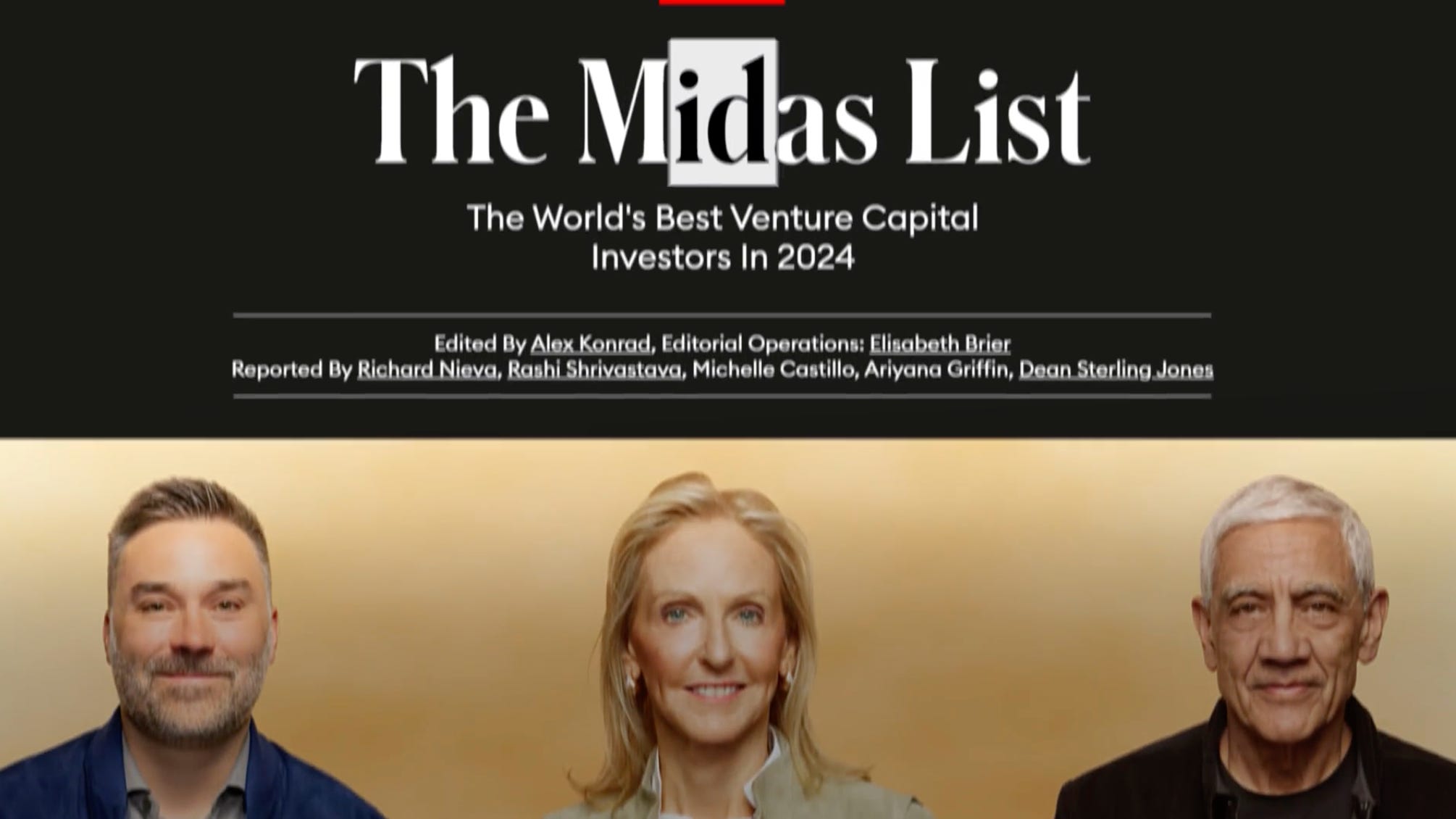
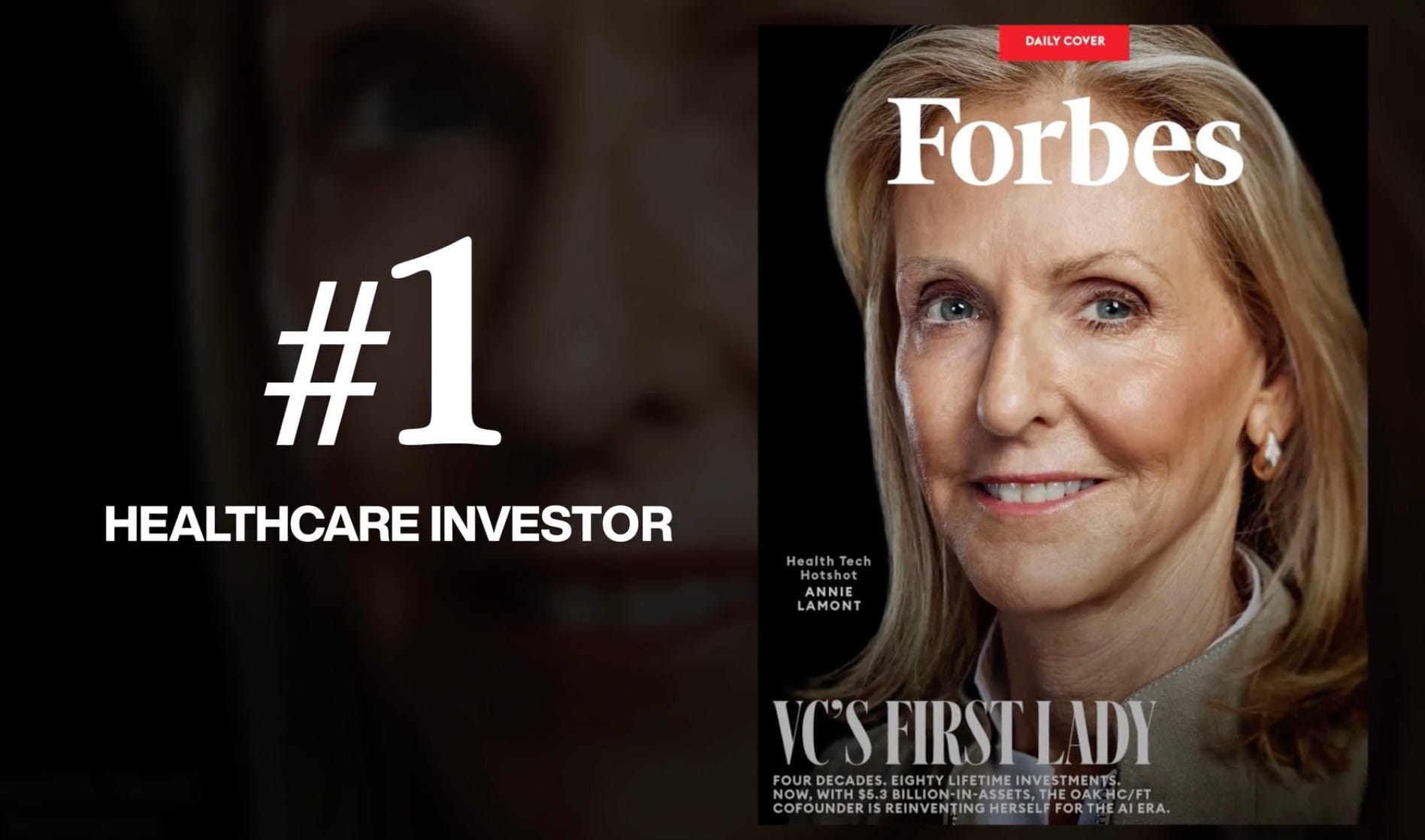
Lamont has 40+ years of investing behind her. In that time she has managed $14B, backed 70+ successful exits, 15 IPOs, & been named the #1 healthcare investor on the Forbes Midas List. She helped build the hospice industry through its first IPO & drew investors into mental health with the largest mental health IPO of the 20th century.
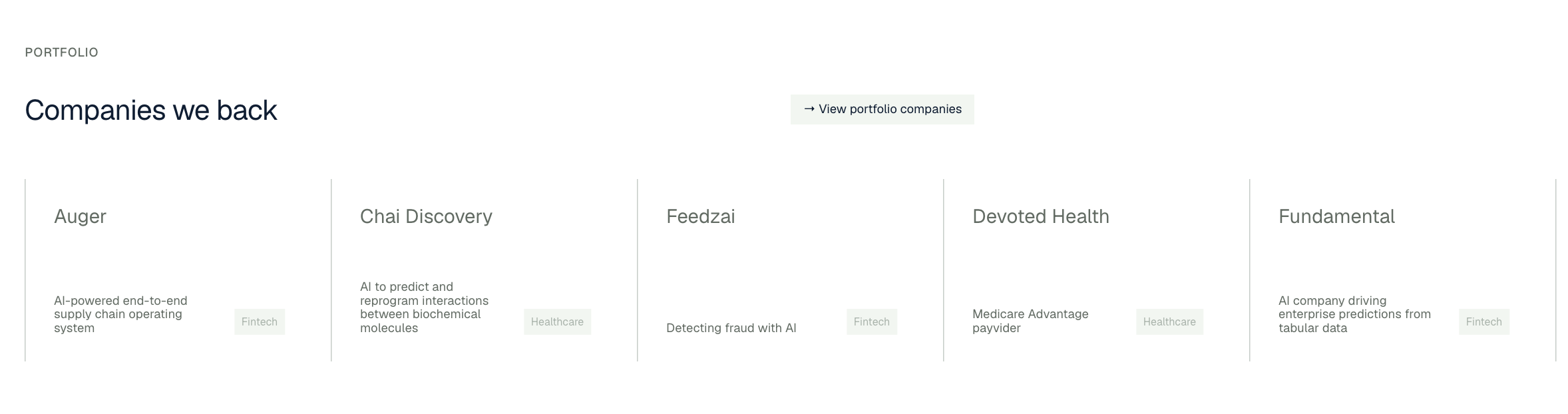
Her notable investments include athenahealth, Devoted Health, One Medical, CareBridge, Cotiviti, VillageMD, Main Street Health, Komodo Health, Feedzai, & Chai Discovery.
→ Listen on X, Spotify, YouTube, Apple
Oak HC/FT’s $2B Fund & $1M to $100M Check Strategy
Oak HC/FT now manages $7B+ across 100+ portfolio companies. It closed Fund VI at nearly $2B in March 2026, with a mandate in healthcare and fintech and a significant focus on AI.
Healthcare makes up about 70% of Oak’s investing. Fund sizes went from $500M to $2B over the last 2 funds as companies started needing more capital.
“We want to be a life cycle investor. So we’ll invest $1 million, but we often invest that million, sometimes committing $100 million to the company from day one.”
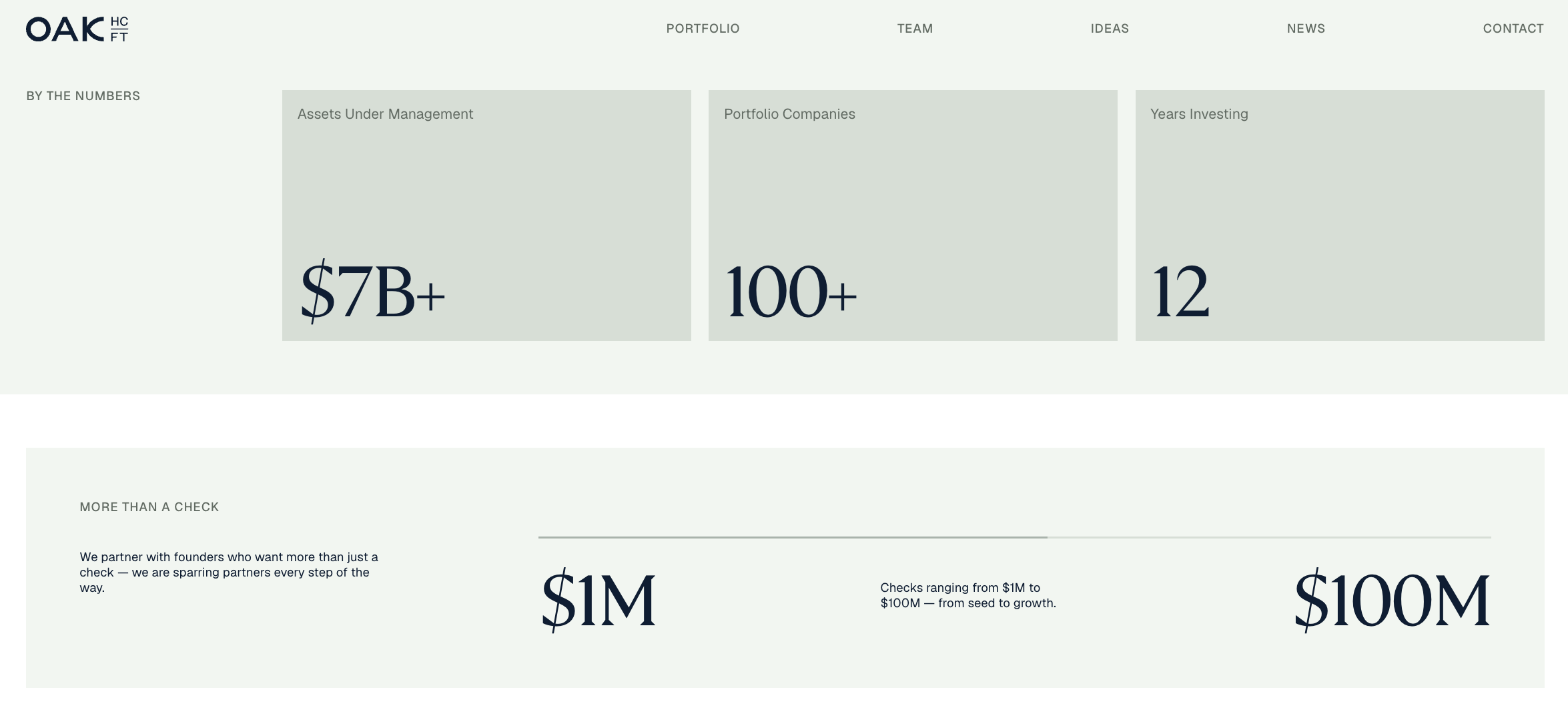
Check sizes range from $1M to $100M, from seed through growth. Between 20% and 40% of each fund goes to early-stage companies, or $400M to $800M of a $2B fund. About 15% of Oak’s activity is building companies from the idea stage, including Curana and Infusion for Health.
Oak expects to invest in most later rounds of its companies. If a founder wants new investors who would help the company, Oak makes room for them, provided it considers them good partners.
“We all know that a board can destroy a company.”
Oak can also put up to 10% of a fund into public stocks.

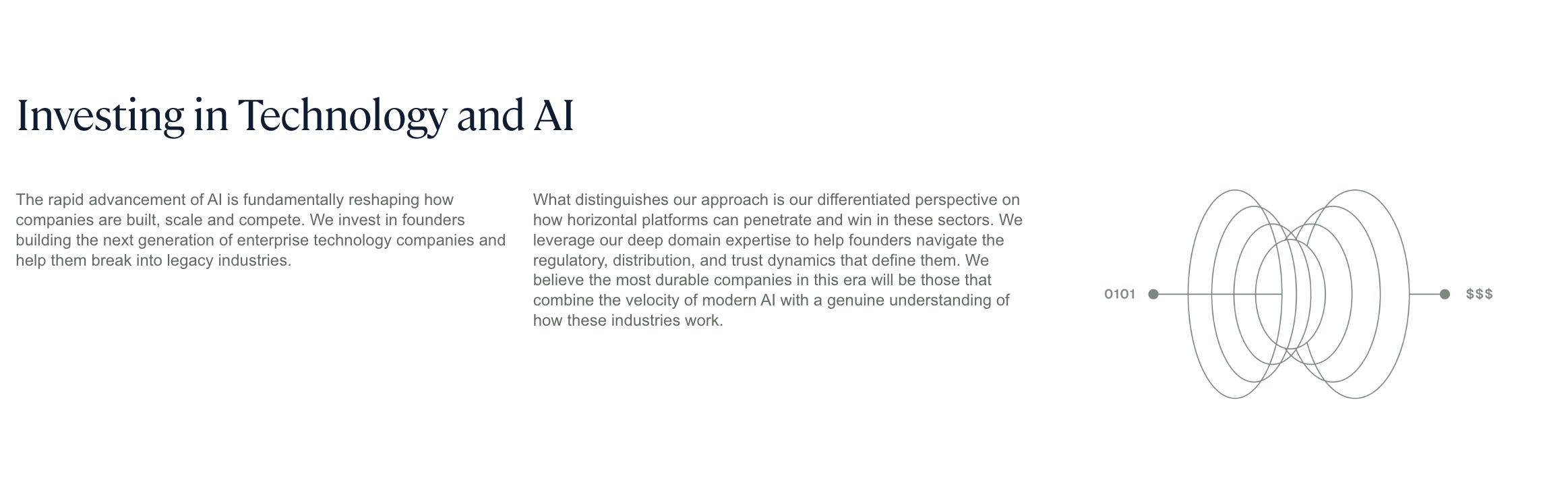
Healthcare Is the Smallest Large Market for Horizontal AI
Oak has invested in horizontal platforms for years, including supply chain, risk, cyber, and fraud. Fintech covers the movement of money, so it reaches nearly every industry. Together, Oak’s healthcare and fintech practices cover about 50% of the economy.
That reach gives Oak direct knowledge of the companies that buy from AI startups. Lamont says healthcare is especially hard to sell into. About 100 providers matter. There are 20 payers, and 10 of them are large. Oak already knows how each one buys and who the decision makers are.
“It’s the smallest large market you’ve ever seen in that it’s 100 providers that matter.”
“What’s the advantage of AI? That you can create a horizontal product that actually works in a deep way with workflows or specifically in a particular industry.”
Chai Discovery & the 2-Year Shift in AI Drug Design
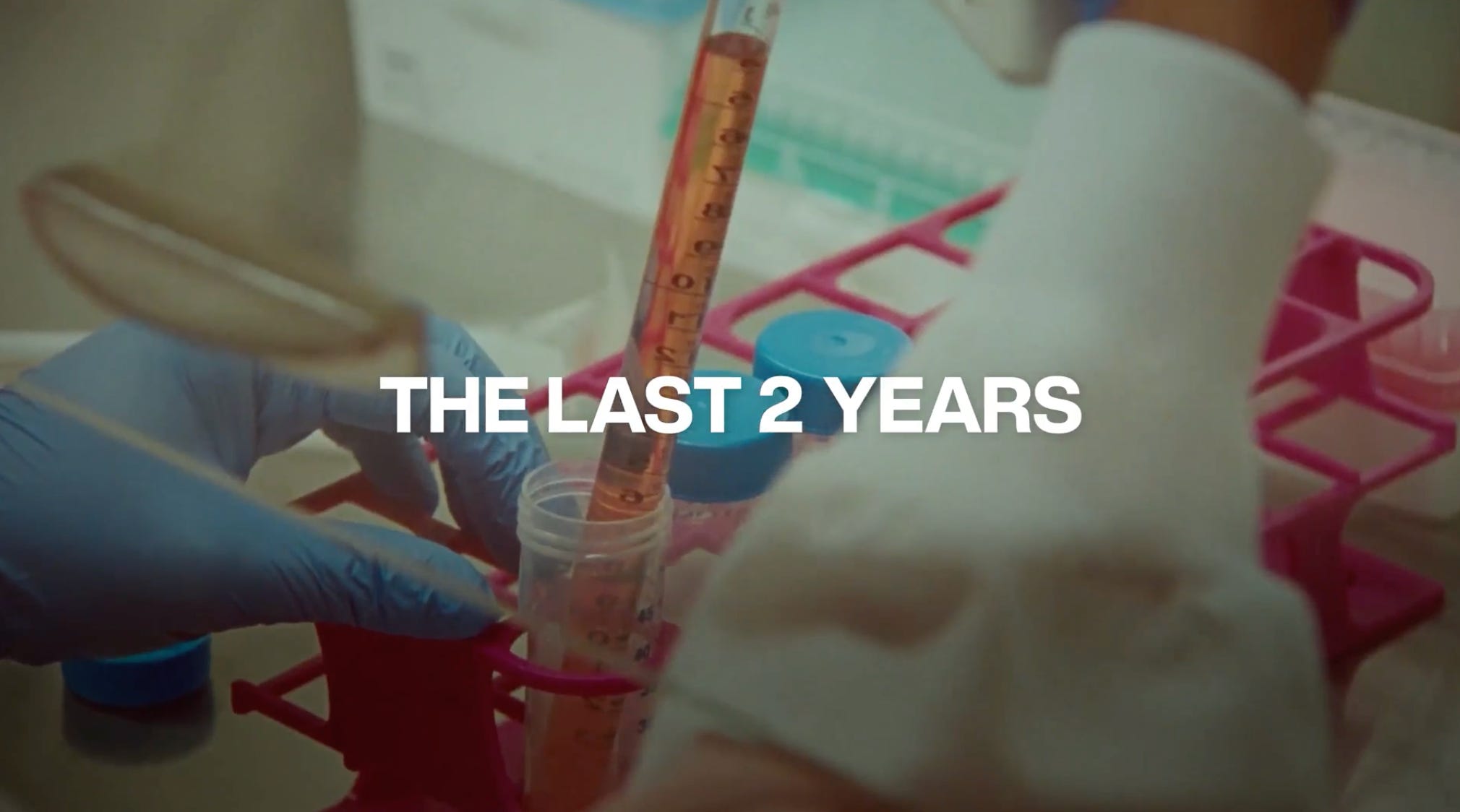
Oak watched AI in life sciences for a decade before committing to the category. Lamont says it changed in the last 2 years. LLM infrastructure made it possible to build biology and chemistry models specific to the industry, and physical AI and lab robotics followed.
Drug development is the most expensive product development process of any industry, and it has the highest failure rate. Computational models are now checked against wet lab and animal model results. Lamont expects simulation to reshape every step from design through clinical trials.
“We’ve been looking at AI for the last decade and had not seen it produce more developable products, therapeutics. And everything’s changed the last 2 years.”
Chai Discovery was founded by Joshua Meier and Jack Dent. Its roadmap starts with antibodies, then moves to peptides and small molecules. Lamont says Chai’s antibody work makes a lab about 100x more productive than one without it. Peptide work has made material progress but is not yet ready for customers.
Peptides are smaller proteins, with GLP-1s as the best-known example, and can be made into pills. Small molecules are chemistry-based and are also typically pills. Monoclonal antibodies are usually infused because of the size of the molecules and how the body absorbs them.
In December 2025, Oak HC/FT and General Catalyst co-led Chai’s $130M Series B at a $1.3B valuation, and Lamont joined the board. Chai-2, its zero-shot antibody design platform, reached double-digit experimental success rates, a 100-fold gain over earlier computational methods. In January 2026, Chai named Eli Lilly as its first pharmaceutical customer. Tracking data shows a $400M Series C led by Index Ventures in July 2026 at a $3.8B valuation, with Oak participating.
Lamont expects a majority of the largest pharmaceutical companies to work closely with Chai soon. Oak is adding partners and expanding its San Francisco office to cover AI in life sciences.
“Jack and Josh, this may be a company for the ages.”

50% of Pharma’s Outside Research Dollars Now Flow to China
Lamont describes China’s progress in life sciences over the last 4 years as a direct threat to the US pharmaceutical and biotech industries. Chinese universities and research arms now produce as many patents as their US counterparts, or more.
“Pharma in the last 4 years has 50% of the outside dollars they’re spending on research are going to China. That was not the case 5 years ago.”
Licensing data points the same way. Goldman Sachs Research found China accounted for about half of global licensing deals by dollar value, and 26% by deal count. Jefferies estimates one-third of the industry’s 2025 licensing spend went to drugs sourced from China. GlobalData puts China’s 2025 out-licensing value at $115B, with almost half of all US in-licensing now coming from China.
Supply is a second risk. Lamont cited COVID, when China produced 90% of the ingredients for antibiotics. She also flagged NIH funding being pulled from US universities. She calls those universities the bedrock of US drug discovery and sees the cuts as a risk to the future pipeline.
On clinical trials, Lamont says the US has put too much weight on safety relative to efficacy, while China and other countries have looser requirements. She called for a complete re-engineering of the FDA and its processes, starting with life-saving drugs. She also questioned how paternalistic US rules should be, since people already take untested peptides and processed foods.
“On the research side, they have as many or more patents now coming out of university and out of their research arms as we have.”
Devoted Health Tripled in Size & Halved Its Operating Ratio
Ed Park and Todd Park started Devoted Health in 2017. Ed is CEO and Todd is Executive Chairman. Devoted began as a Medicare Advantage plan, an expensive model to build against incumbents like the Blues. It got licensed state by state, built provider networks, and sold to members through brokers.
At the same time, Devoted built its own technology platform and Devoted Medical Group. The medical group is a primary care network that works as a virtual overlay for members.
Lamont compared Devoted to Kaiser, the best-known company that is both payer and provider. In her view, Kaiser has not lowered costs or produced a healthier population. Devoted owns both the financial risk and the member relationship through the primary care physician.
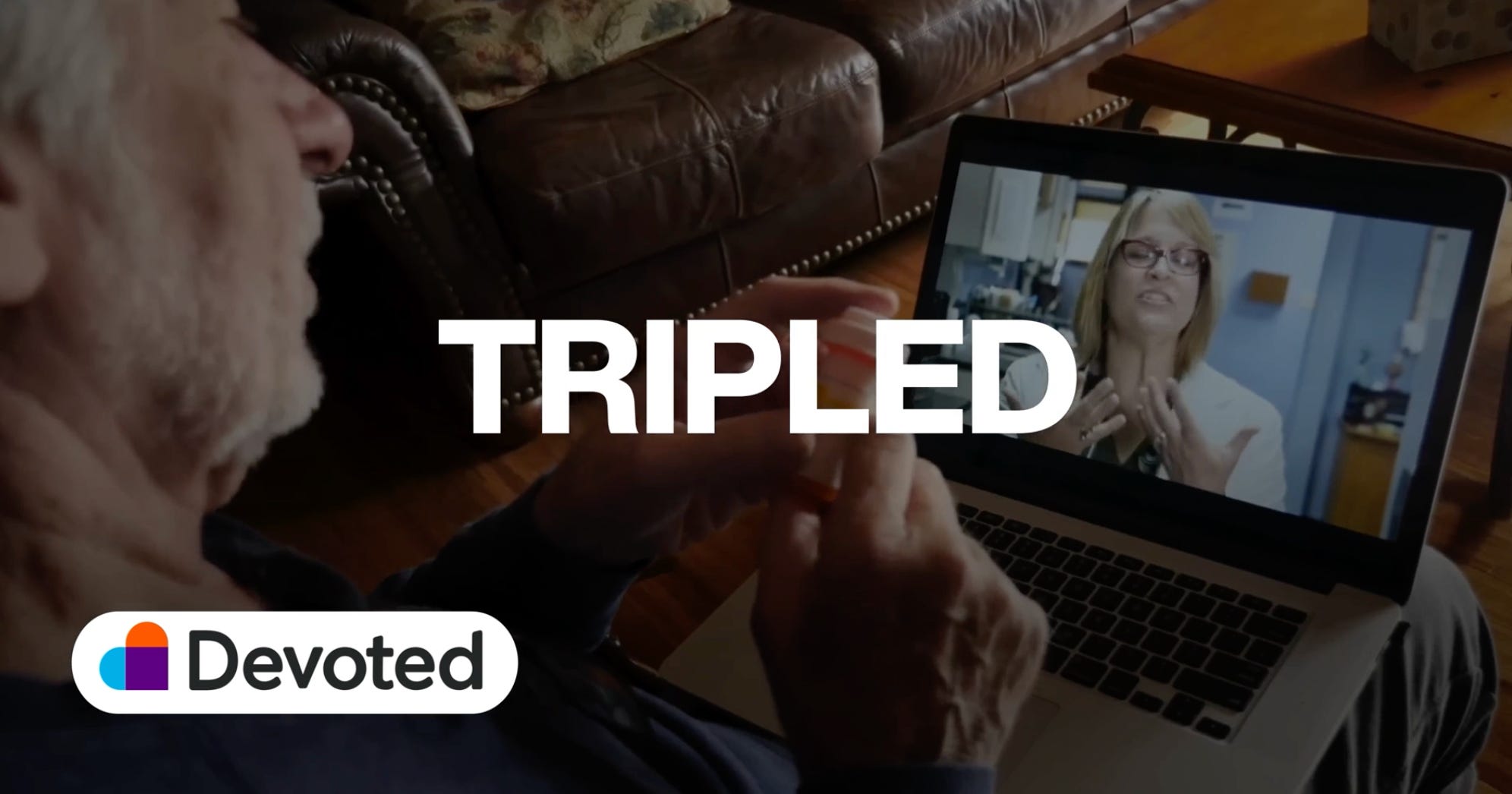
Over the last year, Devoted tripled in size, cut its operating ratio in half, and grew EBITDA. The company plans to move into commercial insurance.
“It is probably the best example of AI applied to healthcare in the world right now.”

AI Targets Healthcare’s Administrative Costs
Lamont expects hospital systems to remain central to acute care. She puts administrative work at 25% to 30% of all US healthcare costs. She sees AI as the first technology to take that work off clinicians, building on the data that electronic health records organized.
She also says 30% of radiology images are read with something missed. AI working alongside radiologists catches more of those misses, and she expects the field to need more radiologists, not fewer.
Vision models and robotics will improve surgery well beyond the da Vinci era. Surgeons or robots directed remotely could also help close the outcome gap between rural patients and those living near leading research hospitals.
“Their clinician will not be behind a laptop now. Will not have their back turned to them while they’re inputting data.”
Brad Smith, Todd Park, & the Bar for Repeat Founders
Oak has backed several founders more than once. Todd Park co-founded athenahealth and Castlight, and Oak led Devoted’s Series A. Brad Smith brought Oak Aspire Health, a palliative care model, after the firm had looked for one for 15 to 20 years. Oak and Smith then spent a year developing CareBridge and Main Street Health together, and Elevance later acquired CareBridge. Lamont says each Smith company used a model no one else was running.
Diligence starts with the founder. Lamont’s first tests are intellect and intent. She says the bar is higher than in past cycles, because markets move faster and more capital is chasing more companies. Today’s founders tend to be product and tech-led, so Oak checks whether they understand go-to-market and will hire the right people around them.
Healthcare and fintech are both heavily regulated, so Oak screens closely for ethics. It passes on healthcare founders who seem more focused on money than on patient outcomes. Lamont also looks for a founder others will follow, someone people will want to work for over 10 years.
In the Brex Performance segment, Lamont credited Jerry Gallagher with raising her standards early in her career. Gallagher was the retail investor behind Dick’s Sporting Goods, PetSmart, and Office Depot.
“The bar for your entrepreneurs is not high enough.”
“They have to be really secure. Secure people, not arrogant. So secure they’ll ask every and any question.”

Frontier Labs Join the Healthcare Exit Market
Historically, healthcare companies have sold to McKesson, Cardinal, the 5 or so payers that buy regularly, or private equity, or gone public. Providers rarely acquire. Profitable companies such as Infusion for Health can still go public or sell to PE or payers.
Frontier AI labs are now possible buyers of healthcare software. Lamont pointed to Microsoft’s acquisition of Nuance and Oracle’s acquisition of Cerner as earlier examples. Her main worry for Chai is that a frontier lab or hyperscaler buys it.
Small companies are also merging earlier. Founders are deciding their offering works better inside another company than as a standalone business. Lamont says that works when the acquirer respects and empowers the team. Tech companies have generally done it better because they value product.
Whether an acquisition works depends on how the buyer treats people. Buying only the product or the data can work. Keeping a product improving means keeping the team motivated, or keeping it separate. Lamont contrasted JPMorgan, which put the best people from either side into senior roles, with Credit Suisse, which favored its own staff.
“There are a lot of smaller companies that realize they’re a product and not a company.”
“If you want product to evolve, then you probably need to figure out how to inspire a team or keep them separate.”
AI Valuations & the 2021 Comparison
Lamont estimates that only about 10% of companies justify their current valuations. Because AI products now take on work that used to be services, many markets are larger than before. Enterprise tech like Rillet in ERP has a long runway, and so do pharma-facing companies like Chai and Ambience.
Many niche AI companies will still top out at $1B to $2B in value. An AI version of TPA software, for example, will most likely be bought on EBITDA. When Oak sells companies, it generally gets about a 30% premium from strategic buyers. Lamont says Oak may have been too sensitive to price on some deals.
She compared the current cycle to 2021, which she sees as a bet on the digital economy. AI reaches much further, and she expects today’s inflated valuations to correct, as they always have.
“I just think you’ve got 10% of the world that’s worth it and 90% that’s not.”
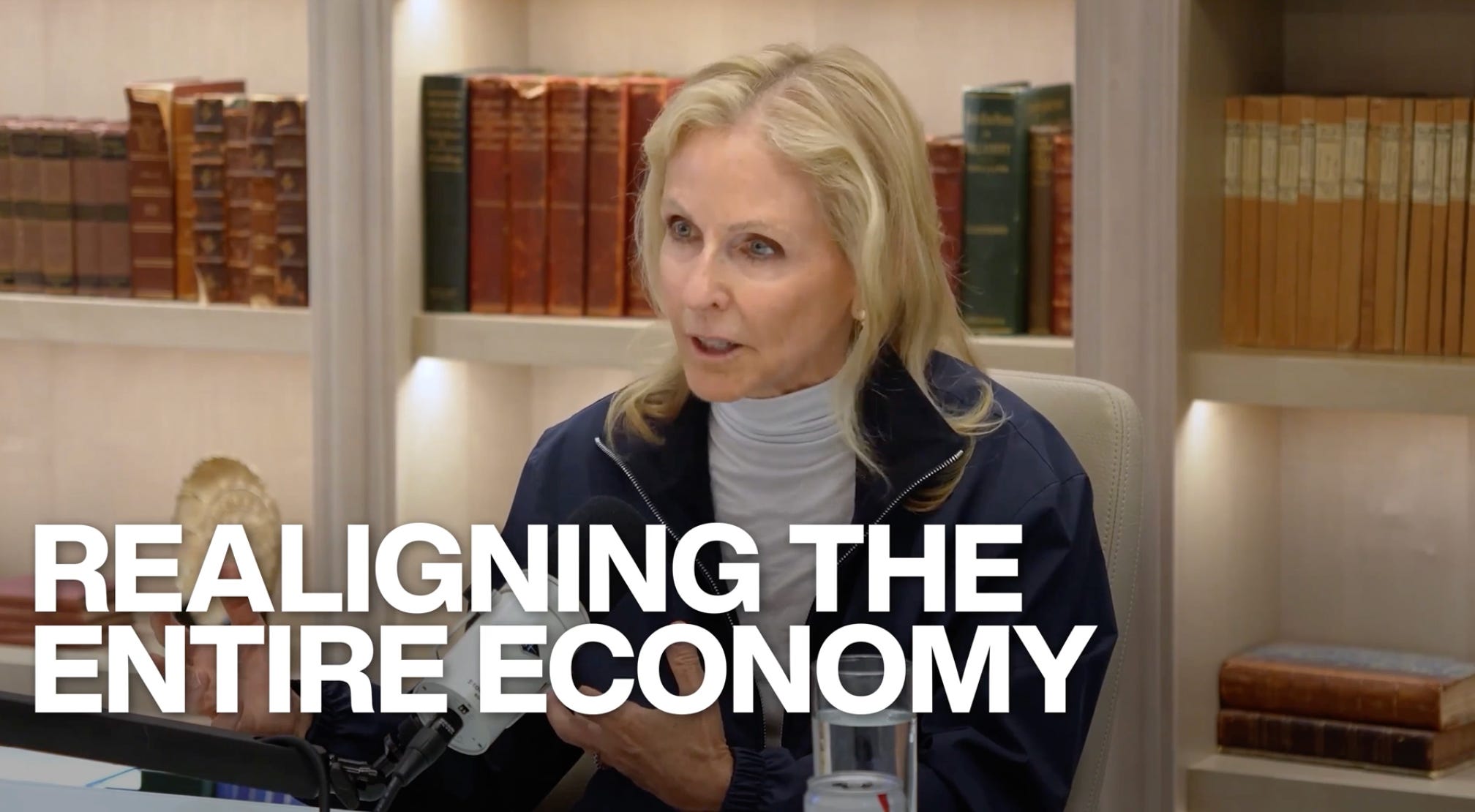
“There’s nothing been as interesting as this or seminal in terms of realigning the entire economy.”

Auger’s $100M Day-1 Commitment & Halluminate’s Finance Simulations
Oak’s newer AI portfolio includes Chai Discovery, Ambience Healthcare, Fundamental, Blue J, Candid Health, Akido, Rillet, Auger, Stepful, and Catena.
Oak’s talent team introduced the firm to Dave Clark. Clark spent more than 20 years building Amazon’s supply chain and logistics, then ran its e-commerce business. He first wanted to buy a company. He and Oak decided to build Auger instead, an AI system that pulls together supply chain data, surfaces insights, and uses agents to act on them.
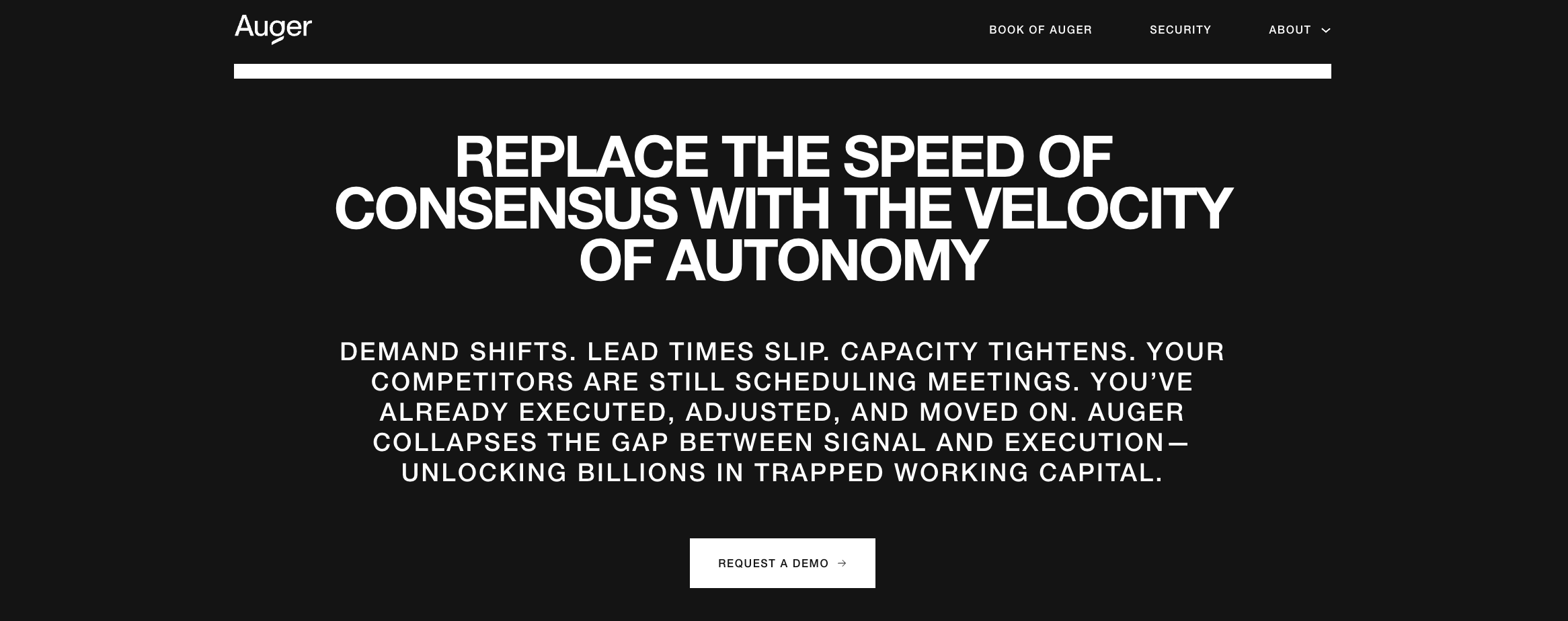
Auger launched in October 2024 with $100M from Oak HC/FT. It has since raised a $50M Series B led by Eclipse, with Oak participating. Total funding is now $150M, the company has about 130 employees, and customers include Meta, Fanatics, and Kimberly-Clark. Clark says the Series B valuation was roughly double the first round’s, and his goal is more than $1B in revenue by 2030.
“This is real time analytics on everything that’s going on in your supply chain, and then an agent that can actually act on it immediately.”
About 15% of Oak’s activity is building companies from the idea stage. Other examples include Curana and Infusion for Health.
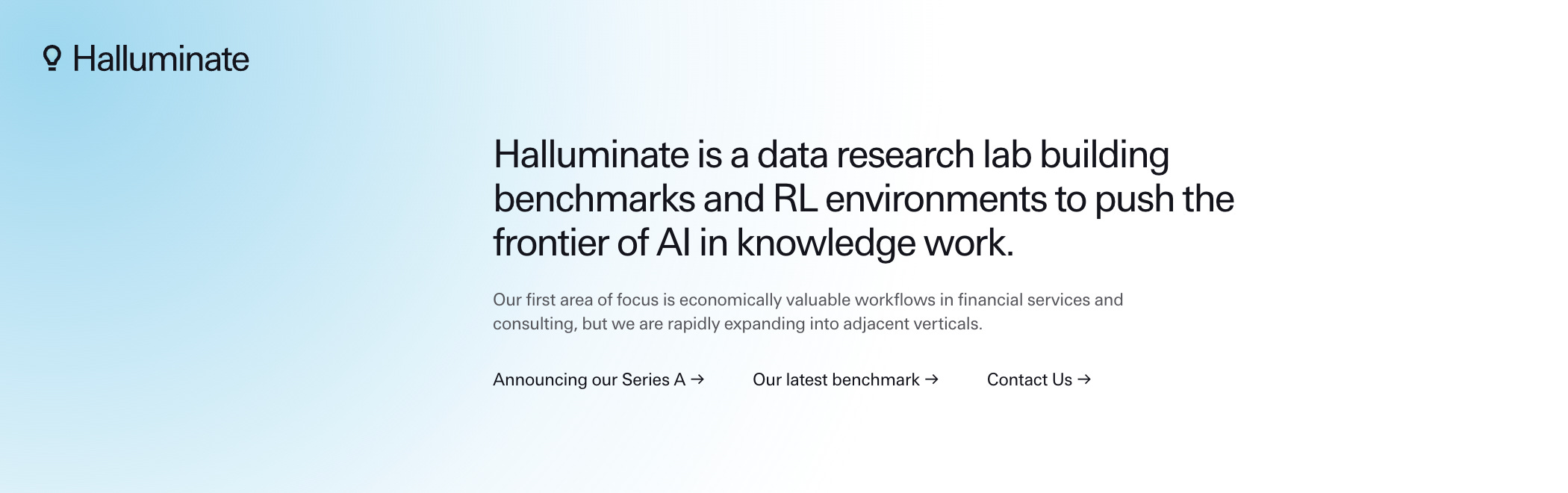
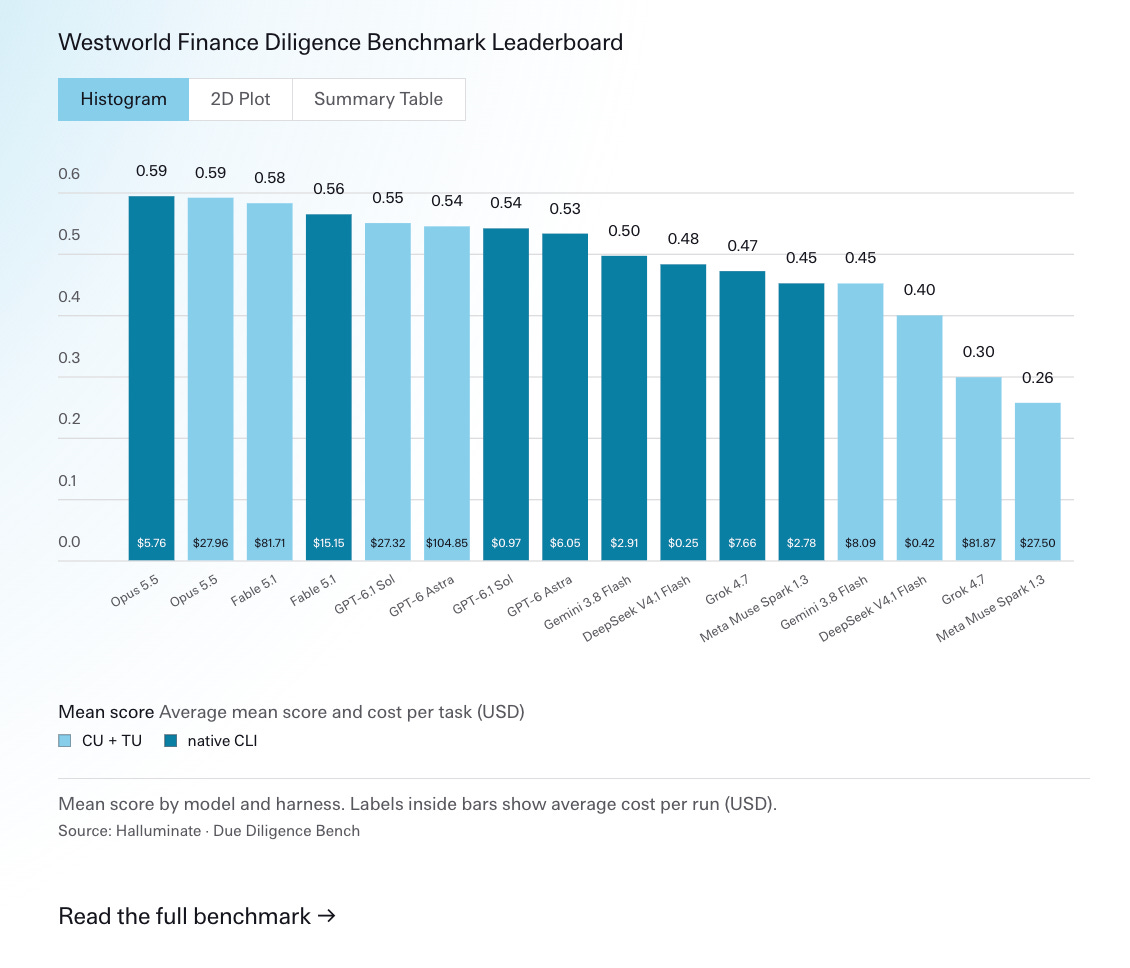
Halluminate builds reinforcement learning environments that train AI agents on financial and economic reasoning. The environments cover long-horizon modeling, investment summaries, recommendations, scorecards, and legal work, and the customers are the large AI labs. One environment simulates an entire real estate brokerage. Lamont says the company went from 0 to 60 in 6 months and expects it to reach 100 next year. Halluminate came out of Y Combinator’s S25 batch, is based in San Francisco, and now focuses on investment banking, private equity, and consulting.
The Next 12 Months & Learning From 25-Year-Olds
Lamont expects AI’s largest benefits to show up in healthcare, with patients getting better care even when they don’t know AI was involved. She sees education as a similar case, where AI can tailor lessons so a 4th grader ready for 8th grade math gets taught at that level.
Her own work has changed too. Early in her career, learning biotech meant books and persuading professors to meet with her. Now she uses AI to learn any subject quickly, and she says founders in their 20s teach her more than anyone has before.
“I’ve never learned so much so fast in my entire life.”
“I think the benefits are just gonna be extraordinary to society.”
Her focus for the next 12 months is meeting the next generation of founders. She and Andrew Adams work through decisions together and almost always reach the same conclusion. After 40+ years, she still calls founders’ work the hardest job in the market and the main source of what she learns.
→ Listen on X, Spotify, YouTube, Apple
The material presented on Molly O’Shea’s website are my opinions only and are provided for informational purposes and should not be construed as investment advice. It is not a recommendation of, or an offer to sell or solicitation of an offer to buy, any particular security, strategy, or investment product. Any analysis or discussion of investments, sectors or the market generally are based on current information, including from public sources, that I consider reliable, but I do not represent that any research or the information provided is accurate or complete, and it should not be relied on as such. My views and opinions expressed in any website content are current at the time of publication and are subject to change. Past performance is not indicative of future results.
Paid Endorsement. Brokerage services by Open to the Public Investing Inc, member FINRA & SIPC. Advisory services by Public Advisors LLC, SEC-registered adviser. Crypto trading provided by Zero Hash LLC, licensed by the NYSDFS. Generated Assets is an interactive analysis tool by Public Advisors. Output is for informational purposes only and is not an investment recommendation or advice. See disclosures at public.com/disclosures/ga. Matched funds must remain in your account for at least 5 years. Match rate and other terms are subject to change at any time.