

Alex Bouaziz is the co-founder & CEO of Deel, the global payroll and workforce infrastructure company that has rapidly become the #1 platform for hiring & paying employees worldwide. Co-Founded in 2019 with CRO Shuo Wang, at only 7 years old, Deel has scaled to $1.4B+ ARR, a $17.3B valuation, & 40K+ customers across 150+ countries.
→ Listen on X, Spotify, YouTube, Apple
In this conversation, Alex breaks down how Deel became one of the fastest-growing software companies in the world, building the infrastructure that allows companies to hire, manage, and pay talent anywhere globally.
We discuss Deel’s unique M&A playbook, including 10+ acquisitions used to rapidly expand payroll, HR, and compliance capabilities across markets, and how the company has built its own global payroll infrastructure across countries.
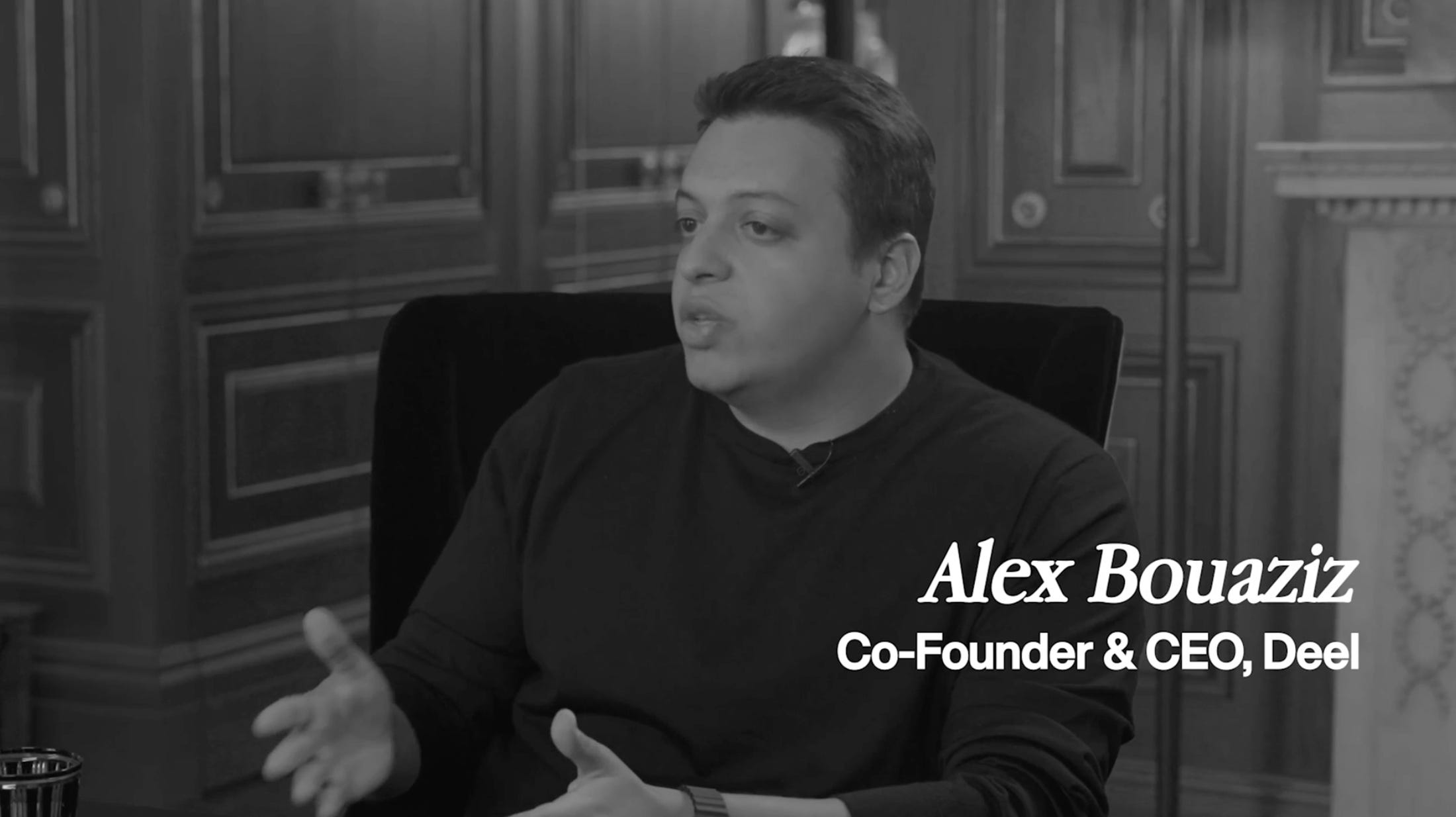
Despite its rapid growth, Deel has also achieved profitability while scaling past $1B+ in revenue, an uncommon milestone for a company growing at this speed.
Alex also discusses the company’s recent $17.3B valuation & funding round backed by Ribbit Capital, Coatue, and a16z, how Deel scaled globally, and why he believes AI and autonomous agents will fundamentally reshape the future workforce.
Topics include:
• Scaling Deel to $1.4B+ ARR
• Serving 40K+ companies across 150+ countries
• Deel’s 10+ acquisition M&A strategy
• Building a profitable hypergrowth SaaS company
• The future of global hiring and distributed teams
• How AI agents will transform the workforce
Subscribe to Sourcery for conversations with the founders and investors shaping the future of technology, AI, and global business.
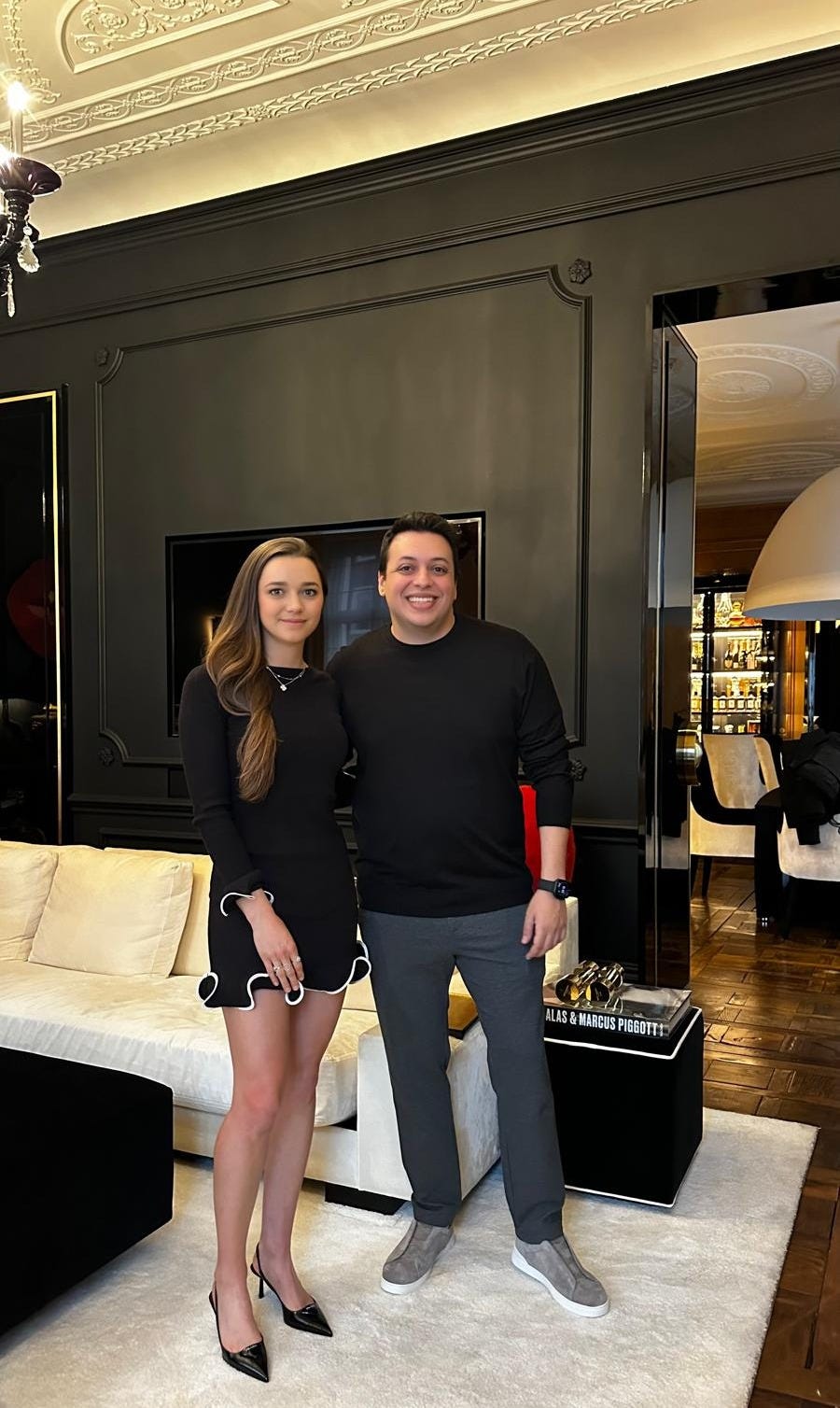
This conversation took place in London February 12th, 2026. Special thank you to J & family for letting us record in your gorgeous home. (Shoutout to Charlotte!)
𝐓𝐈𝐌𝐄𝐒𝐓𝐀𝐌𝐏𝐒
(00:00) Alex Bouaziz, Co-Founder & CEO at Deel
(02:05) Working with his co-founder and CRO Shuo Wang
(03:54) What Deel actually does
(05:05) Biggest customers
(05:54) $17B valuation and latest funding round
(06:35) How Deel approaches fundraising
(07:50) Hitting $100M ARR and early growth
(10:35) Inside the latest funding round
(12:03) Why payroll is a huge global opportunity
(14:21) How Deel expanded its product stack
(16:18) Running a 7,000 person fully remote company
(18:29) Tips for building remote teams
(19:50) Why Deel went global from day one
(22:47) How AI is changing hiring
(26:19) A question from Micky Malka
(26:57) From airlines to oil and gas: who uses Deel
(27:58) M&A strategy and integration playbook
(34:33) Biggest mistakes companies make with acquisitions
(35:56) How to retain founders after acquisitions
(39:09) What it takes to be IPO ready
(40:29) How AI could affect Deel’s future
(42:55) The "Dubai founder controversy"
(46:00) Leading in a competitive market
(50:47) The biggest misconception about Deel
(53:27) The right people around you
(58:33) What’s next for Deel
(01:01:05) The future of autonomous agents
(01:03:35) Biggest lessons from Shuo
(01:06:34) What makes a great salesperson
(01:08:32) Partnering with Arsenal
Brought to you by:
Brex—The intelligent finance platform: cards, expenses, travel, bill pay, banking—wrapped into a high-performance stack. Built for scale. Trusted by teams that move fast. visit → brex.com/sourcery

Turing—Turing delivers top-tier talent, data, and tools to help AI labs improve model performance, and enable enterprises to turn those models into powerful, production-ready systems. Visit: turing.com/sourcery
VCX—VCX is the public ticker for private tech, allowing investors of all sizes to invest in venture capital. View The Portfolio at GetVCX.com
Deel—Deel is the global people platform that helps startups hire, manage, pay, and equip anyone, anywhere. Trusted by more than 35,000 fast-growing companies, Deel is the people platform that just works, so teams can scale without the chaos. Visit: deel.com/sourcery
Public-–Investing platform Public just launched Generated Assets, which lets you turn any idea into an investable index with AI. With Generated Assets, you can build, backtest, refine, and invest in any thesis with AI. Gone are the days of one-size-fits-all ETFs. Try it today: public.com/sourcery
Deel 7 Years in:
$1.4B+ ARR, $17.3B Valuation, 40K+ Customers
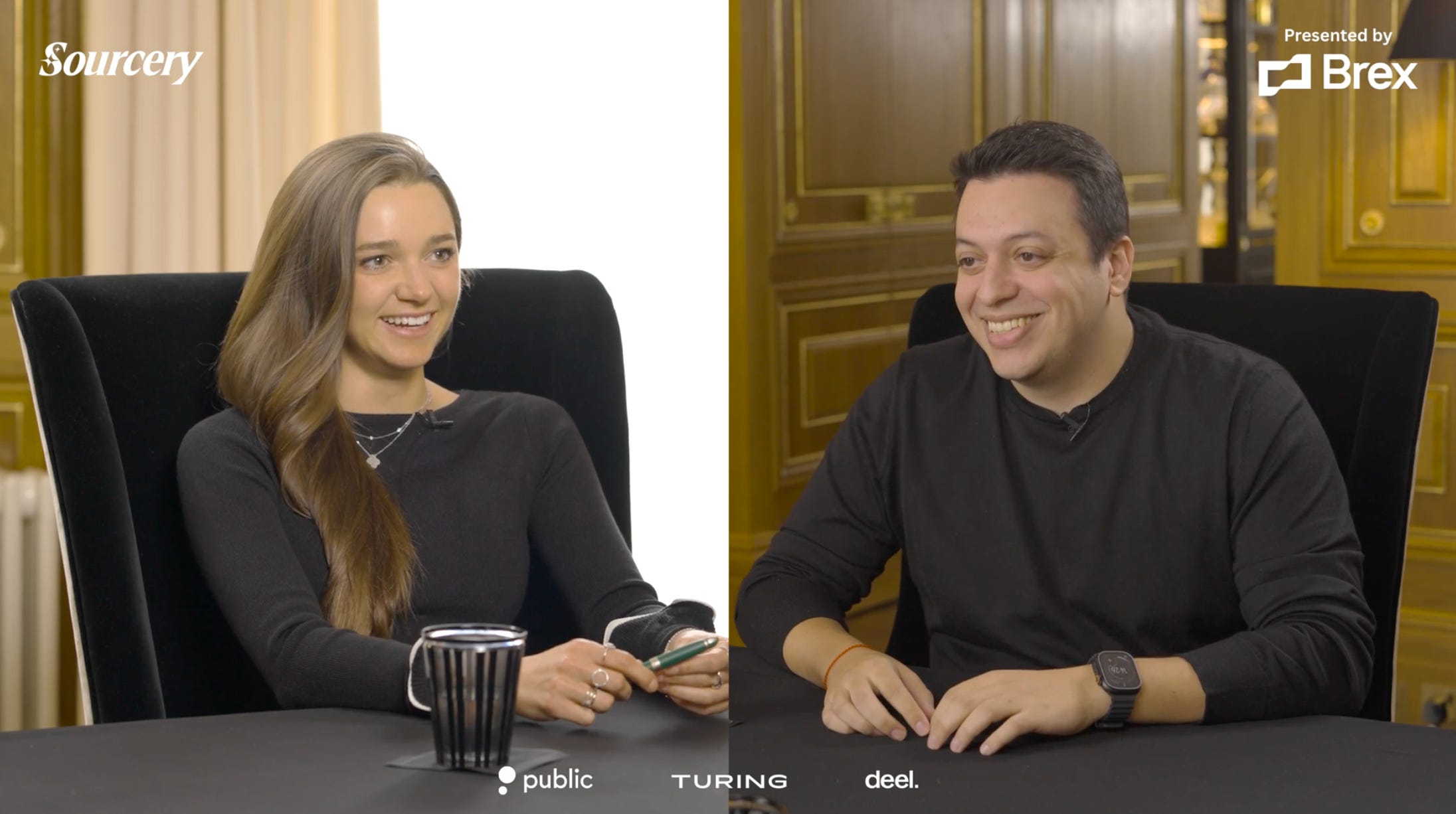
After years of operating at extraordinary speed, Deel is finally revealing the playbook behind the scale of what they have built.
On the eve of its 7-year anniversary, the global payroll and workforce infrastructure company disclosed numbers that confirm what many in the venture ecosystem have quietly suspected: Deel continues to be one of the fastest-growing enterprise software companies in the world.

The company now generates $1.4B+ in ARR, serves 40,000+ customers across 150+ countries, and carries a $17.3B valuation. Those numbers place Deel among a rare group of hypergrowth SaaS companies that have crossed the $1B revenue threshold in under a decade.
Deel was founded in 2019 by Alex Bouaziz and Shuo Wang, two close co-founders who built the company around a simple thesis: work was becoming global, but the infrastructure to support it didn’t exist yet.
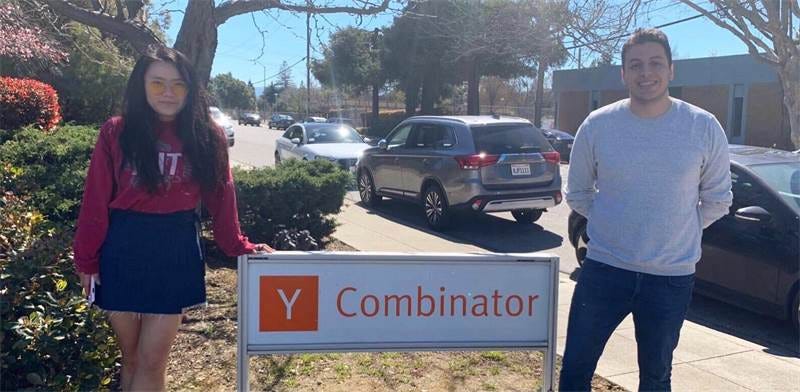
As Bouaziz explains:
“We built Deel so companies can hire anyone, anywhere, without needing to open entities in every country.”
Seven years later, that thesis has turned into what many operators now view as the operating system for global work.
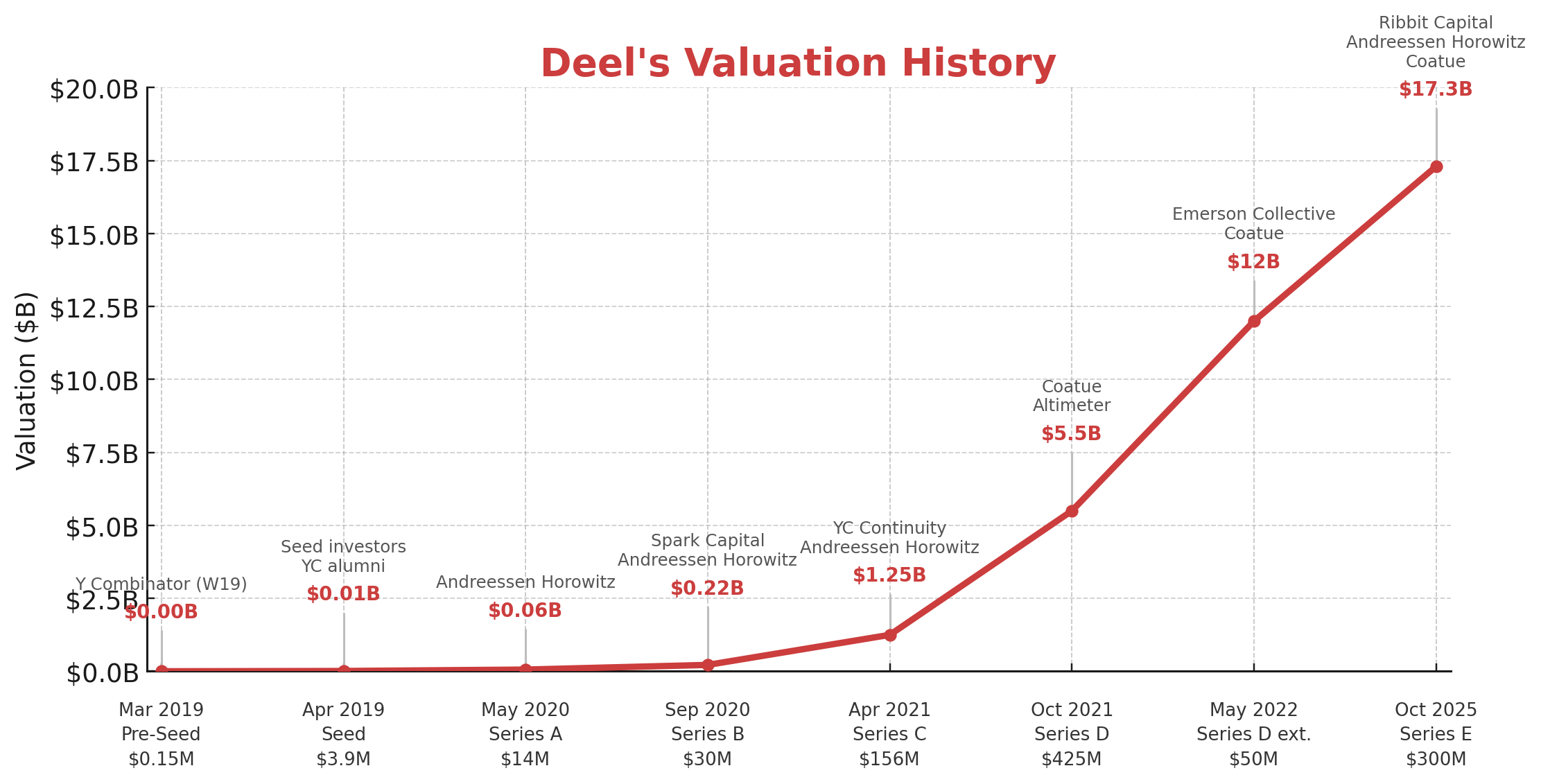
Source: OnlyCFO
Hypergrowth in One of the Hardest Markets in Software
Global payroll is not an obvious startup category.
It is one of the most complex and regulated areas of enterprise software. Every country has different labor laws, tax structures, benefits systems, and compliance requirements. Historically, the market has been dominated by legacy providers built decades ago.
Yet Bouaziz and Wang approached the problem differently. Rather than expanding country by country like traditional payroll providers, they designed Deel as a global-first platform from day one.
That decision fundamentally changed the speed at which the company could scale.
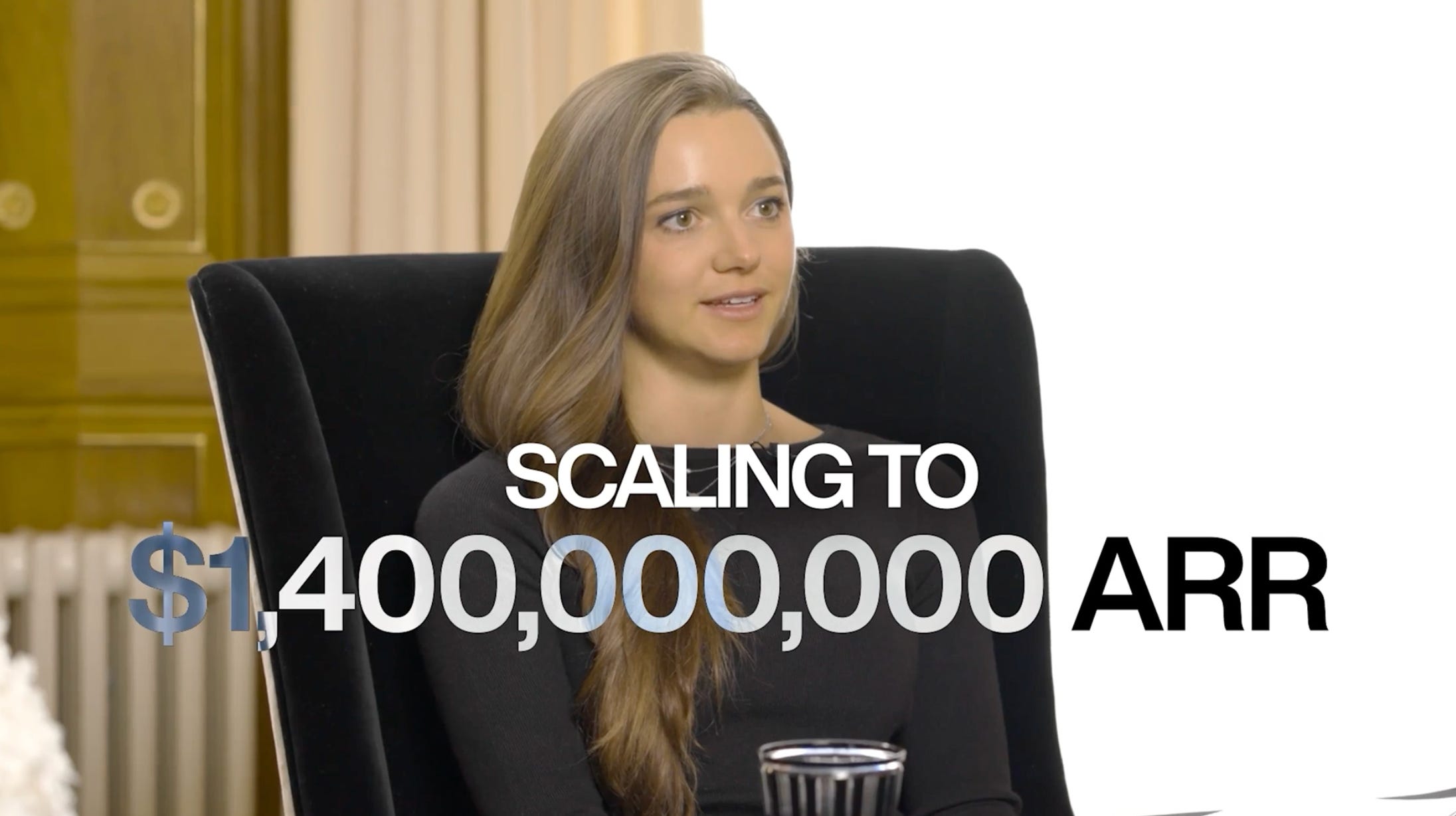
Within just a few years, Deel crossed $100M ARR, then continued accelerating as remote work and distributed teams became structural shifts across the global economy. Today the company has surpassed $1.4B in ARR, making it one of the fastest-scaling enterprise platforms of the past decade.
Even more unusual: Deel has achieved profitability while scaling past $1B in revenue, something very few companies growing this quickly have managed.


Deel reached $1bn revenue faster than many high-growth tech industry peers due to its impressive organic growth engine and ability to scale at speed. Source: S-1 Filings, GS Research, FactSet
The Infrastructure Layer for Global Hiring
Deel’s customer base reflects the shift toward globally distributed teams.
More than 40,000 companies now rely on the platform to hire, manage, and pay employees across borders. While this includes startups and some of the largest technology companies in the world, Deel’s customer base extends far beyond Silicon Valley — spanning financial services, healthcare, manufacturing, logistics, & global enterprises, as well as fast-growing sectors like gaming, fintech, IT services, marketing and advertising, crypto, AI and data labeling, business process outsourcing, + even oil & gas.
Notable customers include Shopify, Coinbase, Lockheed Martin, ElevenLabs, Lucid, Zillow, On, Puma, Reddit, Klarna, OpenAI, Jelly Belly, NuBank, Instacart..

For these companies, Deel functions as the infrastructure layer that handles payroll, compliance, tax management, benefits, and HR operations across jurisdictions.
“Companies shouldn’t have to think about the complexity of hiring globally. The infrastructure should just work.”

That infrastructure now spans 150+ countries, enabling companies to build truly global teams without establishing legal entities in each market.
Deel’s M&A Playbook
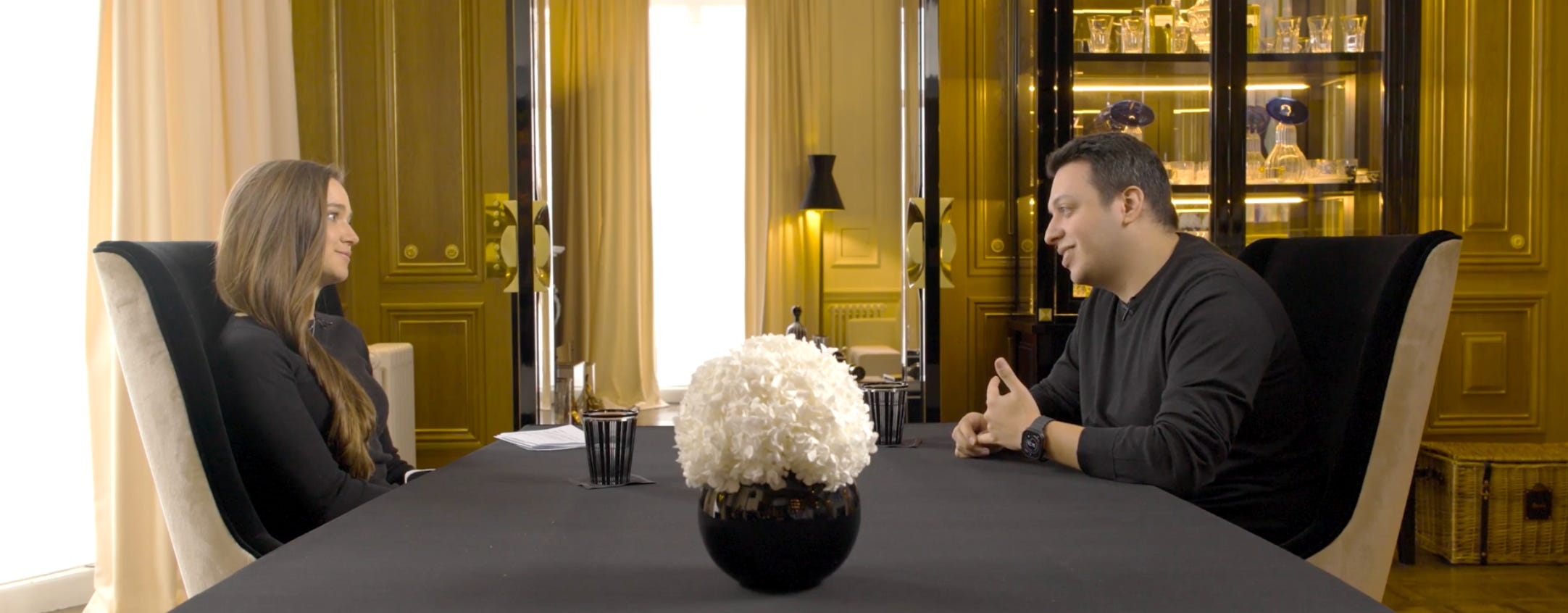
Another driver of Deel’s rapid expansion has been its acquisition strategy.
Over the past several years, the company has completed 10+ acquisitions, targeting specialized payroll and HR companies across different regions. Rather than building every capability internally, Deel has used M&A to integrate local expertise and accelerate product development.
This approach has allowed the company to quickly expand its platform across multiple categories, including global payroll, employer-of-record services, HR software, and compliance infrastructure.
“M&A is a way for us to move faster — to bring in deep local expertise and integrate it into a single global platform.”
And at a higher level, the philosophy is consistent with how Deel has approached the entire market:
“Speed matters in building global infrastructure. You can’t wait to build everything from scratch.”
TLDR: How It Really Works
What’s typically a multi-year integration cycle, Deel compressed into months.
“We built a pretty unique playbook… the TLDR is when we do acquisitions of smaller companies for product, we basically build a way to fully integrate their product and their customer base in the span of 12 months.”
Instead of treating acquisitions as long, disruptive integrations, Deel flips the model entirely — prioritizing speed to market and distribution from day one.
“For the first three months we’re going to build on your backend… within the span of a month, you already have the first version of the product.”
This allows Deel to immediately layer acquired products into its platform, rather than waiting for a full rebuild. The real unlock, however, comes from aligning product integration with go-to-market readiness.
“Before a salesperson is comfortable selling a product, it takes nine to 12 months… by bringing the product after month one, you can get your salespeople trained and comfortable.”
While most companies rebuild first and sell later — often creating 18–24 month delays — Deel runs both processes in parallel.
“Most companies would rebuild a product for 12 months, then show it to their go-to-market team… then have another lag of nine to 12 months before they can sell.”
By the time Deel fully rebuilds the backend, the sales team is already trained, the product is already in market, and distribution is already activated.
“That little trick here gets us much more accelerated… you can see it in the growth of the business.”
The result is not just faster integration.. it’s a compounding advantage across product velocity, revenue expansion, and distribution.

Why Raise Capital If You’re Already Profitable?
One of the more interesting parts of Deel’s story is that it has continued to raise capital even after reaching profitability. In startup land, fundraising is often framed as survival — runway, burn, and the next milestone. Deel’s posture has been different. The company was already profitable, already scaling past $1B+ in revenue, and already operating from a position of strength. That changed the meaning of capital entirely.
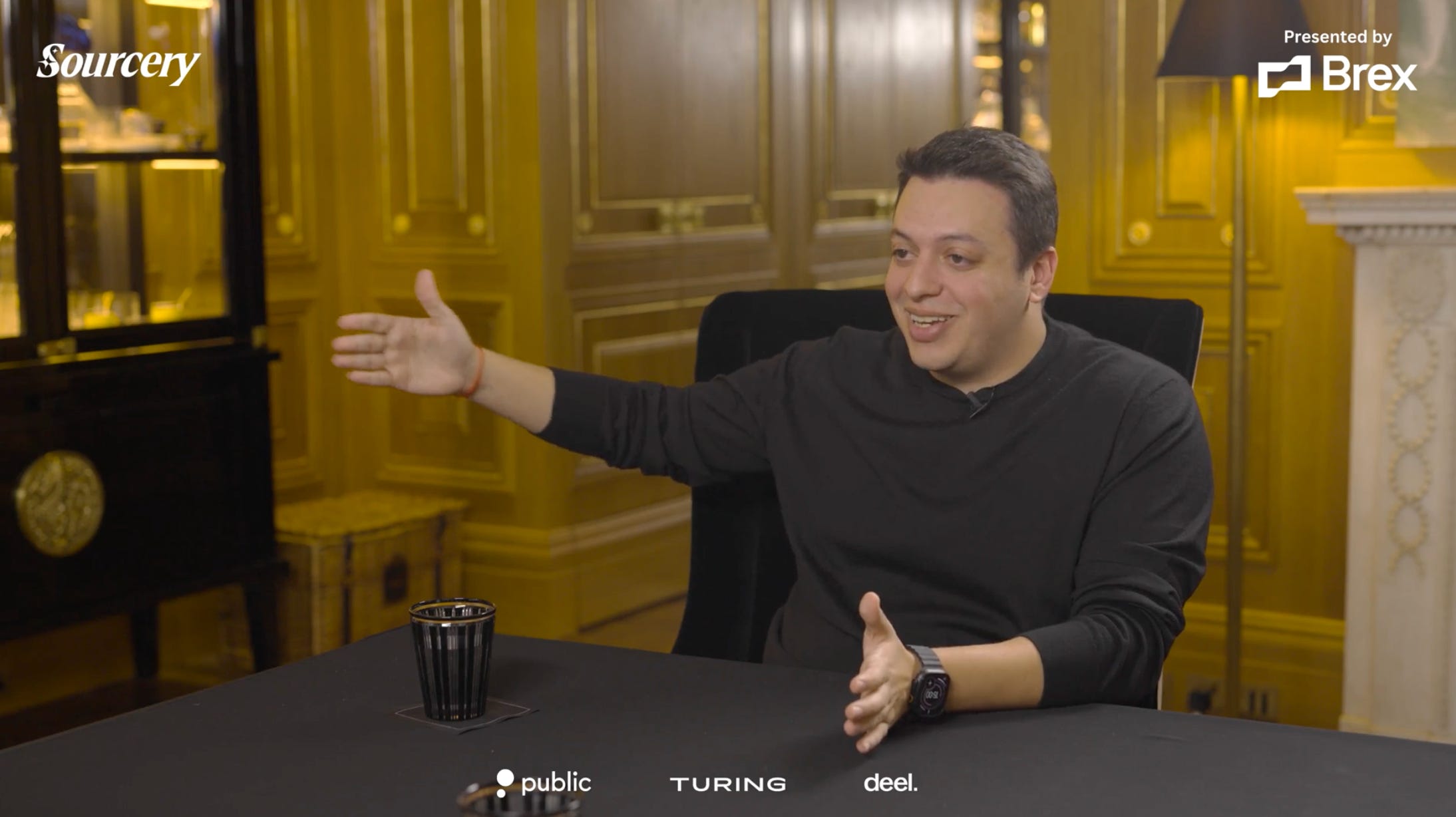
As Bouaziz explains, Deel has long tried to fundraise from a position of leverage rather than need. Earlier in the conversation, he notes that one of the company’s core operating principles was always to build the business so that raising money would be optional, not existential. That discipline shaped Deel’s culture early and gave it unusual flexibility later.
“When you’re fundraising, you’re basically selling a part of your business… in my opinion, you should always be in a position where you don’t actually need it.”
That framing is important. Deel did not raise because the business required outside capital to continue operating. It raised because additional capital could accelerate a playbook that was already working — especially around acquisitions, infrastructure buildout, and global expansion.
The company’s investor base reflects that ambition. Deel is backed by Ribbit Capital, Coatue Management, and Andreessen Horowitz, among others, and Bouaziz makes clear that part of the value was not just the capital itself, but who was writing the check. He specifically points to the importance of bringing in people like Micky Malka of Ribbit and deepening relationships with investors who understood the business at a detailed level.
“Being able to bring him onto the cap table was something we’re very excited about.”
That helps explain why Deel was selective. Bouaziz says the company was not planning to raise, and that the process came together only after investors had spent months getting close to the business. In other words, this was less a traditional roadshow than a case of high-conviction investors pushing their way in.
“We weren’t planning on raising money.”
That dynamic matters because it reinforces Deel’s broader strategic posture: if you are already profitable and growing quickly, capital becomes a tool for compression. It lets you do more, sooner. It lets you acquire faster, enter new markets faster, and strengthen the platform before competitors can catch up.
“We don’t raise because we need to survive. We raise to accelerate.”
That may be the simplest way to understand Deel’s fundraising strategy. Rather than using outside money to cover losses, the company has used it to compress time — expanding into more countries, integrating more products, and pushing harder on M&A than would otherwise be possible. In Deel’s case, capital is less about extending runway and more about increasing strategic velocity.
There is also a second layer to this. Bouaziz acknowledges that bringing in a major external investor like the legendary Micky Malka at scale also serves as validation. For a company that spent years growing outside the traditional Silicon Valley spotlight, an outside-led round functions not just as financing, but as a signal to the market.
“Having a completely external investor come and invest into the business is also a great validation of where you are as a company too.”
That combination — profitability, investor selectivity, and strategic use of capital — is part of what makes Deel’s story unusual. Most startups raise because they need oxygen. Deel raised because it wanted jet fuel.

The Micky Malka Question
One of the more interesting questions raised from Micky Malka is how a founder evolves as the company scales this quickly. Bouaziz is candid about how much the role has already changed:
“This year my skills improved a lot… I was not exactly super well versed in litigation… or crisis PR.”
The past year, in particular, forced rapid growth across areas far outside product:
“I’ve learned more this year than I’ve learned in the last six years of building the company.”
Looking ahead, his focus is on scaling himself alongside the company, especially through hiring and organizational buildout:
“Scaling myself, bringing the right people at the right time… those are the things that are going to be my focus.”
At the same time, he’s focused on maintaining clarity amid scale:
“Making sure the company stays true to itself… and not get carried away with all of the noise.”

Is AI Taking Everyone’s Job?
Another question prompted by Micky is one of the most risky questions around Deel’s core business.. what happens if AI reduces hiring altogether? If companies need fewer people, does that break the model?
Bouaziz doesn’t see that happening.. at least not in the way people expect.
“First of all, we’re not seeing that trend yet… we’re seeing a little bit in operations, but not a big deal.”
Instead, he expects a more nuanced shift. Some roles may shrink, but the overall number of companies and types of jobs will expand.
“I think they’ll hire less, but there’ll be more companies… and every single industry revolution, new jobs will be created.”
It’s a familiar pattern. Technology reshapes labor markets, but rarely eliminates them outright. As productivity increases, new categories of work emerge, often in places that weren’t obvious before.
That perspective also ties directly to Deel’s expanding customer base, which now spans far beyond tech. Bouaziz points out that the platform increasingly supports industries many wouldn’t initially associate with a global payroll startup:
“Every company in the world needs payroll… we can basically cover them.”
That includes everything from airlines to oil and gas to retail and the moment when that clicked for him was surprisingly tangible.
“When we closed our first airline, I was like, I didn’t know we could get to this type of customers.”
Today, that reach shows up in everyday moments.
“I walk into a store in London… and I’m like, we run payroll here… I’m a little proud of that.”
The underlying insight is simple but powerful: regardless of how AI reshapes work, companies will still need to hire, manage, and pay people.
And if anything, a world with more companies, more global talent, and more distributed work only increases the importance of infrastructure like Deel.

The Future of Global Work
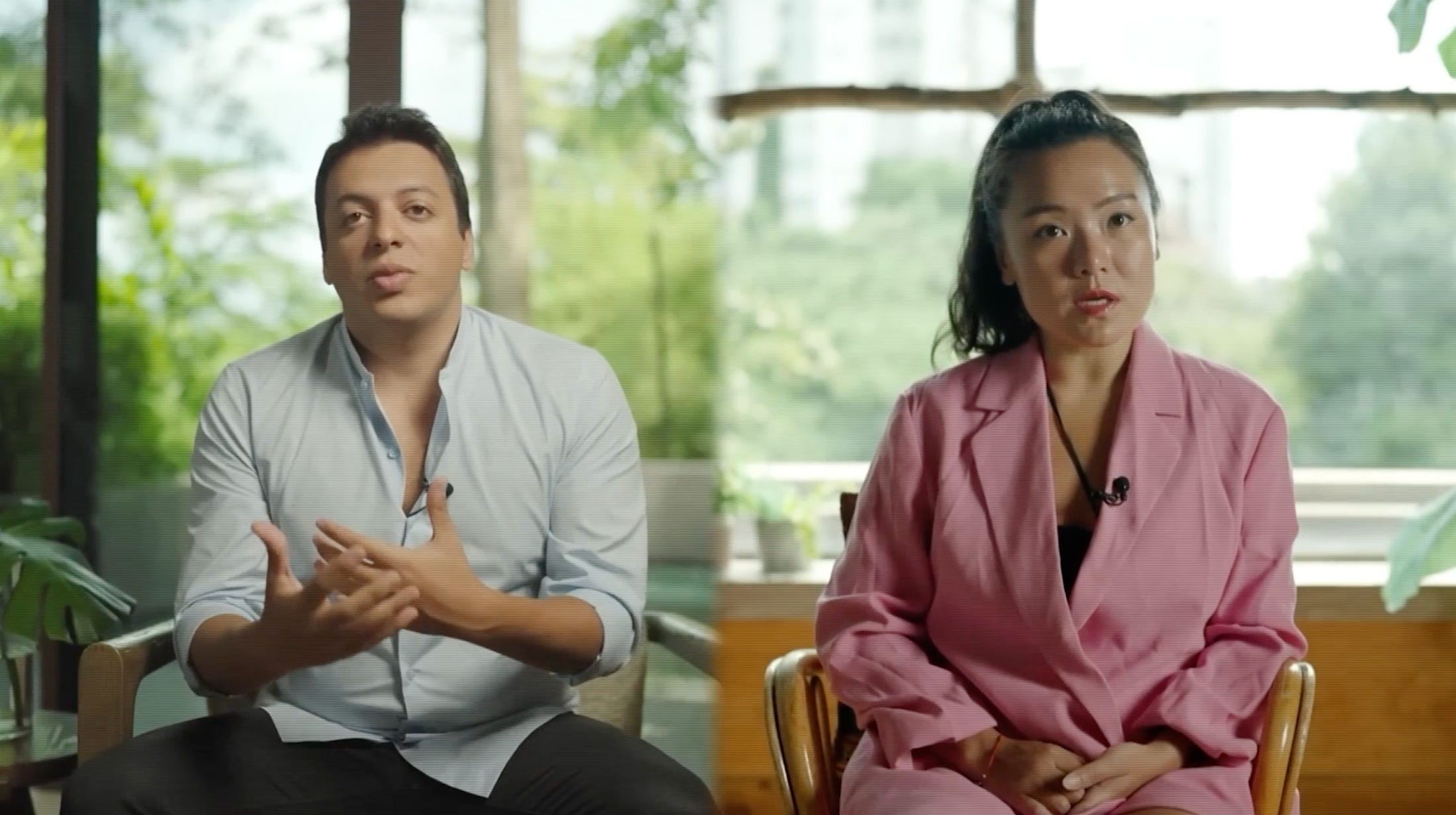
Co-Founders CEO Alex Bouaziz & CRO Shuo Wang
Looking forward, Bouaziz believes the shift toward global hiring is still in its early stages. The rise of AI, automation, & autonomous agents could dramatically increase productivity, allowing companies to operate with smaller, more globally distributed teams.
“AI will make teams more productive, but it will also make global hiring even more important.”
In that future, the ability to hire talent anywhere becomes even more valuable.
“The future of work is global.”
Seven years after launching Deel, the numbers suggest that future is already unfolding.
→ Listen on X, Spotify, YouTube, Apple

The material presented on Molly O’Shea’s website are my opinions only and are provided for informational purposes and should not be construed as investment advice. It is not a recommendation of, or an offer to sell or solicitation of an offer to buy, any particular security, strategy, or investment product. Any analysis or discussion of investments, sectors or the market generally are based on current information, including from public sources, that I consider reliable, but I do not represent that any research or the information provided is accurate or complete, and it should not be relied on as such. My views and opinions expressed in any website content are current at the time of publication and are subject to change. Past performance is not indicative of future results.
Paid Endorsement. Brokerage services by Open to the Public Investing Inc, member FINRA & SIPC. Advisory services by Public Advisors LLC, SEC-registered adviser. Crypto trading provided by Zero Hash LLC, licensed by the NYSDFS. Generated Assets is an interactive analysis tool by Public Advisors. Output is for informational purposes only and is not an investment recommendation or advice. See disclosures at public.com/disclosures/ga. Matched funds must remain in your account for at least 5 years. Match rate and other terms are subject to change at any time.