

Founders Fund Mafia, Thiel Fellowship, Prompts vs Design, Vibe Mathing & AI's D̶a̶d̶d̶y̶ Trust Issue
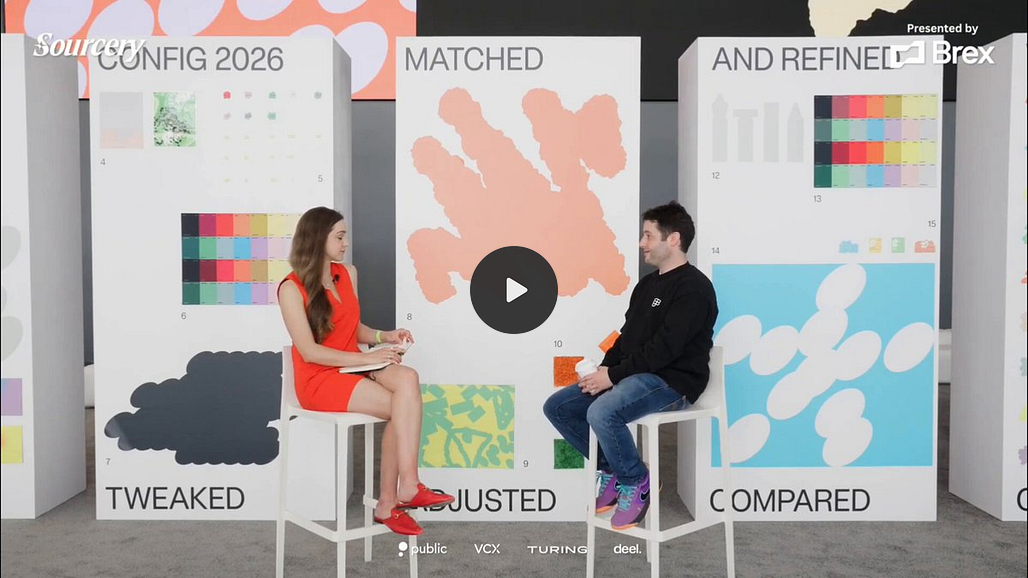
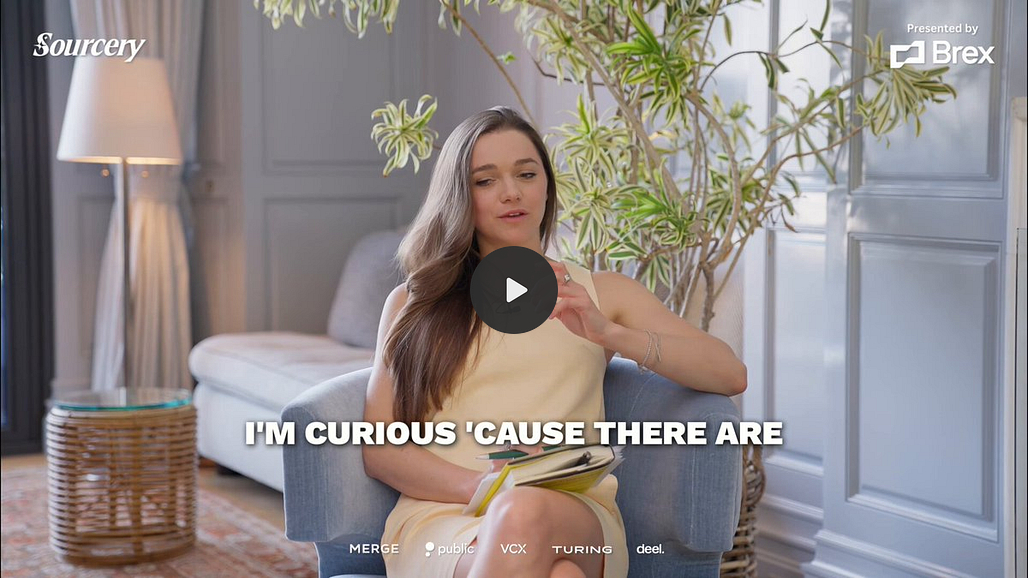
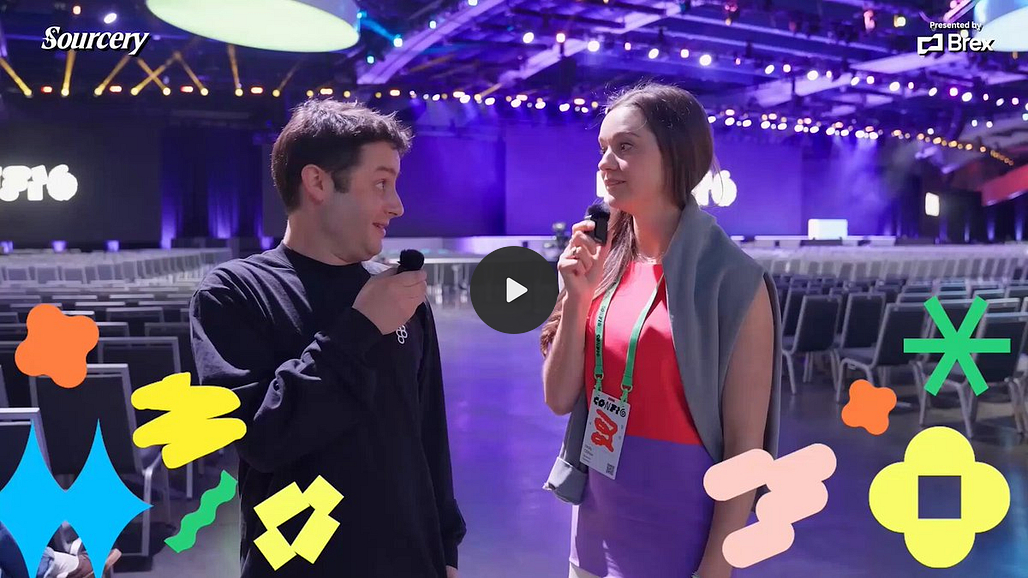
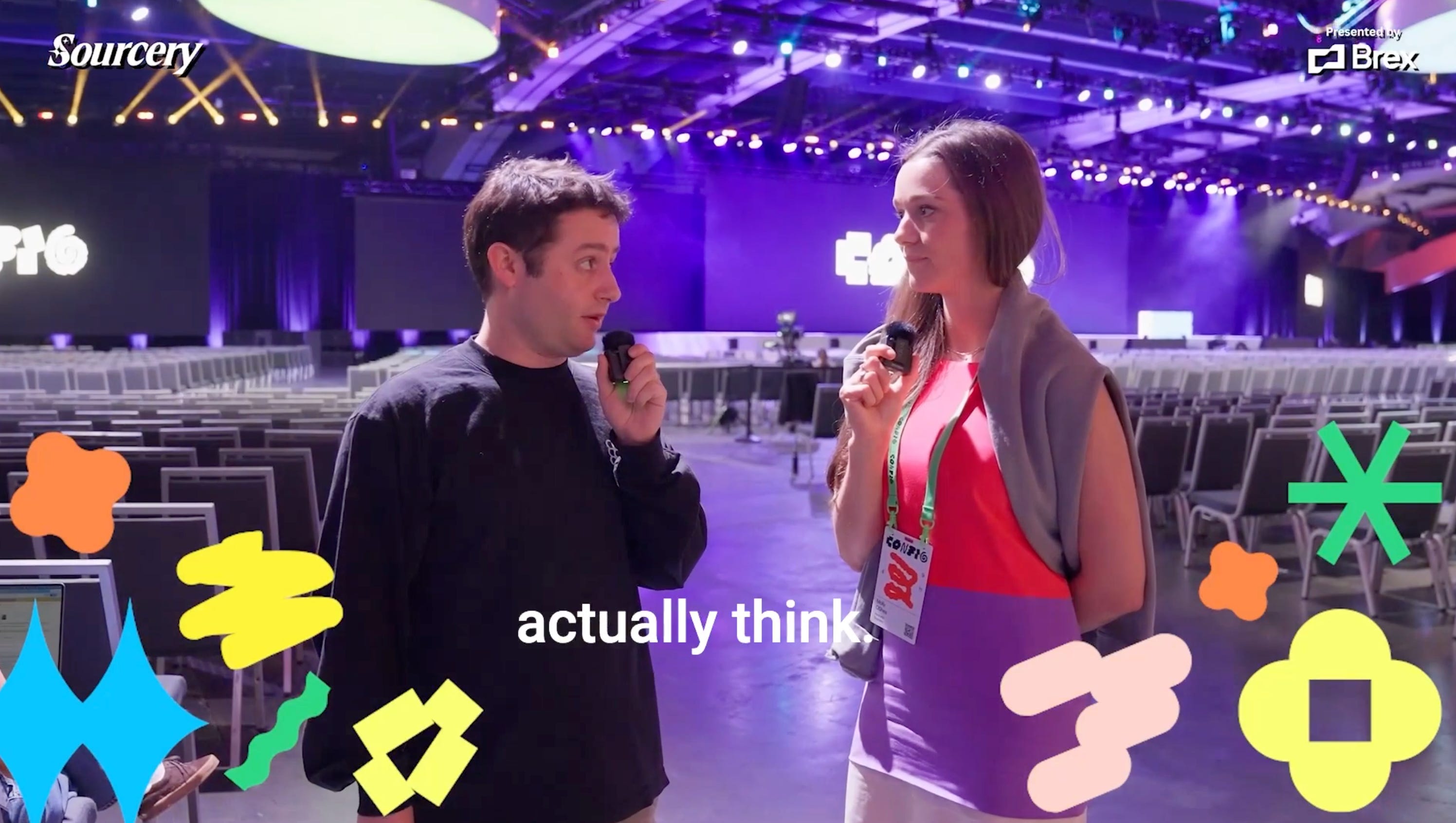
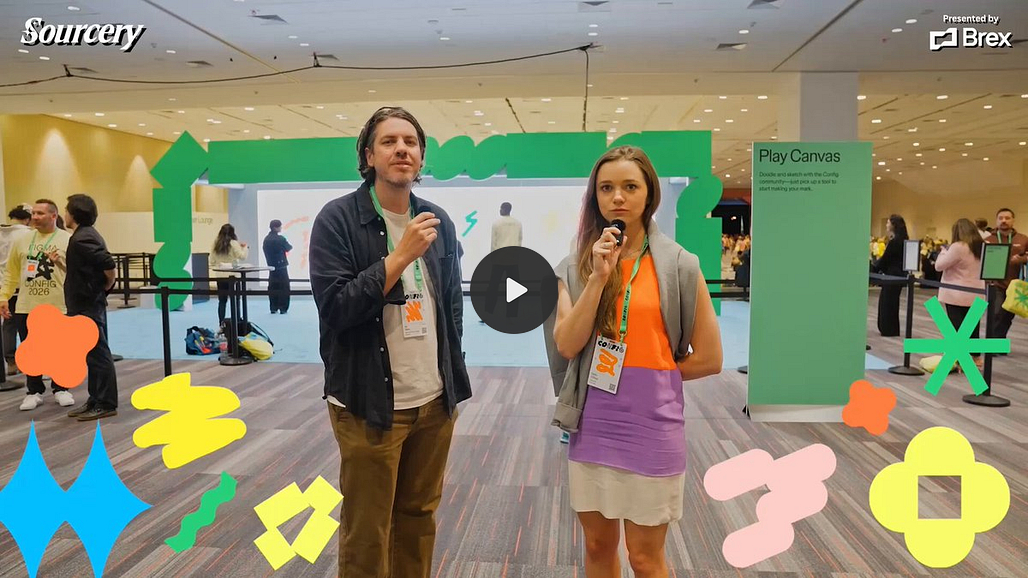
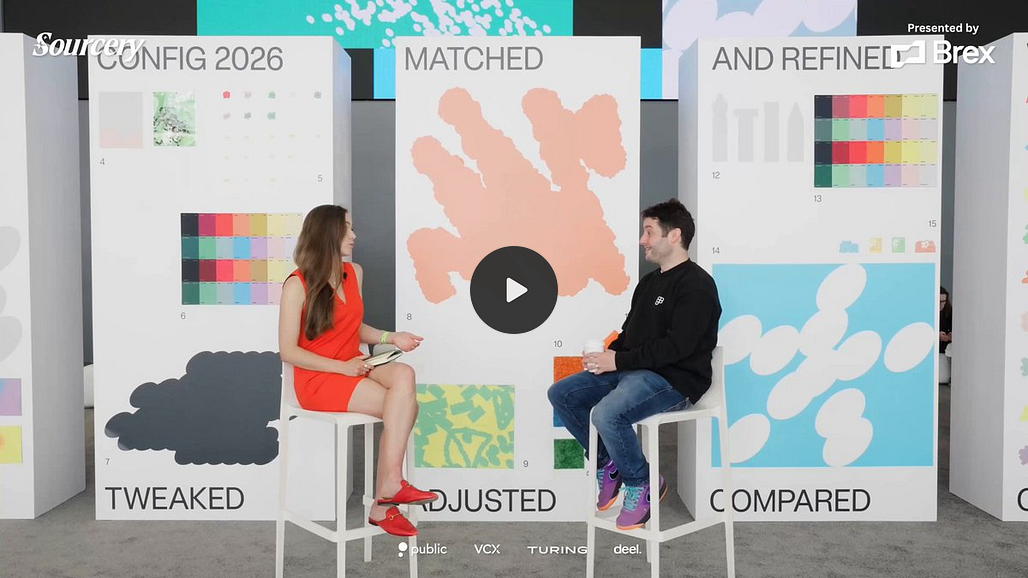
Dylan Field Co-Founder & CEO of Figma (NYSE: FIG) joins Sourcery behind-the-scenes at Day 0 of Config 2026, aka the “Coachella for design,” just before 10,000 attendees arrived.
→ Listen on X, Spotify, YouTube, Apple
The headline going around is that “design is dead” & AI has turned it into a commodity. Field’s argument is that the market has this backwards. Anyone can prompt a model into the average, & in a templated world the average does not stand out, so taste + a real point of view are what separate the products people actually use from everything else.
He also points to a shift in who is on the platform. Engineers now come to Figma to code their hearts out.. to create something beautiful. The surface area for design, in his telling, is expanding, not shrinking.
We Cover:
› Vibe Mathing
› Elon Musk: Products vs Logos
› AI's trust issue
› Agents vs Employees
› Engineers coding design
› American Enterprise >
› IQ ≠ Judgment or taste
› What actually is a jailbreak?
𝐓𝐈𝐌𝐄𝐒𝐓𝐀𝐌𝐏𝐒
(00:00) Dylan Field, Co-Founder & CEO at Figma
(00:57) Day Zero begins: backstage at Config
(01:44) The “Coachella for Design” is real
(02:35) Why Dylan started Config back in 2020
(03:47) Why “design is dead” is completely wrong
(06:11) How Figma turned engineers into designers
(06:54) Inside Config before the crowd arrives
(07:55) The Config speakers Dylan can’t wait to watch
(11:34) Inside the exclusive Pantone Lounge
(12:00) The one question every designer gets asked
(13:16) Getting killed in every single game of Mafia
(15:33) How to escape the permanent underclass of zero taste
(19:51) Why execution is cheap but taste is everything
(22:25) What actually builds a trusted brand
(25:51) How AI agents are rewiring company structure
(28:54) The AI safety debate happening right now
(31:57) Why deep curiosity is Dylan’s secret weapon
(34:53) The real lesson from being a Thiel fellow
(36:52) Rapid fire: Elad Gil’s wildest question
(38:04) What people are missing about AI and enterprise software
(40:16) Where Figma’s platform goes next
(41:21) Why Dylan is bullish on SpaceX
(42:43) Elon Musk’s logo theory
(43:26) The mentors who shaped Dylan Field
(45:20) Alan Kay, VR, and the future of human-computer interaction
Brought to you by:
Brex—The intelligent finance platform: cards, expenses, travel, bill pay, banking—wrapped into a high-performance stack. Built for scale. Trusted by OpenAI, Anthropic, Vercel, Granola, Deepgram, & Sourcery.. teams that move fast AF. visit → brex.com/sourcery

Turing—Turing partners with frontier AI labs to improve model capabilities in coding, reasoning, tool use, & multimodality, as well as with Fortune 500 enterprises to build & deploy end-to-end agentic AI systems in mission-critical workflows Visit: turing.com/sourcery
VCX—VCX is the public ticker for private tech, allowing investors of all sizes to invest in venture capital. View The Portfolio at GetVCX.com
Deel—Deel is the global people platform that helps startups hire, manage, pay, and equip anyone, anywhere. Trusted by more than 35,000 fast-growing companies, Deel is the people platform that just works, so teams can scale without the chaos. Visit: deel.com/sourcery
Public-–Investing platform Public just launched Generated Assets, which lets you turn any idea into an investable index with AI. With Generated Assets, you can build, backtest, refine, and invest in any thesis with AI. Gone are the days of one-size-fits-all ETFs. Try it today: public.com/sourcery
Figma CEO Dylan Field on Why the ‘Market’ Has Design Backwards
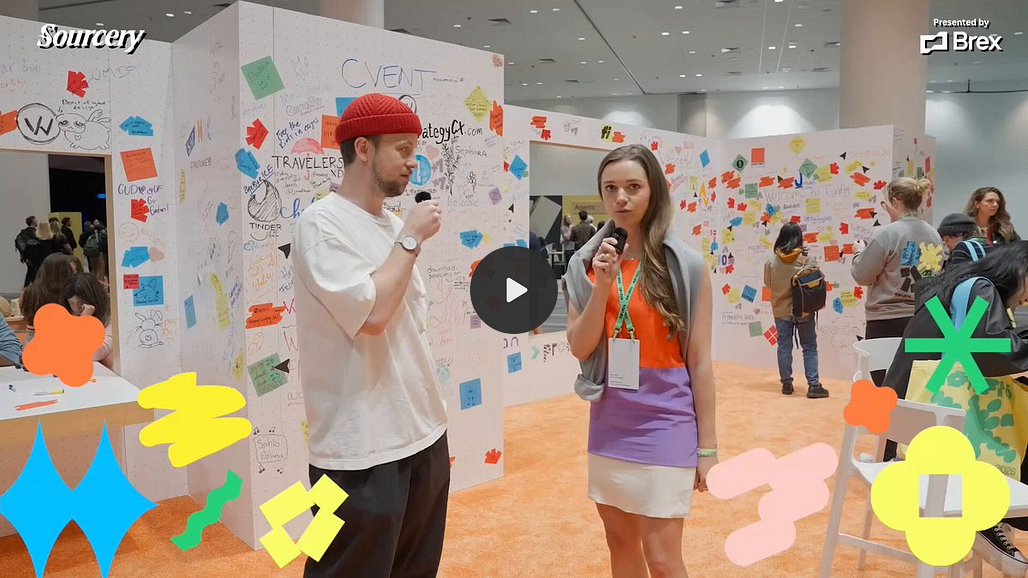
I just sat down with Dylan Field, Figma’s co-founder & CEO, at Config 2026, Figma’s annual conference in San Francisco. While the larger debate circling market narratives is whether AI turns design into a commodity.. its safe to say Figma does not agree (and neither do the 10,000 IRL attendees).
→ Listen on X, Spotify, YouTube, Apple
How Config Started
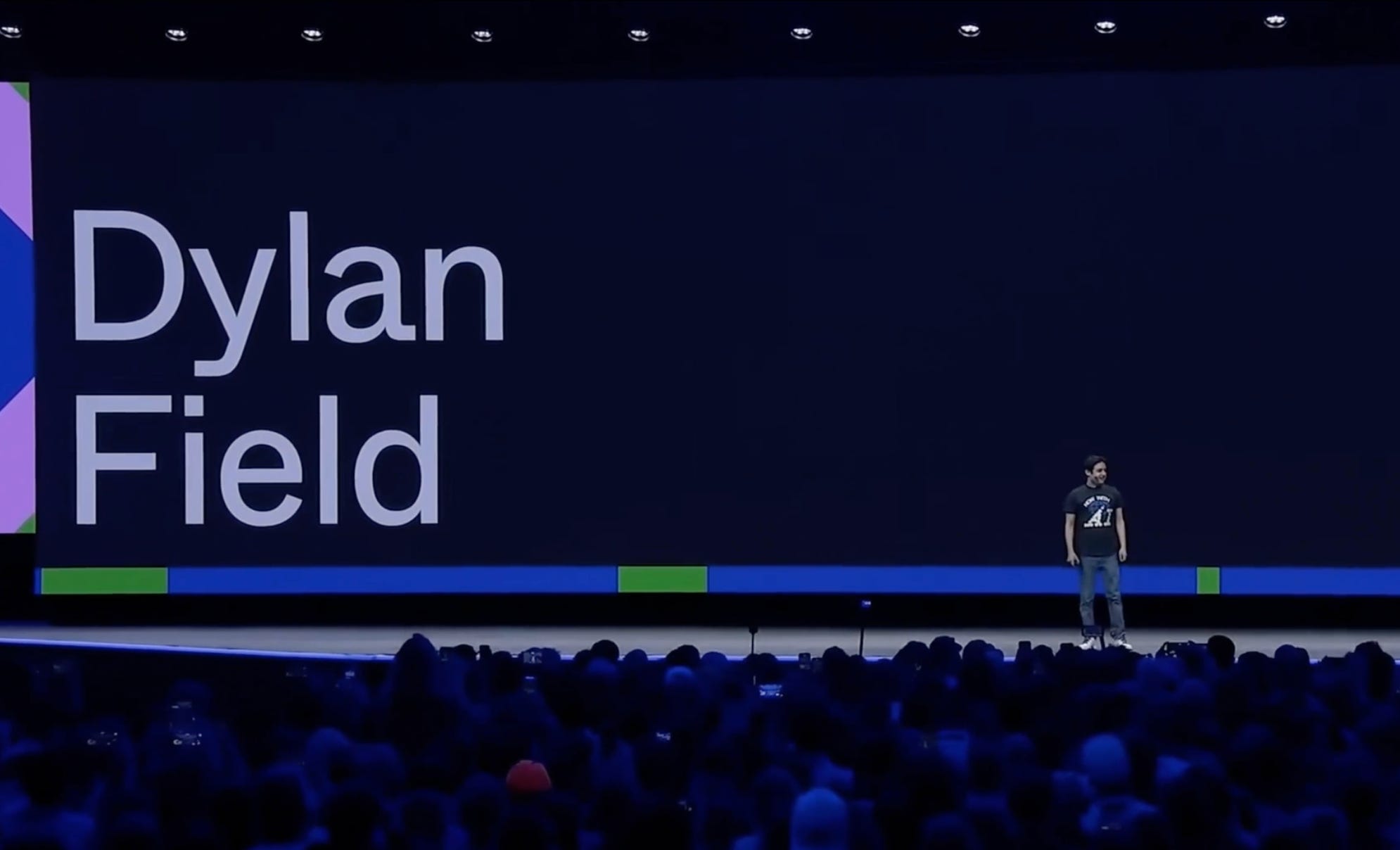
Field said Config began in 2020, right before the pandemic, and that this was technically the 10th one counting the international editions. It grew out of Figma user groups popping up around the world, and the team wanted a way to bring everyone together. The first plan was for a few hundred people, then they went bigger. “Let’s go big, like 800 people. And that sold out instantly,” he said. The timing turned out to be lucky. “We got so lucky the first time because we were able to, three weeks before the pandemic started, had the chance to bring everyone together,” he said, and added, “I can’t imagine what it would be if it was three weeks earlier.”
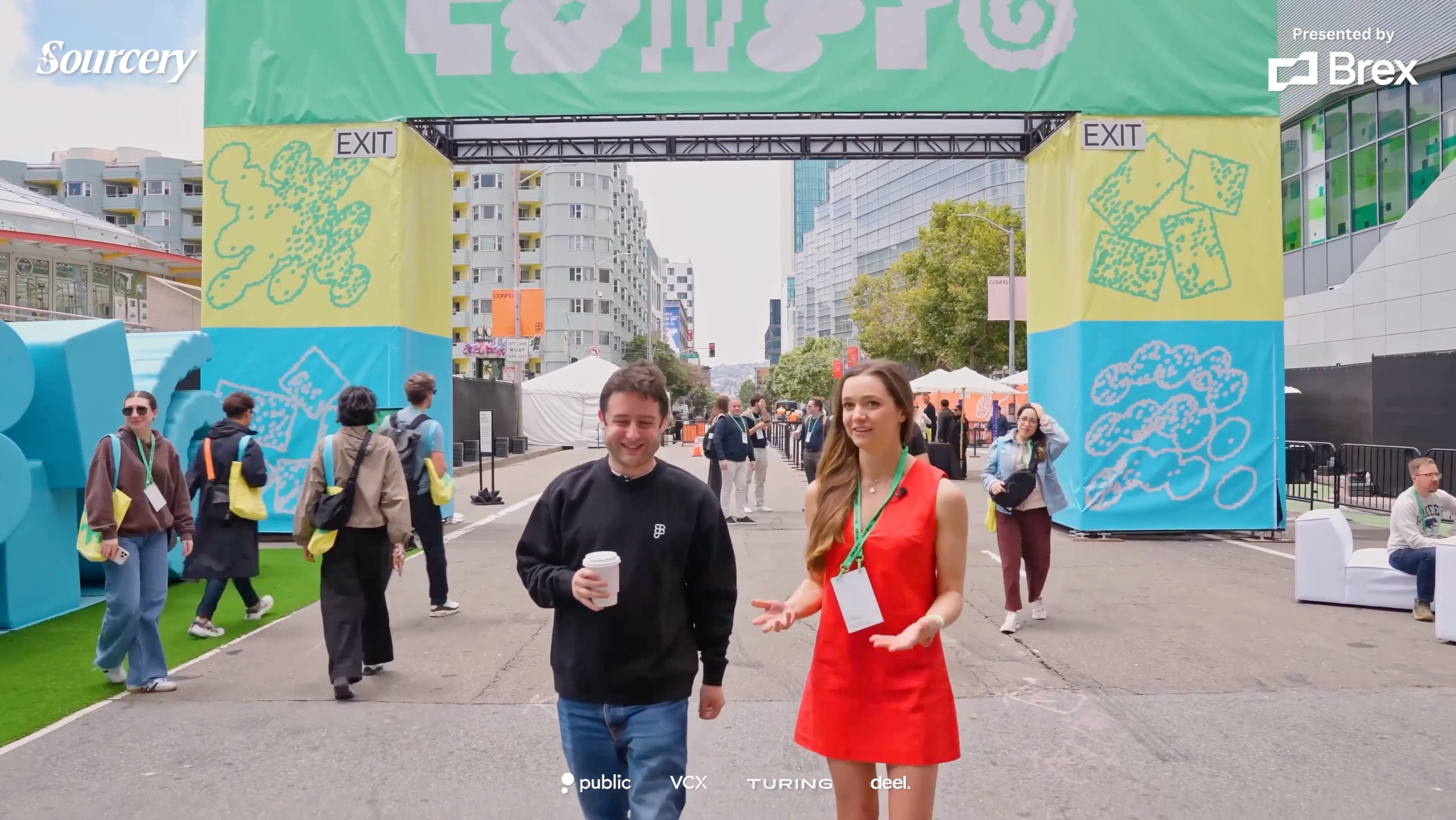
The contrast between that first Config and this one is worth sitting with. In 2020 the company announced 7 features, and one of the ones the crowd loved most was simply being able to add hyperlinks on the canvas. This year the keynote was a stack of AI launches at once, including Code Layers, Motion, shaders, generative plugins, & an upgraded design agent, aimed at a much broader group of users than the designers who filled that first room.


The Case Against “Design Is Dead”
Field pushed back on the idea that design is dead. He thinks people are getting carried away with AI and talking down every role but their own. “Everyone is kind of putting down all the other roles,” he said, with engineers saying they do not need PMs or designers, and designers saying the same in reverse. He called it a temporary phase where people are excited about AI but “not yet realizing all the limitations that they have.” He also thinks working solo is a trap. “It’s very lonely, the idea that you’re just gonna work alone on everything forever.”

He also said design is more than how something looks. “Design is so much more than visuals and aesthetic.. That’s just the tip of the iceberg.” For him it includes understanding the user and the experience, not just the visuals. “If you wanna build scalable real systems, explore broadly, build the right thing, not just something fast, then I think it’s really important to lean into design.”


The Coders Moving Into Figma
One thing Field kept coming back to is that engineers are starting to use Figma. “We’re seeing so many engineers now just get interested in Figma, and as that happens, they’re starting to really pick it up because you go build something really fast, that’s awesome, but then you’re like, ‘Okay, can I actually now make it great?’” His point is that AI makes it easy to build something fast, and then people want to make it good.
I said it sounded like engineers are coding design, and he agreed. He said the launches coming the next day at Config would go “even more in that direction.” And it goes both ways. “Designers are giving us the feedback that we used to get from developers now.” In the keynote the next morning, he put the idea plainly, that code is not the opposite of design but a material for it.
Why AI Prompts Give You the Average
His main point on AI and design is that if you let a model do everything, you get something generic. “If you just use an LM for everything and have it literally tell you how it wants to go build a thing, how to go design a thing, you’re gonna get something that it wants to give you, and it’s kind of diverged at that point from whatever’s in your head to however it processed it.” The result, in his words, is “you’re gonna get the average, and it’s not going to stand out.” He separates two things people tend to blur. “There’s a taste and there’s sort of the distribution, and they’re very separate,.”
I called that the “permanent underclass of zero taste.” His answer to it is having a point of view. “It takes not only human steering and human intent, but also it takes a point of view, and I think that is something that people fall down on all the time because it’s kinda scary to have a point of view,” he said, adding that it means being willing “to be bold and to take a risk.” He mentioned Figma Weave as one way to steer AI output through a workflow instead of taking whatever the model hands back.
What Risks to Take
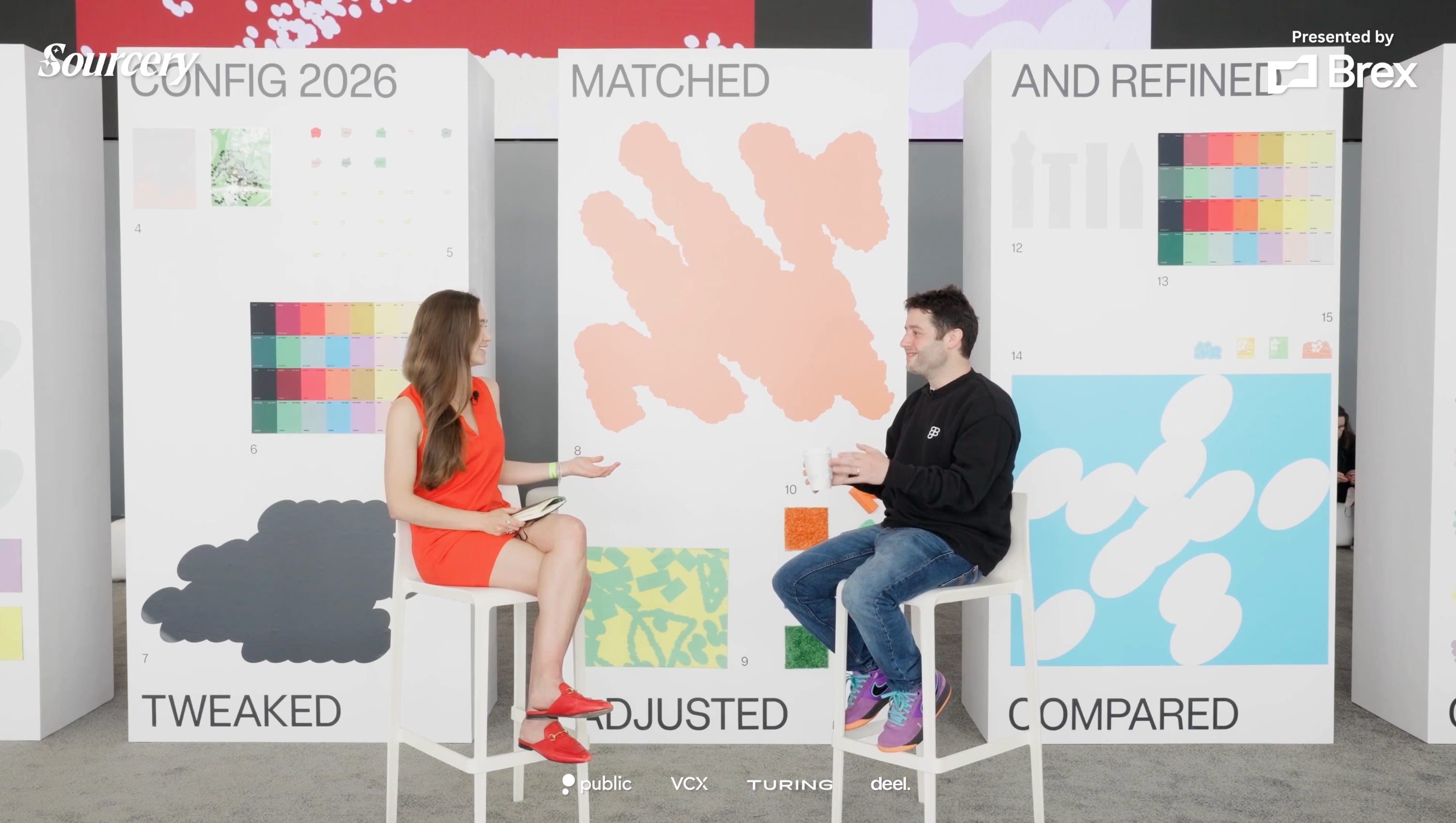
I asked what risks people should be taking and what he thinks is overlooked. His answer was broad. “Everything from what problem are you even tackling to how do you brand, what positions do you take as a company, how do you connect with people, and what emotions are you trying to bring through your brand and marketing,” and the same for the software itself.


His warning was that it is easy to copy. “It’s so much easier to apply patterns that you’ve already seen,” he said, and the harder path is figuring out the core thing people actually need and building all the way to it. He was clear that this is a real bet. “There’s just this huge unexplored space out there of stuff that, it takes a long time to get right, and that is a risk because you might not actually hit,” he said. He also said teams have to make an idea stick internally, which is why “you kind of have to meme-ify it inside your company sometimes.”
What Getting Smarter Does Not Fix
Field drew a line between what AI is good at and what it is not. He said smarter models do great on things you can verify, like math, but that other things do not follow automatically. “You can get to amazing outcomes with enough IQ points, and yet judgment is somehow not purely correlated with just adding IQ points to the model… Design certainly does not seem to be correlated with adding IQ points to the model.” He said the same is true of strategy in people. “The folks that are really good at strategy, I have not even found with humans the common characteristic of how to go find them.”
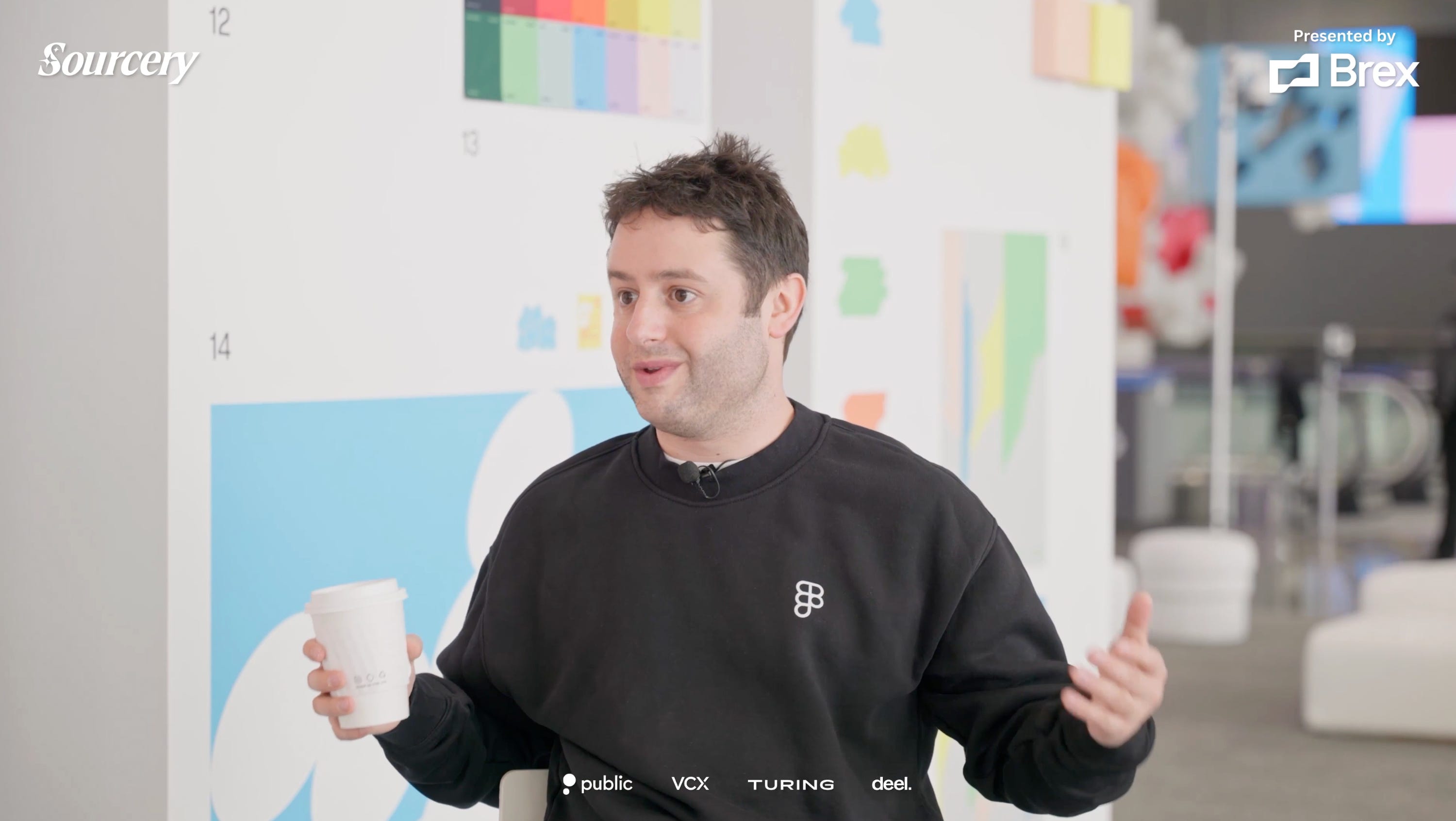
He used empathy as an example. “How do you teach a model true empathy for a user?” describing the harder version as getting a model to understand the relationships a user has and the inflections in their voice when they describe a problem.. “I think it’s really hard.”
This is also why he does math with models for fun, which he jokingly called “a form of LLM psychosis.” He said it is “a bit of an antidote to the non-verifiable domains that I’m usually in. So for Figma, it’s all vibes.” His example of an easy, verifiable miss was blunt. “You didn’t center the div, like learn to center divs AI.”
The Jailbreak Question
Field said the biggest open question in AI right now is what a jailbreak even is. He mentioned a live situation at the time between the US government & Anthropic over the Mythos / Fable jailbreak, and said the term is understudied.
“What is a jailbreak? It’s not like you have to do some fancy JSON thing.. Just talking with models long enough leads to states that you could call a jailbreak for basically any model.” He also said the conversation cannot really happen without a shared definition. “I don’t think we can have a conversation like this without even defining what a jailbreak is.”
Field thinks there should be more incentives for people to test models, similar to how Hacker One pays researchers to find security flaws. He said he now spends more time on interpretability research with open weight models when he can get the compute.

Agents vs Employees
I brought up the shift in how people talk about AI, from job loss to productivity, and the idea of having more agents than employees. Field was cautious about the framing. “It’s not even clear how do you define the unit of an agent.”
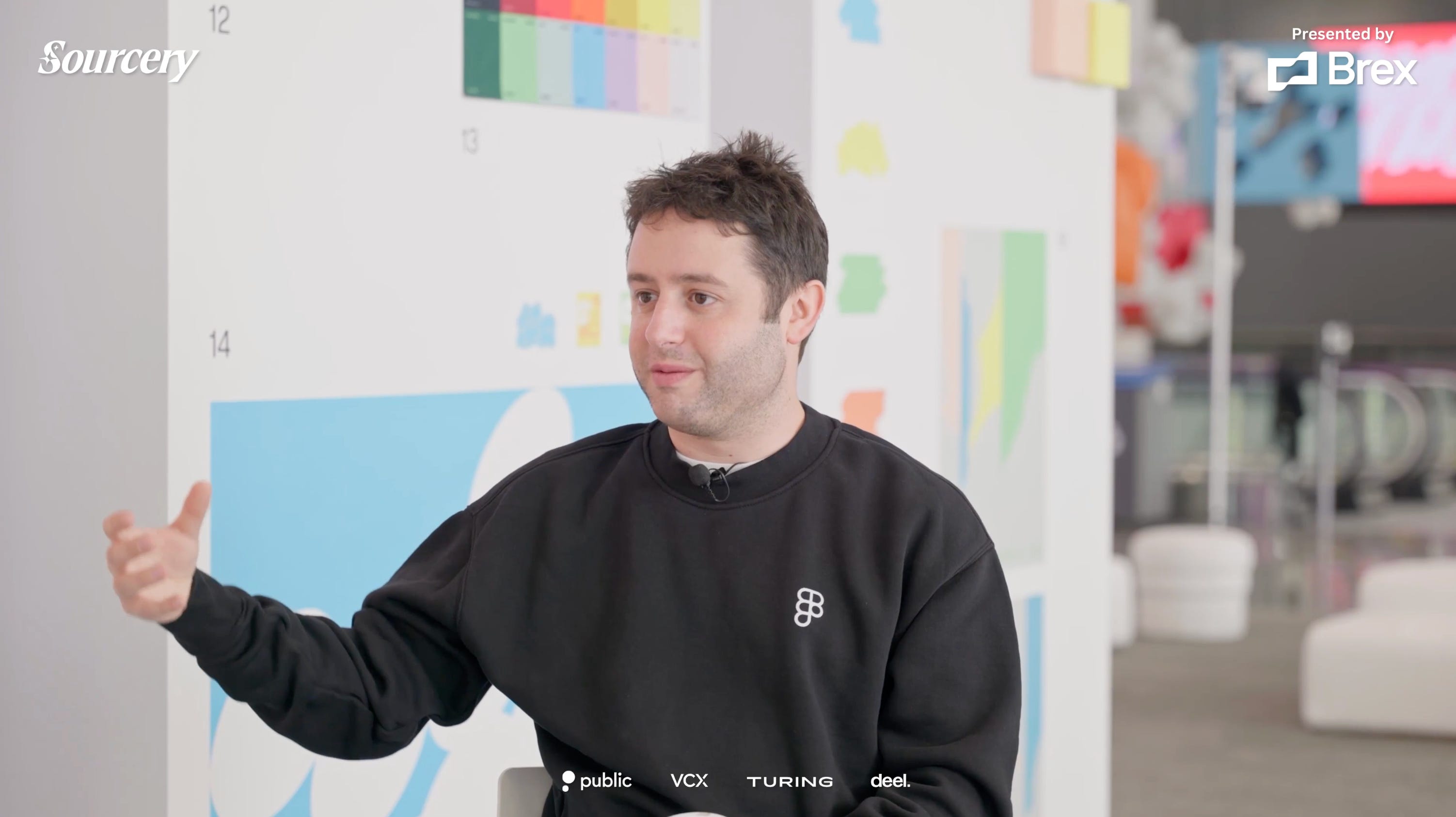
His view is that humans should stay in the loop. “Humans being in the loop will be the way that you steer towards the best outcomes.” He noted that people at Figma who understand their infrastructure are getting strong results by having agents break up tasks. “They’re already 10X, & they can 10X themselves again, by having agents really break up tasks properly,” but the steering still comes from people.
Nevertheless, Figma is on a Tear
137 Venture’s Christian Garrett shared a few great questions for Dylan, starting with the obvious tension: Figma is on a tear but the markets are punishing it, what are people missing about AI in enterprise software?
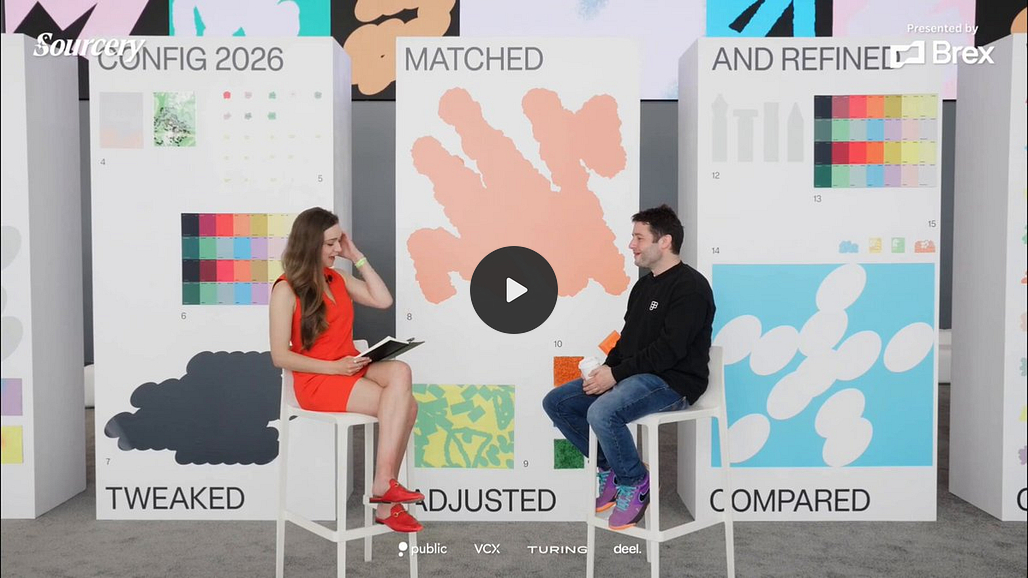
Field’s answer was about what makes software durable. Network effects, including marketplace liquidity, which he counts as its own kind. The mix of customers a company has. And software people might call boring. “Boring software is not to be undercounted.”
On top of that, he kept coming back to company/product/user data. “The data liquidity that you can establish & how that can create context, how that context can create capability in a system, that is its own flywheel.” The more a team uses a tool, the more useful it gets for them.
He certainly does not buy that software is dead. “A lot of software will do just fine or actually even amazing.”
The numbers back the point. In its most recent quarter, reported in May, Figma grew revenue 46% year over year to $333 million, its second straight quarter of accelerating growth, and beat expectations. Net dollar retention hit 139%, its highest in more than 2 years, which means existing customers spent about 39% more than a year earlier. Paid customers grew 54% year over year to roughly 690,000, accounts spending more than $100,000 a year rose 48%, and entry-level Pro signups more than doubled. Weekly active use of the Figma feature that lets AI coding agents work directly with Figma files grew 5x in a single quarter. Figma raised its full-year revenue guidance to about $1.42 billion.
That is the case against design being a commodity. The canvas where designers & engineers actually work is not something you can pull out of their hands. It lines up with what he told me at Config, that execution is cheap now and design & creativity are what separate the wheat from the chaff.

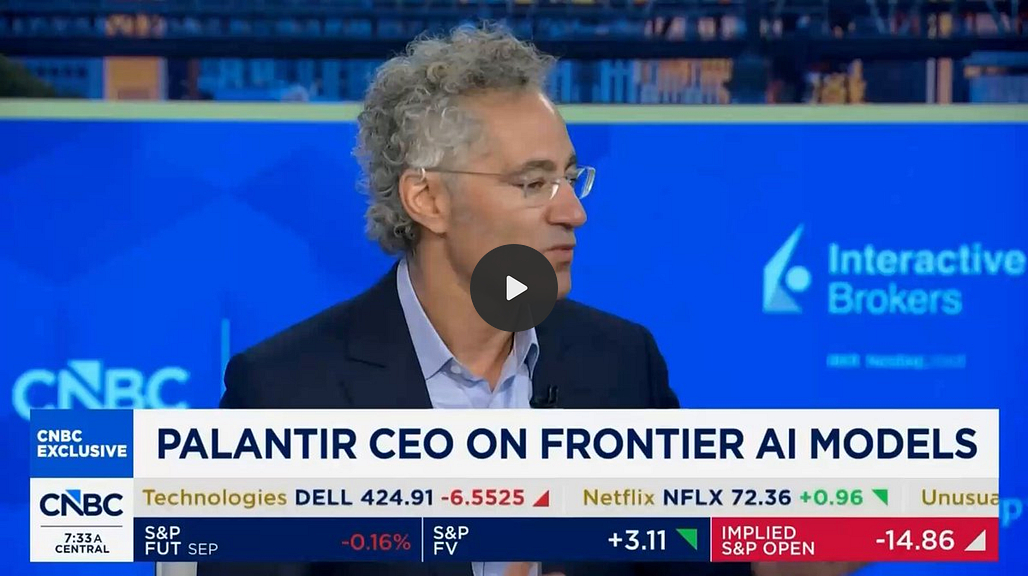
The same point showed up elsewhere the same week. On CNBC, Palantir CEO Alex Karp went on a tear arguing that American enterprises are smart, durable buyers who are not being fooled by AI pricing that charges for tokens while delivering little in return. He said companies are livid about paying for usage that creates no value and handing over their data in the process. "This is the voice of American business that is being channeled through me," Karp. His read is that serious buyers can tell the difference between a tool that compounds value and one that just runs up a bill, which is the same reason a product people actually build in keeps expanding inside its accounts.

Still Stuck in the Prompting Age
Field said he is surprised we still mostly use AI by typing prompts. “I’m still shocked that we’re in a prompting age. It’s been, what, 5 years since GPT-3 now,” he said. He expects the way we interact with models to change a lot, and noted “there are other ways to explore latent space.”
He thinks software design has been stuck too. He pointed out that the last interaction pattern people can name is pull to refresh, and asked “if you look at an iPad, why is it a big iPhone?” He said he wants to get back to the kind of thinking from the 1960s through 1980s and mentioned Alan Kay, one of the computer scientists behind early ideas about personal computing. The main place he sees new ideas right now is VR, and he said “the future of design and interactivity is really gonna be fun.”
On where Figma goes, he wants to bring its different tools together so people do not have to think about where to start. “There’s a huge opportunity in doing that in one place and not having to think about where do I start.” He wants to keep expanding what it does for designers and to help people build their own tools on the platform.

AI’s Trust Issues
I told him AI has knocked down a lot of trust in tech, worse than ICE by some measures, and asked what builds a trusted brand. Field said feelings about AI are split. On one end are people who feel real affection for a model. “In the case of a 4o or Claude, in love with the model.” On the other are people worried it will take their job. On building trust, he said it comes down to “consistency over time” and showing up in a way people can expect.
He brought up a line from his first internship at O’Reilly Media, from Tim O’Reilly, “create more value than you capture,” and tied it to what a platform is. “The definition of a platform is that you’re creating even more value outside of the platform than you are from the platform itself.” He also said the mood needs to change. “The doomerism has to stop as well, and it has to stop with good rationale,” and it should be replaced with a plan to “paint an optimistic future vision for humanity.”
On Elon, Logos, & Brand
I asked about Elon Musk’s line that a “special enough product needs no logo.” Field mostly agreed, then added that a product that special usually has enough of a brand that it works like a logo anyway.
“If the product is that special, then I think it’s probably got enough brand characteristics that it kind of functions as a logo.”
His example was Tesla. Take the badge off and “you probably still know it’s a Tesla.” His broader point was that “a logo’s just a part of it.”
Why He’s Bullish on SpaceX
Field said SpaceX is a good example of a company with missionary talent that keeps taking on hard problems. “Amazing talent who are really missionary,” describing a team that “quests and conquers after challenge, after challenge, after challenge.”
His main point was about imagination. “People lack imagination when it comes to what they can do on Earth, and also what they can do in the stars.” He thinks it could be one of the most important companies of this century or the next.. “I hope Figma can follow too.”
The Speakers He’s Excited About
Field named two speakers he was especially looking forward to. The first was Holly Herndon, the experimental musician who built Holly+, an AI clone of her own voice that she released around 2021 for other people to sing with. He called her “a total visionary artist” and said she sees things early. “The timescale that she’s operating on is different than the rest of us,” pointing to how she was working with AI voices and NFT-style ideas before most people were.
The second was Grant Sanderson, who makes the 3Blue1Brown math videos on YouTube known for their animations. Field called him a friend and praised the care he puts into explaining math with graphics. Sanderson “really uses graphics and design to be really craft forward in his explanations.”

Murdered on Founders Fund’s Mafia
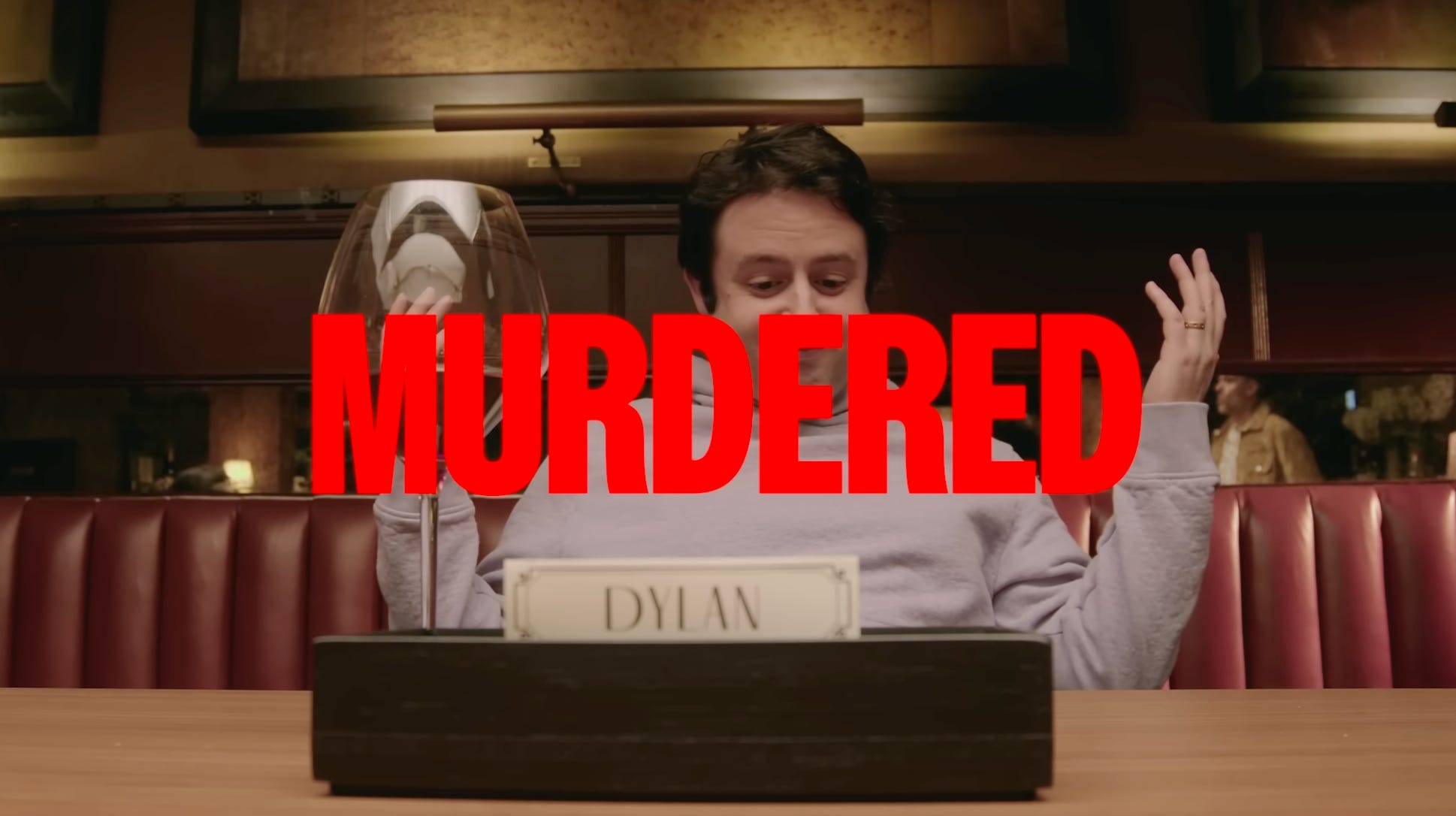
Field recently appeared on Founders Fund’s Mafia show, the game show created by the firm’s CMO Mike Solana where founders and investors play the social deduction game Mafia. It filmed at Tosca Cafe in San Francisco, the North Beach spot from the original PayPal Mafia photo, and the wider cast included Sam Altman, Palmer Luckey, Bryan Johnson, Moxie Marlinspike, Trae Stephens, & Cyan Banister.
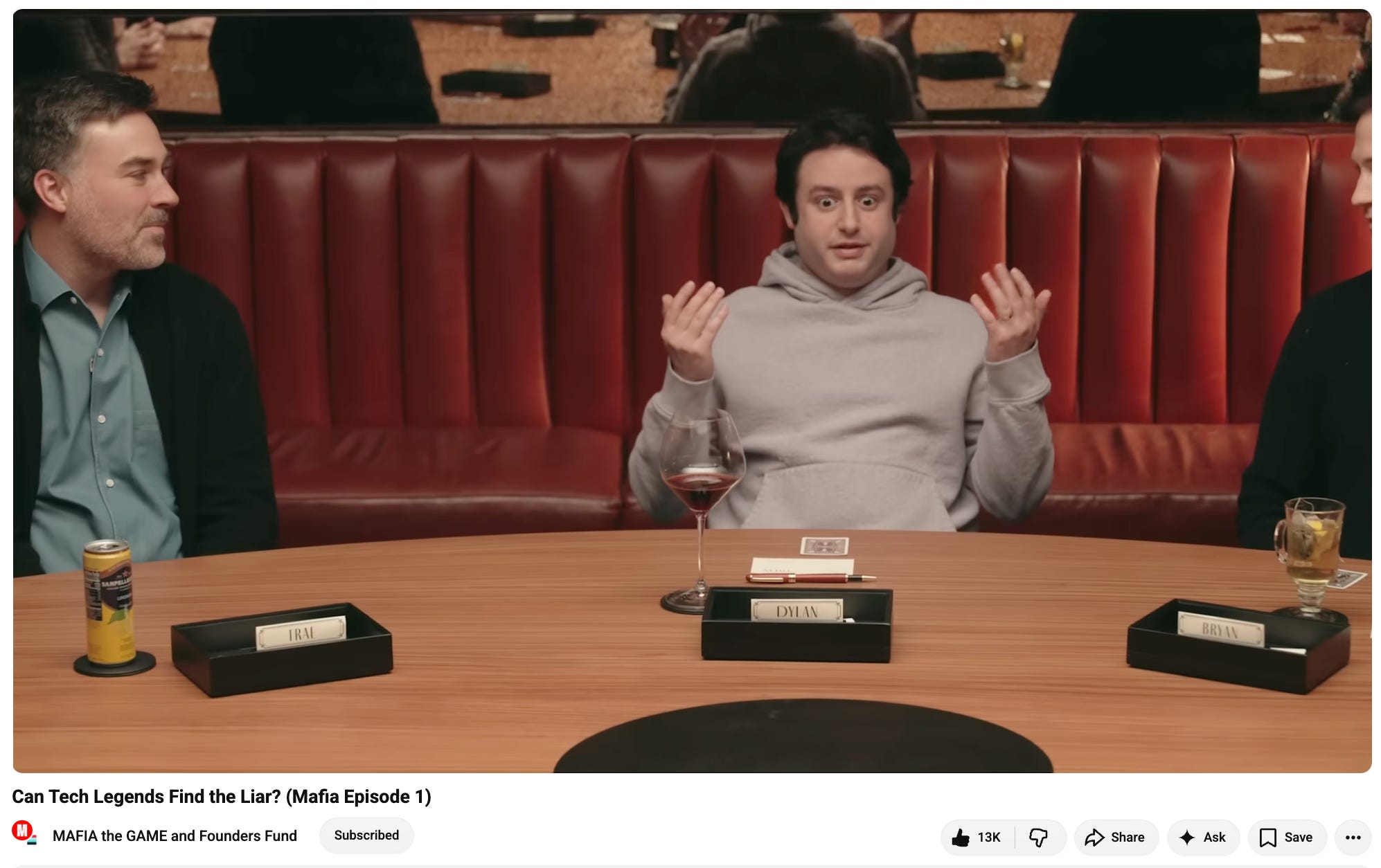
Field did not do well, and he was upfront about it. “Game one where I was killed by the mafia the first night,” and in game three he “got killed by the village first night.”
He said Palmer Luckey was the standout because he gave nothing away. “He was just the same energy throughout.” He also said he mostly prefers to moderate now, because winning and losing both feel bad. “I figured out that it was a lose-lose.” As for what the game teaches, he was blunt. “There’s not much to learn about human psychology from Mafia,” but beyond that “people’s attention spans are short.”

What the Thiel Fellowship Gave Him
Field was part of the Thiel Fellowship, the program Peter Thiel started that pays young people to skip or leave college and build something, with the early days run by Danielle Strachman, now of 1517 Fund. Field joined in 2012. When I asked what he got out of it, he said the money was not the main thing. “100K over two years, amazing, but the community was just even more special,” and called the learning from that group “off the charts.”

The reason was simple. “It’s just so lonely to start a company when you’re younger.” He talked about interning at Flipboard where his coworkers were great but a decade older.. having a group of peers to see each week mattered more than he expected.
The class itself is a good argument for that point. Field’s 2012 cohort, around 20 people, included Chris Olah, who went on to co-found Anthropic, the AI company most recently valued at $965 billion in its May 2026 funding round. It also included Noor Siddiqui, who founded the genetic-testing startup Orchid, which has raised about $16.5 million to date. Field built Figma out of the same group.
Who Taught Him, & Why He Stays Curious
Field said he has learned from people all over, including mentors from before Figma at O’Reilly, LinkedIn, and Microsoft Research, his board, and his own employees. Some of them do not even know it. “There are people that have mentored me & have no idea.. They’re voices in my head.”
He singled out Figma’s first manager hire, Sho, as director of engineering. “He really taught me management. I didn’t know anything. I was an intern before Figma.” But also surprisingly Figma’s customers.. “We are very lucky as a design company to have designers as users and customers because they are trained to give good feedback.”
When I asked why he stays so curious about everything, he kept it simple.
“I just think the world is amazing.”
→ Listen on X, Spotify, YouTube, Apple
The material presented on Molly O’Shea’s website are my opinions only and are provided for informational purposes and should not be construed as investment advice. It is not a recommendation of, or an offer to sell or solicitation of an offer to buy, any particular security, strategy, or investment product. Any analysis or discussion of investments, sectors or the market generally are based on current information, including from public sources, that I consider reliable, but I do not represent that any research or the information provided is accurate or complete, and it should not be relied on as such. My views and opinions expressed in any website content are current at the time of publication and are subject to change. Past performance is not indicative of future results.
Paid Endorsement. Brokerage services by Open to the Public Investing Inc, member FINRA & SIPC. Advisory services by Public Advisors LLC, SEC-registered adviser. Crypto trading provided by Zero Hash LLC, licensed by the NYSDFS. Generated Assets is an interactive analysis tool by Public Advisors. Output is for informational purposes only and is not an investment recommendation or advice. See disclosures at public.com/disclosures/ga. Matched funds must remain in your account for at least 5 years. Match rate and other terms are subject to change at any time.