


Why Impulse Raised $500M to ‘Move Things in Space’
Eric Romo, President & COO of Impulse Space, joins Sourcery on the company’s manufacturing floor in Redondo Beach to break down the freshly closed $500M Series D co-led by 137 Ventures and BANNER VC that pushes Impulse past $1 billion raised.
→ Listen on X, Spotify, YouTube, Apple
We get into what the capital actually unlocks (hiring and production, not flashy CapEx), why “space tug” doesn’t cut it for Mira, and how a single successful flight spurred demand from across the industry. Eric explains Impulse’s three products — Mira, Helios, Caravan — and makes the case for staged access to GEO against traditional options.
He also gets candid: reality on orbital debris cleanup, why Impulse is “closer to a fighter jet than a tugboat,” and the hard lesson from his SpaceX days (he was employee #13; CEO Tom Mueller was #1) that made in-housing manufacturing non-negotiable.
𝐓𝐈𝐌𝐄𝐒𝐓𝐀𝐌𝐏𝐒
(00:00) Eric Romo, President & COO at Impulse Space
(00:58) Fueling the next phase with a $500M Series D
(04:30) Crossing the $1B funding mark
(06:00) The freedom to execute
(07:09) Why startups die from indigestion
(08:30) Building beyond SpaceX
(13:32) How defense became the real opportunity
(16:19) Impulse’s product stack: Mira, Helios & Caravan
(23:43) The economics of urgency
(26:23) "Closer to a fighter jet than a tugboat"
(30:40) The new era of space defense
(37:33) The SpaceX DNA at Impulse
(38:27) The biggest lesson from SpaceX
(44:23) Hiring world class engineers
(45:38) If not COO, then what?
(46:43) The road to first Helios launch
Brought to you by:
Brex—The intelligent finance platform: cards, expenses, travel, bill pay, banking—wrapped into a high-performance stack. Built for scale. Trusted by teams that move fast. visit → brex.com/sourcery

Turing—Turing partners with frontier AI labs to improve model capabilities in coding, reasoning, tool use, & multimodality, as well as with Fortune 500 enterprises to build & deploy end-to-end agentic AI systems in mission-critical workflows Visit: turing.com/sourcery
VCX—VCX is the public ticker for private tech, allowing investors of all sizes to invest in venture capital. View The Portfolio at GetVCX.com
Deel—Deel is the global people platform that helps startups hire, manage, pay, and equip anyone, anywhere. Trusted by more than 35,000 fast-growing companies, Deel is the people platform that just works, so teams can scale without the chaos. Visit: deel.com/sourcery
Public-–Investing platform Public just launched Generated Assets, which lets you turn any idea into an investable index with AI. With Generated Assets, you can build, backtest, refine, and invest in any thesis with AI. Gone are the days of one-size-fits-all ETFs. Try it today: public.com/sourcery
Merge—The leading provider of customer-facing integrations and agentic tools for frontier LLMs, Fortune 500 organizations, and B2B SaaS companies. Visit: https://merge.dev
Impulse Space Series D: An Investor Briefing
Impulse Space has raised $500 million in Series D funding, bringing its total capital raised to over $1 billion. The following briefing shares the founding story, the round, the investors behind it, the product portfolio, the markets and customers it serves, and the company’s stated plans for the capital.
→ Listen on X, Spotify, YouTube, Apple
The Founding Story
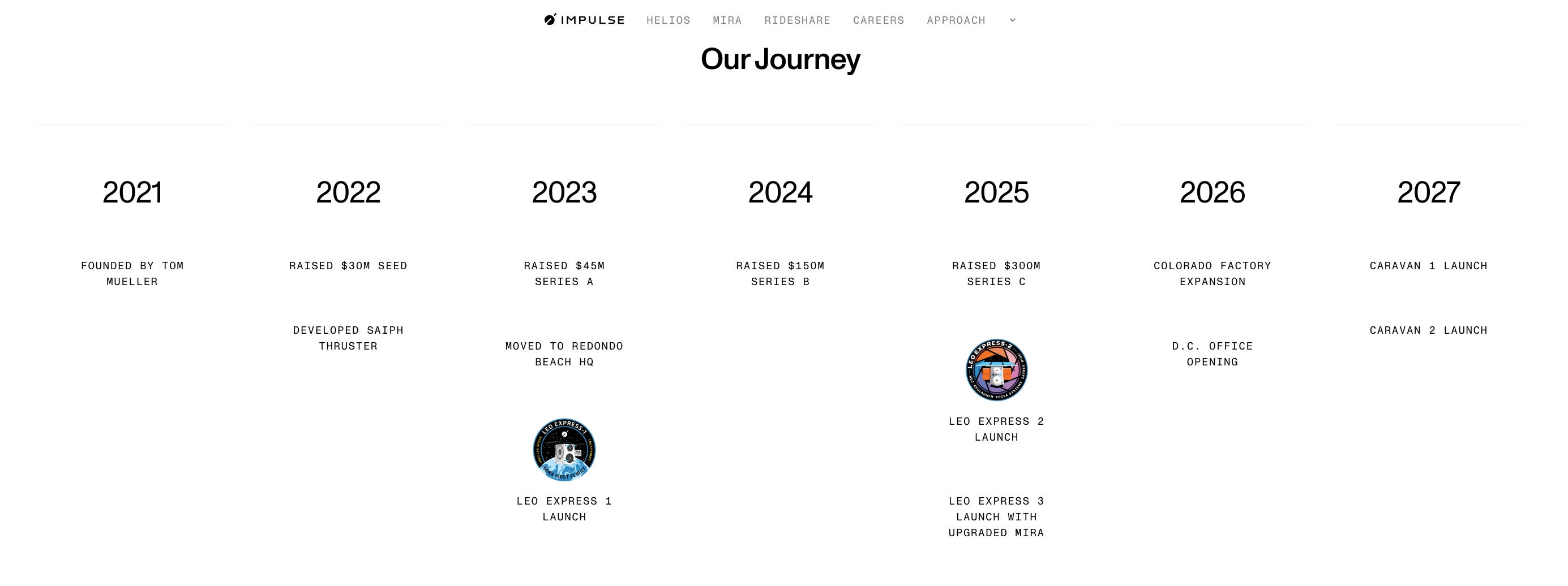
Impulse traces back to Tom Mueller’s garage. After nearly two decades at SpaceX leading propulsion, Mueller tried to retire, and, in Romo’s telling, “found himself nights and weekends building rocket engines in his garage.” People he knew well pushed him toward the obvious conclusion: “Hey, look, you’re doing this anyway. Why don’t you have a company around this work?” When you’re Tom Mueller, capitalizing that company is not the hard part. As Romo put it, “When you’re Tom, you know, when you start a company, you can just kinda raise your hand and people then send checks your way.”
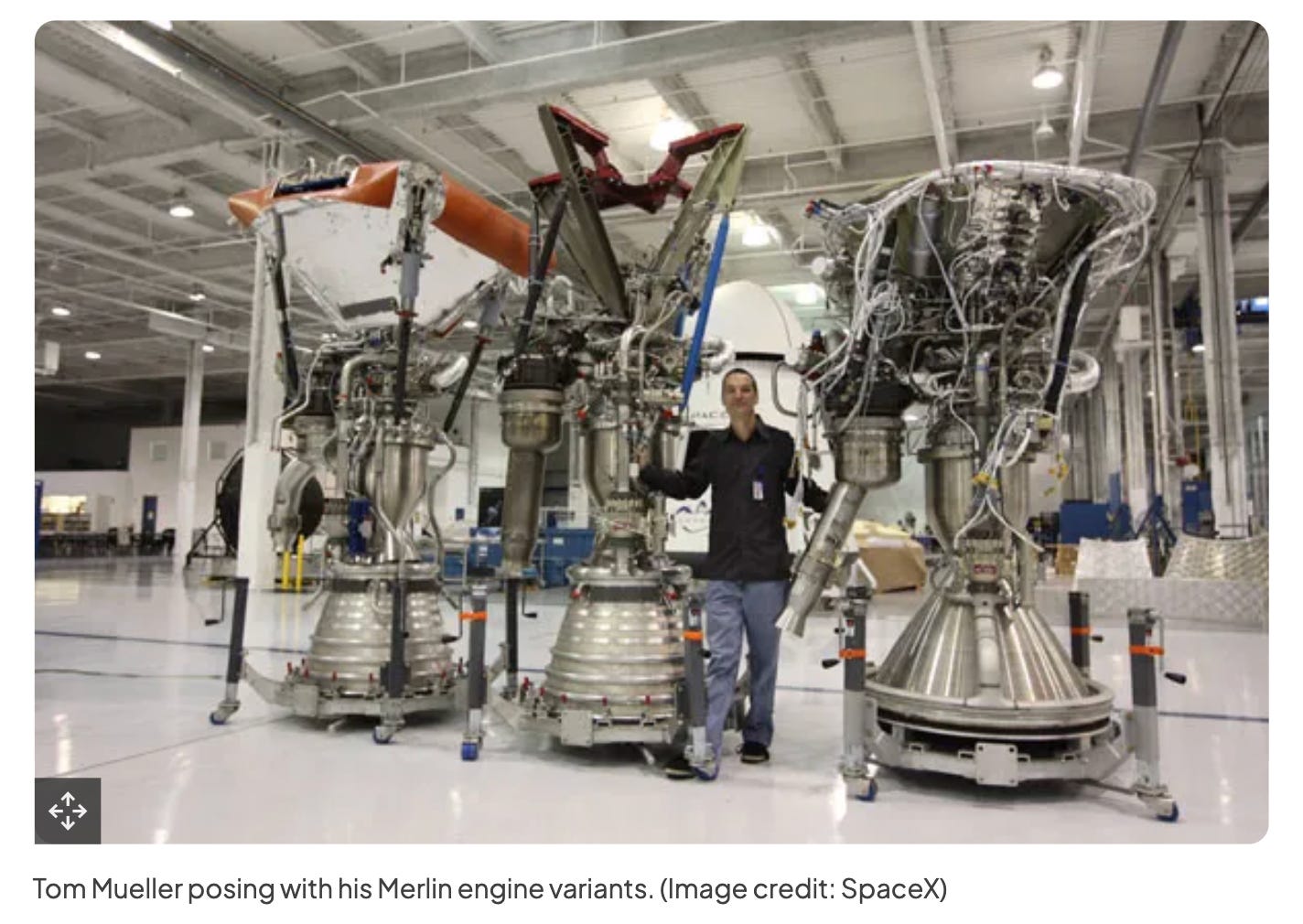
That reputation did more than raise money. It pulled in best-in-class technical talent quickly, people Mueller had worked with before, leaving the company well-capitalized and deeply technical almost from day one. Romo himself was the 13th employee at SpaceX; Mueller was, per the payroll system, “employee 001.” The lineage matters because engines are the hard part of any rocket company. “The engines are the thing that fail,” Romo said. “They’re the thing that’s the hardest to build. They’re the thing that’s always the critical path in the schedule.”
The early open question was simply what to build.
Impulse developed the Mira spacecraft on a striking timeline, going “from not existing to being built and ready to fly in about 14 months,” and that first flight set everything that followed in motion.

The Round
The $500 million Series D was co-led by 137 Ventures and BANNER VC. The round was oversubscribed from existing shareholders alone, and Impulse entered the raise from a position of strength rather than need. As Romo described it, “there was no kinda forcing function. You know, it wasn’t sense of urgency or anything around it.”
Romo frames the raise as a higher bar rather than a finish line. “I think some people maybe think that they’re putting numbers up on a scoreboard, and they should be excited about that... That just means the bar just got higher for us, right?” With over a billion dollars now raised, the obligation, in his framing, is to build a business big enough to return it and then some.
The round closed quickly relative to past raises, which Romo attributed to investor demand. He called it “one of the quicker ones I think I’ve ever done just because there was so much interest in the company.”
The Investors
The round was co-led by 137 Ventures and BANNER VC. 137 Ventures, Managing Partner Justin Fishner-Wolfson, was a prior shareholder that stepped up to lead. “Tom helped transform access to space at SpaceX, and now he’s tackling the industry’s next major challenge: in-space mobility,” Fishner-Wolfson said. “Mobility in space is strategic and will define the next phase of the space economy, and Impulse is building the infrastructure to make that possible.”
BANNER VC, Managing Partner Adam Ramada, came in as a new investor on the round. “As activity in orbit increases, in-space mobility becomes foundational,” Ramada said. “Impulse is building the infrastructure that enables the next layer of growth for the space economy.”
Additional participating investors include Founder’s Fund, Lux Capital, and Linse Capital.

Market Growth: $17 Billion → $71 Billion
The thesis behind the round is that mobility after launch is becoming a distinct layer of space infrastructure. Over the past decade launch has grown cheaper and more frequent, but once in orbit, spacecraft have remained constrained, locked into a single orbit or facing slow, expensive transfers. Impulse positions itself as the company building the vehicles and propulsion to move spacecraft after launch.
On the commercial side, the near-term market is geosynchronous communications. Romo described GEO comms as split between low-Earth-orbit players like Starlink and “traditional legacy comms operators” out in geosynchronous orbit, roughly “100 times further away than LEO.” He noted the GEO commsat market “kind of flattened out in the last 10 years,” and part of Impulse’s bet is that better economics for operators can help it grow again.
A second commercial trend is the shift toward smaller, cheaper GEO satellites, a change Romo half-jokingly called the “consumer electronics-ation of GEO spacecraft.” Those smaller spacecraft have historically had poor options for reaching GEO, which is the gap Impulse’s rideshare program targets.
On the defense side, the market is expanding quickly. Space Force’s budget request has grown from $17 billion a few years ago to $71 billion, driven in part by the need to defend assets in higher orbits as more nations gain consistent access to space.
Product: Mira
Mira is Impulse’s precision-maneuvering spacecraft, built and flown in roughly 14 months and now flying multiple missions, executing record-setting orbit changes and autonomous rendezvous and proximity operations (RPO). Its propulsion comes from the company’s Saiph engine.
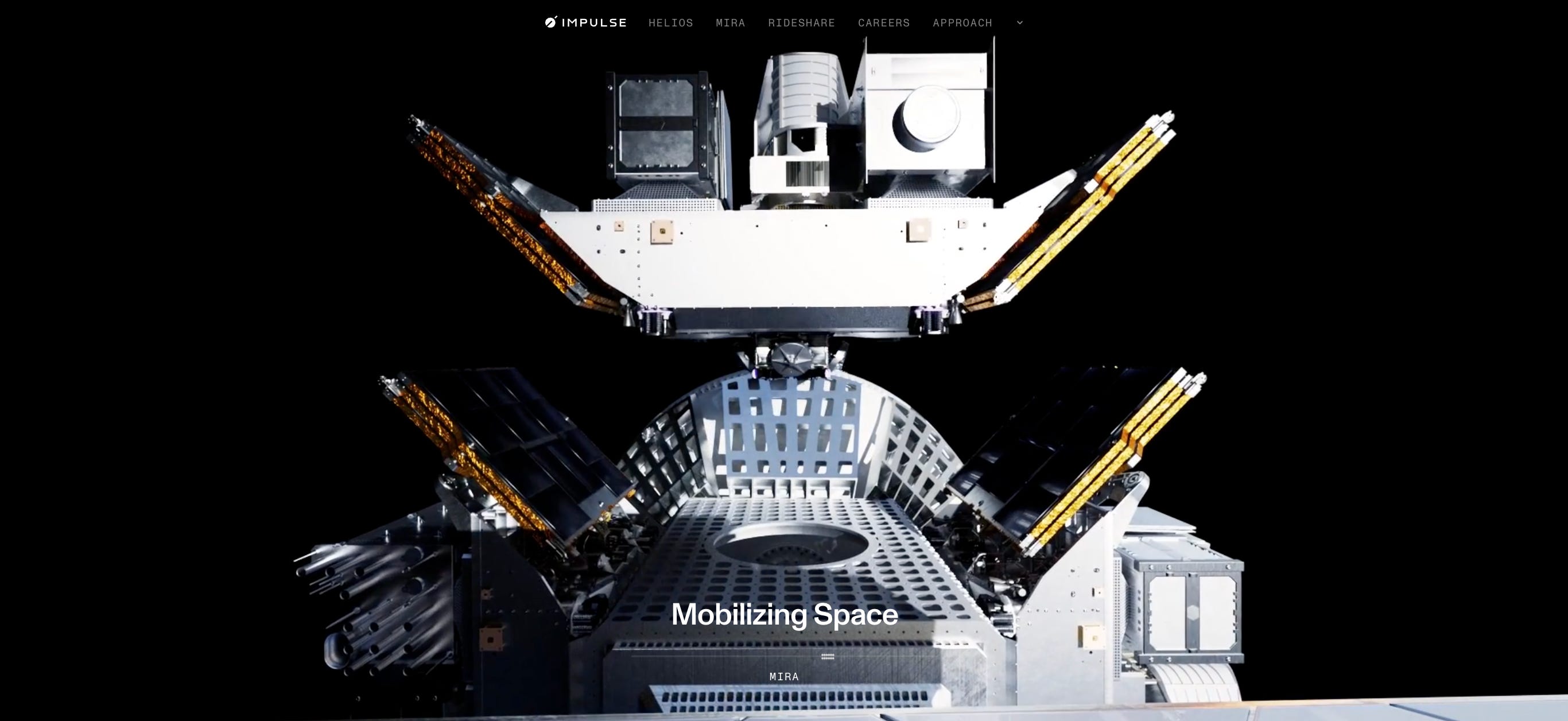
Mira began with a different thesis. The original idea was a commercial orbital-transfer vehicle, a “space tug” for low Earth orbit, but the economics never worked: a small market, thin margins, and heavy working-capital demands. In Romo’s words, “it just didn’t really pencil.” Everything changed after Mira’s first flight, with the spacecraft demonstrating its ability to precisely maneuver, host and deploy payloads, and re-task on orbit. Conversations with the Space Force sharpened almost overnight, moving from vague possibility to a specific, mutual plan, and the program pivoted toward defense.
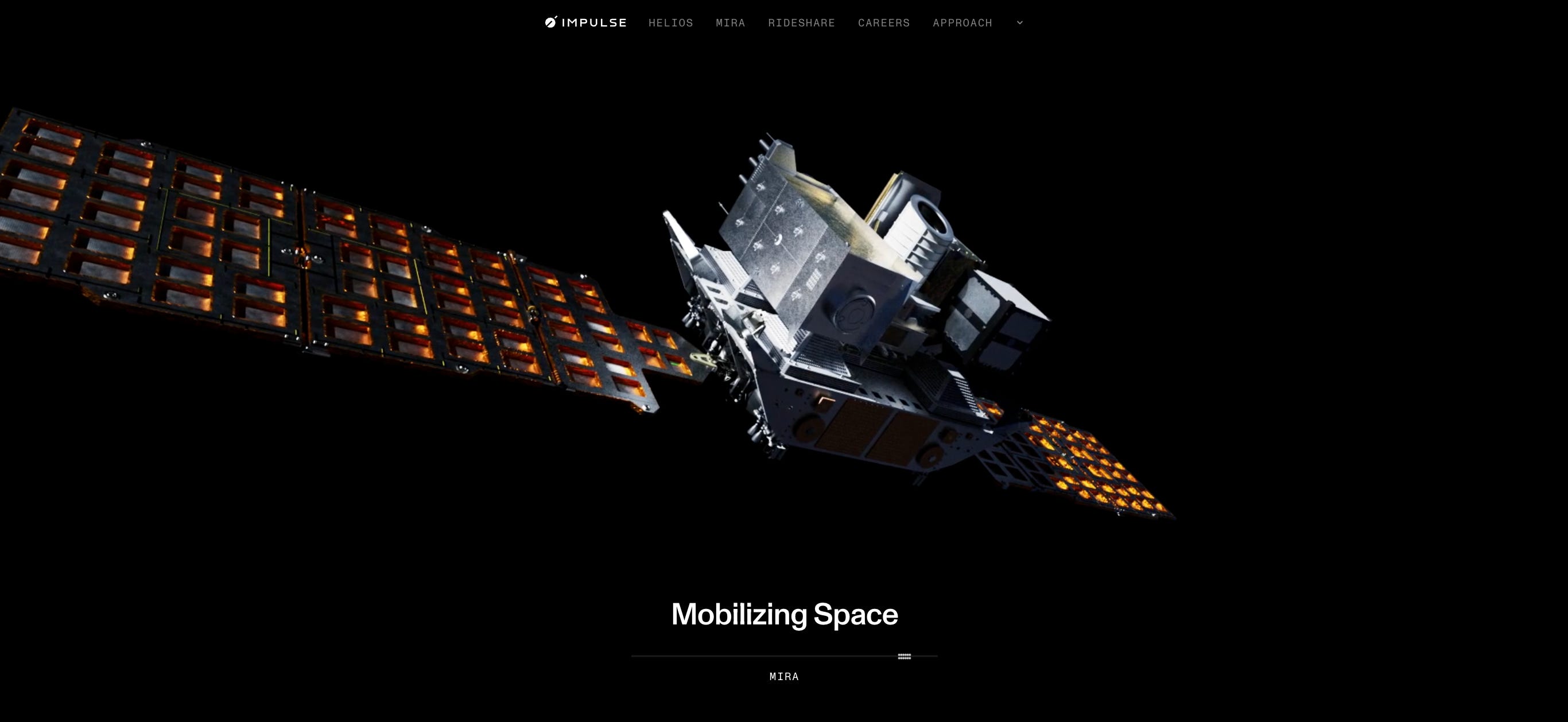
Romo is direct that the resulting product is not the tugboat people once imagined. “The product market fit for Mira, for a high thrust, high delta V space vehicle, is it’s closer to a fighter jet than a tugboat,” he said. The mission profile centers on moving rapidly across geosynchronous orbit to get close to and characterize foreign spacecraft, work that is hard from the ground, where an object in GEO can appear as “literally one pixel. It’s a dot.” Impulse is now scaling Mira production to roughly one per month.

Product: Helios
Helios is a high-energy kick stage, effectively a third stage for medium launch vehicles, which Romo sized as “roughly the same size as like the second stage of Falcon 1.” It is powered by the Deneb engine and is scheduled for first flight in 2027.
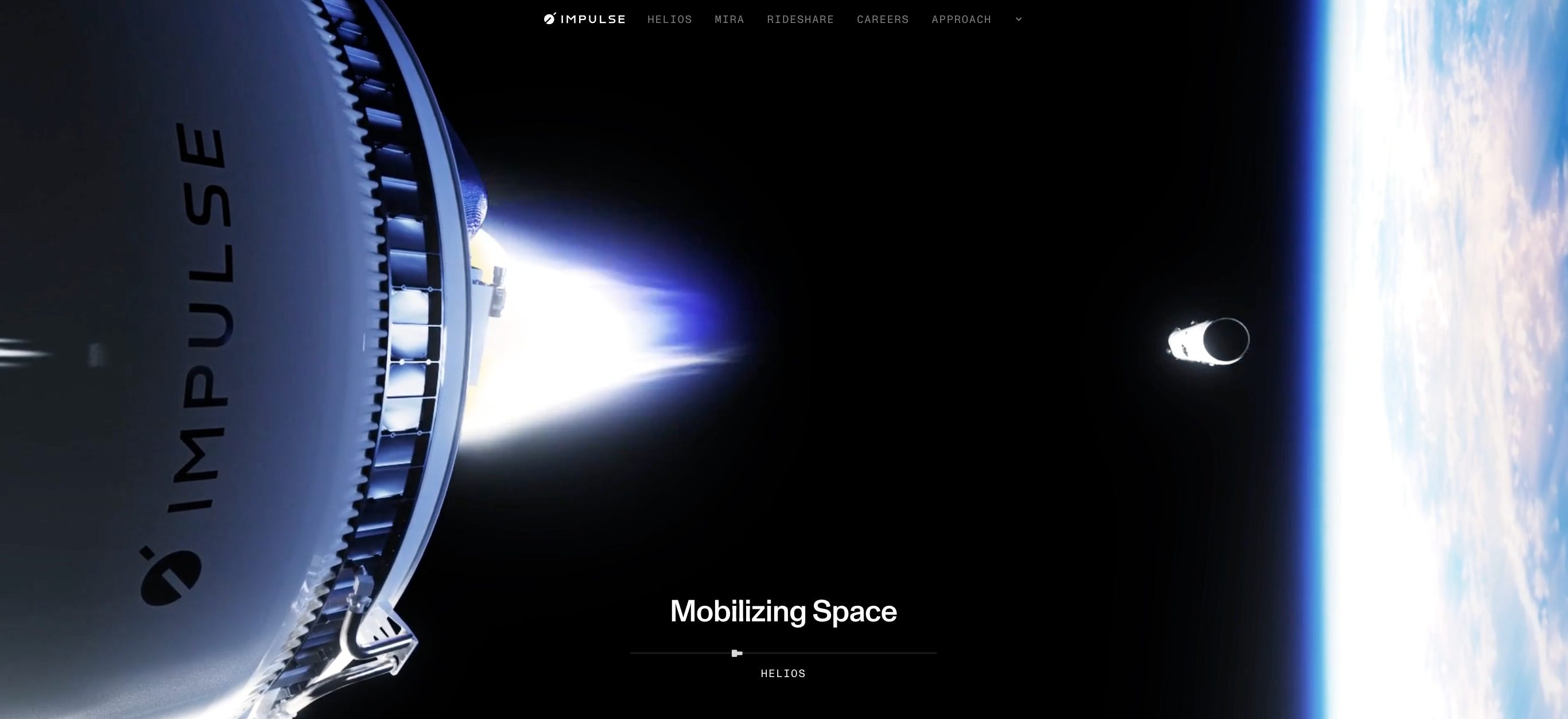
Helios solves two problems: time and money. A typical geostationary satellite launches into a transfer orbit and takes “somewhere between six and ten months to finally reach their destination,” earning no revenue and burning $4 to $6 million in fuel along the way. The fast alternative, Falcon Heavy, is expensive and flown infrequently in the commercial market. Helios aims to deliver payloads directly to GEO roughly eight hours after launch, at a price below Falcon Heavy.
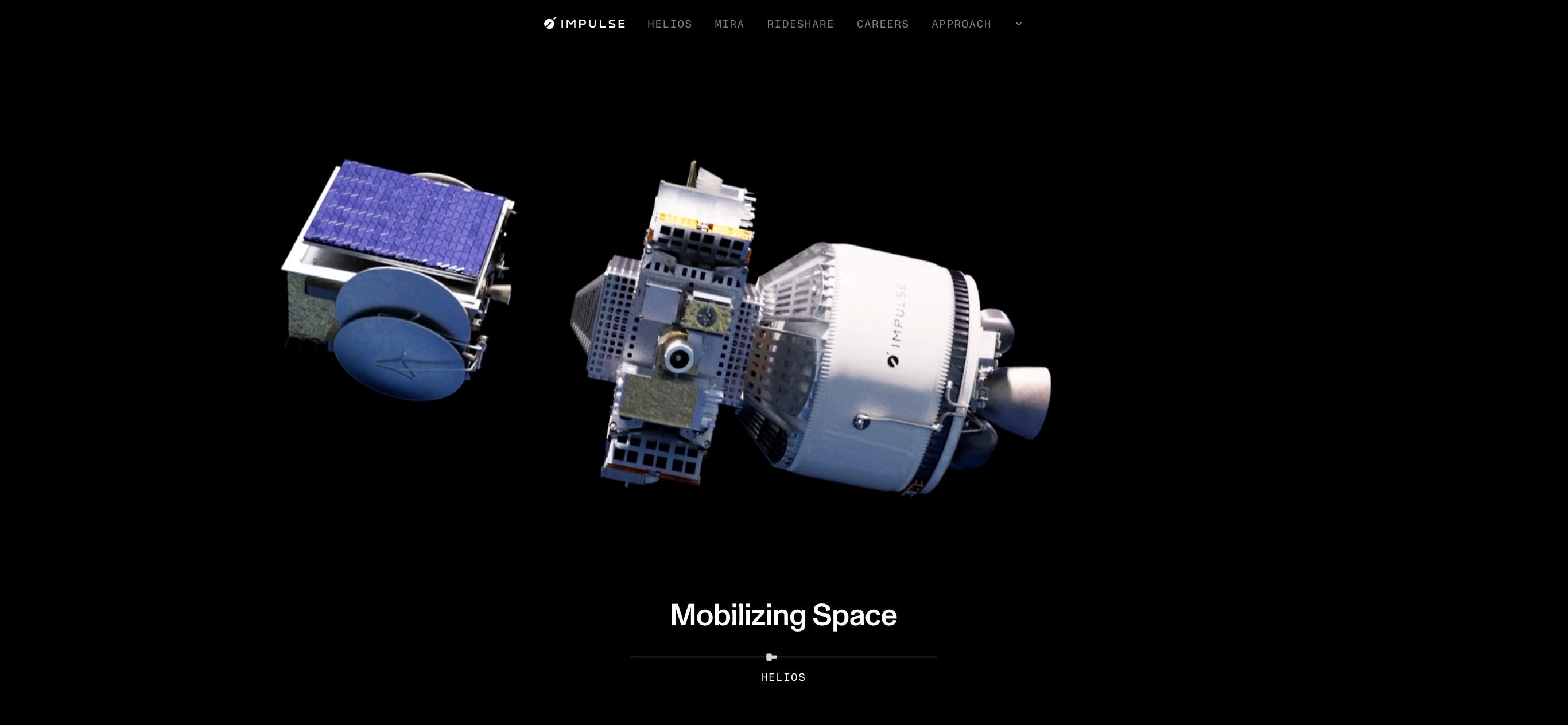
The value proposition is straightforward for customers, who weigh time saved (often tens of millions of dollars per flight) against hard costs avoided ($5 to $10 million). There is also a design effect: if operators can assume Helios will be available, they can build lighter spacecraft, and Romo noted those savings alone “actually could come close to paying for the ride on Helios.” The product is sold as a service that “looks an awful lot like a launch contract.”
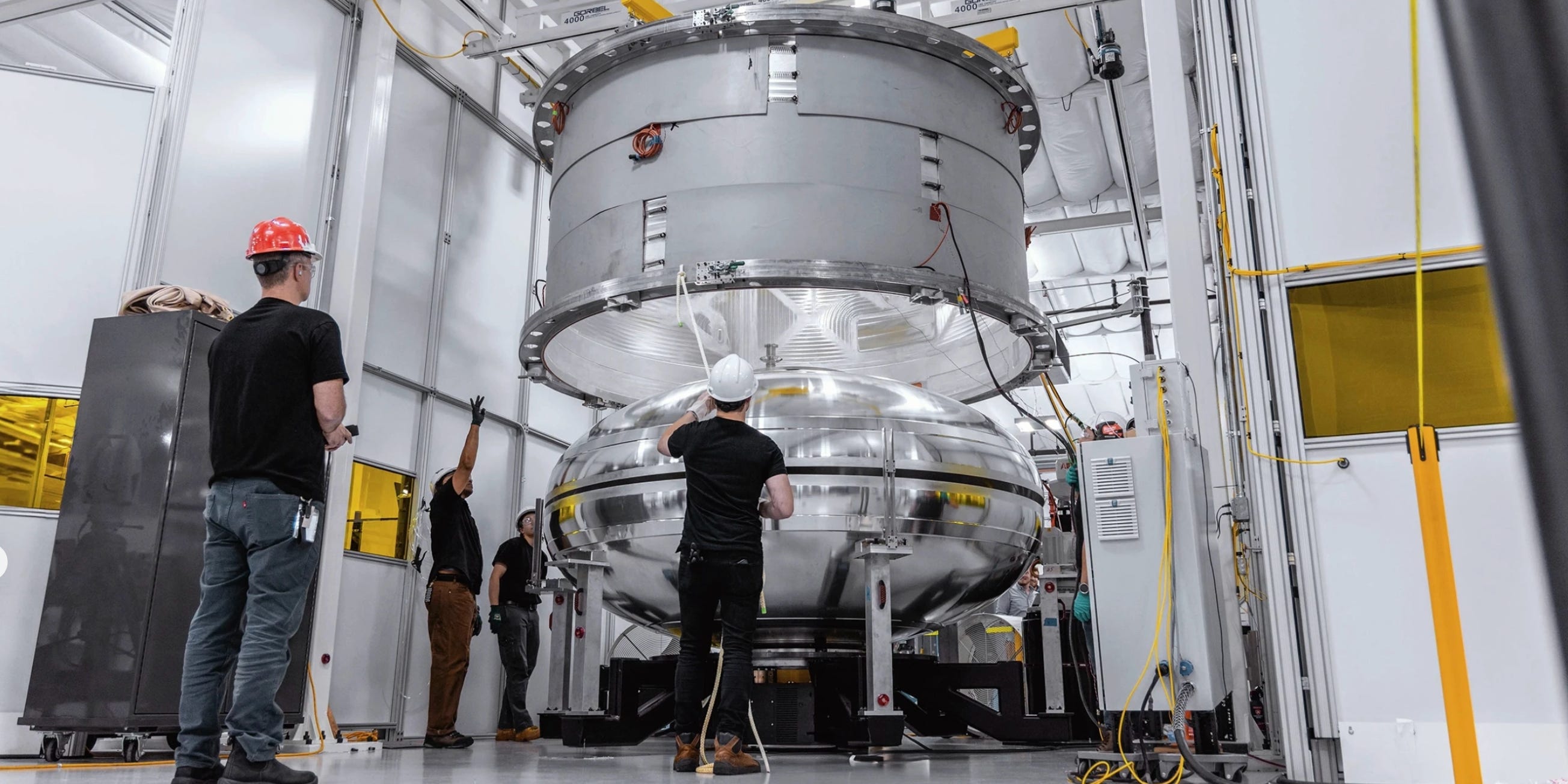
Product: Caravan
Caravan is Impulse’s rideshare program, designed to lower the cost of reaching higher-energy orbits such as GEO. Romo’s analogy: it’s “kind of, you know, SpaceX transporter but for GEO.” Rather than dedicating a flight to one spacecraft, Caravan groups several together, “four, five, seven of them together on the same ride.”
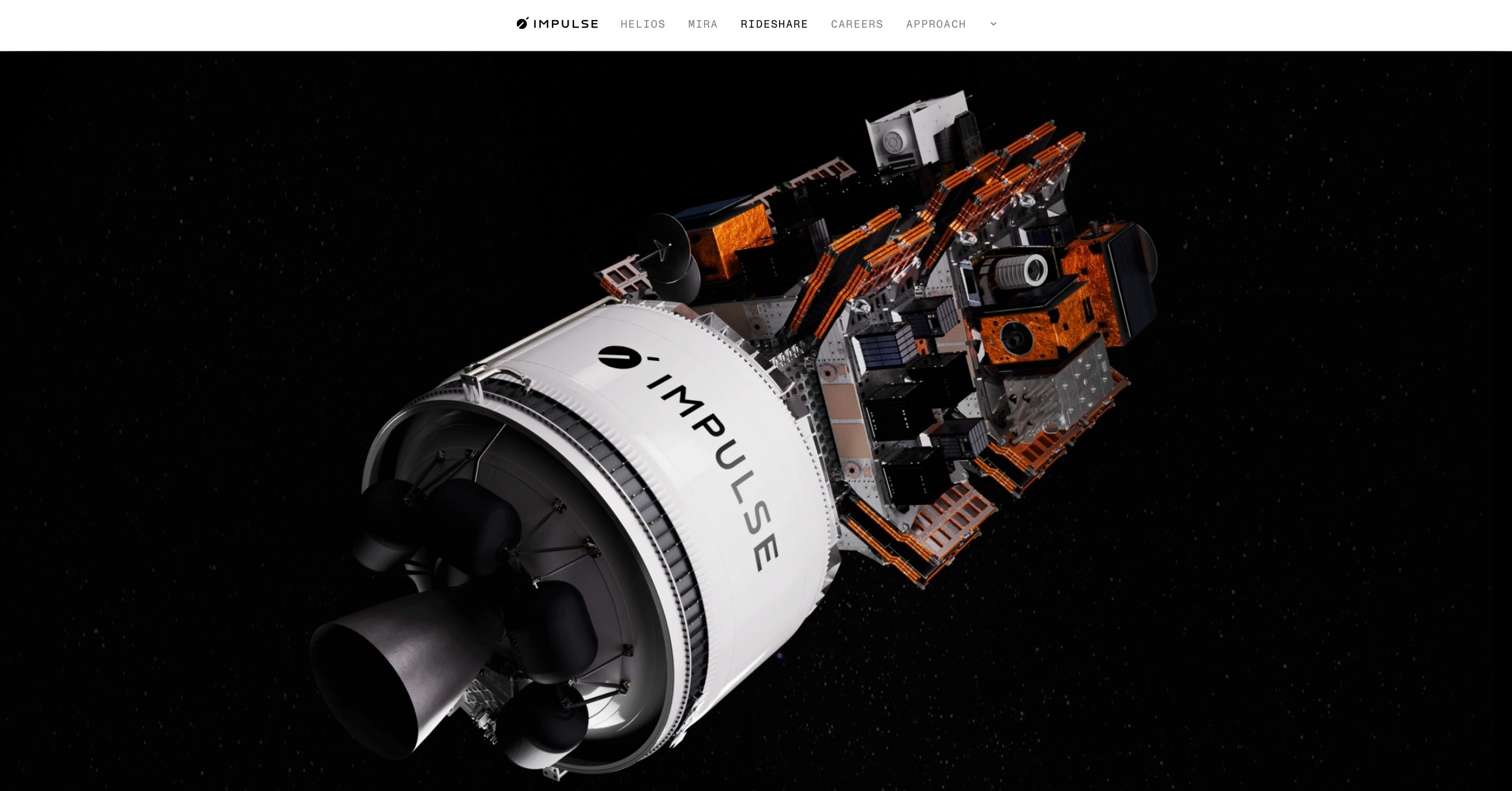
The program targets the small-satellite gap in GEO. Those spacecraft struggle to make slow electric-propulsion transfers work and have had almost no direct-access options; Romo noted there had been “one example in the last two and a half or three years” of small spacecraft hitching a direct ride to GEO.
Demand has run ahead of expectations. “More demand than we expected in that marketplace,” Romo said, with a couple of flights planned around the offering in 2028. As with Helios, availability changes customer design decisions: if operators can count on a rideshare to GEO, “they can go smaller and smaller GEO.”

The Propulsion Family
Underpinning the spacecraft is a family of engines, each tuned to a different mission profile and named for stars. Saiph handles precision maneuvering and orbital repositioning, the work behind Mira. Deneb is the high-energy, long-distance engine that powers Helios. Rigel is built for throttleable applications such as landers and responsive maneuvers.
Propulsion is the company’s technical foundation, the discipline Mueller built his career on and the reason Impulse could move as fast as it has. With several additional spacecraft and propulsion systems in development, the engine family is designed to support missions across both commercial and defense programs.
A defining principle carried over from SpaceX shapes how all of this gets built: in-housing. Romo’s takeaway from the early years was that iteration speed depends on building components internally rather than waiting on outside vendors. “If you wanna move quickly, you absolutely must insource a lot of the development. You must build your own components.” The company pairs that with single-point accountability, what Romo called a “responsible engineering” mindset, telling people, in effect, “You are gonna own this.”

Use of Proceeds
The funding is directed primarily at hiring and manufacturing capacity. Romo was clear this is a people story rather than a capital-equipment one: “people are by far and away the bas- expense of the company and that’s gonna continue.” He estimated 85 to 90% of the budget goes to technical staff.
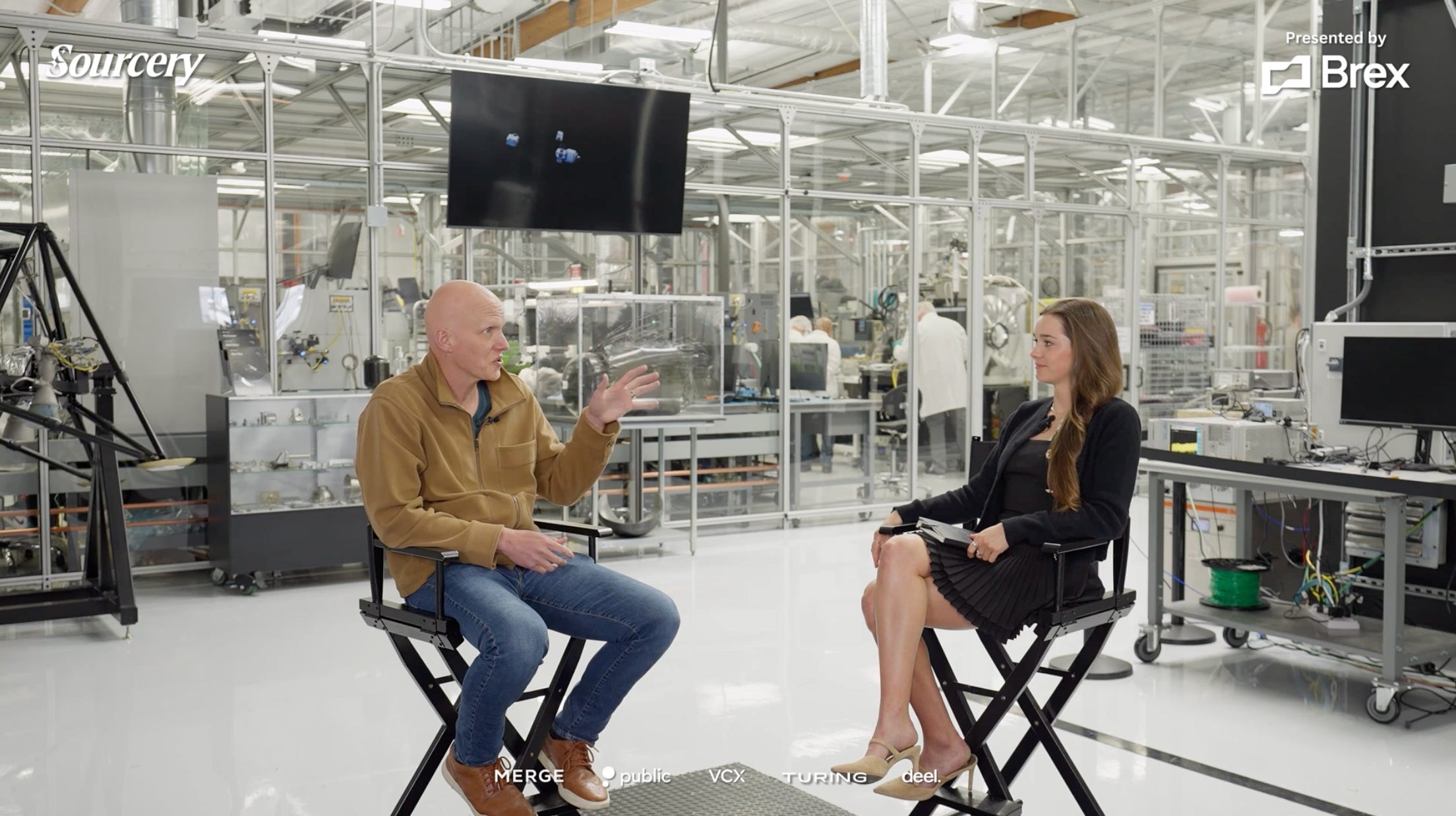
Impulse has more than doubled its headcount over the past year and is hiring across propulsion, avionics, autonomy, spacecraft systems, manufacturing, and mission operations, with over 200 open roles and more planned. The company now numbers around 500 people.
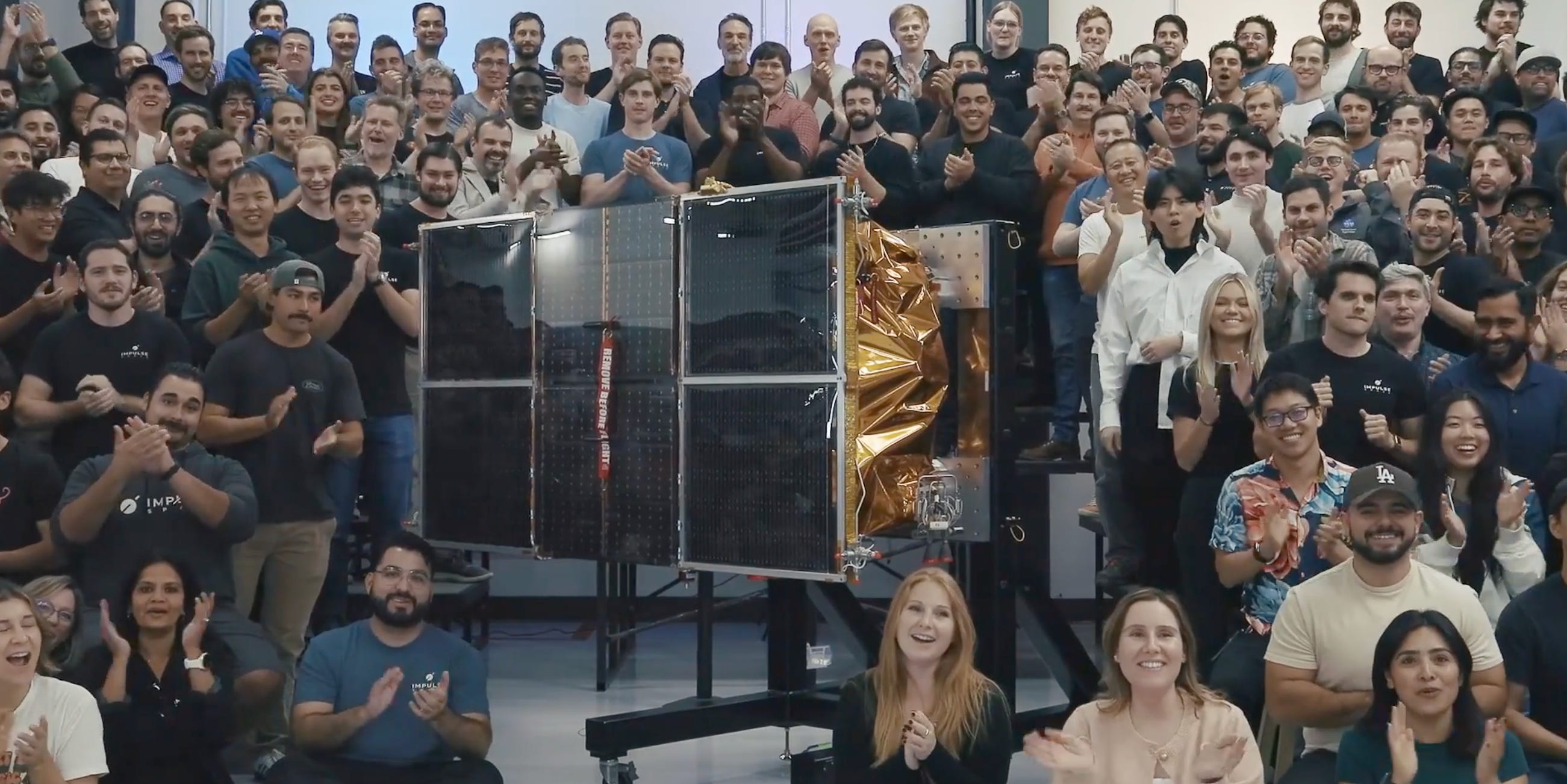
Its footprint spans facilities in Redondo Beach, CA; Boulder, CO; Washington, D.C.; and a growing test environment in Mojave, CA. As Romo summarized it, “This funding allows us to scale without compromising the quality and speed of execution that define Impulse. Demand for in-space mobility is exceptionally high, and we’re growing our team and production to address it head on.”
→ Listen on X, Spotify, YouTube, Apple
The material presented on Molly O’Shea’s website are my opinions only and are provided for informational purposes and should not be construed as investment advice. It is not a recommendation of, or an offer to sell or solicitation of an offer to buy, any particular security, strategy, or investment product. Any analysis or discussion of investments, sectors or the market generally are based on current information, including from public sources, that I consider reliable, but I do not represent that any research or the information provided is accurate or complete, and it should not be relied on as such. My views and opinions expressed in any website content are current at the time of publication and are subject to change. Past performance is not indicative of future results.
Paid Endorsement. Brokerage services by Open to the Public Investing Inc, member FINRA & SIPC. Advisory services by Public Advisors LLC, SEC-registered adviser. Crypto trading provided by Zero Hash LLC, licensed by the NYSDFS. Generated Assets is an interactive analysis tool by Public Advisors. Output is for informational purposes only and is not an investment recommendation or advice. See disclosures at public.com/disclosures/ga. Matched funds must remain in your account for at least 5 years. Match rate and other terms are subject to change at any time.