


Bending Spoons is Eating Silicon Valley
Bending Spoons (NASDAQ: BSP) is building one of the most aggressive acquisition machines in technology.
→ Listen on X, Spotify, YouTube, Apple
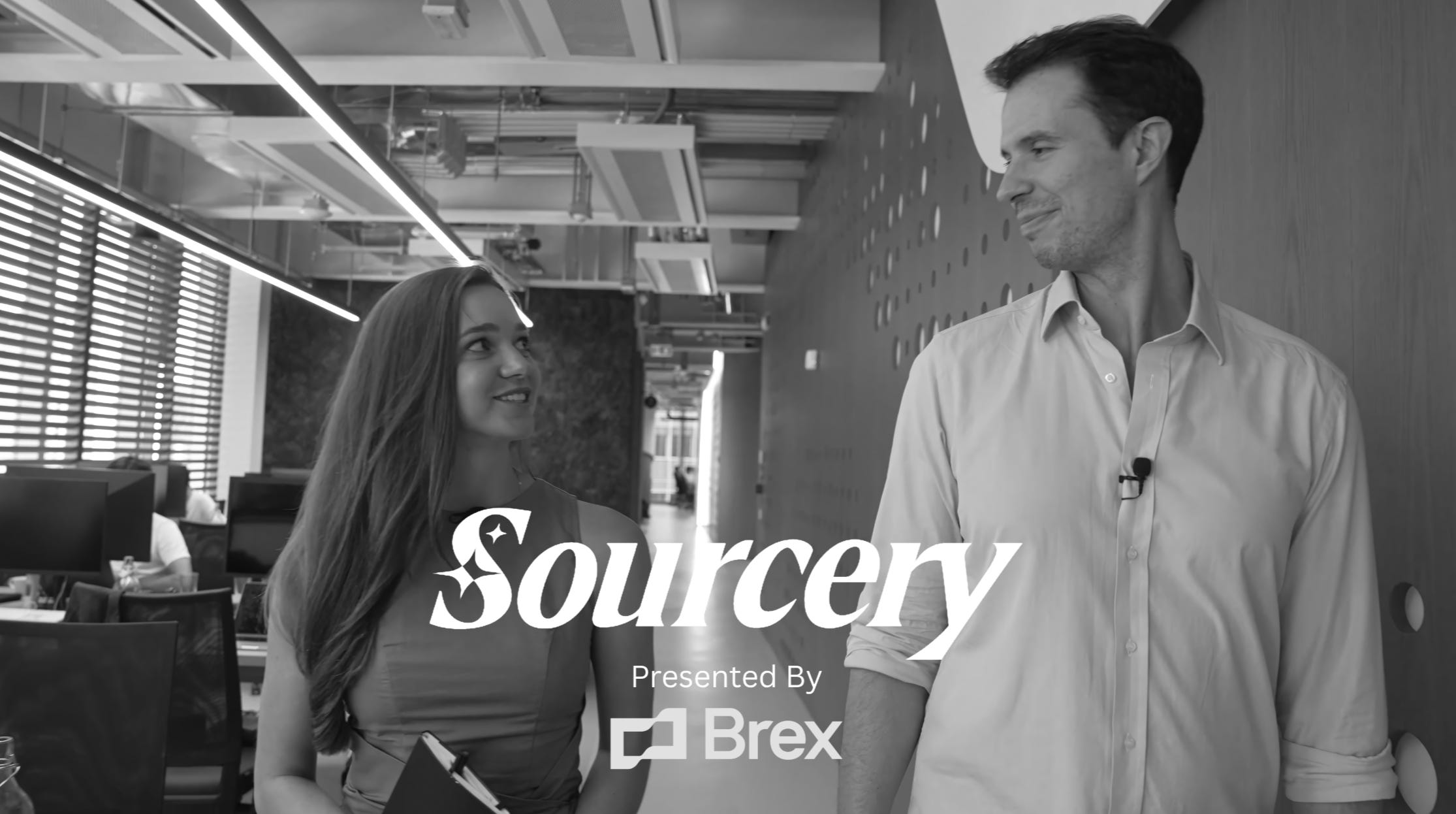
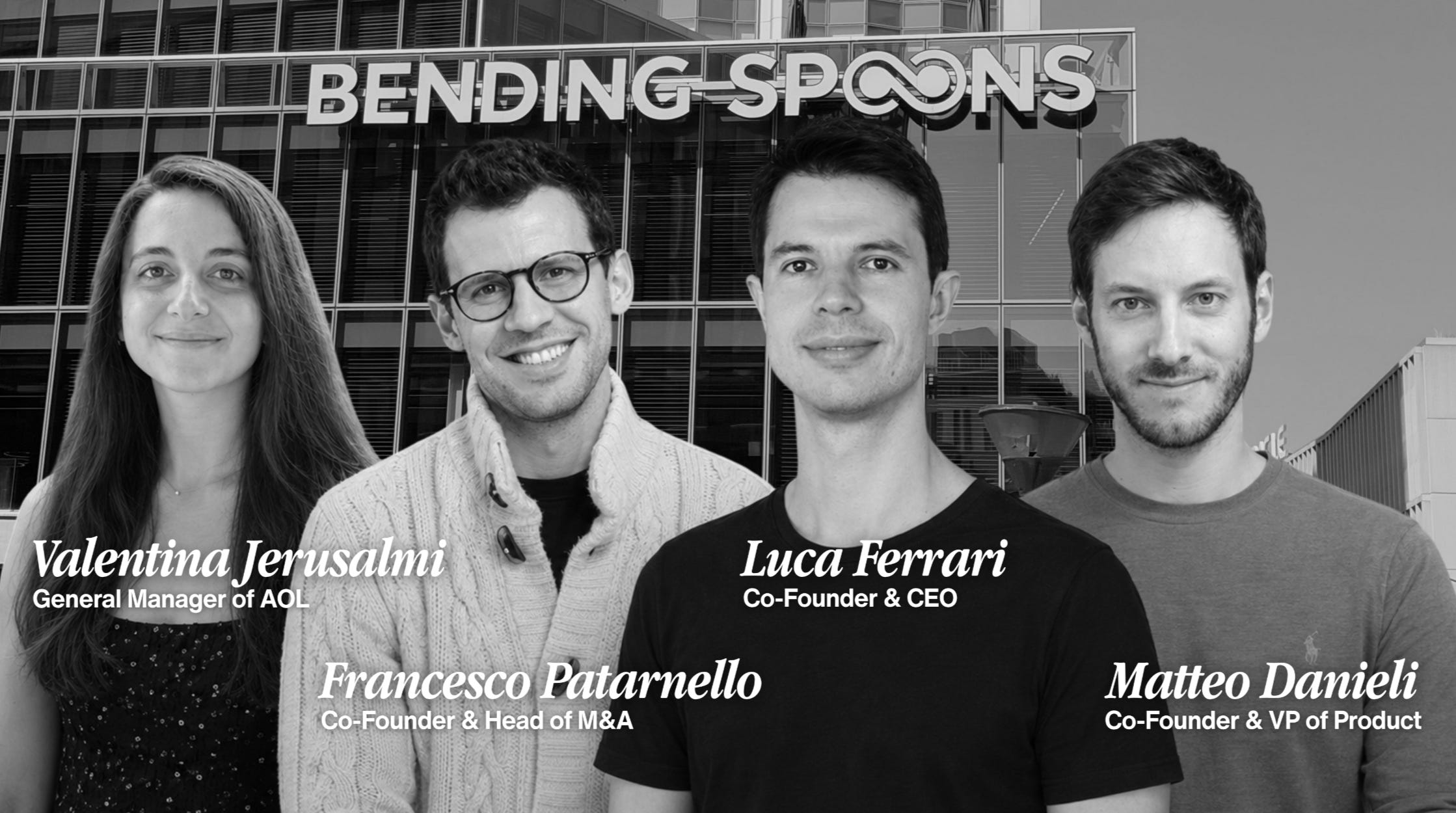
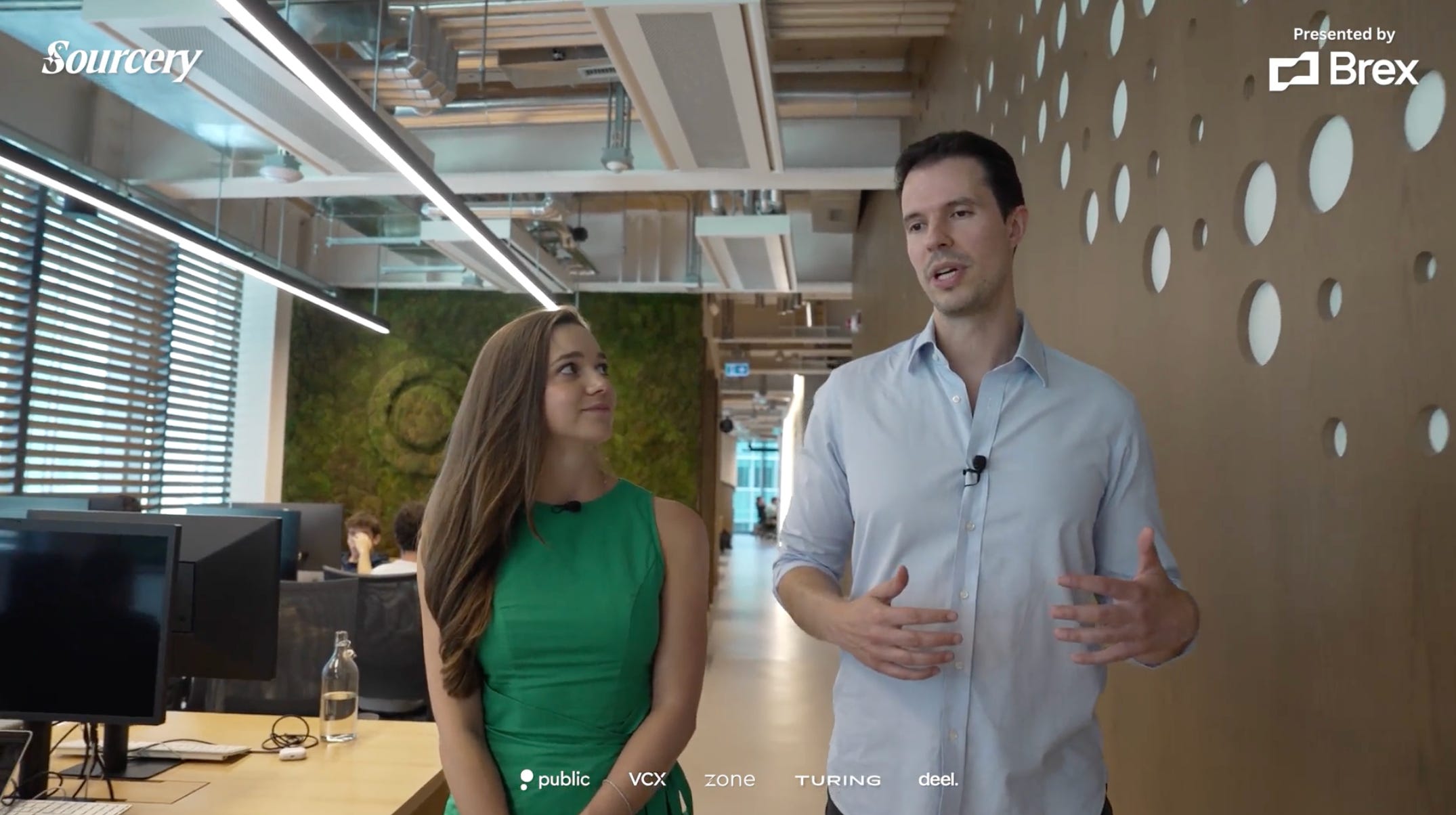
In this Sourcery special from Bending Spoons’ Milan, Italy headquarters, I sit down with 4 leaders behind the company:
› Luca Ferrari, Co-Founder & CEO
› Francesco Patarnello, Co-Founder & Head of M&A
› Matteo Danieli, Co-Founder & VP of Product
› Valentina Jerusalmi, General Manager of AOL
Bending Spoons has acquired some of the biggest brands in technology, including Airtable, AOL, Vimeo, Eventbrite, Tractive, Evernote, WeTransfer, Brightcove, Meetup, StreamYard and more. Since filming, the company has also entered into an agreement to acquire Miro for $1.355B in enterprise value.
We go inside the playbook behind the acquisitions.
Luca explains why price is ultimately the most important factor in winning deals, why Bending Spoons believes it can afford to pay more than competing buyers, and why the company has never sold a business it has acquired.
Francesco breaks down an M&A pipeline of roughly 1,000 potential targets, a goal of completing 5–10 acquisitions per year, the evolution from buying small apps to multibillion-dollar technology companies, and the acquisition that got away.
Matteo “Matt” explains Bending Spoons’ radical approach to meritocracy and “startup mode,” including his decision to step down as Chief Product Officer when he believed someone else could create more value in the role. We discuss talent density, extreme ownership, removing bureaucracy and why smaller teams can sometimes accomplish more.
Valentina “Vally” shares how she applied to Bending Spoons three times before getting hired, went from data analyst to managing more than 90 products, and ultimately volunteered to lead AOL. She takes us inside the process of separating AOL from Yahoo, rebuilding its technology infrastructure and bringing a startup mentality to one of the internet’s most iconic brands.
This is Part I of a II-Part Series, Full Sit-down Interview with CEO Luca Ferrari next..
𝐓𝐈𝐌𝐄𝐒𝐓𝐀𝐌𝐏𝐒
(00:00) Bending Spoons Co-Founders Luca Ferrari, Francesco, Matteo & GM of AOL Valentina
(01:11) The two traits that matter most
(03:16) The Biggest lesson from every acquisition (Airtable, AOL, Miro...)
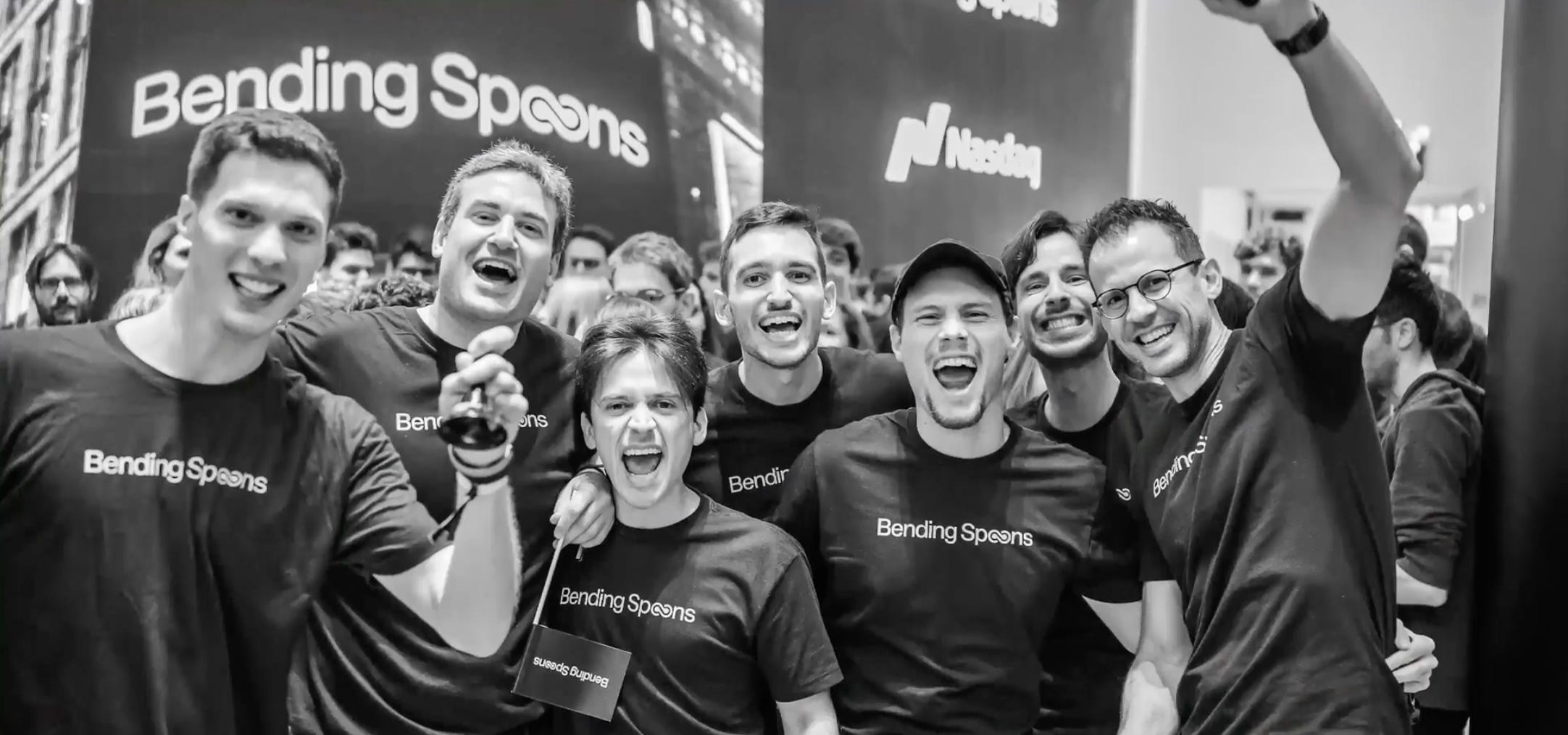
(05:37) Why the CEO didn't ring the Nasdaq bell
(07:37) The Acquisition that got away
(15:21) What makes a company worth buying
(18:27) Why Founders choose Bending Spoons
(21:30) Why Employees can cash out early
(28:44) Choosing to step aside as CPO
(40:10) What "Startup mode" actually means
(49:31) Why most product ideas fail
(51:25) The emotional story behind the IPO speech
(57:39) Betting on Bending Spoons early on
(1:01:00) The Mindset behind the rapid growth
(1:05:22) What actually happens during an acquisition
(1:09:44) Why they never ship without testing
(1:16:17) What's coming next for AOL
Brought to you by:
Brex—The intelligent finance platform: cards, expenses, travel, bill pay, banking—wrapped into a high-performance stack. Built for scale. Trusted by OpenAI, Anthropic, Vercel, Granola, Deepgram, & Sourcery.. teams that move fast AF. visit → brex.com/sourcery

Zone—develops next-generation data center campuses, partnering with AI companies, site developers and technology leaders to bring compute online faster and at scale. Visit: zonefrontier.com
Turing—Turing partners with frontier AI labs to improve model capabilities in coding, reasoning, tool use, & multimodality, as well as with Fortune 500 enterprises to build & deploy end-to-end agentic AI systems in mission-critical workflows Visit: turing.com/sourcery
VCX—VCX is the public ticker for private tech, allowing investors of all sizes to invest in venture capital. View The Portfolio at GetVCX.com
Deel—Deel is the global people platform that helps startups hire, manage, pay, and equip anyone, anywhere. Trusted by more than 35,000 fast-growing companies, Deel is the people platform that just works, so teams can scale without the chaos. Visit: deel.com/sourcery
Public-–Investing platform Public just launched Generated Assets, which lets you turn any idea into an investable index with AI. With Generated Assets, you can build, backtest, refine, and invest in any thesis with AI. Gone are the days of one-size-fits-all ETFs. Try it today: public.com/sourcery
How Bending Spoons Runs a 1,000-Target Acquisition Machine
Impossible, Maybe.
Bending Spoons is a Milan-based technology company that buys digital businesses, rebuilds them on a centralized proprietary platform, and holds them permanently. It has completed more than 50 acquisitions and has never sold a material business. The portfolio includes AOL, Airtable, Vimeo, Eventbrite, Evernote, WeTransfer, Brightcove, Tractive, Remini, komoot, Harvest, StreamYard and Meetup, serving more than 500 million monthly active users and over 9 million paying customers.
The company listed on the Nasdaq on July 1, 2026 at $29 a share under the ticker BSP, raising roughly $1.68B at an implied valuation of about $18.4B. Shares closed the first trading day at $40.50. It was bootstrapped for its first decade and took no outside primary equity until 2023.
Deal activity accelerated after the listing. Bending Spoons completed the acquisition of Airtable on September 4, 2026 at a $1.285B enterprise value (“EV”), and agreed to acquire Miro on September 10, 2026 at a $1.355B EV. That’s roughly $2.64B of enterprise value in 5 weeks.
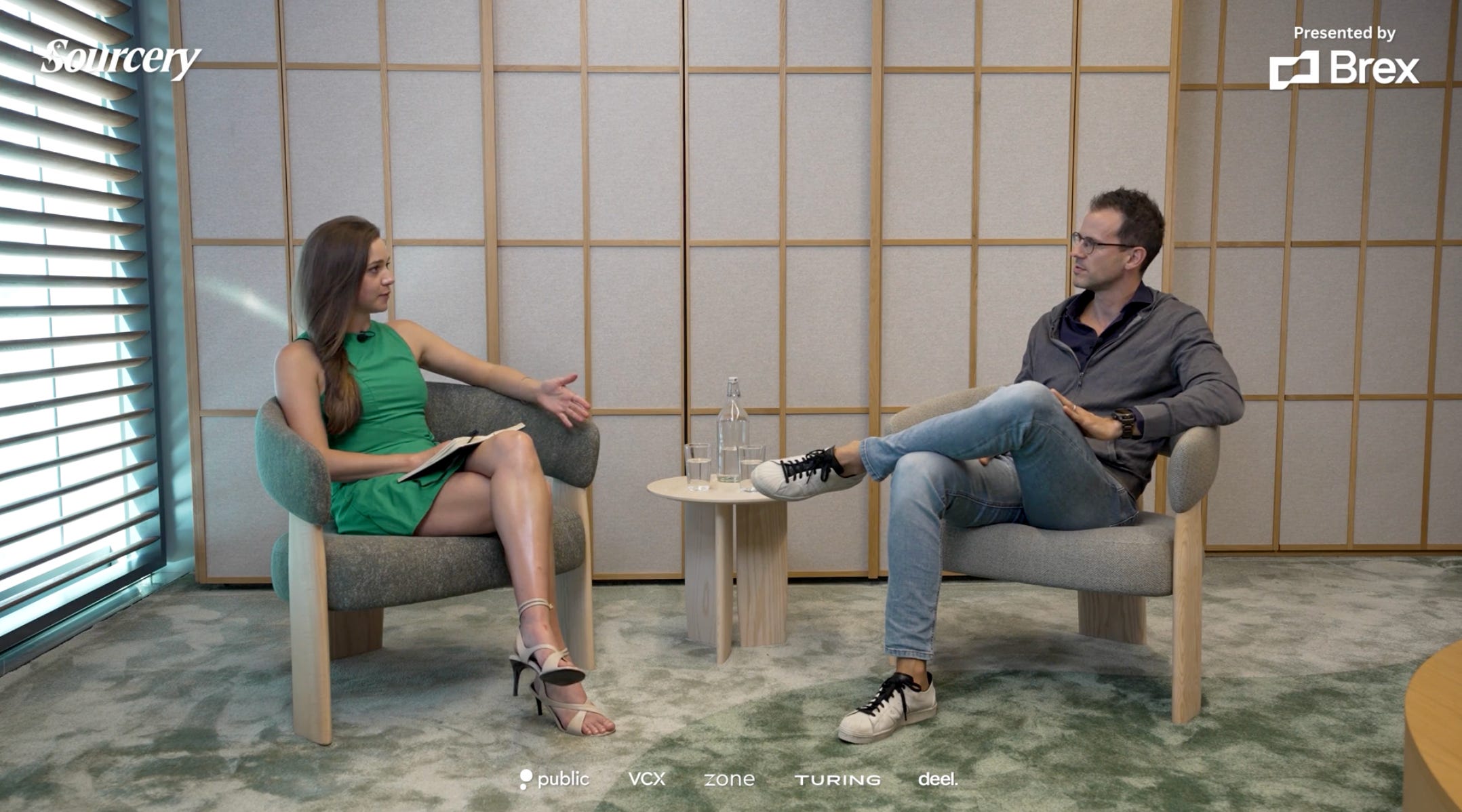
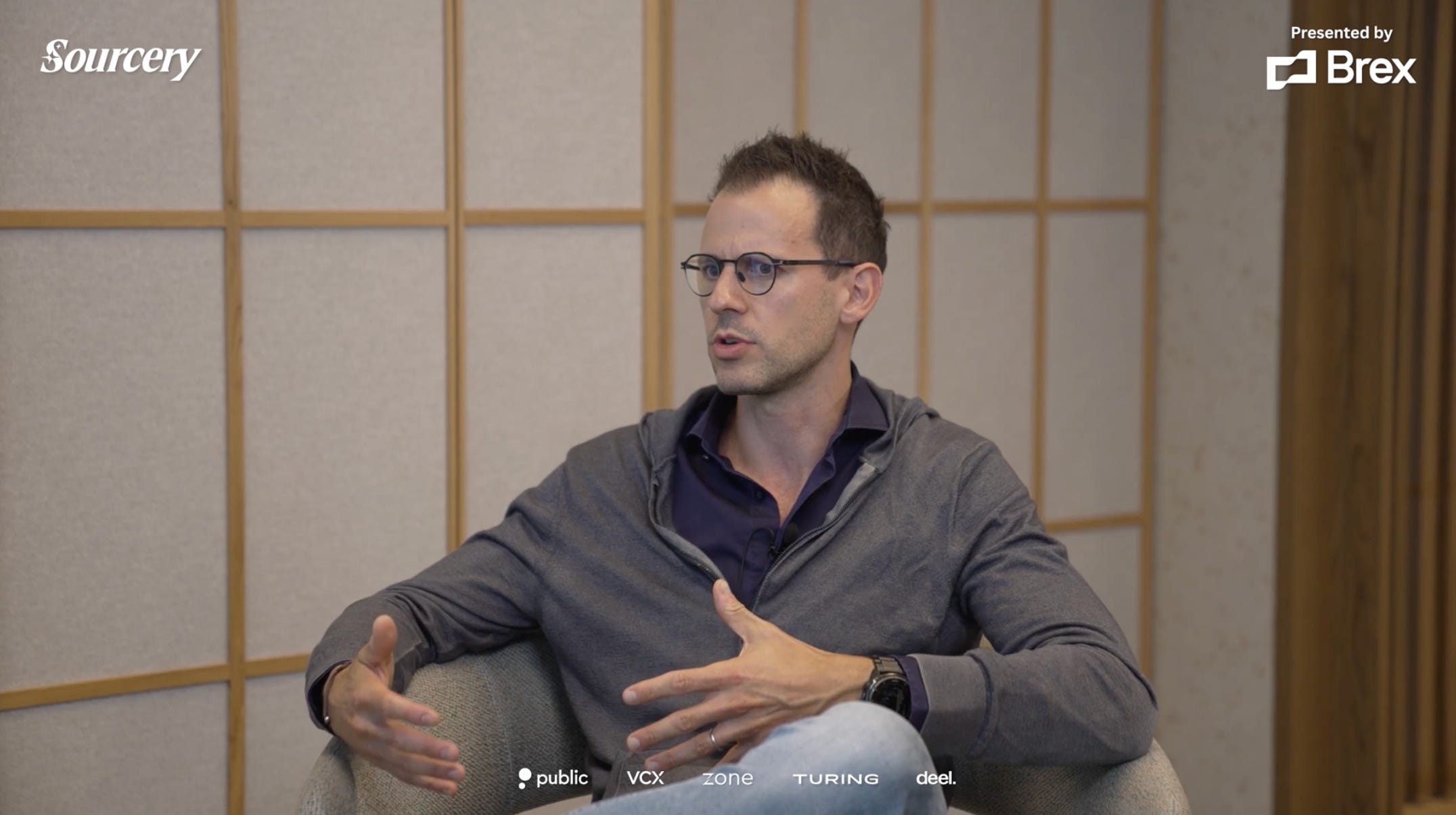
Sourcery recorded this episode at the Milan HQ, with an office walkthrough followed by 3 separate sit-downs.
→ Listen on X, Spotify, YouTube, Apple
3 Co-Founders + GM of AOL
Luca Ferrari, Co-Founder + CEO
Ferrari co-founded Bending Spoons in 2013 after meeting his co-founders while studying in Copenhagen, and has run it through every stage from bootstrapped app developer to Nasdaq-listed acquirer. His day-to-day focus sits closer to recruiting than most public company CEOs, and the company’s own framing treats talent density as the product rather than any individual app.
In the walkthrough he covers the office footprint, with core teams in Milan, London, Madrid and Warsaw plus acquired-company sites in the US, Tokyo and elsewhere, and a second Milan building in progress that will hold 500 to 1,000 people. Nobody has a private office, including him, and desks are booked rather than assigned. He gives the 2-part hiring filter the company screens for, whether someone learns quickly and whether they care enough to be excellent at the job, and calls the second trait the source of what the team refers to as extreme ownership.
He also answers directly on M&A. Price wins transactions, the never-sell policy is what converts founders specifically, and the biggest confirmed lesson across every deal is that a small autonomous team beats a larger one carrying process and diluted accountability. At the IPO he declined the Nasdaq podium and watched the bell ringing from Times Square with hundreds of colleagues, with a finance manager named Laura pressing the button instead.
Francesco Patarnello, Co-Founder + Head of M&A
Patarnello has been at Bending Spoons 13 years, since the beginning, and owns the acquisition function end to end, including target selection, diligence, and both debt and equity financing. He is the person who built the capital stack from a roughly $2M bank loan in late 2017 into rated US term loan agreements in early 2025, and who ran the 2023 institutional round with Baillie Gifford, Cox Enterprises and Durable, the first primary equity the company ever took.
He walks through the pipeline math of roughly 1,000 targets against 5 to 10 executed deals a year, the 3 filters that govern selection, and why growth rate is not one of them. He explains the seller-side pitch, why a founder who wants out prefers a buyer that takes over at closing rather than a private equity firm requiring 3 to 5 more years.
He tells the Grindr story, a process that ran from spring 2019 into early 2020 and consumed roughly half the company before collapsing when the seller went exclusive with another bidder.
Closing with explaining their unique compensation design, a fixed annual number split between cash and equity at the employee’s choosing, annual tenders for liquidity, no vesting at all, and voluntary churn still under 1%.
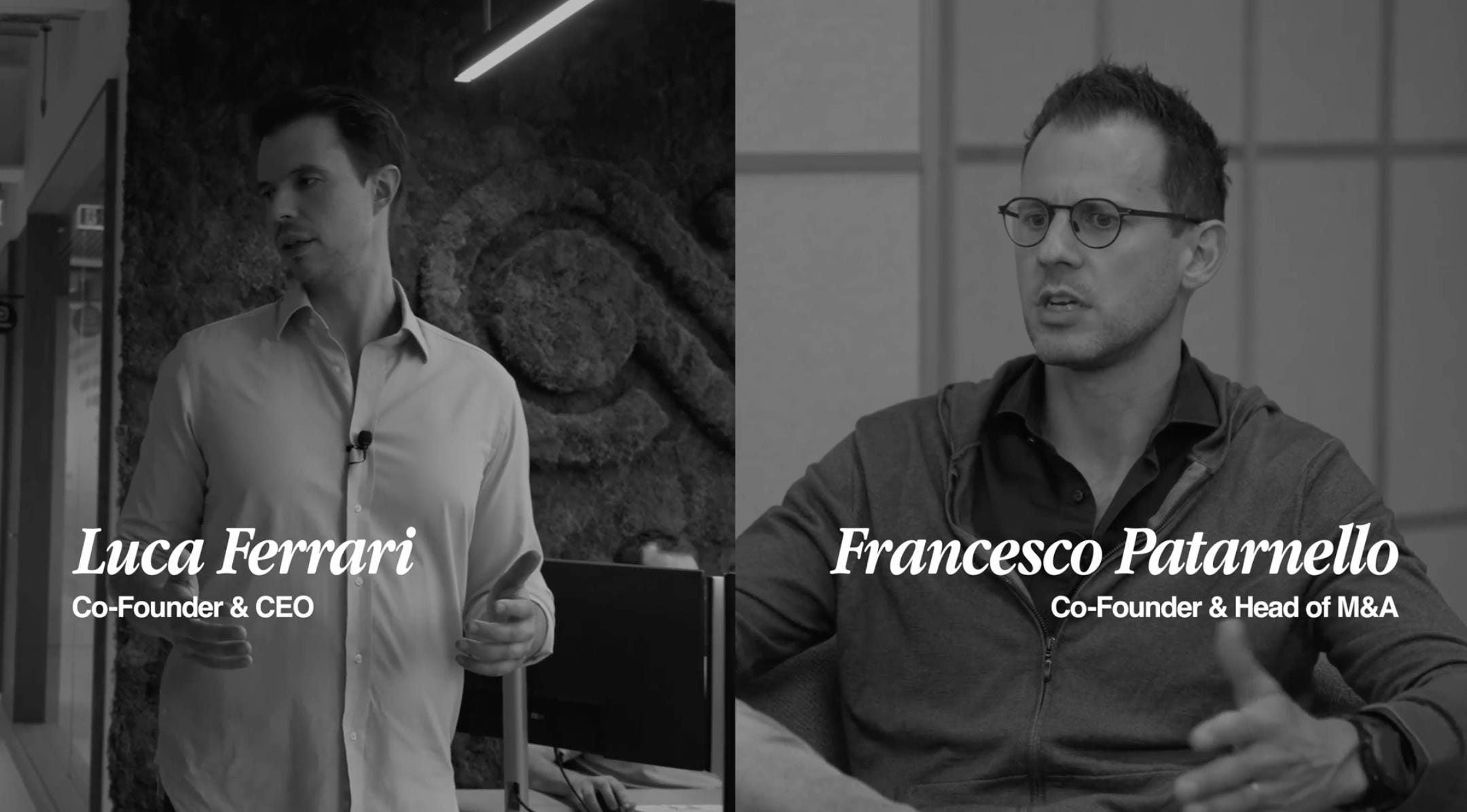
Matteo “Matt” Danieli, Co-Founder + VP of Product
Danieli has also been with the company 13 years and previously served as Chief Product Officer. He stepped down from that role after concluding that a product manager who joined years after him, Lorenzo, was better suited to it. He is now VP of Product, & explains how this transition was rather a organizational design question than a personal one.
His section covers what the company calls radical meritocracy and what it costs to actually apply. He describes telling leads that someone below them has outgrown them as among the hardest conversations a manager will have, and argues the signal it sends to the rest of the organization is worth more than the role change itself. He notes that several people running business units and products are under 30, which he flags as especially unusual in Italy. He also details the December form Ferrari circulates asking whether someone else should be running the company.
The other half of his section is startup mode, the company’s answer to the criticism that post-acquisition headcount cuts must degrade products. He lays out the failure chain he sees at scale, sub-teams, fragmented ownership, added management layers, and managers optimizing for team size over outcomes. He also gave the speech at the Nasdaq bell ringing in Ferrari’s place.
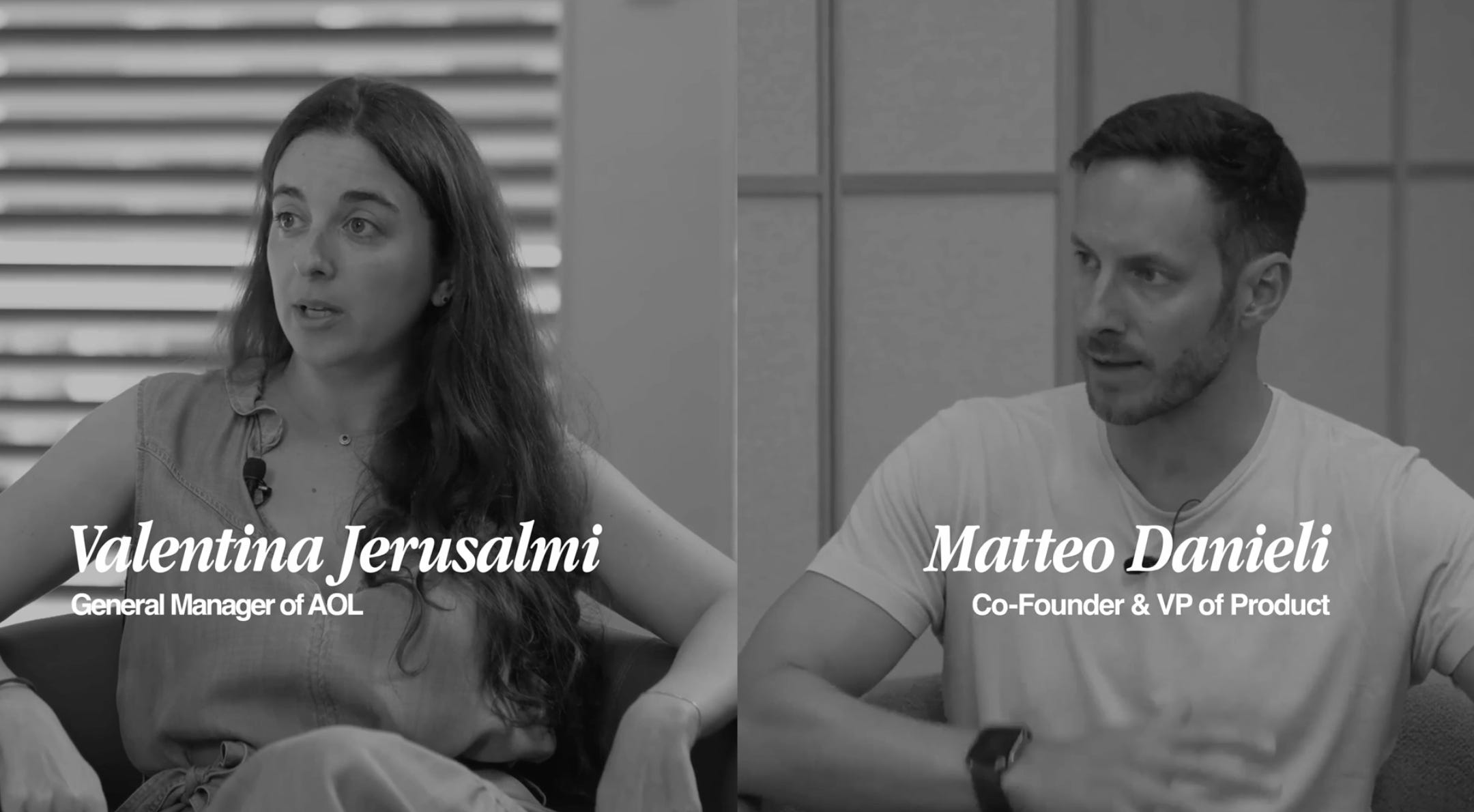
Valentina “Vally” Jerusalmi, General Manager of AOL
Jerusalmi joined Bending Spoons 5 years ago at 25, after being rejected twice, once at CV screening for a summer internship and once late in the process for the company’s First Ascent program. She came in as a data analyst on a small acquisition where she was the only non-technical person alongside a single engineer, which pushed her into customer support, design, product management and growth simultaneously.
That scope compounded. Unattended apps were folded into her team, then the Mosaic acquisition took it to 50 people and more than 80 apps, and when AOL came up in January she volunteered for it specifically because of the technical difficulty. She now runs AOL with roughly 80% of her time while overseeing Mosaic and Remini through other managers.
Her section is the operating detail. She walks through what happens after a close, interviewing everyone at the acquired company before deciding anything, then the transformation phase. On AOL she explains the carve-out from Yahoo, a months-long re-platforming effort she describes as the most interesting part of the job. She pushes back on the dead-brand framing, describes where she sees value in the mail product and news portal, and explains the A/B testing discipline that governs what ships. She also names what she thinks kills products elsewhere, analysis paralysis and accumulated approval processes.
1,000 Targets, 5 to 10 Deals a Year
Patarnello confirms roughly 1,000 potential targets in the pipeline against 5 to 10 executed acquisitions per year. There is no vertical focus. The company started with mobile B2C products, expanded into B2B self-serve, then enterprise, and with Tractive completed its first hardware-enabled acquisition.
“We’ve always been very agnostic to the vertical and the category. We try to do things in different worlds & constantly expand the capabilities of the things that we can do.”
Three filters govern selection. The first is how much value the Bending Spoons platform can unlock, which varies by business and can mean talent, data processing, or user acquisition. The second is revenue scale, because the cost of a transformation is largely fixed regardless of target size.
“We don’t want to invest a team of 50 Spooners into transforming a $20 million revenue business because that wouldn’t move the needle,” Patarnello said.
The third filter is predictability, judged against internal data from the rest of the portfolio. Growth rate is not a criterion. Patarnello says the company has found predictability in businesses growing 20% year over year, in flat businesses, and in businesses declining 5% year over year.

The Highest Price Wins
Asked for the key to acquisition negotiation, Ferrari answered in one word, price.
“I’ve never seen a transaction where the highest price didn’t win.”
Ferrari attributes the ability to bid highest to post-close economics rather than deal-making. Bringing the platform, the technology and the people to an acquired business generates enough value that Bending Spoons can pay above competing bids and still deliver returns to shareholders.
The second argument applies to founders specifically and not to institutional sellers.
“We don’t sell the companies we buy. And so they know that with us, the company has probably a forever home.”
Patarnello adds a structural point on seller motivation. A private equity buyer typically requires the founder to stay 3 to 5 years. Bending Spoons takes over at closing, which lets the founder move on immediately. He says founders now approach the company directly on that basis.

From a $2M Bank Loan to Rated US Term Loans
Bending Spoons financed acquisitions primarily with debt for most of its history. The first loan came at the end of 2017 for roughly $1M to $2M. The pattern was incremental, borrow, amortize fully, demonstrate delivery to the bank, then borrow slightly more.
“The big unlock was moving from just simple bank loans to term loan agreements with US lenders, and that happened at the beginning of 2025,” Patarnello said.
That transition required a credit rating and relationships with lenders who had no track record with the company, which reset much of the incremental trust-building process.
Primary equity came later. Bending Spoons raised no primary equity until 2023, when Baillie Gifford, Cox Enterprises and Durable led the first large institutional round. Earlier rounds were secondary and drawn largely from Italian investors. Patarnello says the equity story required education because the model reads as counterintuitive on first contact.
By the time of the IPO, most of the large institutional holders had either participated in prior rounds or had been tracked against stated plans over multiple cycles.
“It felt like a natural continuation of where we were before as a private company.”

Half the Company Spent a Year on Grindr
The deal Patarnello still remembers is Grindr, which Bending Spoons pursued starting in spring 2019. Ferrari heard the asset was for sale from a friend while most of the team was on a company retreat. The company had already been tracking the dating category and had identified Grindr as a product with high retention and poor execution.
The size was far beyond anything the company had done. Patarnello puts the relative scale in current terms at a $20B acquisition, and says roughly half the company worked on diligence for close to a year.
The process ended at the start of 2020 when the seller entered exclusivity with another bidder at a slightly better price. Bending Spoons had a fully financed offer assembled by that point.
“We had so much compressed learning into those nine months, because we raised half a billion dollar without actually raising it, but it was fully committed,” Patarnello said.
He now considers the outcome favorable. A deal that size would have absorbed the company and redefined it around a single asset.

Equity With No Vesting, Churn Under 1%
Bending Spoons ran annual secondary tenders for employees for years before listing. The purpose was to establish a real, liquid value for employee ownership rather than a paper figure tied to an undefined future event.
Compensation is a fixed annual number with no variable component. Each employee chooses how much to take in cash and how much to convert into equity, with the tender establishing what that equity is worth at the moment of the decision.
The company also removed vesting entirely, a change Patarnello describes as more recent.
“You created a value within a certain year, and you’re going to be rewarded for that. And then if you leave the day after, you’re still being rewarded because of the work you’ve done before.”
Retention did not move.
“We still have less than 1% churn on a yearly basis, and I think that speaks highly of how people perceive ownership of Bending Spoons.”
Patarnello attributes that partly to hiring young and developing people internally. He notes that a team built from people with 15 years of prior experience would not carry the same attachment and would be easier to poach.
A Culture Built on Meritocracy
Danieli was Chief Product Officer until it became clear that a product manager who had joined years after him was better suited to the role. He stepped down and the product manager, Lorenzo, took the position. Danieli is now VP of Product.
He frames the decision as a direct consequence of a hiring bar that keeps rising. Better-known products lead to a stronger employer brand, which leads to better hires, which eventually produces people more capable than their leads.
“It’s one of the highest ROI things that you could do in terms of optimizing an organization,” Danieli said.
The value is not confined to the single role.
“You’re basically communicating to everyone in the company that every position is up for grabs, that there’s no position that if they work hard enough and if they’re talented enough, they won’t be able to fill.”
Danieli says several people filling high-leverage roles across business units and products are under 30 or have just turned 30, which he calls unusual in Italy where tenure tends to entrench position holders.
The principle extends to the CEO. Every December, Ferrari circulates a form to people he trusts asking whether someone else would be better positioned to lead the company and whether anyone is dissatisfied with his performance. Danieli says the exercise is not performative and that Ferrari would move first if the answer were yes.
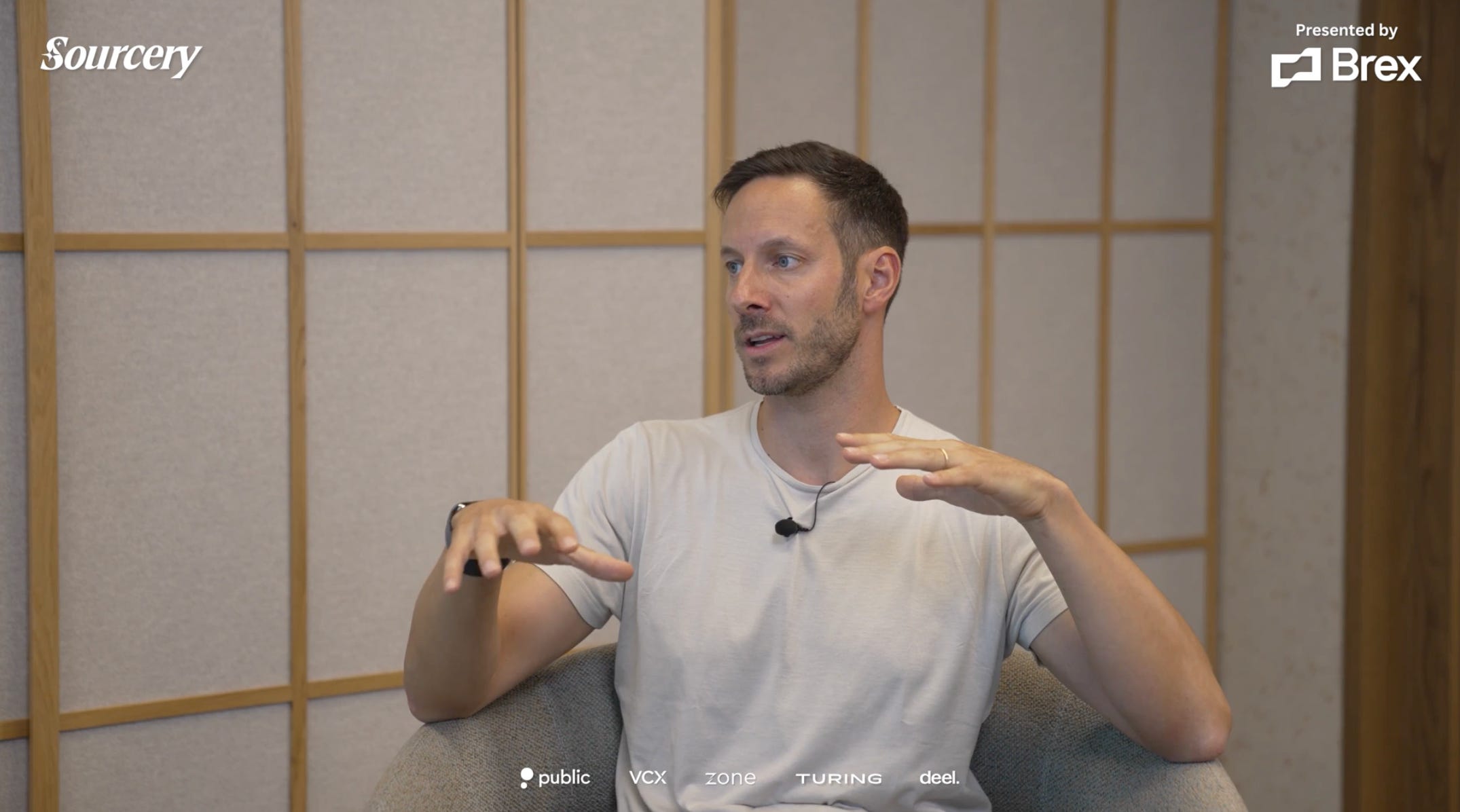

Why Smaller Teams Ship Faster
The standard criticism of a Bending Spoons acquisition is that headcount falls, so product quality must fall with it. Danieli disputes the underlying assumption.
“Our argument is that correlation is mild at best, and there are examples of the opposite.”
His account of what goes wrong at scale is specific. Adding people to a product forces sub-teams and split responsibility. Different parts of the product get owned by different groups, which removes the holistic view. People with ideas need to involve other teams to act. Management layers get added to handle communication complexity. Incentives drift as managers optimize for headcount growth over company outcomes.
“What used to take days takes weeks, takes months.”
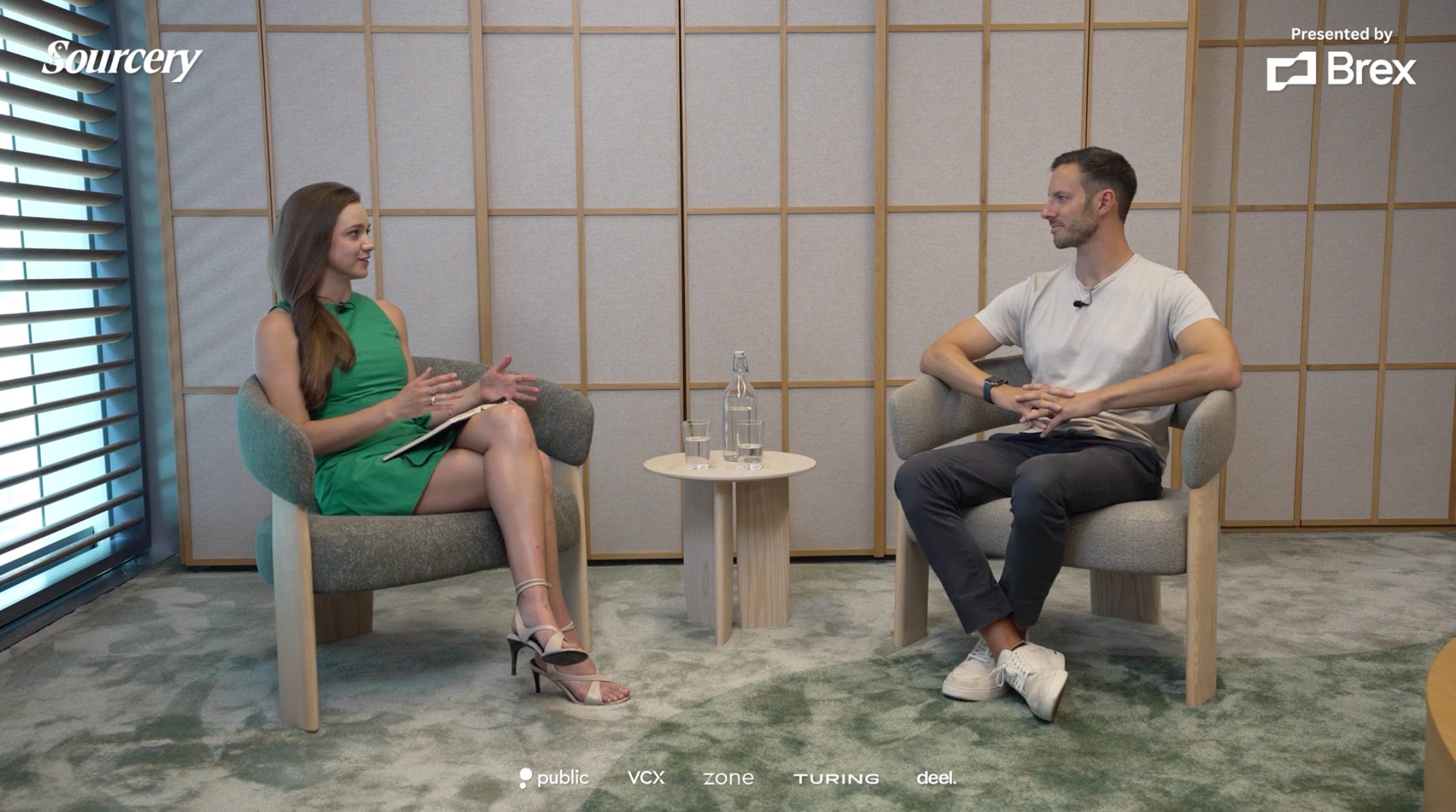
Post-acquisition, Bending Spoons allocates a small team and restores fluid ownership. On sales-led products, a single product manager often owns both the roadmap and the customer relationship, which removes intermediaries between the buyer and the product decision.
The talent argument sits on top of that. Because the portfolio holds many products, an employee can move across very different businesses without changing employers.
“They can have the same CV that they would get by jumping from one company to the next every couple of years, but without the need to go through another hiring process, learning the culture in a company, and proving themselves.”
Ferrari’s version of the same conclusion, drawn from every acquisition to date, is that a small team of high-caliber people with near-complete autonomy outperforms a larger organization with more process and less accountability.

Pulling AOL Off Yahoo’s Systems
Jerusalmi took AOL by volunteering for it after reviewing the technical challenges involved. Bending Spoons acquired AOL from Yahoo at a reported value of roughly $1.5B, with the deal completing in January 2026. She estimates 80% of her time now goes to AOL, with other managers supporting Mosaic and Remini.
The integration process starts the same way on every deal. The team interviews everyone at the acquired company to map how the business actually runs, on the premise that no amount of diligence substitutes for being inside.
AOL added a step the others did not have.
“We acquired AOL from Yahoo, and we had to somehow re-platform everything onto the Bending Spoons platform from the Yahoo one, and this took many months because it’s technically and operationally very challenging,” Jerusalmi said.
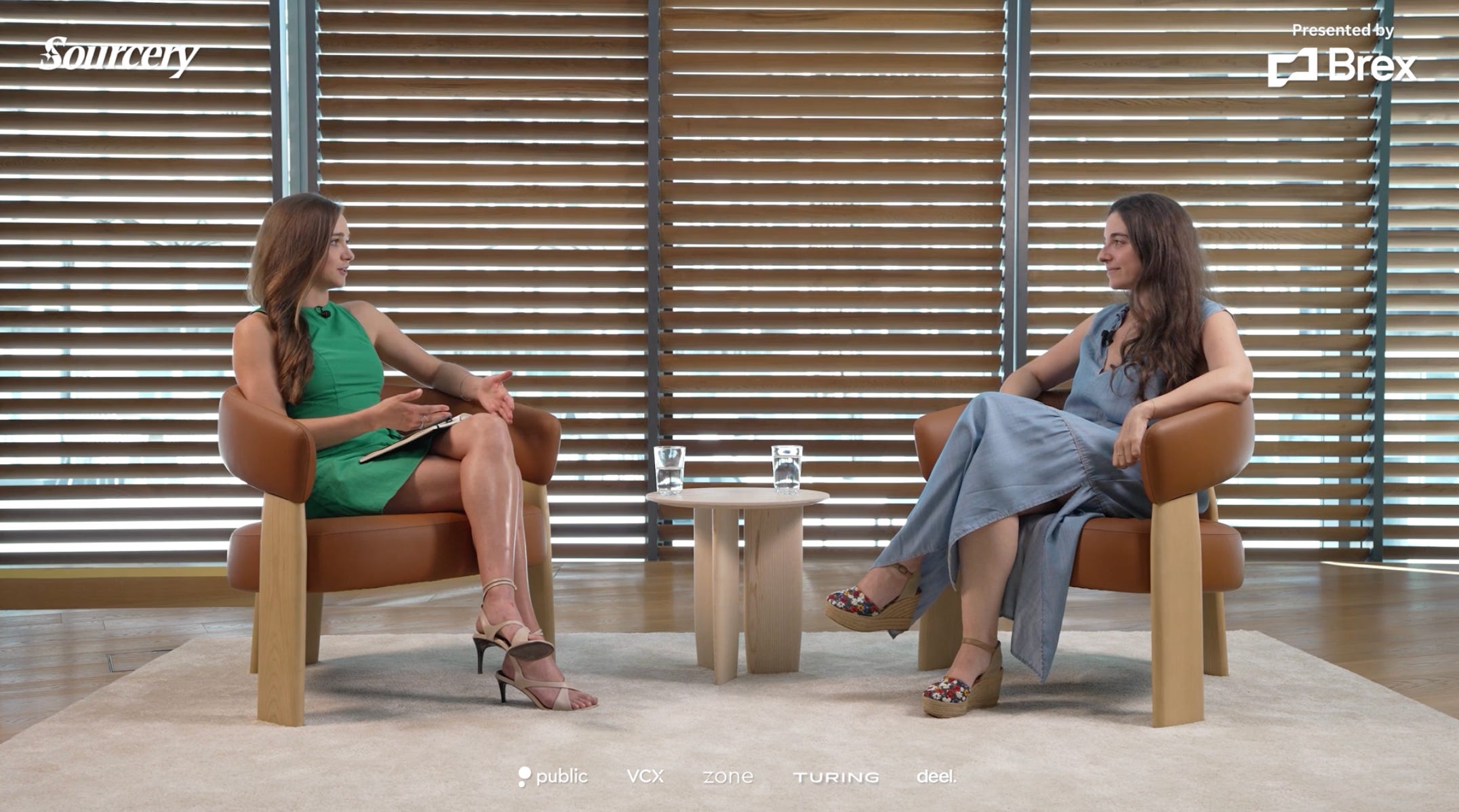
She rejects the characterization of AOL as a dead brand. The business was healthy at acquisition and remains so, with a news portal and an email product that retains by design.
“There are many misconceptions about the brand, just because it’s been there for a while. People think that it’s dead, but instead it has millions and millions of users who are still very active and still very engaged.”
Her assessment of where the value sits is the mail product, which she says has been slightly neglected in recent years, plus content recommendation on the portal. She also reports the AOL user base is interested in AI given an entry point into it.
Jerusalmi came up through data and applies it to release decisions. Every release is A/B tested, and nothing ships without KPIs indicating success.
“We never want opinions to get in the way of success.”
Her diagnosis of what breaks products elsewhere is process accumulation. Teams obsessing over perfection miss opportunities to ship and test, and approval lines and constraints accumulate as companies grow until the team loses the ability to act on the product at all.
Team composition runs roughly 40% engineering to 60% business functions, including product, growth, customer support and design. Hiring is Europe-wide with a core in Italy, and US hiring is beginning.
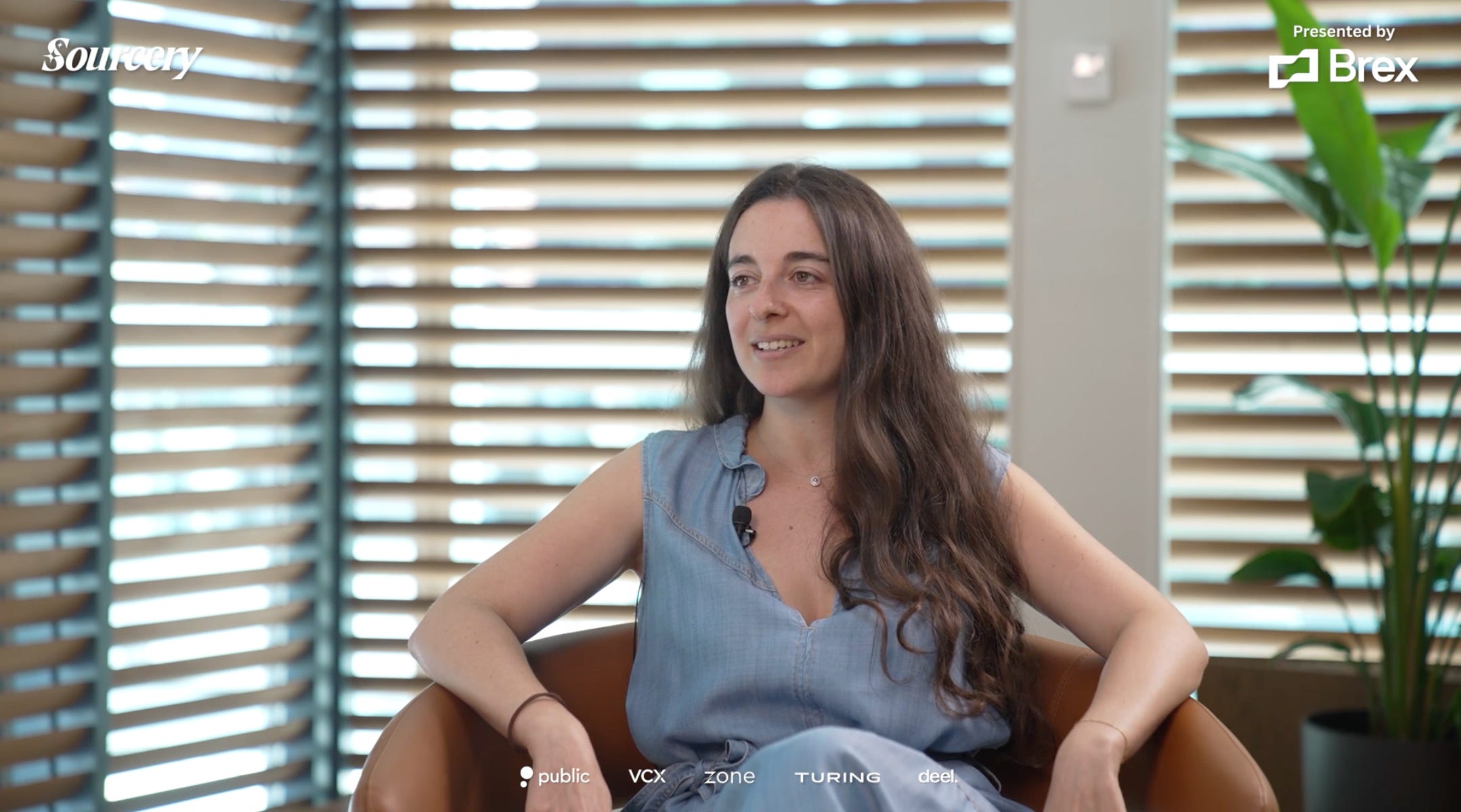
$2.6B of Deals in 5 Weeks
Patarnello said the biggest opportunities are waiting. The listing process took him away from daily operations for roughly 6 months, and he returned to the largest pipeline the company has had.
“Our pipeline has never been so rich right now, so we have a lot of prioritization to make.”
Two deals have landed since the interview. Airtable closed September 4, 2026 at a $1.285B enterprise value, implying roughly $2.25B in equity value including net cash, with approximately $480M in ARR growing over 20% year over year and more than 500,000 organizations including 80% of the Fortune 100. Airtable last raised at an $11B pre-money valuation in 2021.
Miro followed on September 10, 2026 at a $1.355B enterprise value and roughly $1.79B implied equity value, expected to close in Q4 2026. Miro carries around $600M in ARR with nearly 90% from business and enterprise customers, more than 250,000 organizations, roughly 4 million paying users, and over 750 customers above $100K in ARR. Certain Miro shareholders agreed to reinvest $295M of proceeds into newly issued Bending Spoons equity.
Jerusalmi’s stated objective for the next 12 months is completing the AOL carve-out and moving the team fully onto product work.

Special Moments at IPO
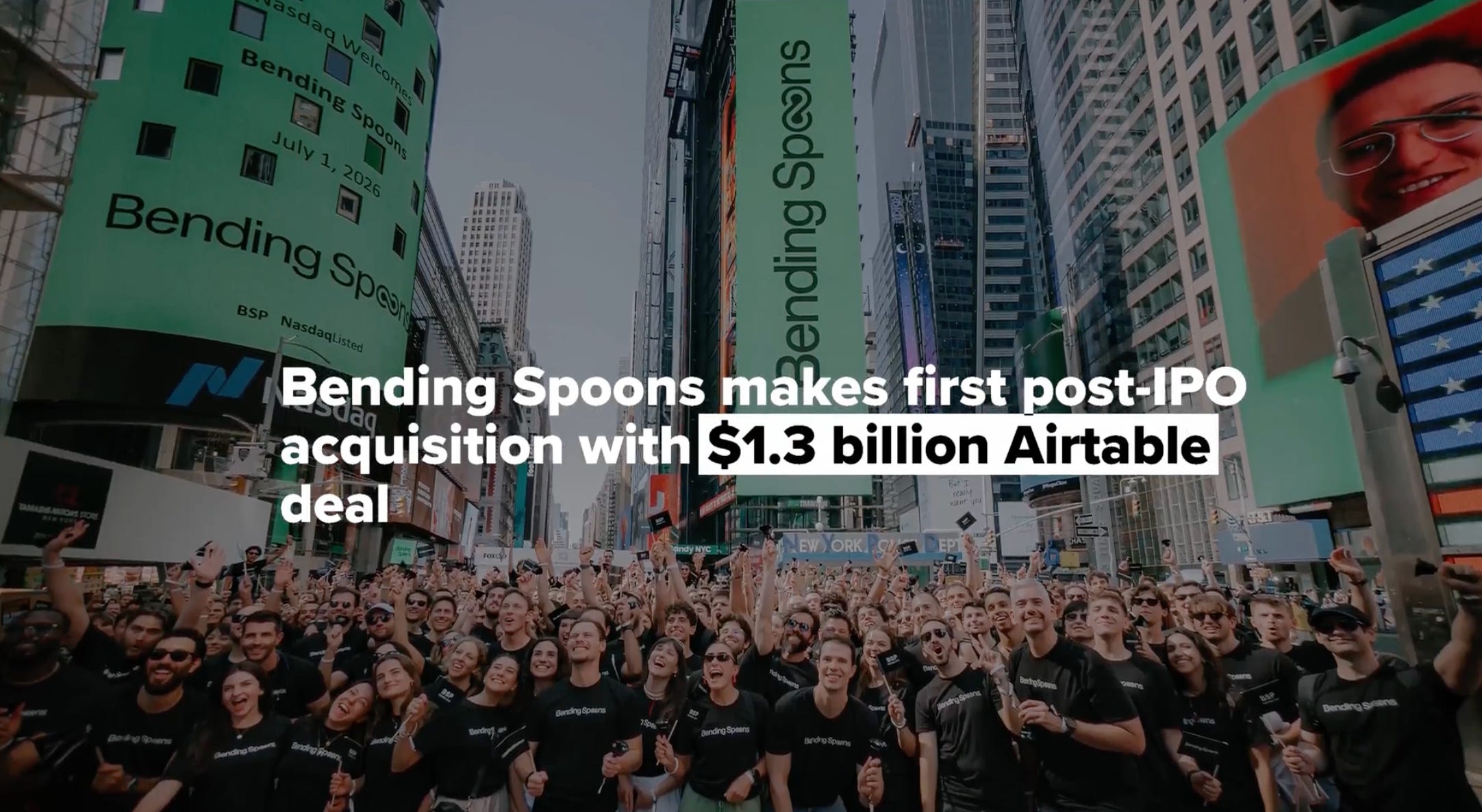
Bending Spoons priced its Nasdaq IPO at $29 a share on July 1, 2026, raising roughly $1.68B at an implied valuation of about $18.4B, and closed the first trading day at $40.50. The listing came 13 years after founding and 3 years after the company took its first primary equity.
Ferrari was not on the Nasdaq stage. He watched the bell ringing from Times Square with hundreds of colleagues, and the person who pressed the button was Laura, a finance manager who had been a principal driver of the listing. He describes it as a small and largely symbolic gesture, and frames the reasoning around how public attention concentrates.
“Founders and executives more broadly tend to enjoy the spotlight more than they deserve. The world likes simple stories, and so they tend to have one or two faces at most they associate with a company,” Ferrari said
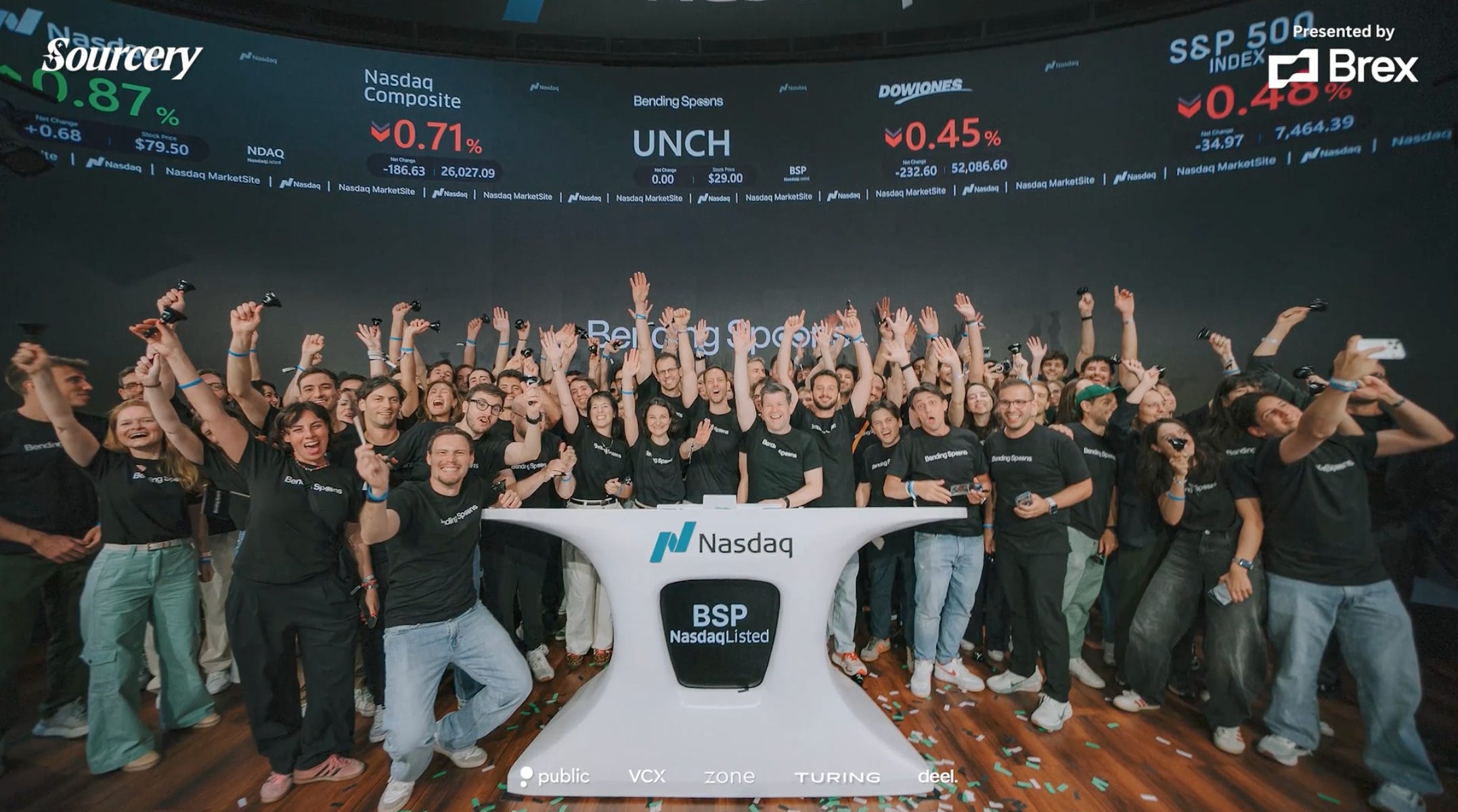
Danieli gave a speech inside the Nasdaq, and describes it as an unusually emotional day for a company that rarely stops to mark anything.
“Because of our culture, we don’t get to pause very often and celebrate achievements and milestones. We’ve always had this mindset, what’s the next challenge, what can we do better, what can we do more.”
He characterizes the day as a forced stop to that mindset and the only moment the team took to look back. The speech itself built on the company motto, “impossible maybe,” using the listing timeline as the evidence. Bending Spoons compressed the process well below the normal duration, and Danieli says the banks supporting the offering did not believe the target date was achievable. The rest of the speech was a thank you to the team & to the people around them who made the workload possible.
“When I started talking, I felt the burden of representing everybody’s thinking and everybody’s emotion. I also was reminded about the fact that it wasn’t really something that could repeat itself. So I had to make it work with just one attempt.”
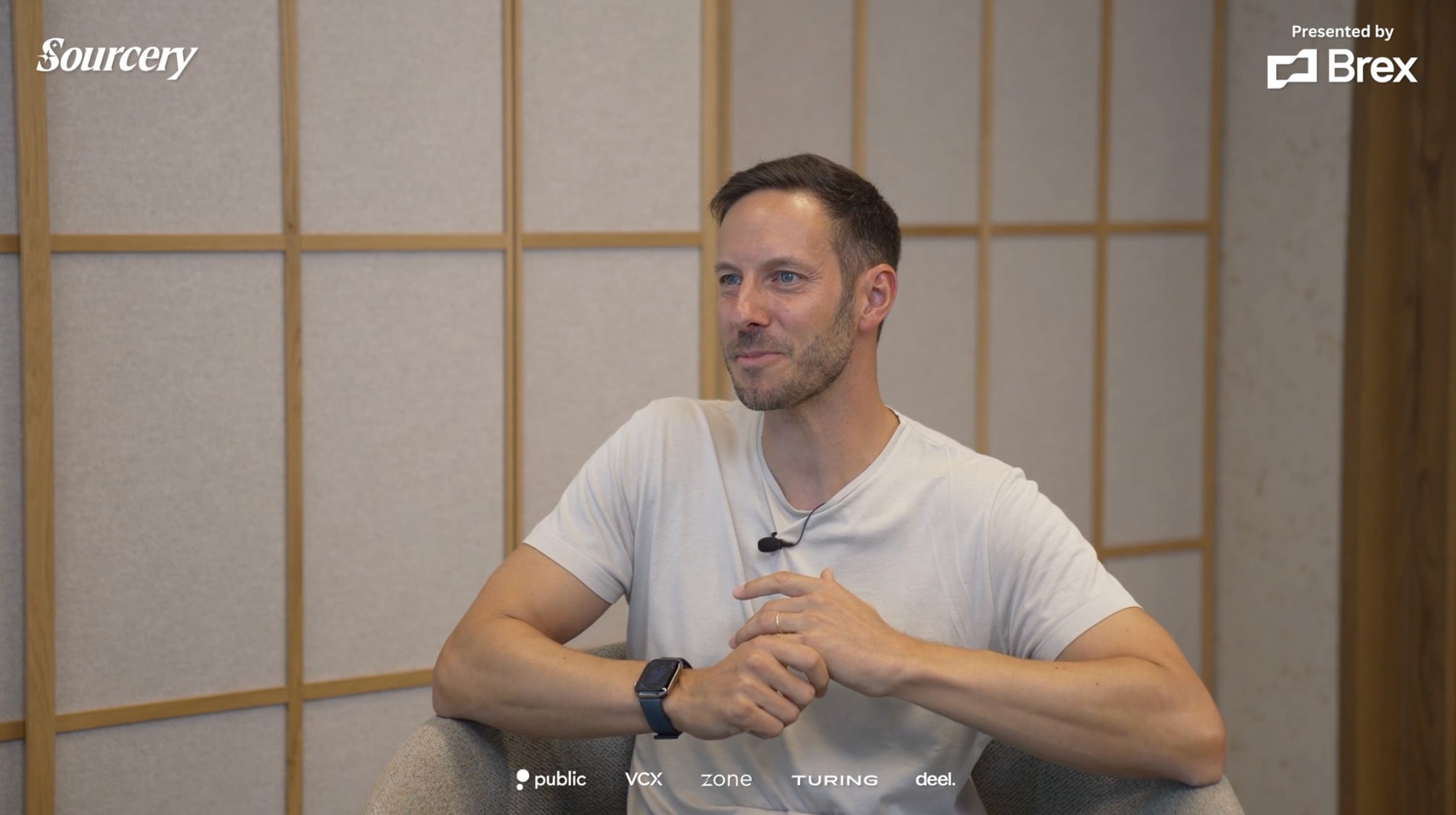
Internally, the listing was less of a shift than it appears. Because annual tenders had been giving employees liquidity for years, ownership already behaved much like public stock. Patarnello says that design was deliberate and is the reason the transition landed without a step change in how people relate to their equity.
→ Listen on X, Spotify, YouTube, Apple
The material presented on Molly O’Shea’s website are my opinions only and are provided for informational purposes and should not be construed as investment advice. It is not a recommendation of, or an offer to sell or solicitation of an offer to buy, any particular security, strategy, or investment product. Any analysis or discussion of investments, sectors or the market generally are based on current information, including from public sources, that I consider reliable, but I do not represent that any research or the information provided is accurate or complete, and it should not be relied on as such. My views and opinions expressed in any website content are current at the time of publication and are subject to change. Past performance is not indicative of future results.
Paid Endorsement. Brokerage services by Open to the Public Investing Inc, member FINRA & SIPC. Advisory services by Public Advisors LLC, SEC-registered adviser. Crypto trading provided by Zero Hash LLC, licensed by the NYSDFS. Generated Assets is an interactive analysis tool by Public Advisors. Output is for informational purposes only and is not an investment recommendation or advice. See disclosures at public.com/disclosures/ga. Matched funds must remain in your account for at least 5 years. Match rate and other terms are subject to change at any time.