

SpaceX, OpenAI, Anthropic, Cerebras, Cursor..
We're in the biggest wealth event of all time, with $4T+ in combined value on just the big names, with more heading to public markets & trading in secondaries, more millionaires + billionaires are being minted than ever before.
→ Listen on X, Spotify, YouTube, Apple
The most sought-after next step is flying private.. and it pulls them straight toward $75 million jets, often skipping every step the industry is used to.
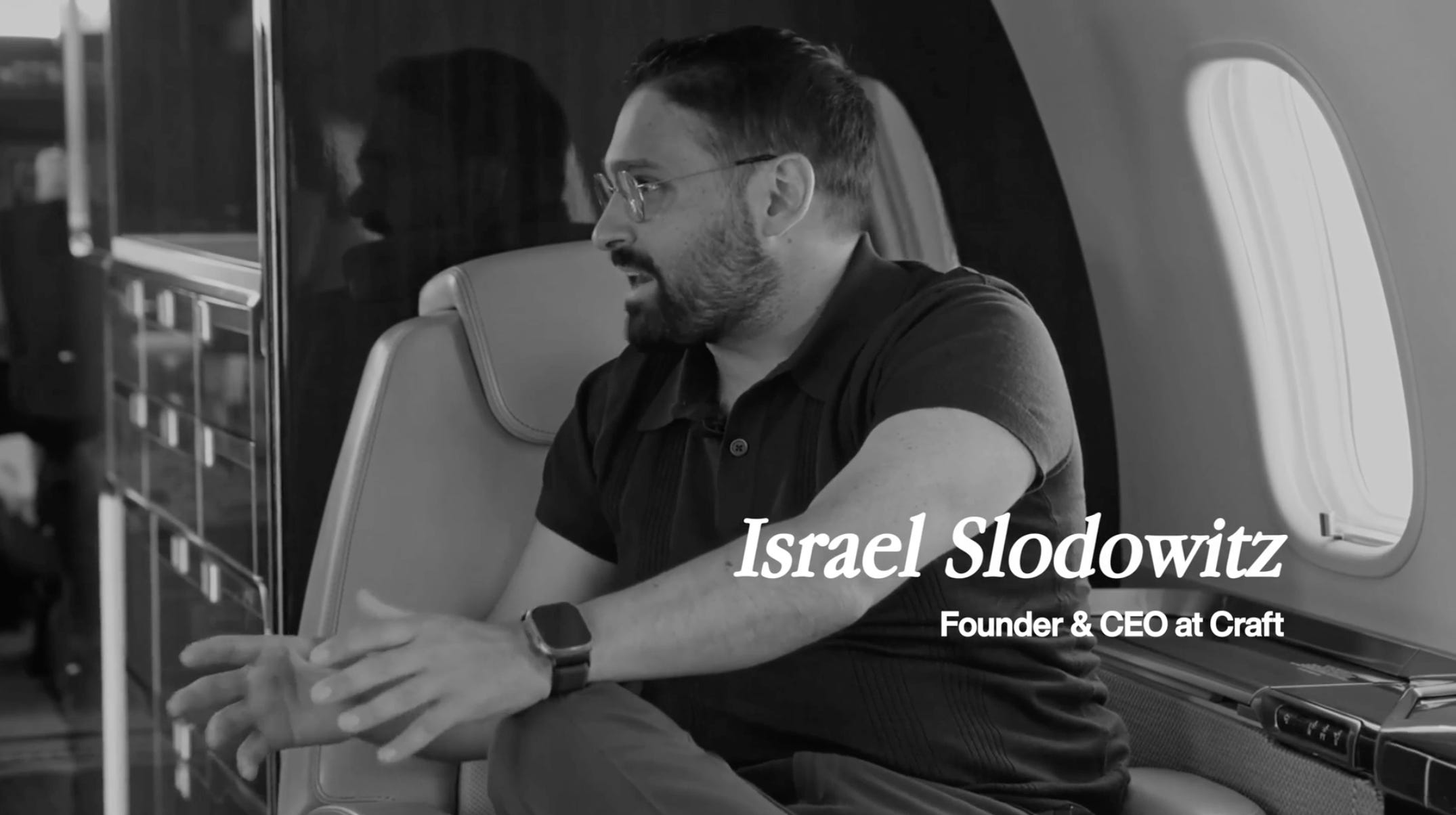
Israel ‘Izzy’ Slodowitz is the Founder of Craft, a Part 135 charter operator that also flies supplemental lift for NetJets, Flexjet, and Wheels Up. He turned that flying fleet into something most operators can’t offer: an exchange fund built for the founders & early employees whose wealth is locked in a single stock. It takes in that concentrated position tax-deferred and backs it with real aircraft, not the self-storage and real estate that prop up legacy funds. Members diversify out of one position, defer the tax, and keep access to the planes.
I joined him on one of their Challenger 350’s from Van Nuys to San Francisco to break down what this wave means for private aviation. Who is buying, what it really costs, why jets are now appreciating, & why a generation whose net worth is locked in stock needs a new structure the legacy ownership models were never built to offer.
We cover:
Who flies more: Elon, Sergey Brin, Jensen, Alex Karp, Taylor Swift?
PJ shortage?!
Charter vs jet card vs fractional vs own
A G650 that sold in one hour
What a jet really costs per year
Why capital gains wealth can’t write off a jet
The $10M deduction w/ $2M down (+recapture trap)
Hidden fees, safety gaps, & first-timer mistakes that cost the most
Does flying private actually cure jet lag?
Starlink
You can reach Izzy & Craft at flycraft.com or useradar.com
𝐓𝐈𝐌𝐄𝐒𝐓𝐀𝐌𝐏𝐒
(00:00) Israel Slodowitz, Founder & CEO of Craft
(00:58) The state of Private Aviation in 2026
(04:09) Why first time buyers are buying the biggest planes
(05:14) A coming shortage of private jets
(06:00) The Private Jet size chart nobody explains
(08:26) When does it make sense to buy vs. charter?
(11:24) The real cost of a $75M jet
(13:30) Breaking down prices by jet category
(15:07) Charter vs. Jet card vs. Fractional ownership
(19:31) Inside Craft's exchange fund model
(25:33) The most economical way to fly private
(26:24) Alex Karp's $17M flight bill
(28:01) How Aircraft financing actually works
(29:25) The Biggest mistakes people make buying a plane
(35:48) How Starlink changed the business
Brought to you by:
Brex—The intelligent finance platform: cards, expenses, travel, bill pay, banking—wrapped into a high-performance stack. Built for scale. Trusted by teams that move fast. visit → brex.com/sourcery

Turing—Turing partners with frontier AI labs to improve model capabilities in coding, reasoning, tool use, & multimodality, as well as with Fortune 500 enterprises to build & deploy end-to-end agentic AI systems in mission-critical workflows Visit: turing.com/sourcery
VCX—VCX is the public ticker for private tech, allowing investors of all sizes to invest in venture capital. View The Portfolio at GetVCX.com
Deel—Deel is the global people platform that helps startups hire, manage, pay, and equip anyone, anywhere. Trusted by more than 35,000 fast-growing companies, Deel is the people platform that just works, so teams can scale without the chaos. Visit: deel.com/sourcery
Public-–Investing platform Public just launched Generated Assets, which lets you turn any idea into an investable index with AI. With Generated Assets, you can build, backtest, refine, and invest in any thesis with AI. Gone are the days of one-size-fits-all ETFs. Try it today: public.com/sourcery
Merge—The leading provider of customer-facing integrations and agentic tools for frontier LLMs, Fortune 500 organizations, and B2B SaaS companies. Visit: https://merge.dev
Private Jets 101: What it Actually Costs to Fly Private
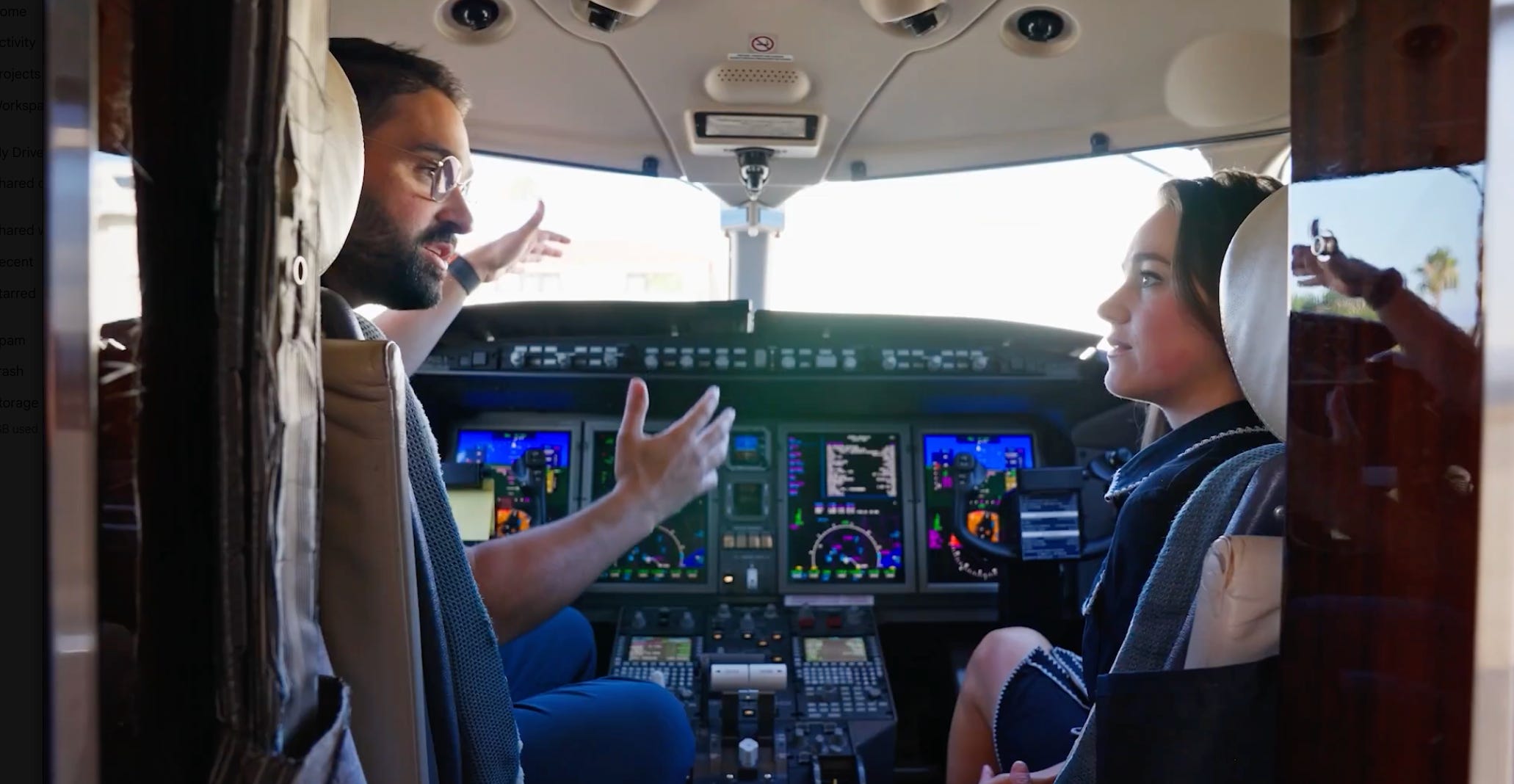
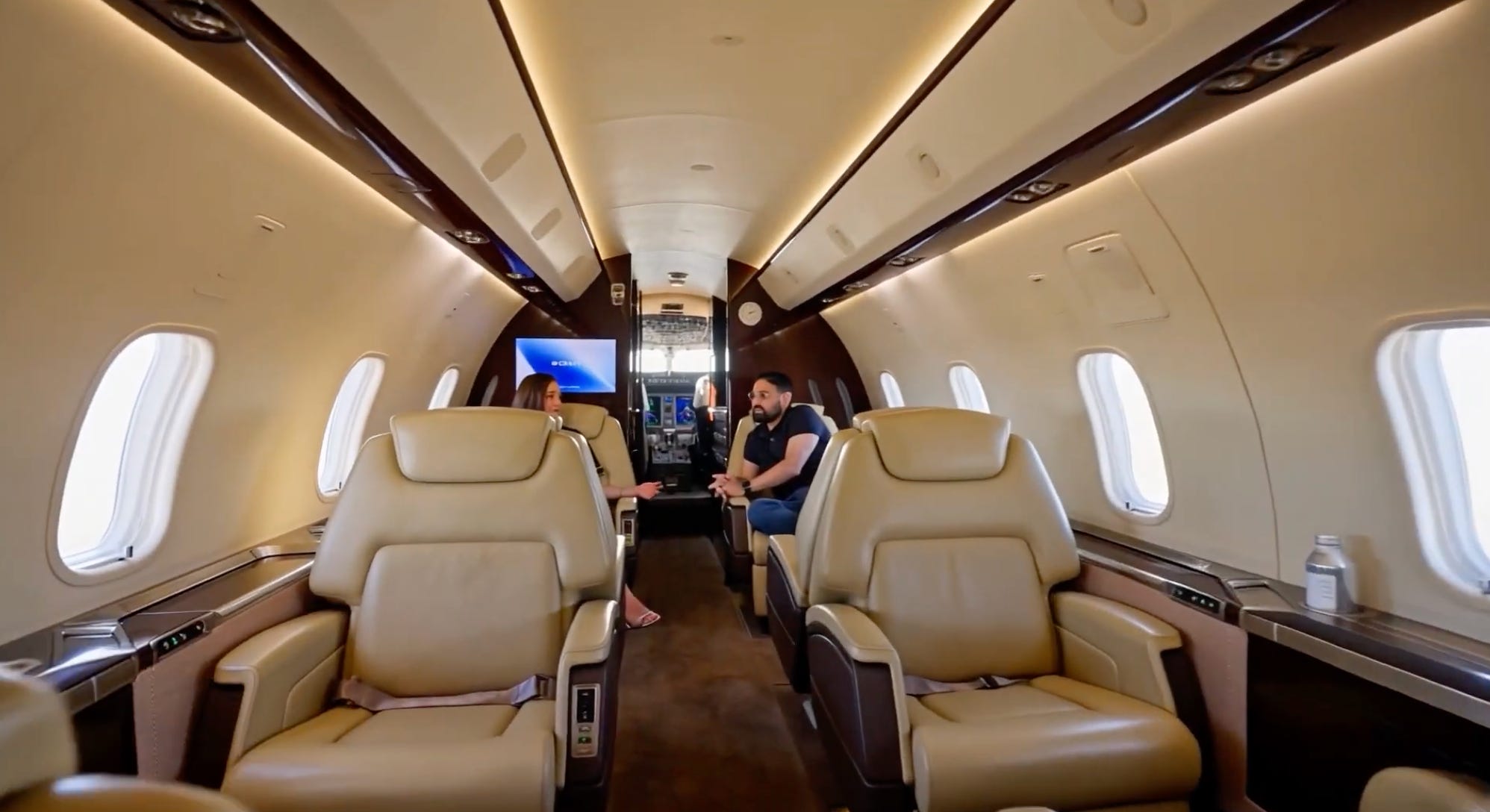
I flew from Van Nuys to San Francisco on a Challenger 350 with Israel Slodowitz, the founder of Craft, to answer a question that more & more people are about to face: you just made a lot of money, so how do you actually fly private, & what does it really cost?
Israel runs a Part 135 charter company he started in college, flying supplemental lift for NetJets, Flexjet, and Wheels Up, and he has layered an exchange fund on top of that operating fleet. He is also a pilot, certified in the aircraft we were sitting in. What follows is the full breakdown, from the wealth wave driving demand to the first-timer mistakes that cost people the most.
→ Listen on X, Spotify, YouTube, Apple
The Largest Wealth Creation Event in Modern History
We are in the middle of a liquidity wave with no real precedent. The names driving it are familiar: SpaceX, OpenAI, Anthropic, Cursor, Cerebras, and a long line behind them, either now public or moving billions through secondaries and tenders. Israel put the scale of the shift plainly. This is not the slow, diversified wealth of past generations. As he said on the flight, the legacy model “doesn’t quite work for these people. Their net worth is in capital gains, not in ordinary income.”
The numbers behind the wave are staggering. SpaceX went public in the largest IPO ever and has since climbed past $2 trillion in value. Cerebras completed the year’s largest tech IPO in May 2026, raising $5.55 billion and opening at nearly double its $185 offer price. OpenAI ran a $6.6 billion employee tender in October 2025, with about 75 people hitting the $30 million per-person cap. Anthropic raised a $65 billion Series H at a $965 billion valuation & filed confidentially for an IPO on June 1, 2026.
Zoom out and the structural change is the real story. Global secondary volume reached $240B in 2025, up 39% year over year and nearly double the 2021 peak, climbing from $84B in 2019 through $152B in 2024. The private “Magnificent Seven*,” meaning OpenAI, Anthropic, Databricks, Stripe, Waymo, & Anduril, now aggregate to roughly $3 trillion in private-market value. Insiders increasingly cash out through tenders every 12 to 24 months instead of waiting for a listing, which means the money is hitting bank accounts faster and earlier than the old IPO cycle ever allowed.
And the first thing a lot of these people reach for is a jet.
As Israel put it, the most sought-after thing once you make some money is to start flying private. “It’s like the one thing everybody looks to do. It’s truly a unique tool that nothing else replaces.”
*Now Six with SpaceX (now public)
New Money Is Skipping Steps, & the Industry Is Not Ready
The old path into private aviation was a ladder. You chartered, then maybe stepped up to a light jet, then worked your way up over years. That is not what Israel is seeing now. New buyers are skipping straight to the top.
“People are now going straight for the super mid, straight for the heavy. They’re going straight towards buying or even chartering the latest and greatest,” he told me. “We’re just seeing this big skipping of steps that we are accustomed to in our industry.”
The problem is supply. Israel ran the math on how little it takes to break the system. If almost 8 billion people are in the world and 0.0001% fly private today, doubling that to 0.0002% “has a huge cataclysmic effect on our industry.” His reasoning is that the manufacturers, the OEMs, the supply chain, engines, parts, the speed at which factories build airplanes and the speed at which you can train pilots simply cannot scale to meet even a small percentage shift in demand.
The result is a genuine oddity. Aircraft are depreciating assets that normally lose value, but Israel says they are watching prices climb instead. The Challenger 350 we were on is now worth almost $2 million more than Craft paid for it. “Just because there’s such a lack of supply, of good airplanes,” he explained.
His forecast: there is going to be a shortage, and a lot of price fluctuation and uncertainty until the new wave settles.
The Ladder: Charter, Jet Card, Fractional, Ownership
Before you can talk cost, you need the four ways people actually access a jet. Israel walked through each.
Charter is usually the first taste. You book a plane for a trip with no long-term commitment. The catch is unpredictability on both price and aircraft. “One day it might cost you $12,000. The next day it’s costing you $24,000 for the exact same flight,” he said. You also do not always know what you are getting in terms of the operator or the plane.
Jet card is the next step up. “A jet card is essentially prepaid charter,” Israel explained. You put down a deposit and the provider sources charter for you at a fixed rate, so instead of swinging between $12,000 and $24,000, you pay a flat $18,999 every time. You usually pay a bit more on average than raw charter, but you get price certainty, and it is often where people first experience a NetJets or Flexjet product.
Fractional moves you onto the ownership side of the aisle. You buy a share, a 1/8 or a 1/16 of a specific aircraft, and the provider handles pilots, maintenance, and availability on 8 to 24 hours notice. The difference that matters: you carry the residual risk. If the airplane depreciates, that cost to capital is on you, not the charter company. You get a more consistent, premium experience, and you pay a premium for it. The two largest providers are NetJets and Flexjet.
Full ownership is the top of the ladder and, as Israel describes it, the most complex. More on the real cost of that below.
Where does Craft sit? Israel described the operating business as living somewhere between fractional and jet card, mostly B2B, selling lift to the larger brokers & platforms.

What a Jet Actually Costs
Here is the line that should anchor every first-time buyer’s expectations. “Buying the plane is just the beginning of the journey,” Israel said. “That’s the cheapest part of owning a plane.”
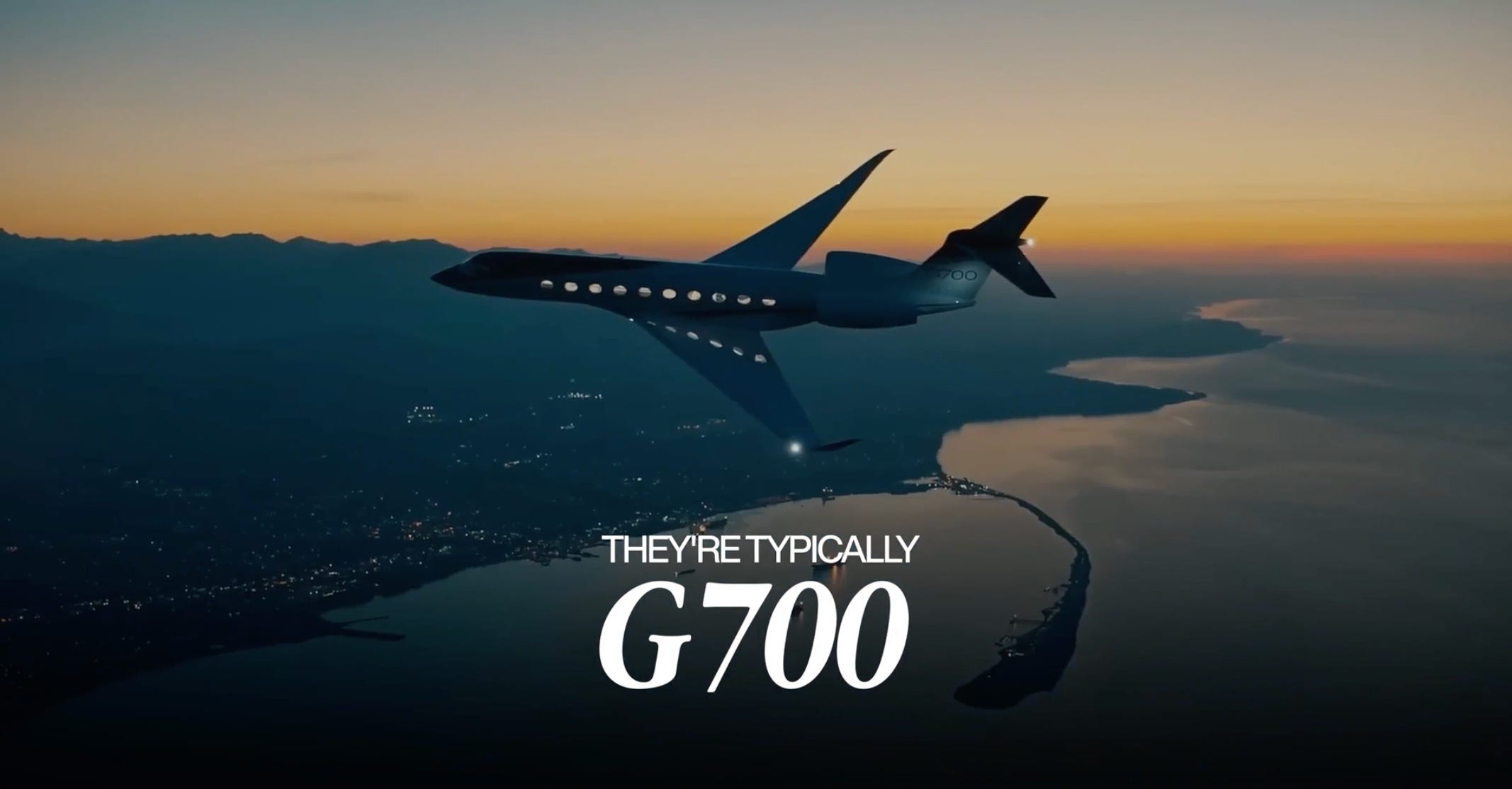
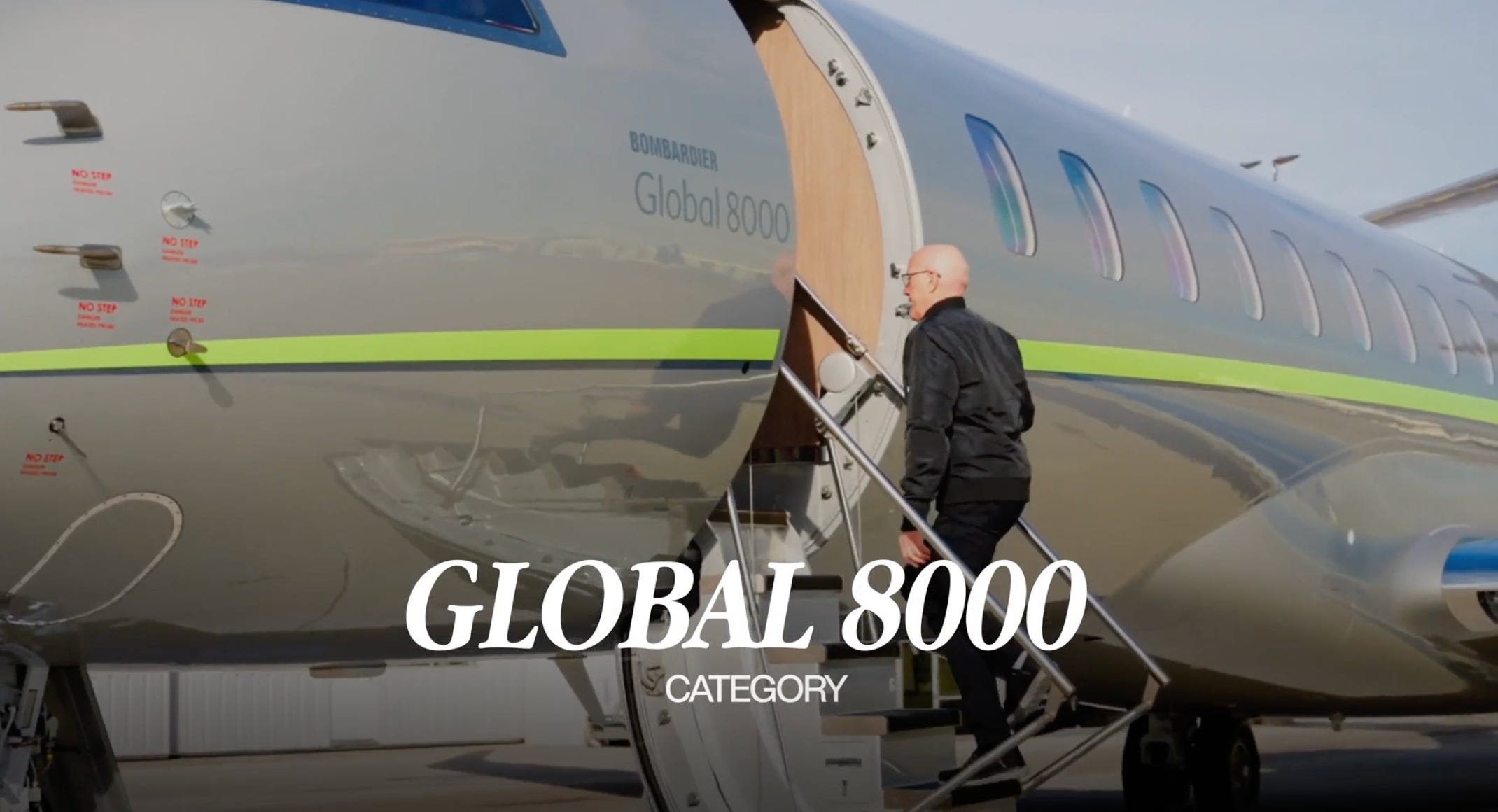
He walked through the full picture using a Global 8000, which he pegged at a $75 million purchase, as the extreme example. On top of the sticker price, you carry depreciation of roughly 10% a year, which most people forget to bake in. You need at least three to four pilots, because pilots get sick and go to training twice a year, running $1 million to $2 million annually. Then add insurance, hangar costs, and maintenance. All in, Israel estimated an extra $2-$4 million a year just to keep your plane running.
For context on where each tier of aircraft starts, here is what the categories look like, using Israel’s on-tape framing for pre-owned aircraft alongside 2026 market data:
Ultra-Long-Range* (G650, G700, Global 8000)
• Pre-owned: $35M–$85M+
• New: $75M–$85M+
• Operating cost: $8.5k–$12.5k/hr
*Billionaire default for transcontinental / transoceanic range
Heavy (Gulfstream G450, G500)
• Pre-owned: $20M–$50M
• New: $45-55M+
• G450 - out of production
• Operating cost: $6.5k–$9.5k/hr
Super-Midsize (Challenger 350, Praetor 600)
• Pre-owned: $15M–$30M
• New: $26M–$38M
• Operating cost: $5k–$7k/hr
Midsize (Citation XLS, Latitude)
• Pre-owned: $5M–$10M
• New: $15M–$20M
• Operating cost: $3.8k–$5.5k/hr
Light Jet (Phenom 100/300)
• Pre-owned: $3M–$8M
• New: $11M–$14M
• Operating cost: $2.8k–$4.2k/hr
The hourly operating figures above come from 2026 industry data, not from Israel directly. His point on the tape was simpler and harder to argue with: the purchase is the down payment on a decade of pilots, fuel, maintenance, and downtime.

Buy Versus Charter: The Real Math
The traditional rule of thumb Israel cited is that somewhere between 150 and 250 hours a year is when ownership starts to make sense. But he was careful to say the hours are not the whole answer, and the new generation of wealth is changing the calculus.
There are two real reasons to own:
The first is flexibility. Charter and fractional both come with call-out windows, often a 24-hour notice minimum, and they are not flexible on changing your departure time.
Israel gave the example of a client who owns his plane, flew to Reno to tour warehouses, finished early, texted his pilots, and was wheels-up four hours ahead of schedule because he owned the plane. “Even if you’re flying less than 150 hours, you might want to consider owning, just because if you need that four-hour or less call-out,” he said.
The second reason is cost efficiency, which kicks in around 250 hours when you can spread fixed and pilot costs across enough flying.
The twist is that owning is “basically running a little mini airline,” and a lot of newly wealthy people do not want that. “These people don’t want complexity. Most of them are able to book well in advance. They’re not last-minute people,” Israel said. Many are happy to book 7 days or 2 weeks out, so they never need the 4-hour call-out that justifies ownership. He has seen people flying 300 hours a year decide they still do not want to deal with owning a plane.
His single best piece of advice for buyers ties it all together: try before you buy. “Charter a couple times the plane you think you might want to see if it’s really what you want,” he said.
He told the story of someone who exited for about $500 million & chartered a Global 8000 to Europe for $400,000 before deciding he did not actually need to own it. That $400,000 charter is a rounding error against a $75 million purchase plus the cost of buying wrong and having to resell.

‘Tax Trap’ New Wealth Is Walking Into
This is the section that matters most for anyone reading this after a liquidity event, and it is where the new-money problem gets sharp.
Start with the upside, because it is enormous. The 2025 tax bill restored 100% bonus depreciation for aircraft placed in service after January 19, 2025, through January 1, 2030. Israel explained the mechanic on tape:
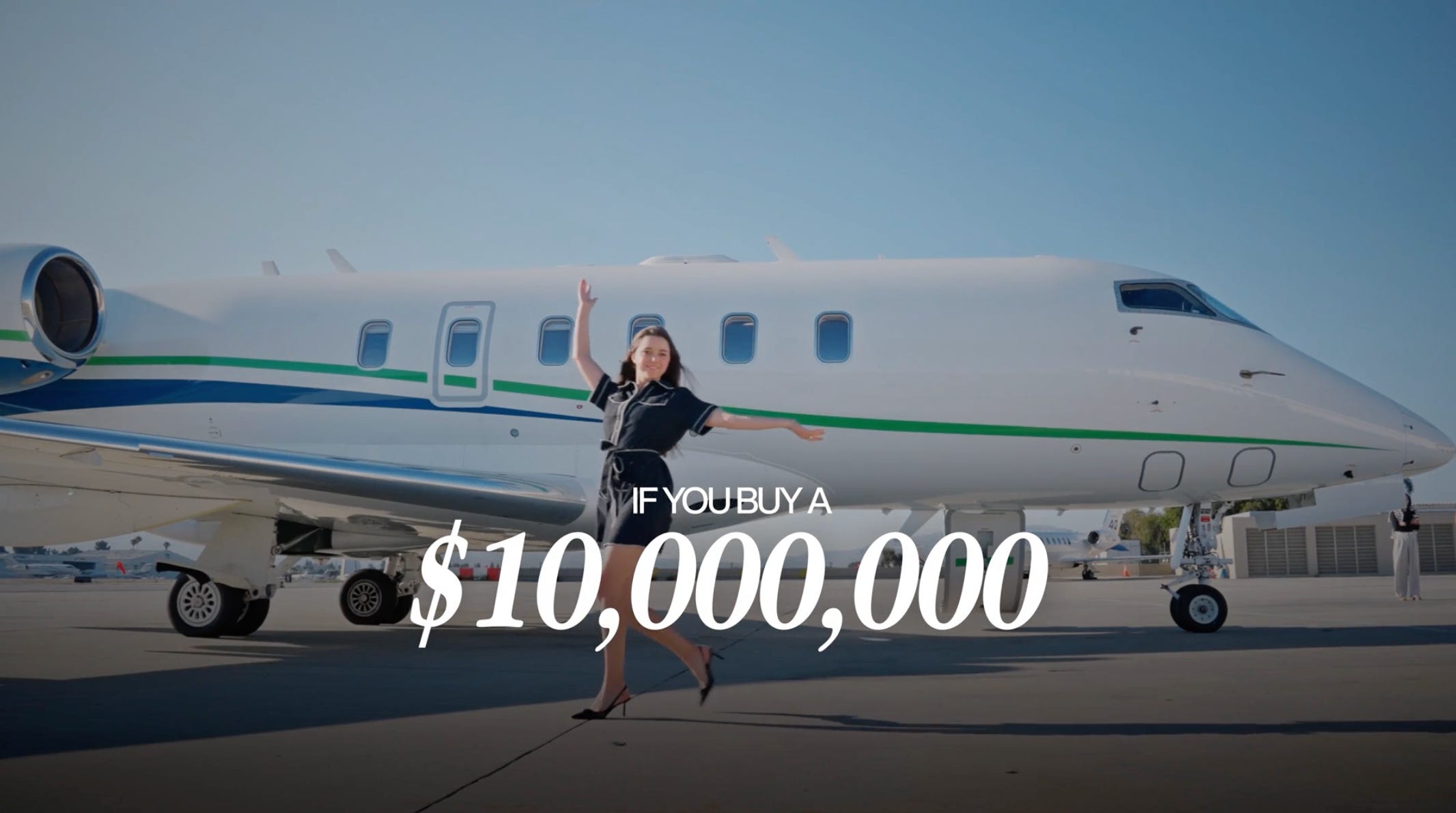
“If you buy a $10 million airplane, you can take a $10 million business deduction the year you bought the plane, even if you financed 80% of it.”
Put down $2 million, finance the rest, and you can still deduct the full $10 million. For a top-bracket California buyer paying around 51%, that is the difference between writing the government a $5 million check & buying an airplane instead. As Israel joked back to me, “There’s no other good reason” people are buying $75 million airplanes right now.

Two conditions, where new tech wealth will get stuck:
The deduction requires a defensible business purpose and more than 50% business use, tracked flight by flight. Most of the people getting rich right now are employees with concentrated stock, not business owners with an operating entity to run a plane through.
More painful, is recapture. If you write the plane down to offset capital gains and then sell it later, you owe recapture, and recapture is always taxed at ordinary income rates.
Israel laid out exactly why that is a trap for someone offsetting SpaceX shares:
“You’re essentially taking a very high interest loan from the government. You saved some tax today, but you paid way more taxes when you sold it.”
His read is that this becomes a structural headwind for the traditional fractional ownership model, because the current structure simply does not fit a buyer whose wealth is in capital gains rather than ordinary income.
This is general information from the conversation, not tax advice, & anyone in this position should run it with their own advisor.

The Exchange Fund Built on Top of a Charter Fleet
Israel’s answer to that mismatch is the most interesting part of Craft’s business, and it came from solving his own problem first.
Running a single airplane gave him a volatile P&L. One month profitable, the next month wrecked by a maintenance event or a pilot leaving. As he added aircraft, the volatility smoothed out, because while one plane was down, several others were flying. Then he realized his customers had the same shape of problem, just with their balance sheets. Their net worth was concentrated in one company’s stock. In his words, they were “one article, one news report away from losing 13, 14% of their net worth in a day.”

So he built an exchange fund, an old structure where a group of people each contribute a different stock into a pooled fund and all walk away diversified. Israel’s analogy: “Kind of like a potluck, where everybody comes with a dish and they walk away with a meal.” The catch with exchange funds is that they require an operating business inside the fund. Historically that meant boring assets like self-storage units. Craft layered the exchange fund on top of an already thriving, cash-generating charter business instead.
The payoff is two-sided. Members diversify a concentrated stock position, and because there is a real operating business in the fund, they also get premium access to aircraft they could not otherwise get. It is a direct response to the exact problem the wealth wave is creating.
How to Charter Without Getting Burned
If you are not buying, you are chartering, and Israel was passionate about the fees and safety gaps that catch first-timers.
Two hidden fees came up.
De-icing, which charter companies pass through to you, often weeks after the flight. “We’ve seen a $24,000 de-ice bill in Aspen,” he said, noting it can run more than twice the cost of the flight itself, and it can hit even when it was not snowing when you flew, because the plane got iced overnight.
Event fees. Private equity has been buying up FBOs, the facilities where planes park, and because they cannot really move fuel prices, they have leaned on event fees to squeeze margin. Israel has seen them attached to things that are not special events at all, like a Harvard graduation, and at marquee events they can run $20,000 to $40,000 for a single drop-off or pickup slot. Fractional providers absorb a lot of this by pre-committing ramp space, which is one more reason people go that route.


On safety, the gap is real and worth understanding. Israel noted that if you looked at all hours flown in 2025, the top 5 providers accounted for about 35%, with the rest spread across a long tail of small operators, some flying only 3 to 10 aircraft. When you charter, you often do not know which one you are getting.
His guidance:
Use a charter broker you trust, specifically a charter broker rather than a sales broker, ideally one who has visited operators and met their safety staff in person.
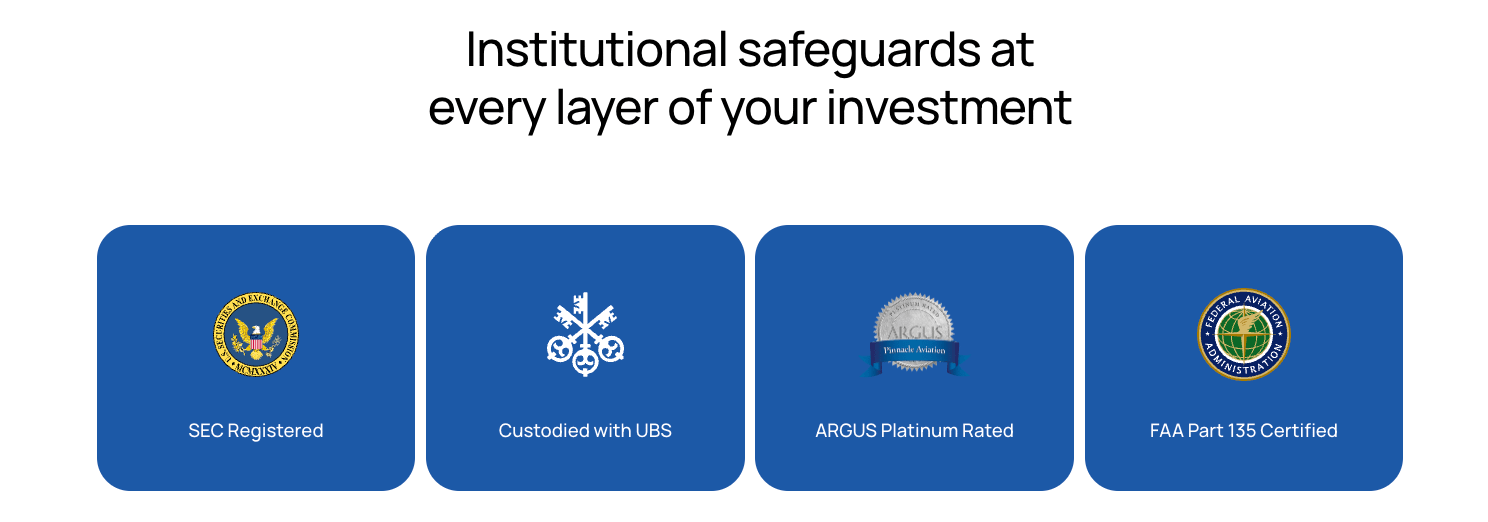
Check whether the aircraft is on a Part 135 certificate, which means it is legal for charter, using FAA resources.
Understand third-party ratings like ARGUS. Israel was candid that the Gold rating is largely “pay-for-play,” while Platinum involves a more in-depth on-site audit. Better than nothing, but he believes the industry needs a better system for helping ordinary travelers tell safer aircraft from riskier ones.
He also flagged airport-specific risk. Craft will not fly into Aspen at night, and keeps extra restrictions around airports like Telluride, Jackson Hole, and Sun Valley. As he put it, “Mountains and airplanes aren’t very friendly with each other.”
The First-Timer Mistakes That Cost the Most
A few mistakes come up again and again, and they are expensive.
The most financially terrifying word in buying a jet, per Israel, is corrosion. “There’s probably nothing that will cost you more money on an airplane than a problem with regard to corrosion,” he said, especially in the engines. Discovering it can mean re-engineering an entire component, which can take months and cost hundreds of thousands of dollars. This is what a real pre-buy inspection is hunting for.
The second mistake is shopping without an exclusive broker. People who tell every broker “whoever brings me the best price gets my business” end up exposed to back-to-back, shady transactions, where someone buys a plane cheap and flips it to them at a markup with several hidden transactions in between. A reputable broker on an exclusive will actually tell you when you are overpaying, because their interest is aligned with getting you the right plane at the right price.
The third is engine program enrollment. The engine manufacturers hold a near-monopoly on the parts supply chain. If you are not on a program and something fails, you go to the bottom of the list for parts. Israel noted that even high-profile owners have skipped this, but unless you have the balance sheet to absorb a major event and months of downtime, it is a dangerous place to save money. A single operator buying one plane has almost no leverage with the manufacturers.
The fourth is buying the wrong size. The trend is toward heavy, but Israel has watched people charter the wrong direction in both ways. His fix is the same as his buy-versus-charter advice: charter the plane you think you want a few times first. The downtime math is brutal regardless of size. On an aircraft like the Challenger, roughly 80% of the parts will ground the plane if they fail, and with manufacturers prioritizing new deliveries over the existing fleet, you can sit grounded for months over a windshield. Israel mentioned replacing a single lav panel for $25,000 and a set of brakes for over $100,000.

Why Starlink Became Non-Negotiable, & the Case That It Is a Tool, Not a Toy
Two themes closed the conversation, and together they explain why this market is not really about luxury at all.
The first is Starlink. Israel was unequivocal: it is a game changer, and “people today won’t fly if you don’t have Starlink. They won’t get on the plane.” Craft installs it across the fleet, but the backlog is real, with orders running through the end of 2027 and a cost around $300,000 per aircraft. The founders he flies, especially in fintech, do not take their heads out of their laptops from takeoff to landing.
His one-liner says it all: “If you’re flying private and you don’t have Starlink, why are you flying private?”
The second is the utility argument, which is the misconception he most wanted to correct. People compare a jet to a yacht, but you do not spend a week on a private jet. “They think that a private jet is a luxury, and in reality this is a tool to allow people more time to do more,” he said.
He pointed to the cabin-altitude difference that reduces fatigue on long flights, a Global 7500 pressurizes to about 3,100 feet versus just under 8,000 feet on a Boeing 787, plus newer features like circadian-rhythm lighting that adjusts to your destination. For someone running multiple companies and crossing time zones constantly, the value is measured in recovered working days.
That is the throughline of the whole conversation. The wealth being created right now is faster, more concentrated, and harder to deploy efficiently than any before it. Flying private is the first thing this money reaches for, and almost nothing about the cost, the tax treatment, or the supply chain is built for who is buying.
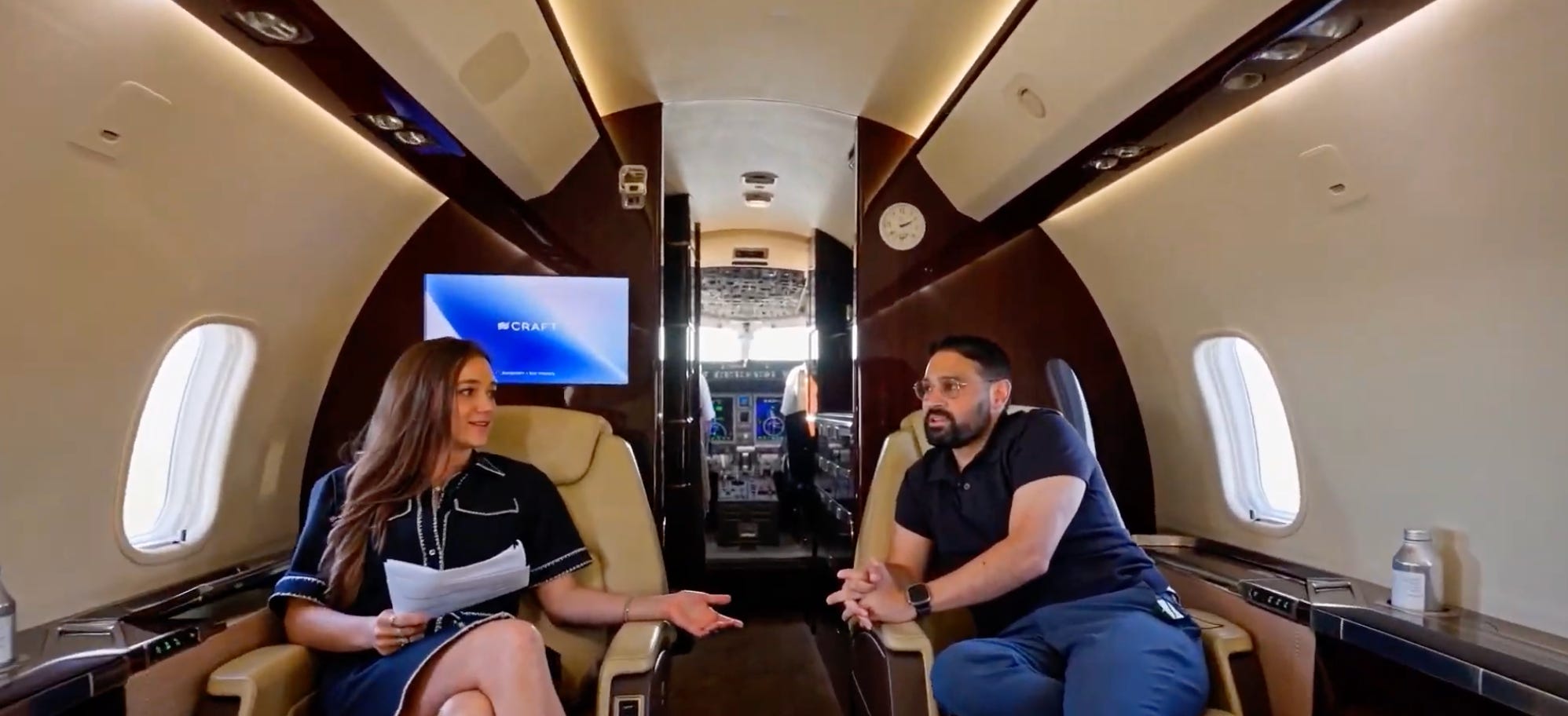
As Israel summed up the honest version of the economics: “Flying private is not economical. There is no real economical way to do it. It’s a very expensive thing, and it’s really a matter of priorities.”
You can reach Izzy & Craft at flycraft.com or useradar.com
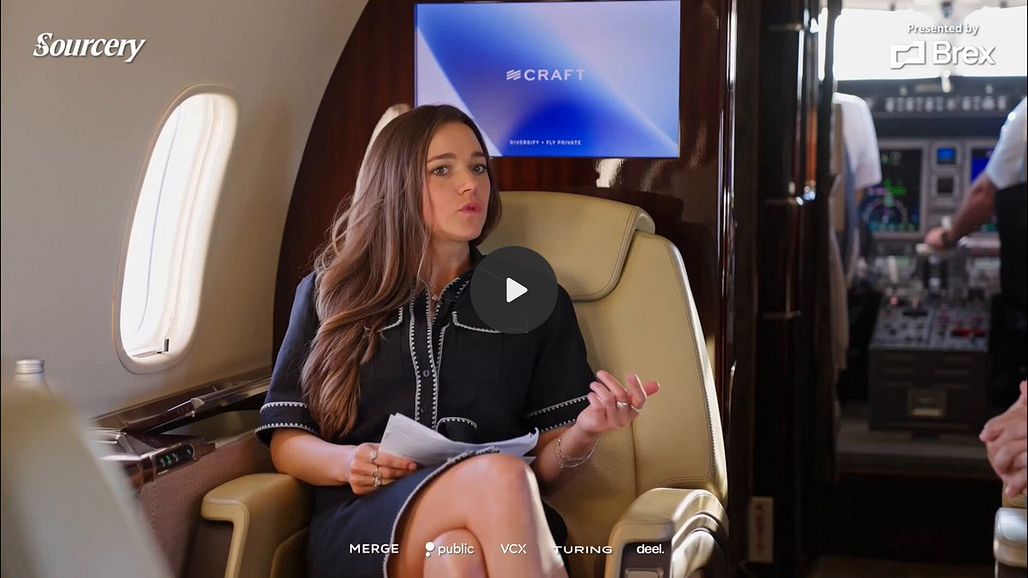
This episode of Sourcery was recorded onboard a Challenger 350 and also features Captain Raz Matus.
→ Listen on X, Spotify, YouTube, Apple
The material presented on Molly O’Shea’s website are my opinions only and are provided for informational purposes and should not be construed as investment advice. It is not a recommendation of, or an offer to sell or solicitation of an offer to buy, any particular security, strategy, or investment product. Any analysis or discussion of investments, sectors or the market generally are based on current information, including from public sources, that I consider reliable, but I do not represent that any research or the information provided is accurate or complete, and it should not be relied on as such. My views and opinions expressed in any website content are current at the time of publication and are subject to change. Past performance is not indicative of future results.
Paid Endorsement. Brokerage services by Open to the Public Investing Inc, member FINRA & SIPC. Advisory services by Public Advisors LLC, SEC-registered adviser. Crypto trading provided by Zero Hash LLC, licensed by the NYSDFS. Generated Assets is an interactive analysis tool by Public Advisors. Output is for informational purposes only and is not an investment recommendation or advice. See disclosures at public.com/disclosures/ga. Matched funds must remain in your account for at least 5 years. Match rate and other terms are subject to change at any time.