


Brought to you by:
Brex—The intelligent finance platform: cards, expenses, travel, bill pay, banking. Built for scale. Trusted by OpenAI, Anthropic, Vercel, Granola, Deepgram, & Sourcery.. teams that move fast AF. visit → brex.com/sourcery

The Biggest Ideas from Config 2026
More than 10,000 designers, engineers, founders, investors, and creators gathered in San Francisco for Figma’s annual Config conference. Beyond the keynote, I sat down with leaders from Figma, OpenAI, Boston Dynamics, MIT Media Lab, IVP, and more to talk about where design, software, robotics, and AI are headed.
Watch on YouTube
Below are some of the biggest ideas from those conversations
Guests:
• Dylan Field, CEO, Figma
• Ian Silber, Head of Product Design, OpenAI
• Brian Ringley, Distinguished Product Manager & Human-Robot Interaction Designer, Boston Dynamics
• Niko Klein, Product Manager, Figma
• Holly Herndon, AI Artist
• Zach Lieberman, MIT Media Lab
• Shreyas Garg, Partner, IVP
We discuss:
• Why AI shouldn't do your thinking
• The future of design in an AI-first world
• Why robotics is closer than most people realize
• Code as a creative material
• Open source vs. frontier AI models
• The next generation of AI products
• What every designer and engineer should learn now
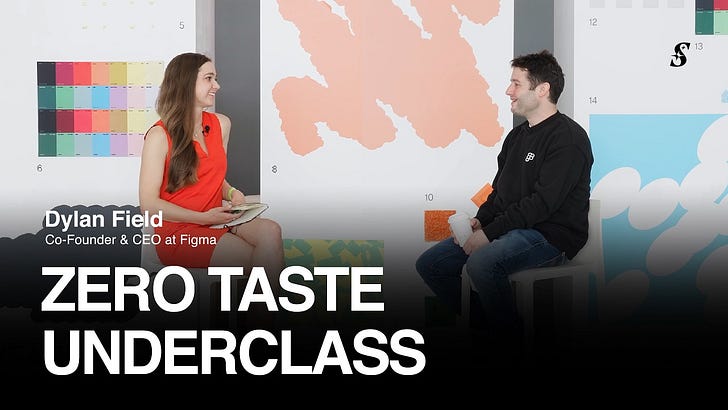
Dylan Field, CEO, Figma
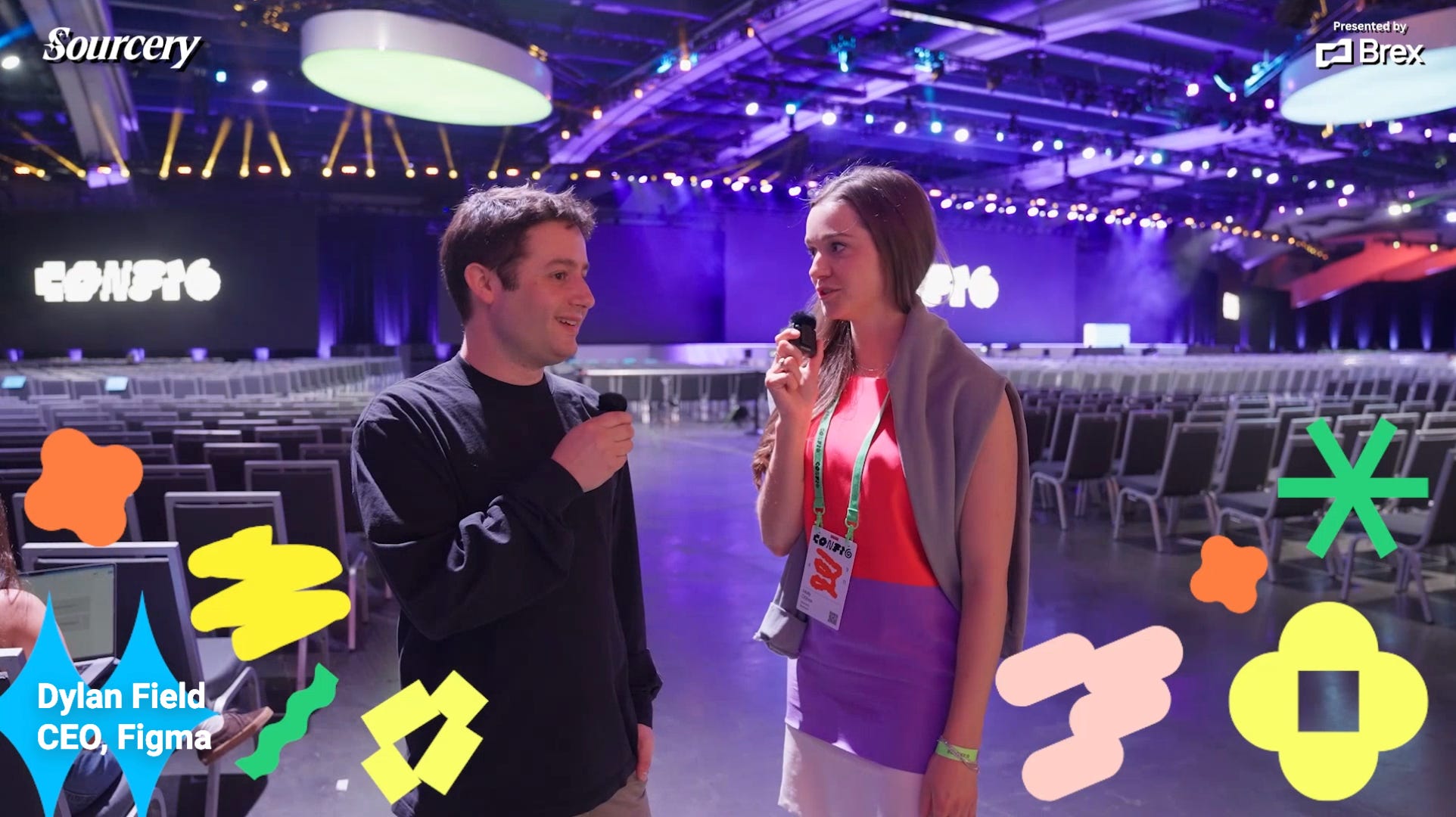
Dylan Field co-founded Figma in 2012 and has built it into the leading collaborative design platform. Minutes after stepping off the Config keynote stage, he shared why independent thinking may become the most valuable skill in the AI era.
“It is not enough to wear a thinking cap. You have to actually think. And there’s a world where a lot of people are getting into this space where they’re letting the AI think for them, and they’re tricking themselves into believing that they’re thinking themselves.”
“Especially when the AI is sycophantic and is telling you you’re so great and such a genius, but then kinda giving you what it wants to do. And you’re like, ‘Oh, yeah, it’s kinda good. I’ll follow that.’ That’s no longer your idea. That’s no longer your intention, and you get to an outcome, and you look at it later and you’re like, ‘What is this?’”
“What you need to do is use AI as a tool to learn, a tool to understand the world better, a tool for leverage to get things that are not the critical stuff done faster, but don’t give up thinking. Don’t give up your brain. Don’t join the hive mind.”


Brian Ringley, Distinguished Product Manager & Human Robot Interaction Designer, Boston Dynamics
Brian Ringley works on Atlas, Boston Dynamics’ humanoid robot, where he focuses on the intersection of robotics, product, and human interaction.
“I think people should be looking at what’s happening right now with your ability to have a conversation with software, and think that we’re not too many steps from you being able to do that with a machine. Think about what it would mean to have a machine in your physical environment.”
“It’s really not enough to have the world’s best hardware, which I believe we do, or to connect that to all the various agents and models and policies that actually give it the intelligence that’s required. It has to be reliable. It has to be serviceable. It has to be cheap and affordable. I think all of those things are what will actually make for a successful humanoid product in the long run.”
“We’re not trying to trick you into thinking it’s a human. We’re not trying to give it any kind of agency in that way. We just want you to look at it and be like, ‘Oh, that’s a useful thing that belongs in a factory,’ and you kind of just understand that by the visual language of the design of the robot and the way that it behaves.”
“There’s a lot of conversation about how the AI brain will commoditize hardware. But I actually think that the opposite is true. No matter what that intelligence is, you still need this physical body that’s capable of interacting with the world, that can do it over and over again, that won’t break down. I think hardware is more important than ever by virtue of this software explosion.”


Ian Silber, Head of Product Design, OpenAI
Ian Silber leads product design at OpenAI, helping translate frontier research into products used by hundreds of millions of people.
“It’s such a cool time to be designing because the way you work with computers is changing. I remember this moment when I typed a bunch of typos into ChatGPT and it just understood me. I was like, ‘That’s just not how computers worked up until a couple years ago.’”
“I actually think that the role of design hasn’t changed at all in many ways. If you think of a designer as someone who’s drawing rectangles, then maybe that’s dead. But great designers are really thinking about and understanding the psychology of how someone interacts with something, the way people are going to approach it, use your product, and who you’re building for.”
“You could now in one prompt make DoorDash. But that doesn’t mean you have a successful business. There’s still a lot of work that goes into understanding what problems you can go after and solve, and how you do that. I think products that have that true care and human touch will really stand out.”
“If I were just starting my career, I would obsess over the changing landscape and tools. Don’t be afraid of it, but embrace it. Technology’s always changed very fast, but it’s never quite changed like this.”


Niko Klein, Product Manager, Figma
Niko Klein spent seven years as a product designer at Figma before becoming a product manager. At Config, he introduced Code Layers and explained why code is becoming another creative material.
“The workflows around code are not fun right now. They’re built for production. They’re built so you don’t ship bugs into production. But it’s not about getting to one idea, it’s about getting to like 600 ideas. Figma’s in the business of getting the bad ideas out so you can find the great ones.”
“Everyone is gonna get to the average a lot faster. And to get to something that stands out, you need to be kind of obnoxiously pushing on your idea, seeing how far you can take it, push it further than you could before.”
“Your responsibility as a designer, as an engineer, as a creator is going to become to not be satisfied and add more things that make it you, that make it your unique take on something. You gotta do this by trying things out over and over and over again.”
“Experts will work in clusters of representations, not files.”
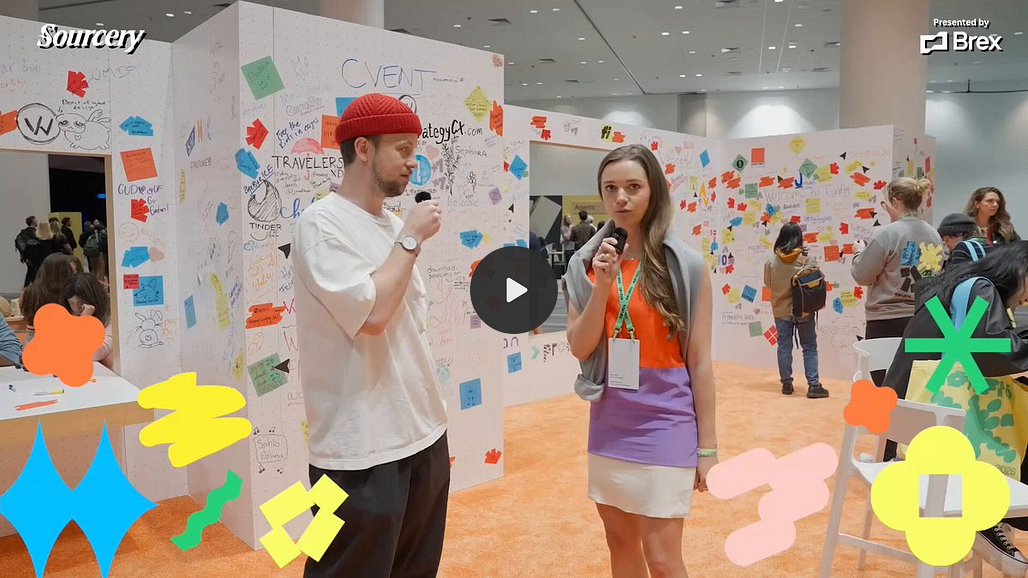
Zach Lieberman, MIT Media Lab
Zach Lieberman leads the Future Sketches Group at MIT Media Lab, where artists and engineers build new creative tools and explore the future of computational creativity.
“The best moment for our students is when they connect what they’re learning now, using new technologies, different forms of data visualization, using AI in interesting ways, but connecting it to who they are. To me, that’s the most interesting moment.”
“Students who don’t have code experience can make incredible work now. Things are blossoming in terms of people who want to express themselves computationally. But also, people can use AI to do their homework really quickly, and then they’re not learning anything.”
“Writing is thinking, drawing is thinking, coding is thinking. If we automate away all of the thinking, we’re getting to the end result faster, but we’re losing all of the learning.”
“Creativity actually comes from the friction.”
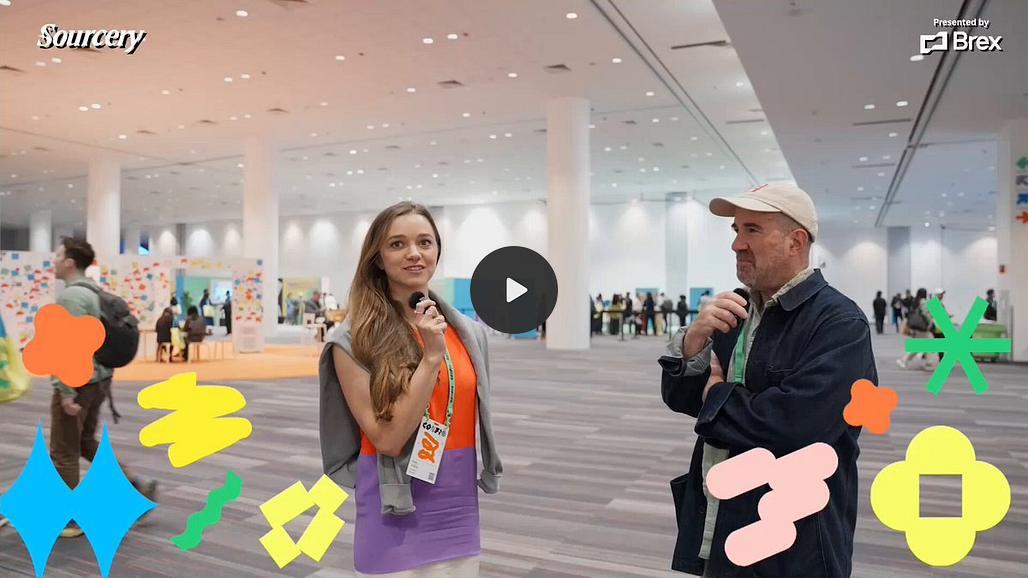

Holly Herndon, Artist & AI Researcher
Holly Herndon has spent years exploring generative AI in music and art, often building her own datasets and training custom models rather than relying on commercial systems.
“I was talking about making art with AI and trying to have a human centered approach, where human intent remains at the core.”
“My favorite AI tool? Choirs. I like making collectively trained models. I like recording various vocalists and then making my own datasets. Making datasets can actually be really fun, and it can be an art in and of itself.”
“I think that underestimates human ingenuity and creativity. I think it’s just gonna ask more of us. And I think that’s gonna make us maybe grow creatively.”
“I’m excited to further build out our studio using agents, and see really how far we can take that.”
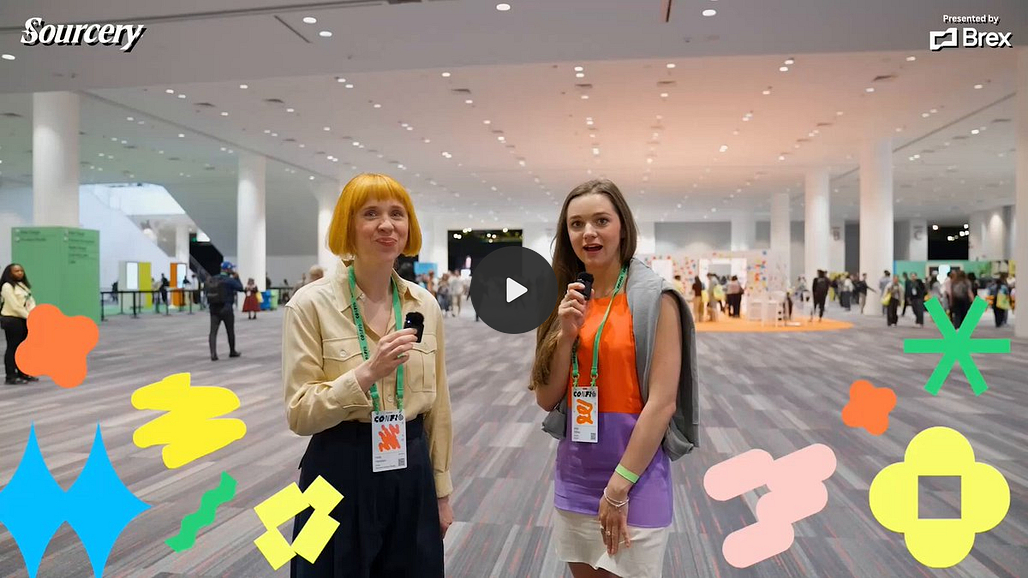
Shreyas Garg, Partner, IVP
Shreyas Garg is a partner at IVP and an investor in companies including Anthropic and Suno. We discussed investing, frontier models, robotics, and what comes after foundation models.
“Design is gonna become more and more important in the future. You’re not gonna have some agent be able to design beautiful things. It’ll have to be the human, and humans need the granularity to shape the small things that make a product beautiful and really fun to use.”
“I think a lot of people are looking for local maximums because they’ve missed the big labs, looking for companies that could be like that instead of spending time thinking, ‘What’s actually gonna be the next thing?’ I think a lot of people are spending time in the local maxima and not really thinking bigger picture.”
“I don’t view it as nearly so binary. I think the answer is just AI is gonna be big, and both will win. You’ll see companies benefit from both trends.”
“There’ll be tasks that you don’t need to use an Anthropic for. But there will be a lot of tasks. I’m invested in a protein model helping pharma companies develop better drugs. I want frontier intelligence on that. I want that thing trying to solve cancer. You’re not gonna use the open source cheap model for that. You’re gonna use the expensive stuff because you actually want to solve a very, very important problem. I think the value of frontier intelligence will be pretty durable.”
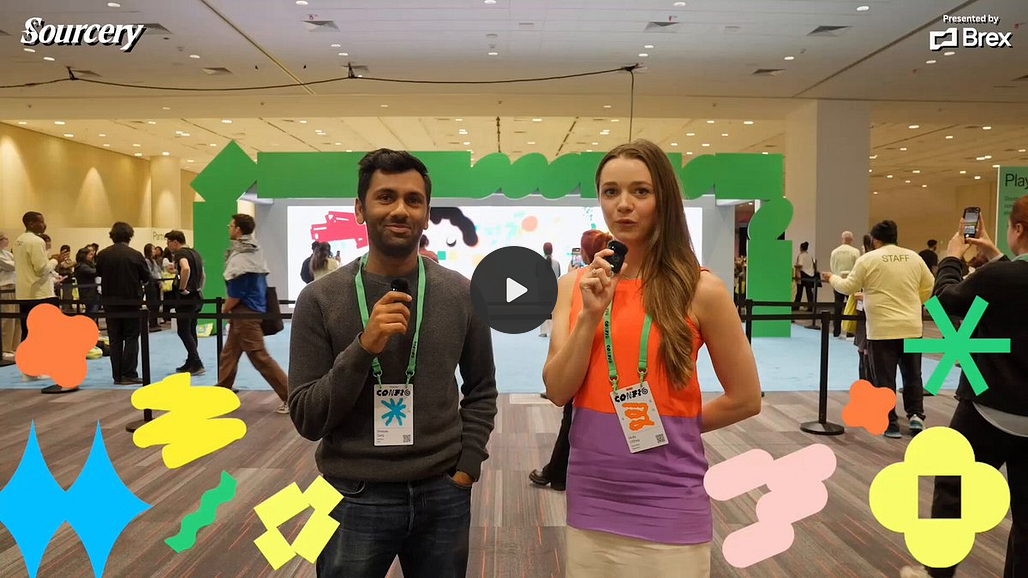
Want more Figma? Check out our interview with CEO Dylan Field
→ Listen on X, Spotify, YouTube, Apple
Brought to you by:
Turing—Turing partners with frontier AI labs to improve model capabilities in coding, reasoning, tool use, & multimodality, as well as with Fortune 500 enterprises to build & deploy end-to-end agentic AI systems in mission-critical workflows Visit: turing.com/sourcery
VCX—VCX is the public ticker for private tech, allowing investors of all sizes to invest in venture capital. View The Portfolio at GetVCX.com
Deel—Deel is the global people platform that helps startups hire, manage, pay, and equip anyone, anywhere. Trusted by more than 35,000 fast-growing companies, Deel is the people platform that just works, so teams can scale without the chaos. Visit: deel.com/sourcery
Public-–Investing platform Public just launched Generated Assets, which lets you turn any idea into an investable index with AI. With Generated Assets, you can build, backtest, refine, and invest in any thesis with AI. Gone are the days of one-size-fits-all ETFs. Try it today: public.com/sourcery
The material presented on Molly O’Shea’s website are my opinions only and are provided for informational purposes and should not be construed as investment advice. It is not a recommendation of, or an offer to sell or solicitation of an offer to buy, any particular security, strategy, or investment product. Any analysis or discussion of investments, sectors or the market generally are based on current information, including from public sources, that I consider reliable, but I do not represent that any research or the information provided is accurate or complete, and it should not be relied on as such. My views and opinions expressed in any website content are current at the time of publication and are subject to change. Past performance is not indicative of future results.
Paid Endorsement. Brokerage services by Open to the Public Investing Inc, member FINRA & SIPC. Advisory services by Public Advisors LLC, SEC-registered adviser. Crypto trading provided by Zero Hash LLC, licensed by the NYSDFS. Generated Assets is an interactive analysis tool by Public Advisors. Output is for informational purposes only and is not an investment recommendation or advice. See disclosures at public.com/disclosures/ga. Matched funds must remain in your account for at least 5 years. Match rate and other terms are subject to change at any time.