


DAAAAAAMN
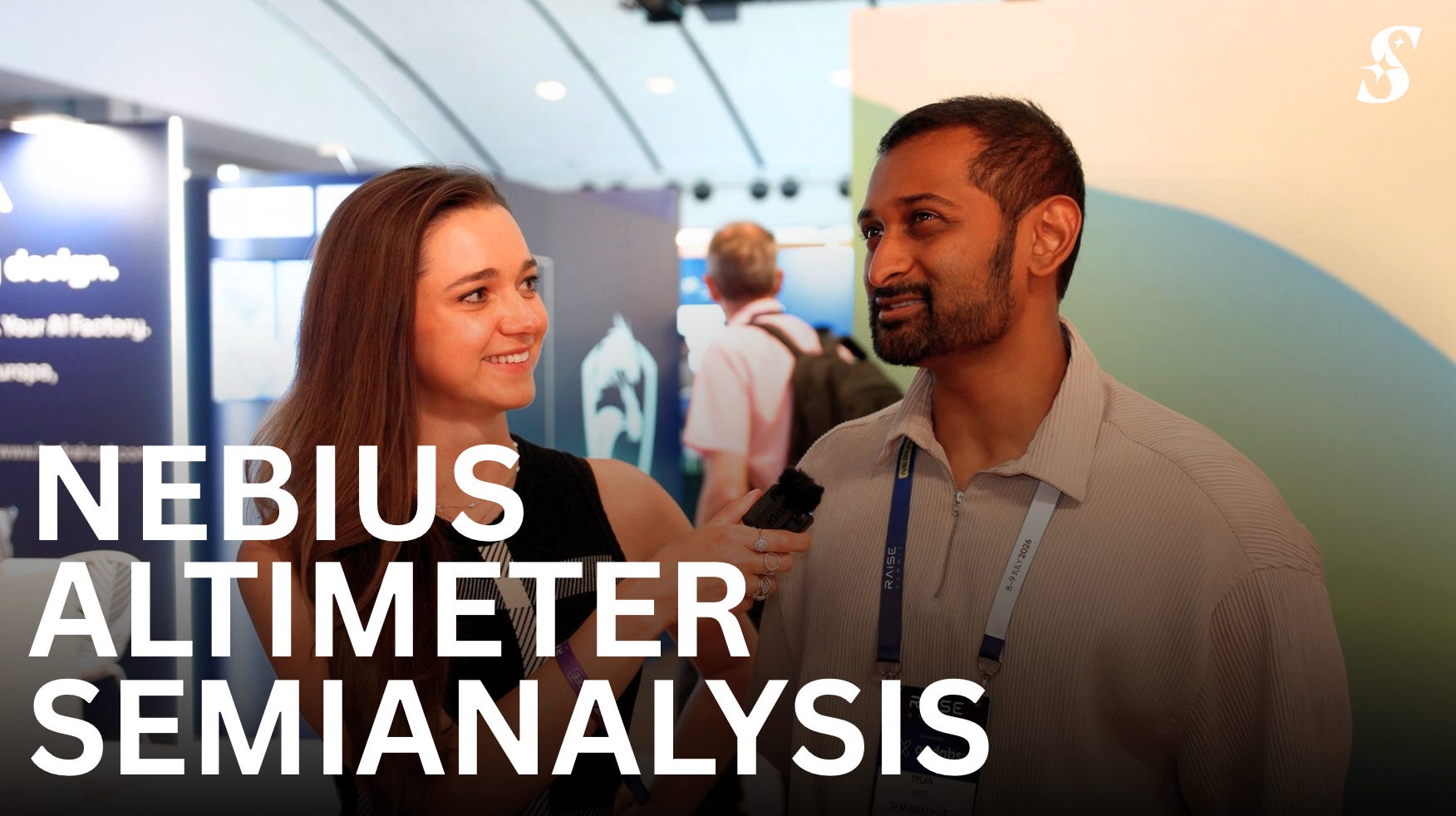
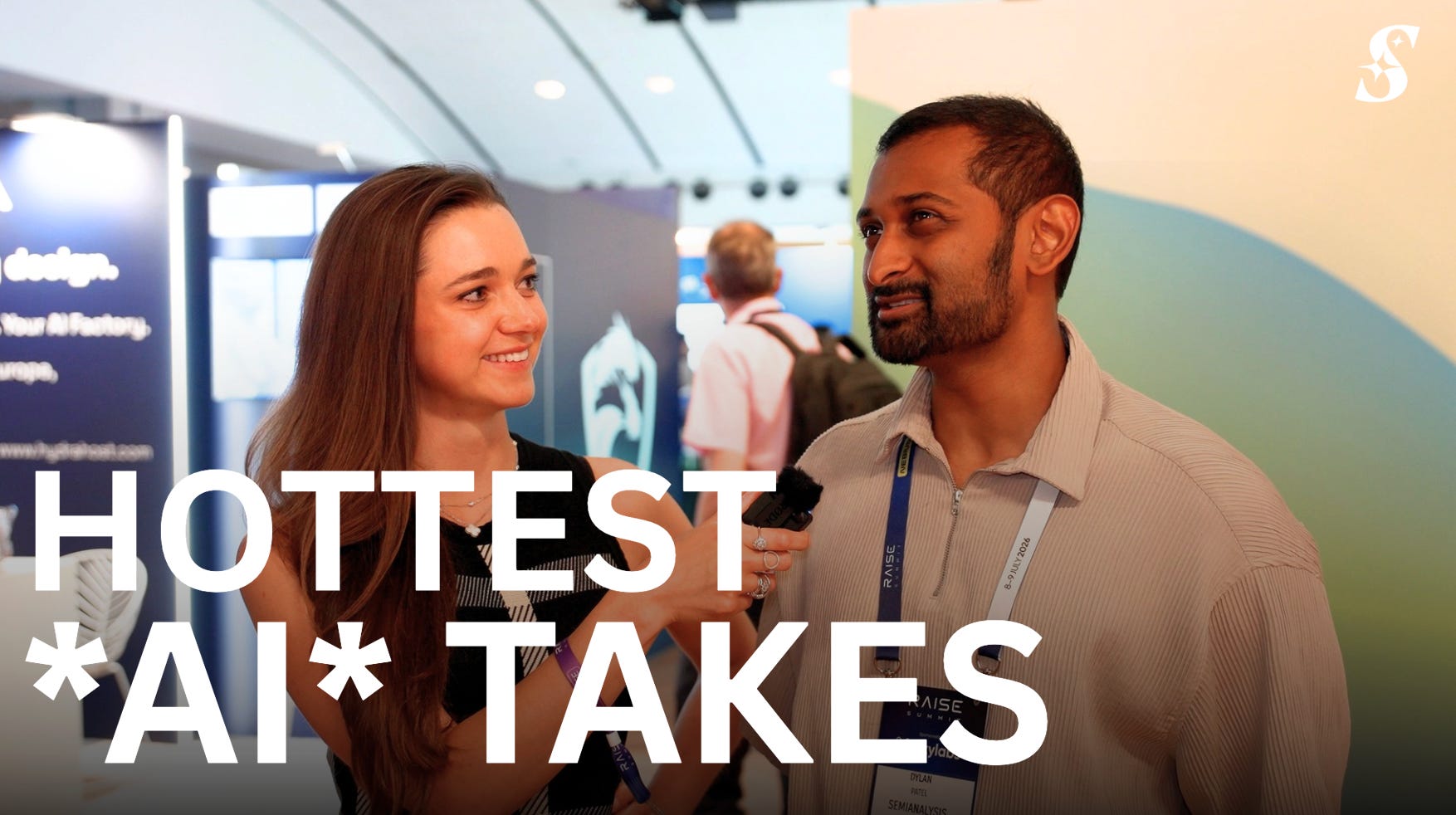
Day 2 of RAISE Summit in Paris, the biggest AI summit in Europe. 12 of the biggest names in AI, CEOs, CTOs, & Investors give us their hottest takes on the debates splitting the room right now: is token maxing genius or a waste, is open source dying or about to take over, and are we about to explode? (I’m just being dramatic)
→ Listen on X, Spotify, YouTube, Apple
The disagreements are the best part. Dylan Patel (SemiAnalysis) loves token maxing and says open source is dying quickly, while others call token maxing the wrong approach entirely. Qasar Younis (Applied Intuition) on the opulence phase of the cycle and the pullback he sees coming. Apoorv Agrawal (Altimeter) on the four seasons of AI and planning for the climate, not the weather. Plus enterprise ROI, physical AI, petabyte-scale search, and why data is back.
"Open is dying quickly." - Dylan Patel, SemiAnalysis.
"There are 4 seasons in AI. They're called OpenAI, Anthropic, SpaceX, Google." - Apoorv Agrawal, Altimeter.
Guest lineup:
Dylan Patel, CEO, SemiAnalysis
Qasar Younis, CEO, Applied Intuition
Apoorv Agrawal, Partner, Altimeter Capital
Laura Diorio, NYSE
Arvind Jain, CEO, Glean
Ariel Cohen, CEO, Navan
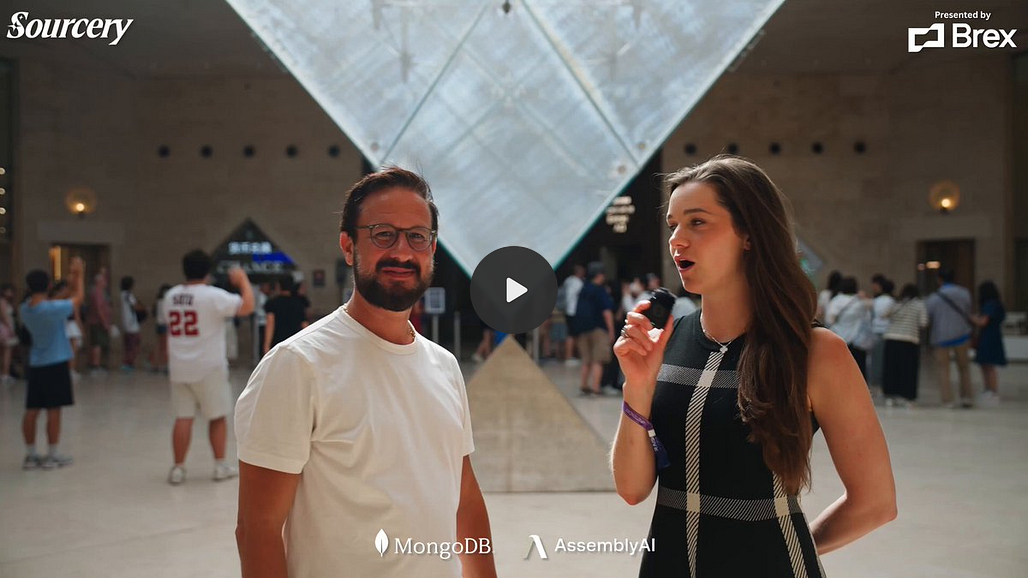
CJ Desai, CEO, MongoDB
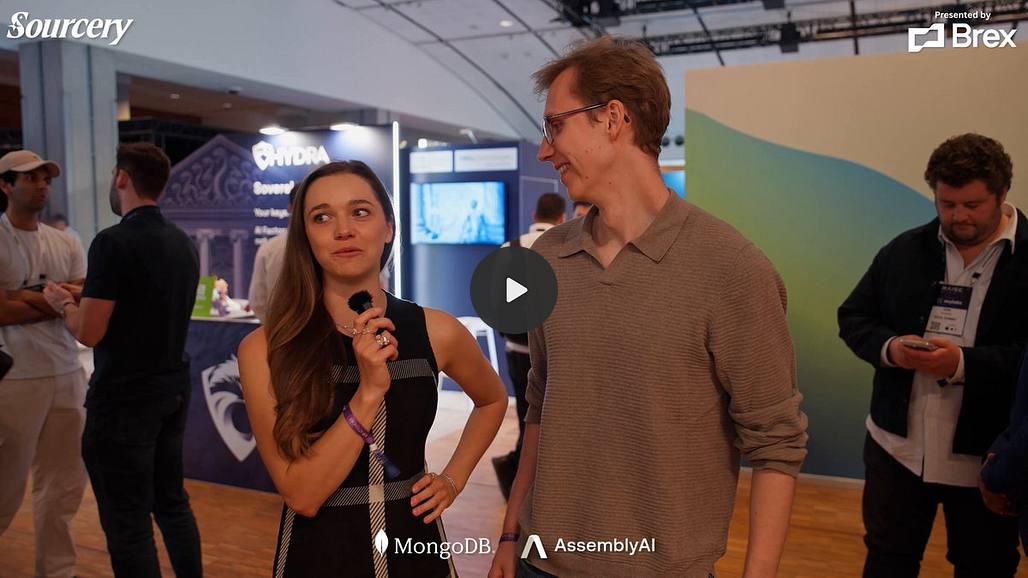
Gil Feig, CTO, Merge
Nikhil Benesch, CTO, TurboPuffer
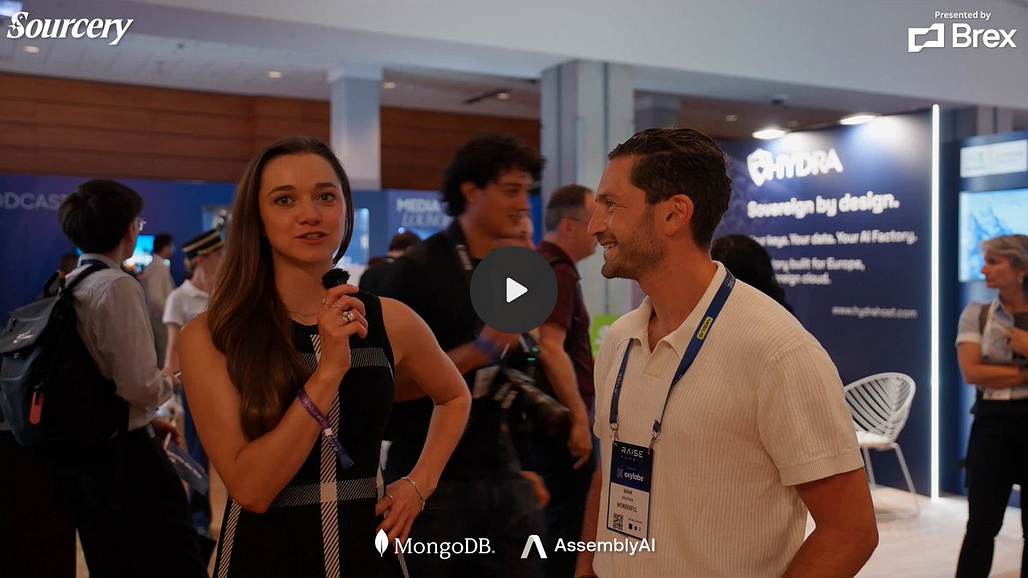
Barak Kaufman, Chief Strategy Officer, Wonderful
Max Junestrand, CEO, Legora
Marc Boroditsky, CRO, Nebius
Special thank you to Brex, MongoDB, & AssemblyAI for helping make this RAISE AI Summit mini-series in Paris, France happen.
𝐓𝐈𝐌𝐄𝐒𝐓𝐀𝐌𝐏𝐒
00:00 RAISE Summit Day 2
00:12 Qasar Younis (Applied Intuition)
03:46 AI Trends at RAISE
05:29 Applied Intuition Updates
09:46 Bubble Risks and Books
15:37 Self-Driving Future
17:29 Dylan Patel (SemiAnalysis)
22:05 Tokenmaxxing Debate
24:31 Marc Boroditsky (Nebius)
28:37 Arvind Jain (Glean)
32:02 Laura Diorio (NYSE)
35:03 Apoorv Agrawal (Altimeter): Four Seasons of AI
38:23 Nikhil Benesch (TurboPuffer)
42:18 CJ Desai (MongoDB): Agent Data Layer
43:00 Barak Kaufman (Wonderful)
45:34 Max Junestrand (Legora)
49:35 Gil Feig (Merge)
51:58 Ariel Cohen (Navan): Bullish on Humans
54:54 CJ Desai (MongoDB): Data Is Back
Brought to you by:
Brex—The intelligent finance platform: cards, expenses, travel, bill pay, banking—wrapped into a high-performance stack. Built for scale. Trusted by OpenAI, Anthropic, Vercel, Granola, Deepgram, & Sourcery.. teams that move fast AF. visit → brex.com/sourcery

MongoDB–Millions of developers and more than 65,200+ customers across industries – including ~75% of the Fortune 100 – rely on MongoDB for their most important applications. With integrated capabilities for operational data, search, real-time analytics, & AI-powered data retrieval, MongoDB helps organizations everywhere move faster, innovate more efficiently, & simplify complex architectures. visit → mongodb.com/ai
AssemblyAI–Millions of developers use AssemblyAI to power their voice ai apps & features. One API gives you access to best-in-class speech-to-text, voice agent, & speech understanding models for both pre-recorded and real-time audio. Granola, ClickUp & HeyGen are scaling with AssemblyAI - get $50 of free credits today → AssemblyAI.com/sourcery
The 12 Hottest Takes, RAISE Day 2
At the RAISE Summit in Paris, we pulled 12 of the biggest names in AI, CEOs, CTOs, & Investors aside for their hottest takes on where AI is heading.
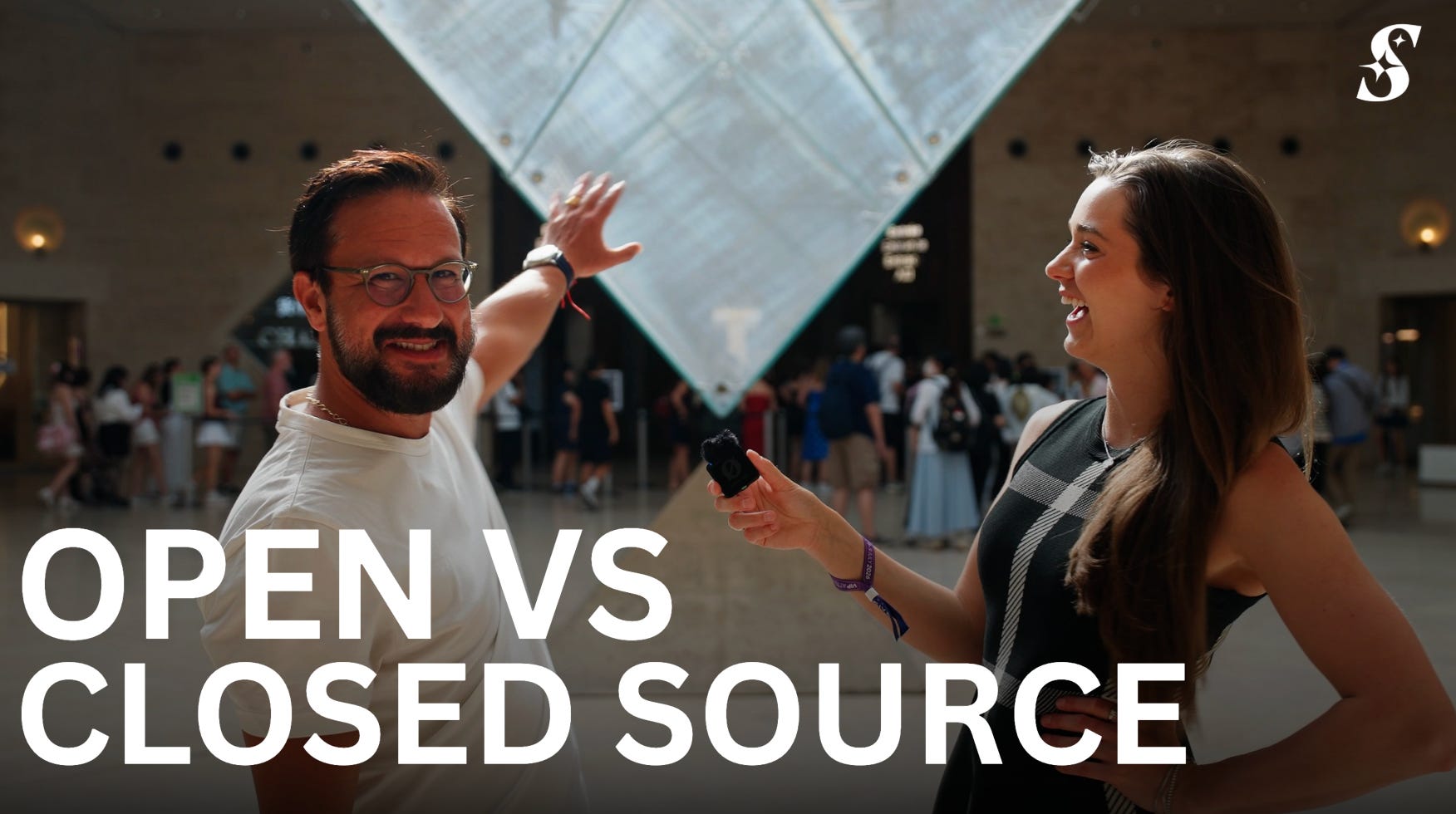
Open Source vs Closed Models
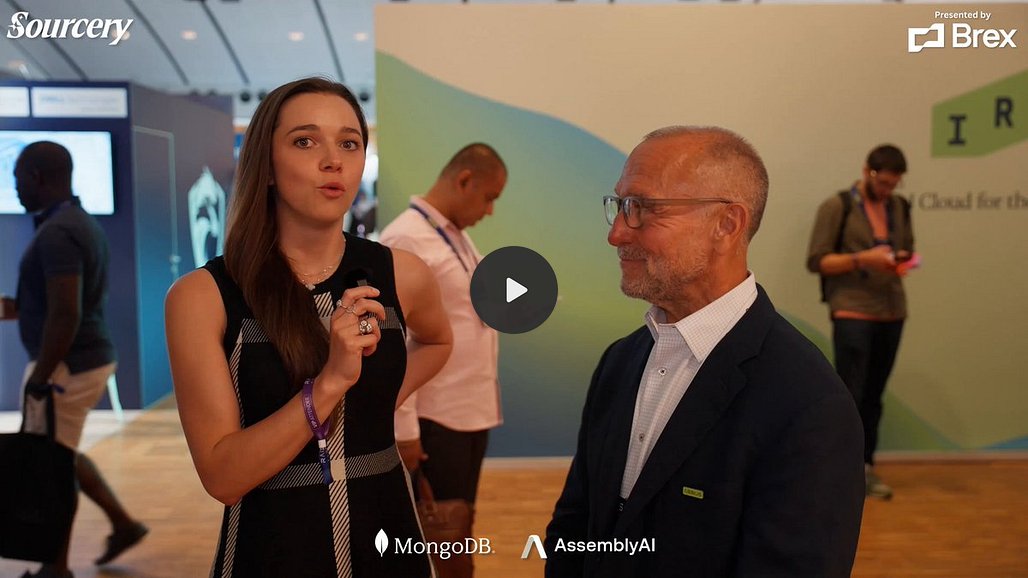
Arvind Jain, CEO, Glean
Jain works across both closed and open models and expects the balance to flip inside two years. Glean routes to the cheapest capable model for each task through its context graph.
“Open source models are gonna dominate AI inferencing. You’ll see in the next two years, we’ll shift to where it’s almost no open source to where it’s gonna be almost all open source.”
“All these agents that you want to automate the work that humans do, they need that context, that data, that information that humans use to do the same work. Being the leader in context graphs is helping create a massive demand for Glean.”
“We can pick the right model. Since we work with all the closed domain and open source models, we can pick the right model for the right task, which is cheaper but still gets the work done.”

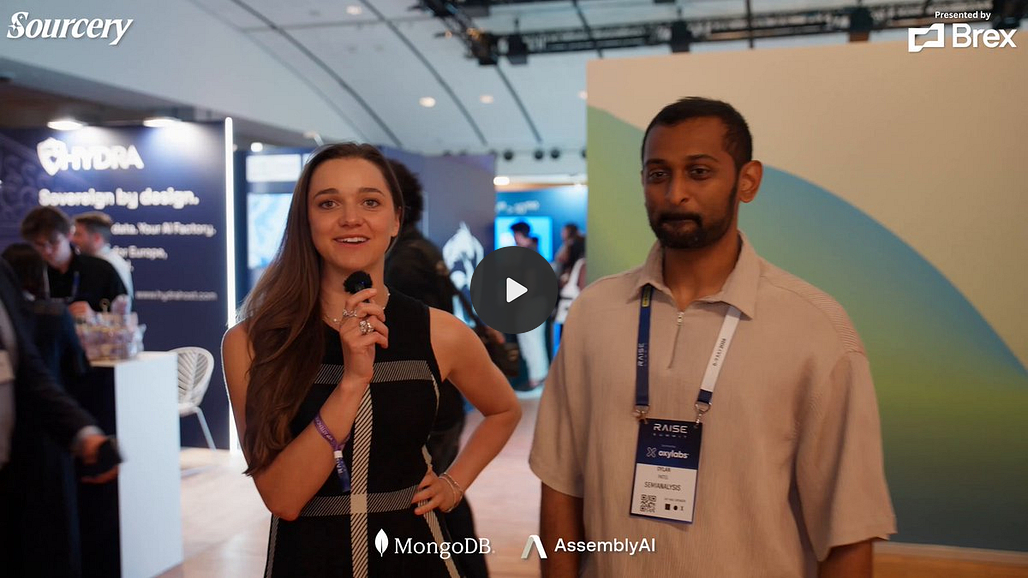
Dylan Patel, CEO, SemiAnalysis
Patel reads the direction differently, pointing to Chinese labs shifting from open releases to licensing.
“The theme here is that there’s multiple Chinese model labs who are telling all the inference guys, hey, our next model’s not gonna be open source, we’re gonna license it to you. So open is dying quickly, unfortunately.”

Is Tokenmaxxing Working?
Dylan Patel, CEO, SemiAnalysis
Patel treats token budgeting as a drag on adoption, with a caveat on ROI.
“I love tokenmaxxing. I think anyone who doesn’t tokenmaxx is gonna get left behind. I think all this token budgeting stuff is loser mentality.”
“If you’re token budgeting hardcore, then your people are not gonna learn the new workflows, and they’re gonna get left behind. They’re not gonna reshape your company and make it more efficient.”
“I got mad at someone ‘cause their model was set to Haiku, and they didn’t even realize. They spent like $1,000 on Haiku. They changed to Opus or Fable now, and they’re so much more productive.”


Gil Feig, CTO, Merge
Feig takes the opposite read, tying output to iteration speed rather than token volume.
“Tokenmaxxing, not working. You’re getting zero results from using more tokens. It was cool to encourage your employees to use more AI, but what we’re seeing now is we’re not getting more output.”
“The only thing that people are seeing a real connection between productivity and usage of AI is how you use AI to bring your cycle times down, get feedback, and iterate really quickly.”


The Infrastructure Build-Out
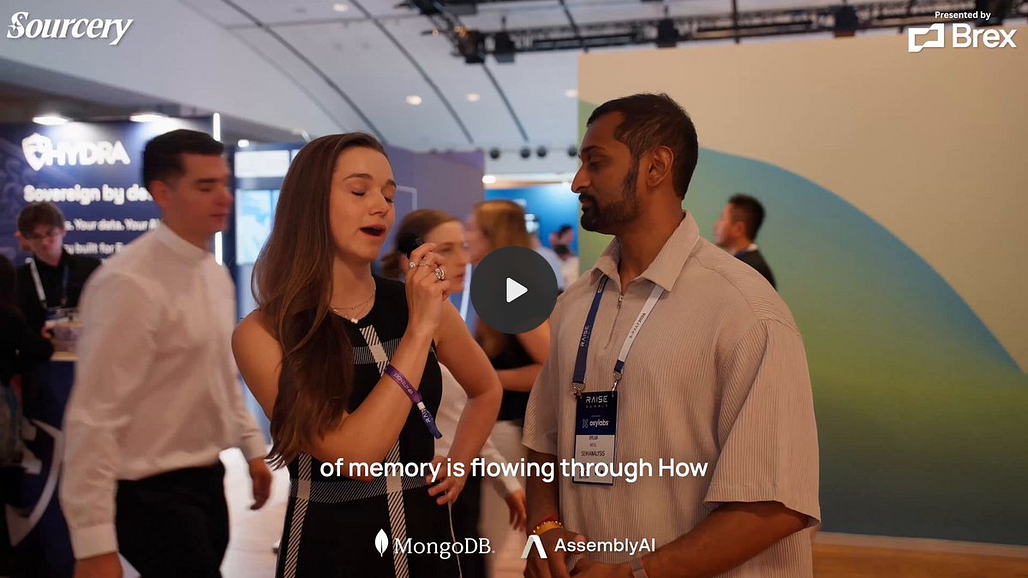
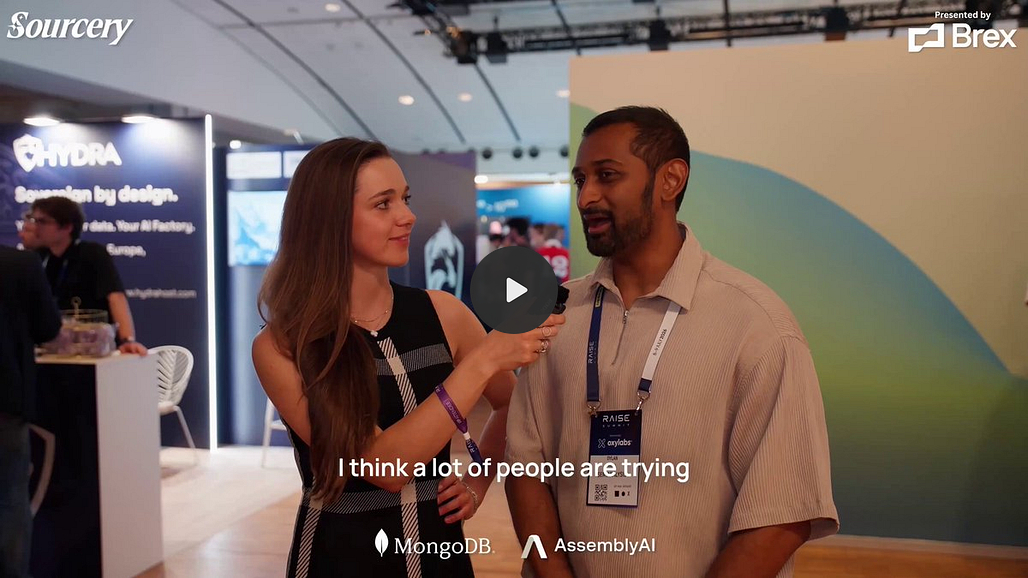
Dylan Patel, CEO, SemiAnalysis
Patel warns that building three-year infrastructure around today’s workloads leads to waste, and that memory costs are already flowing into token prices.
“A lot of people are trying to build all these optimized solutions for data centers, and they’re just looking at a backward-looking view. And then when they actually end up building that infra, a lot of it may be useless.”
“It feels like a lot of people are trying to optimize on the current rather than think about where the workload is heading. And that’s gonna lead to a lot of wasted infra spend.”
“We’ve seen next generation hardware receive price increases before they’ve even started production. We see that with cost of tokens not falling as fast as they were previously, because the cost of memory is flowing through.”
Marc Boroditsky, CRO, Nebius
Boroditsky points to enterprise adoption as the next stage and a diversified data center portfolio as Nebius’s edge.
“The discussion is shifting from what are AI natives building to when are enterprises adopting. It’s really incredible to see the bridges being built to see enterprise adoption take place.”
“The biggest problem with the build-out of data centers is something that Nebius is not experiencing, which is that a lot of people are focused on single individual projects. Today, we have 20 data centers.”
“The biggest challenge that many of our competitors are facing is being single-threaded, which is strange when you’re in a multi-threaded parallel processing industry and getting stuck with a single project.”
Storytelling & Public Markets
Laura Diorio, NYSE
Diorio points to partnerships & storytelling as what separates companies from overused mainstream buzzwords.
“The thing that’s making these companies stand out is their access and visibility. It’s their partnerships. We’re seeing it in real time, watching real C-suite founders, entrepreneurs actually meeting in person to close deals.”
“It is about the story you’re telling, how well you’re telling it, and where you’re gonna go from there, how it’s gonna set you apart.”
“If you have a clear message, and you have a clear goal with really good people, that’s what helps with being in person. You meet the actual, real good people.”
The Cycle: Bubble Risk & What Lasts
Qasar Younis, CEO, Applied Intuition
Younis flags cost structures and a coming pullback, draws a parallel to the collapse of LTCM, and argues physical AI is the longer story. Applied Intuition’s mission is to put intelligence on a billion machines.
“We’re at that phase of the bubble where all the opulence in the companies is what people talk about rather than the products. And so I think there’s gonna be a little bit of a pullback.”
“LTCM was this hedge fund in the late ‘90s that was a bunch of savants, geniuses, and they kinda do what’s happening now with compute, which is they just used leverage. Is there something that happens more peripherally in the AI business, and then it has a domino effect into our business?”
“Our mission is to get intelligence onto a billion machines. I think the physical world and AI going into that, when we look back, that’s gonna be the bigger story.”
4 Seasons of AI
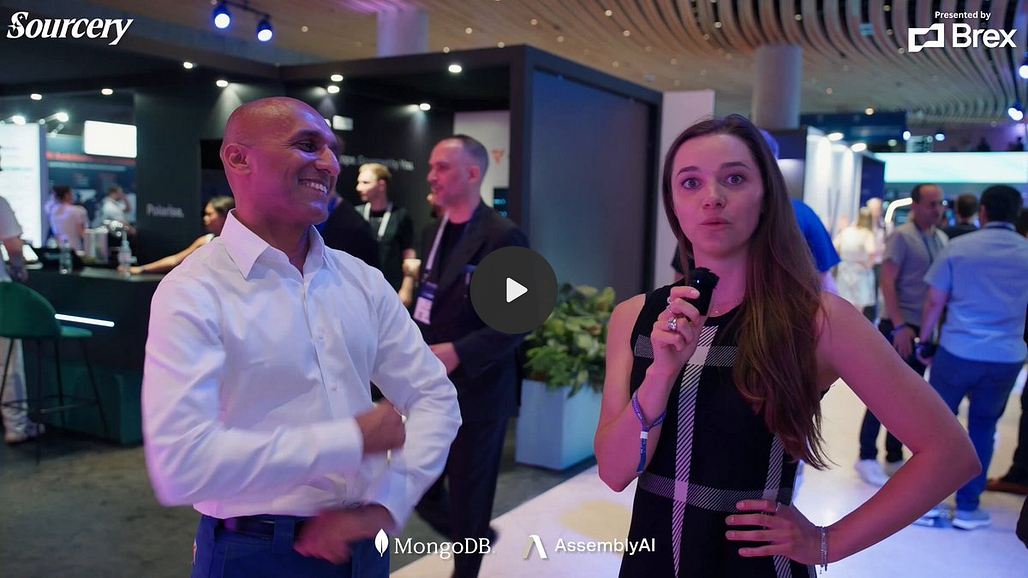
Apoorv Agrawal, Partner, Altimeter Capital
Agrawal frames model choice as a climate to plan for rather than a single bet.
“There’s four seasons in AI. They’re called OpenAI, Anthropic, SpaceX, and Google. So if you’re about to make a multimillion, billion-dollar decision of which lab to build your intelligence on, plan for the climate, not for weather.”
“That’s multi-model routing. That’s evals. That’s thinking about post-train custom models. It’s not a state. It’s a four seasons of the year.”
“You’ll have a portion of your workloads going through open source, and then the frontier stuff, discovering new use cases, will always go through the most intelligent models. Planning to not get stuck in one regime is the climate.”
Search, Data, & Retrieval
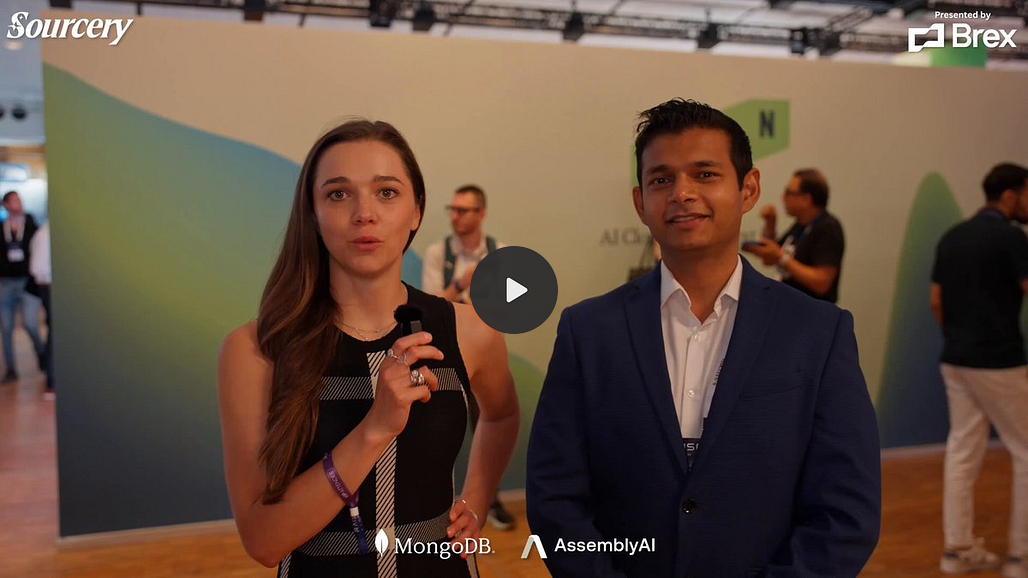
Nikhil Benesch, CTO, TurboPuffer
Benesch powers retrieval for Cursor, Notion, Legora, and Anthropic, and argues search economics still cap what products can be built. TurboPuffer’s largest workloads cost tens of millions of dollars to search over.
“I think search is still too expensive, and TurboPuffer was founded because we thought search was an order of magnitude too expensive at the time. We’ve brought it down by an order of magnitude, but it kills us that there are still products out there that are limited in their ambition because search is still too expensive.”
“If you’re spending $5 on TurboPuffer per user, but you’re only charging your users $5 a month, the economics just don’t work. But if we can bring that cost down so you’re only spending 50 cents a user, suddenly you’re able to build a product where you couldn’t before.”
“We used to think in terms of gigabytes or terabytes. Folks are coming up to me with not just one, but 10 or hundreds of petabytes that they wanna search over.”
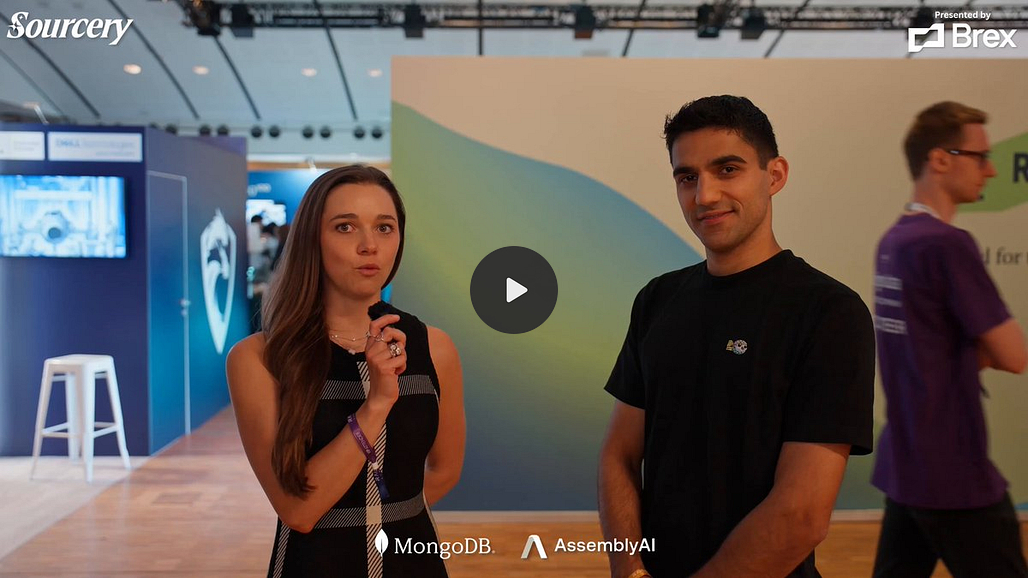
CJ Desai, CEO, MongoDB
Desai puts the data layer at the center of every AI application.
“Data is the unsung hero and data is back. You cannot create an AI application without a great data layer, and your AI application is as good as your data.”
“Number one is about customer-focused innovation and making sure we are the foundational layer for all AI applications and agentic applications.”

Going Global
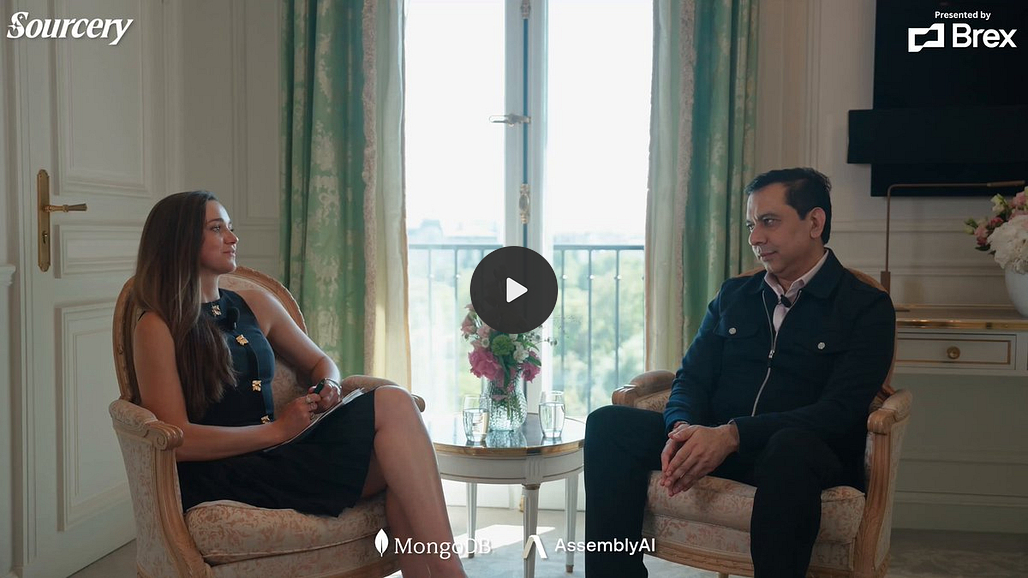
Barak Kaufman, Chief Strategy Officer, Wonderful
Kaufman argues geography beats vertical specialization, run on an Uber-style go-to-market. Wonderful operates in over 30 countries.
“I believe geographies will be even bigger than verticals when it comes to AI. When you look at actual labor and labor displacement and where it’s likely to go, countries are way more interesting from an expansion perspective than verticals.”
“You can go horizontal without a vertical specialization with AI, as long as you’re able to solve the go-to-market strategy with it. It’s the enterprise applied AI playbook with the Uber go-to-market strategy.”
“What it requires is a non-consensus insight that you need to actually be right about. For Wonderful, that was the geographic focus, to go horizontal in terms of the use cases, but to focus on rest of world versus US.”
Max Junestrand, CEO, Legora
Junestrand calls out European startups for complaining rather than building for global scale. Legora was the first legal AI company to move to consumption-based pricing.
“My hottest take is that there is a lot of complaining from European startups rather than just locking in and building for the global stage. I think there’s a bit of laziness.”
“It’s nice in the summers here to go to Italy or to go to France. But if you wanna build the biggest companies in the world, you’re competing with the US, you’re competing with China. If you wanna win globally, you need to work as hard as they do.”
“We were the first legal AI company to move into consumption-based pricing. Token consumption is going to be the pricing model in legal, and I expect many of the other companies to follow us.”

Integrations, Security, & Sovereignty
Gil Feig, CTO, Merge
Feig locates the real risk at the integration layer & expects enterprises to demand control.
“Integrations are the point where an LLM actually becomes dangerous. Something isolated, an LLM, it might insult you, but it’s not gonna do much worse than that. But the second that thing can send your data elsewhere, that’s where all the problems come in.”
“There’s never been a good position in business to hand over the fate of your company, your future, your development, to another company. So people are gonna want sovereignty. They want control over their own systems. They do not wanna be locked in.”
Humans in the Loop
Ariel Cohen, CEO, Navan
Cohen argues humans stay central, especially in travel, where hallucinations carry real consequences. Navan grew usage 50% and revenue 40% last quarter and passed $10 billion in annual bookings.
“How humans are still so important, both for meeting and being here, but also supporting all of this. You cannot have an AI agent do everything, especially with travel, because it’s so complex.”
“We’ve built our own platform, our own model to prevent that, and we are supporting most of our customers by using our own AI platform that actually does not hallucinate.”
“We can do all of this AI infrastructure, the AI fun stuff, but we need to remember that we are all humans and this needs to stay.”
The material presented on Molly O’Shea’s website are my opinions only and are provided for informational purposes and should not be construed as investment advice. It is not a recommendation of, or an offer to sell or solicitation of an offer to buy, any particular security, strategy, or investment product. Any analysis or discussion of investments, sectors or the market generally are based on current information, including from public sources, that I consider reliable, but I do not represent that any research or the information provided is accurate or complete, and it should not be relied on as such. My views and opinions expressed in any website content are current at the time of publication and are subject to change. Past performance is not indicative of future results.
Paid Endorsement. Brokerage services by Open to the Public Investing Inc, member FINRA & SIPC. Advisory services by Public Advisors LLC, SEC-registered adviser. Crypto trading provided by Zero Hash LLC, licensed by the NYSDFS. Generated Assets is an interactive analysis tool by Public Advisors. Output is for informational purposes only and is not an investment recommendation or advice. See disclosures at public.com/disclosures/ga. Matched funds must remain in your account for at least 5 years. Match rate and other terms are subject to change at any time.