

Strikes & Gutters, Ups & Downs
Max Levchin, Fmr Co-Founder & CTO of PayPal, now Co-Founder & CEO of Affirm, joins Sourcery for a wide-ranging conversation on building companies, surviving failure, & navigating one of the most important economic shifts in decades, with a steady stream of The Big Lebowski references throughout.
→ Listen on X, Spotify, YouTube, Apple
Levchin is a legendary serial entrepreneur, technologist, & investor, best known for helping build PayPal (as CTO), Affirm, & backing (~100+?) startups including Brex.
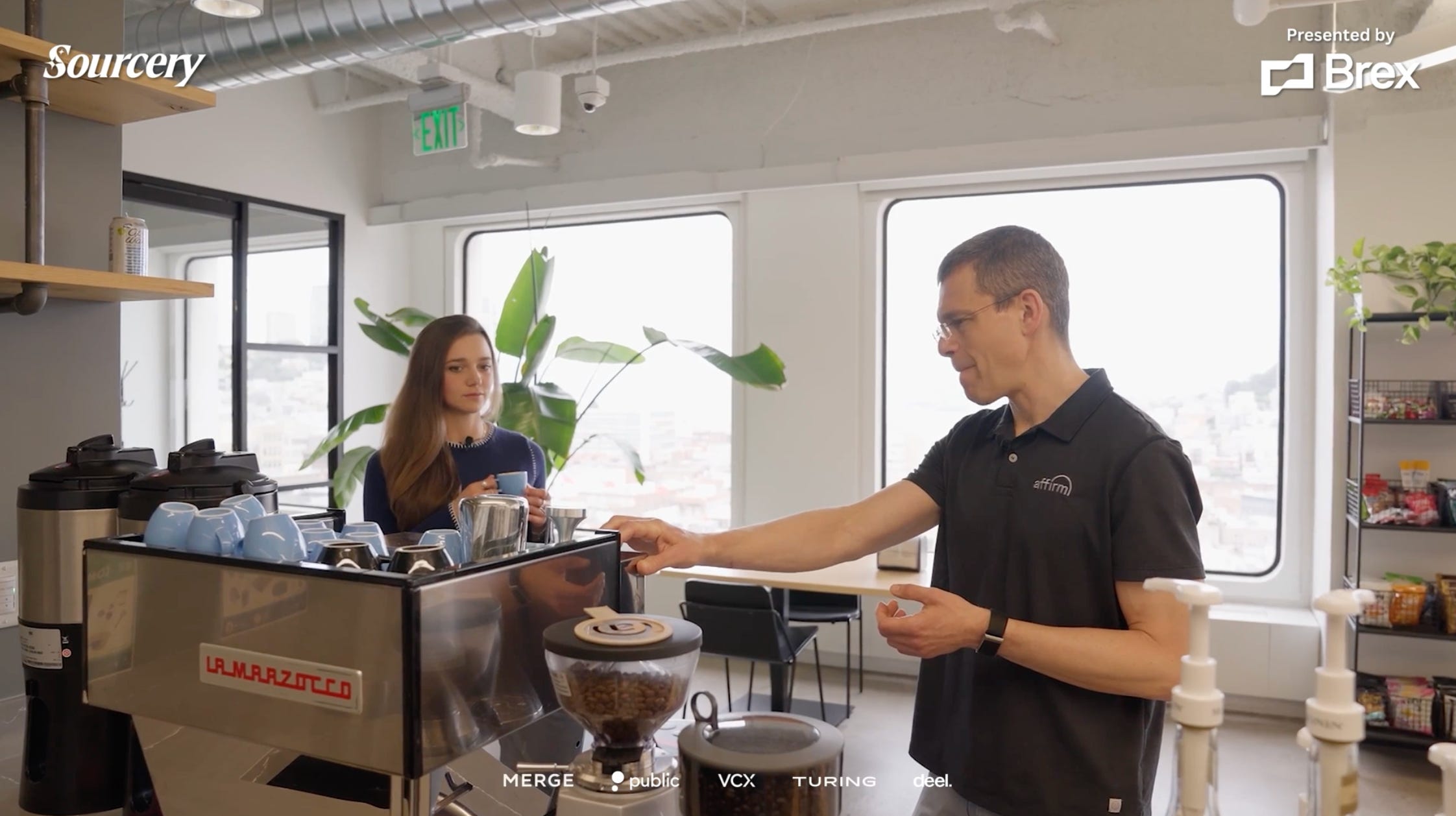
We start inside Affirm HQ with a Max Masterclass in the Art of Espressos before going deep into lore of Affirm, Levchin’s career, & an AI macroeconomic outlook.
We cover:
Lessons from PayPal that still apply today
Why the team is the single biggest determinant of success
How Affirm onboarded 800K Shopify merchants in a week
Why you can’t perfectly time an IPO
Why now is the best time ever to be a CS CEO
How AI is collapsing the cost & speed of building software
One of Levchin’s key points: As intelligence becomes more accessible, weaker or “fine print” companies will get exposed faster. The baseline for what it means to build, operate, & compete is rising.. along with the effective IQ of the system.
This conversation was recorded March 30, 2026.
𝐓𝐈𝐌𝐄𝐒𝐓𝐀𝐌𝐏𝐒
(00:00) Max Levchin, Co-Founder & CEO at Affirm
(01:35) Inside Affirm's office espresso bar
(14:56) Meeting Alfred Lin & Tony Hsieh over poker
(21:14) Onboarding 800,000 Shopify merchants in one week
(22:59) Big Lebowski quotes hidden in every shareholder letter
(32:11) The PayPal lesson that built Affirm
(35:25) Being a technical CEO & why now is the best time to be a CS CEO
(42:10) Should engineers still learn to code?
(44:48) Side quests with AI
(46:59) Companies AI will destroy
(49:46) How AI has changed engineering at Affirm
(50:54) Agentic commerce & DoorDash
(52:28) Devolution of Credit
(55:06) The biggest misconceptions about buy now, pay later
(57:42) Being a public company CEO
(01:07:01) Advice for private companies
(01:11:09) Creating his own economy
(01:14:29) Can AI help solve the $39T debt problem?
(01:17:46) Will average IQ rise or fall?
Brought to you by:
Brex—The intelligent finance platform: cards, expenses, travel, bill pay, banking—wrapped into a high-performance stack. Built for scale. Trusted by teams that move fast. visit → brex.com/sourcery

Turing—Turing delivers top-tier talent, data, and tools to help AI labs improve model performance, and enable enterprises to turn those models into powerful, production-ready systems. Visit: turing.com/sourcery
VCX—VCX is the public ticker for private tech, allowing investors of all sizes to invest in venture capital. View The Portfolio at GetVCX.com
Deel—Deel is the global people platform that helps startups hire, manage, pay, and equip anyone, anywhere. Trusted by more than 35,000 fast-growing companies, Deel is the people platform that just works, so teams can scale without the chaos. Visit: deel.com/sourcery
Public-–Investing platform Public just launched Generated Assets, which lets you turn any idea into an investable index with AI. With Generated Assets, you can build, backtest, refine, and invest in any thesis with AI. Gone are the days of one-size-fits-all ETFs. Try it today: public.com/sourcery
Merge—The leading provider of customer-facing integrations and agentic tools for frontier LLMs, Fortune 500 organizations, and B2B SaaS companies. Visit: https://merge.dev
“Fine Print” as a Business Model Is About to Be Destroyed..
Affirm CEO Max Levchin on the devolution of consumer credit, why every digital economy rediscovers capitalism, and what happens when AI gives ordinary borrowers the same leverage as Wall Street lawyers.
Max Levchin takes pride in crafting his own espressos (about five or six shots a day), timed & weighed to the gram. He quotes The Big Lebowski in shareholder letters & on-demand. He recently built an iOS app on weekends using Claude Code because he got annoyed at his home audio remote. Sets PRs on Strava on the daily. Co-founded PayPal. And he’s been CEO of Affirm for over a decade..
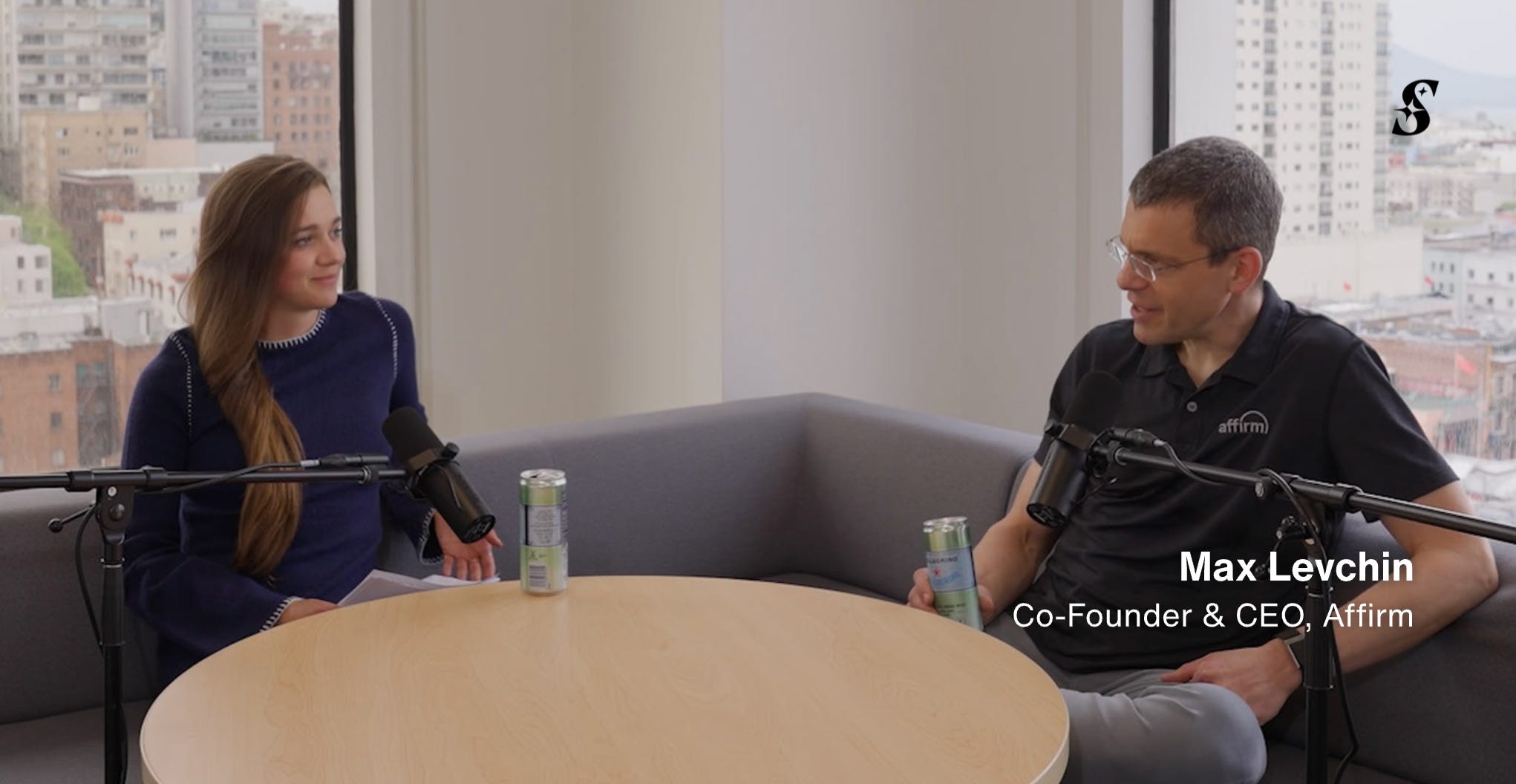
In a wide-ranging conversation at Affirm HQ, he covered the history of consumer credit, what AI does to opaque financial products, why every virtual economy converges on capitalism, and what it actually means to be a technical CEO right now.
How Lending Became Extraction
Credit, Levchin argues, started as a borrower-aligned product. Farmers needed capital between planting and harvest. Lenders provided it. The Code of Hammurabi included explicit prohibitions against overcharging borrowers. Early religious law in multiple traditions restricted or banned interest entirely. The original instinct of lending was protective.
The modern version reversed that.
~2000 BC: First documented borrower protections in Code of Hammurabi
100%: Effective gross margin on late fee revenue for major banks
50%: Share of Americans who carry revolving credit card balances
$48B+: Affirm loan volume projected this fiscal year
“At some point someone said, wait a second — that’s a hundred percent gross margin product. When I charge you a late fee, you just pay me more money. There’s no cost other than like sending you a nasty gram. Of course I’ll charge you a late fee. So it’s better if you’re late a lot, because then I’ll make more money and it costs me nothing to create that revenue line.”
Late fees became a near-costless revenue line. The industry optimized around them. The mechanism got buried in fine print. Affirm was built to counter that directly: no compounding interest, no late fees, no deferred rates. The total cost of a loan is shown upfront before the borrower accepts.
“We don’t compound interest specifically to make sure that we can pre-price every loan and say: you’re borrowing $500 and your total interest charges will be $25 or $0 if a merchant is paying your interest for you.”
Early on, consumers didn’t believe it. They’d been conditioned to look for the asterisk. That’s shifted. Affirm employees now regularly get stopped by customers who recognize the logo and want to talk about the product.
The PayPal Lesson That Stuck
Levchin met Alfred Lin & Tony Hsieh before any of them were known for anything. He was a college student, parts of a failed startup had been acquired by Link Exchange, and he flew to San Francisco to help with the integration. He showed up expecting a meeting. It was a poker game.
“I just fed myself and watched Alfred and Tony and a bunch of other people play poker. That was my introduction to the Bay Area.”
His early startups all failed. Rather than walk away, he kept going, less because of any grand vision, & more because starting companies was simply what he was going to do.
“I took exactly zero hours or minutes contemplating is this the right thing for me to do. I was like, oh, like I’m definitely gonna do this again.”
That persistence led to PayPal. As CTO, Levchin was at the center of what became the single densest concentration of founder and investor talent ever to come out of one company —Peter Thiel, Elon Musk, Keith Rabois, David Sacks, Roelof Botha, Reid Hoffman, and others, went on to found and/or lead the most consequential companies of the last two decades.

“The most important lesson is always the team.
It is the alpha & omega, success or failure of a company is the team.”
With the caveat:
“Just having a bunch of brilliant people is not actually enough. You need to organize them, give them a mission. If you don’t have the people, you’re definitely gonna fail. But even if you do have the people and you don’t harness their unique skills and correctly combine them, you might fail anyway.”
He puts the US startup failure rate at 85%. Most fail for people and alignment reasons, not technical ones.
To hammer down the point: The PayPal mafia isn't famous for the exit. It's famous because the talent never stopped compounding.. from founding, building, and backing the next generation of great companies, literally creating trillions in value across decades.
That's the real measure of a successful team. Whether the culture you build keeps generating talent, ideas, and companies long after people have moved on.
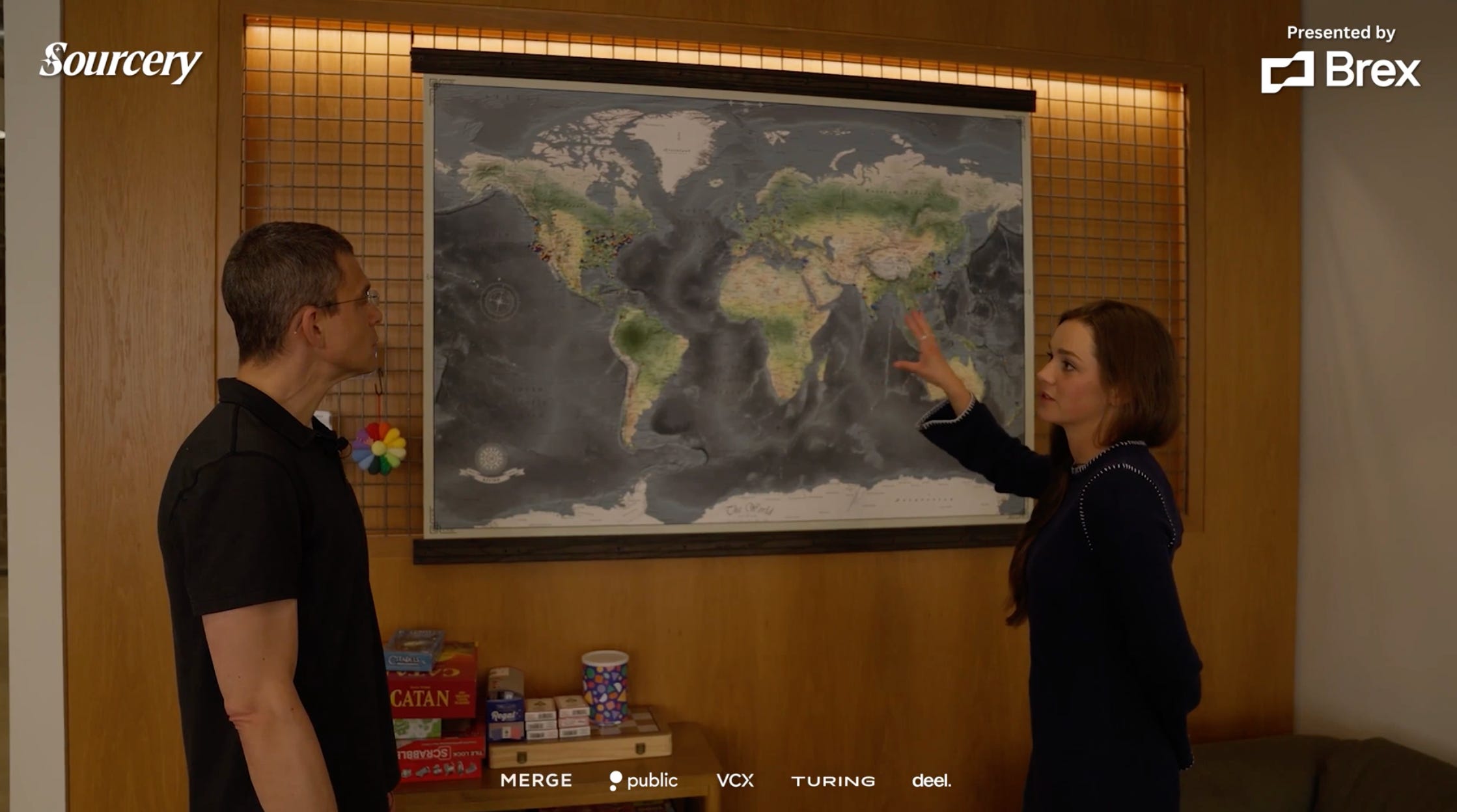

Why Every Digital Economy Rediscovers Capitalism
Levchin grew up in Soviet Ukraine. He watched a command economy fail firsthand. His view on capitalism isn’t ideological, it’s observational. Markets work. He’s spent his career inside ones that do.
When asked how he'd construct a new economy from scratch, like the closed digital systems a la Roblox, Second Life, and others.. a common theme emerged. Every one of them eventually arrived at the same structural solutions. They didn't copy the US economy. They independently arrived at it.
"It may be lack of imagination, but if you look at the success arcs of these systems over time, they resemble the US economy more and more. Sort of like basically start out with a fixed money supply and like, well, we'll figure out how to inject more money later. And then suddenly more people come in and you need more liquidity. And so they sort of start pegging their currency to the dollar or floating it — it becomes more and more like the real world."
His answer on constructing a new economy: he wouldn’t. Capitalism works. We’ve had thousands of years to evolve it and the US got it right.
On the $39 trillion national debt — so long as the US produces enough value to compensate those that hold it, the position holds. The follow-up question was whether AI-driven productivity could help cover the difference:
"It's hard to tell. It's a really good question actually, & the question is, where does value accrete in this new age? On the one hand, it's very tempting to say, well, for the country of our resources & our access to physical resources & capability that we have to build and innovate and sort of create things out of atoms, having this incredible boost of productivity expressed in bits is just gonna be incredibly powerful & leapfrog anything and everyone that is remotely buying our supremacy. You could also make the argument that all these countries where there's precious little by way of resources are now boosted tremendously by advances in AI.
I tend to believe in the former, just because I'm being an American by choice. Better be a patriot, otherwise what exactly were you thinking? I tend to think that we'll probably end up with just an amplification of our advantage. That said, we're not without rivals on the world stage and we'll have to compete. But I'm a big fan of competition."

The End of the Fine Print Business Model
Most fintech commentary on AI focuses on underwriting, fraud detection, and operational efficiency. Levchin’s core argument is different: AI is about to kill an entire category of business model.. specifically, any model that depends on consumers not fully understanding what they signed up for.
“No AI is ever going to be like, ‘Oh, you’ve given me a task to find you a good loan. I found one that’s going to take advantage of you. Hooray.’ Absolutely not. I’m not going to let that happen to you. My job as a robot is to take good care of you.”
AI agents acting on behalf of consumers will read terms & conditions that consumers currently don’t. They’ll compare rates across products without fatigue. They’ll catch deferred interest clauses, variable rate triggers, & penalty structures buried in the fine print.
The information gap that consumer finance has operated on for a century — institutions with lawyers on one side, borrowers without time or expertise on the other — closes when every borrower has an AI reading on their behalf.
Levchin firmly believes this will lift the average IQ to a higher standard.
“The average IQ is still a hundred. I think the average IQ with AI in your ear at all times is about to go up to 150 — which is north of the genius definition.”
For Affirm, this is a structural advantage. A company built entirely on transparency has nothing to hide from an AI agent doing comparison shopping. Companies whose revenue depends on consumers not understanding their products are in a different position.

Why CS Still Matters in an LLM-First World
Levchin has been writing code since he was eleven or twelve. He planned to get a doctorate in computer science before startups interrupted that. He still reads AI research papers nightly, not as homework, but because the gap between a paper publishing and someone shipping an implementation has essentially closed. Missing a week of papers means missing something that will matter.
“It is the moment in time to be a CEO with a computer science degree. You can now go from I have an inkling in my head to I’m going to build a prototype to I’m going to ship something that’s production ready — in record short time.
If you do know what you’re doing as somebody with a sense for how to build software, you don’t need to vibe code yourself to a prototype and hand it off. You can actually build something amazing and just ship it.”
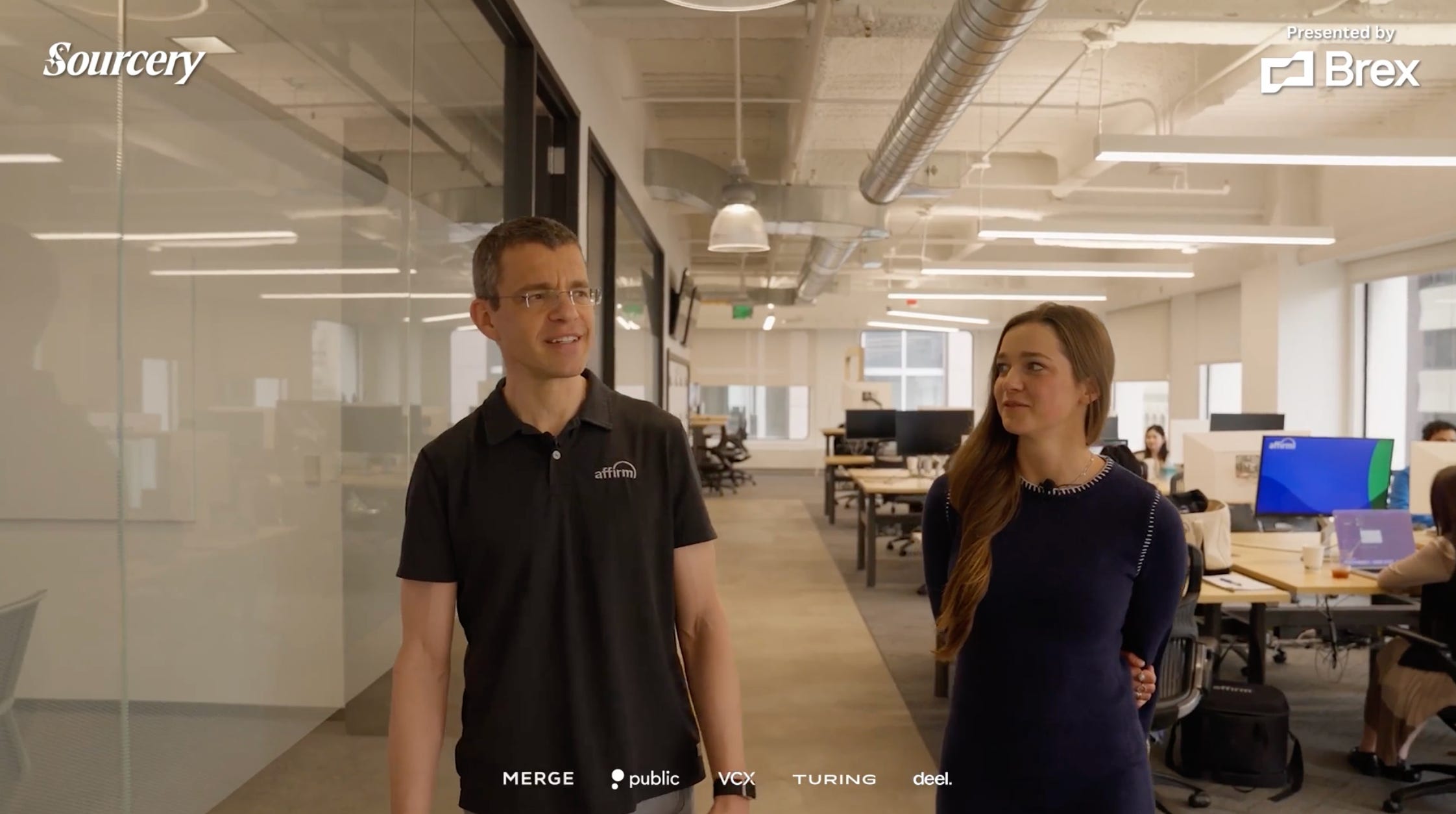
On whether deep CS knowledge (like idk the hot topic of coding?) still matters when LLMs write code on demand.. his answer is yes, but for a specific reason.
Software engineering is a science, an art form, and a craft simultaneously. The science is teachable. The art and craft require taste. Taste can’t be fully delegated to a model. You still need to know what elegant code looks like, recognize when you’re not getting it, and be able to steer the model toward something better.
Without that foundation, you accept whatever output comes back. Which might work. But probably isn’t great.

Long-Term Thinking in a Quarterly World
Affirm was ready to go public in under ninety days from the decision to file. The SEC asked them to wait too many companies were rushing to market at the same time. They went public in early 2021.
"In December of 2020, the SEC told us, please, don't come out this year. We're so overwhelmed by all these companies trying to go public. Could you please hang on and do it next year."
While many are overwhelmed by the process of going public, he says it’s actually more manageable than people make it out to be (& maybe they should take the advice Reddit CEO Steve Huffman got: ‘don’t be a little bitch about it’). What’s harder is the discipline not to let quarterly reporting become the company’s primary focus. He’s seen CEOs lock themselves in conference rooms for a week before earnings, obsessing over a period that ended six weeks prior. The quarter is already over. The only useful question is what comes next.
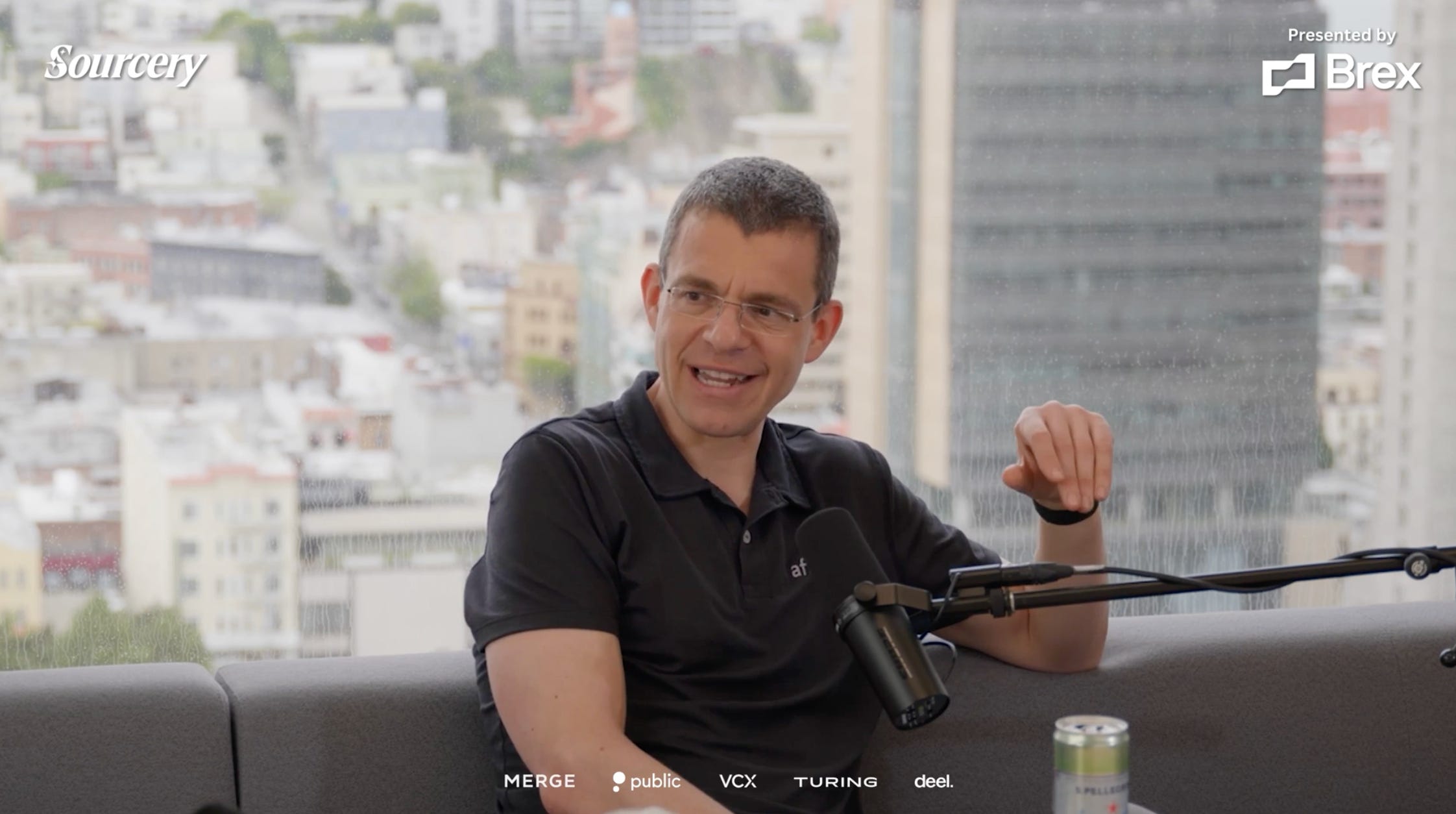
He referenced the Graham/Buffett line: “in the short term the market is a voting machine, in the long term a weighing machine.” Levchin said it’s what he reminds himself of whenever price action moves in either direction. Up or down, the answer is the same: keep building.
Strikes & gutters, ups & downs.
He has no interest in shareholders focused on short-term price action. Affirm is estimating north of $48 billion in loans annually and still represents a fraction of a percent of total US commerce. The company, by his math, has decades before the final grade is in. The IPO is just another data point in the journey.

The Dude Abides.
A running Easter egg in every letter
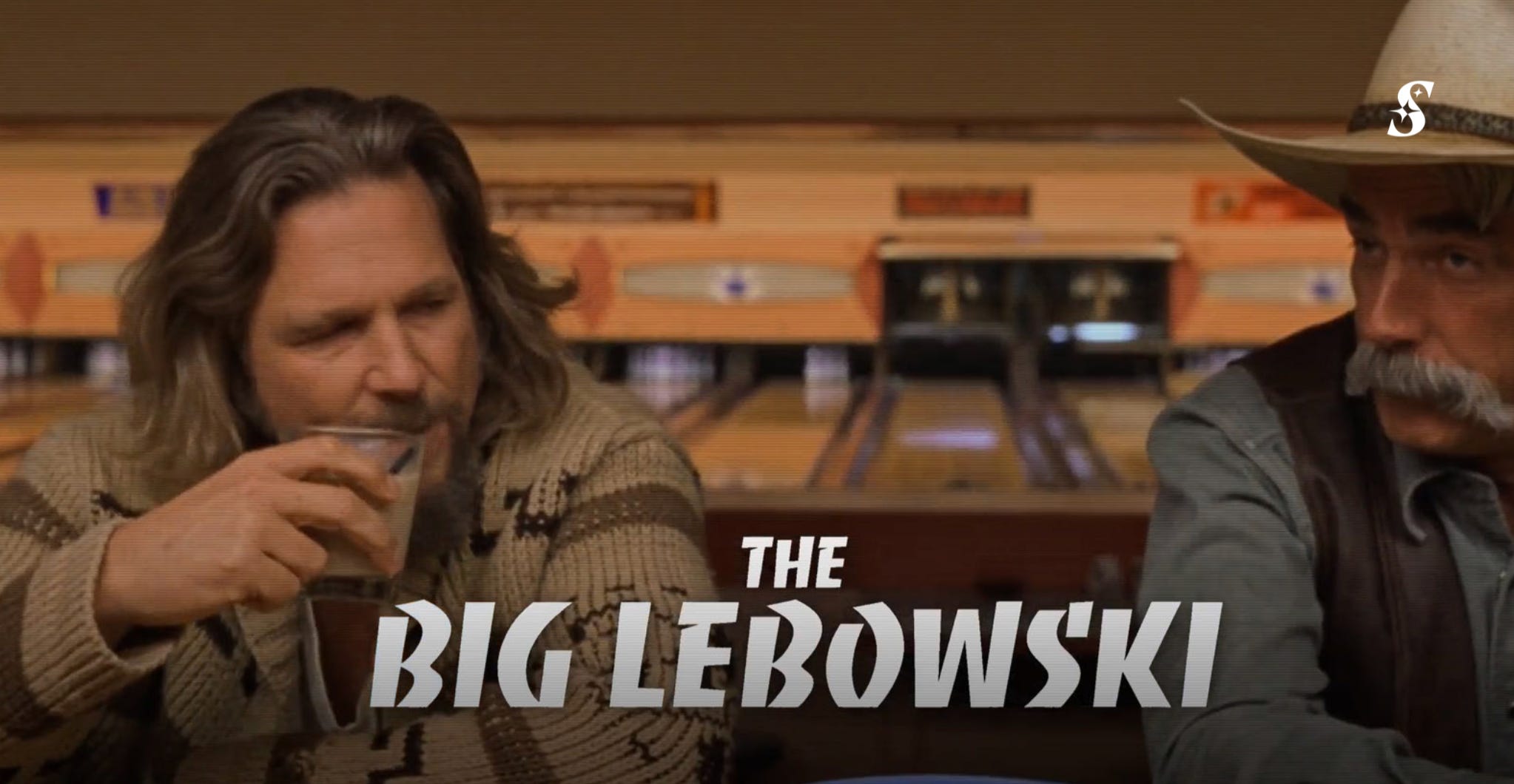
For twenty-plus quarters as a public company, Affirm’s shareholder letters have contained a Big Lebowski reference. Not once. Every single one. Levchin keeps the corrected Lebowski script open on his desktop while drafting them so he can search for quotes he hasn’t used yet.
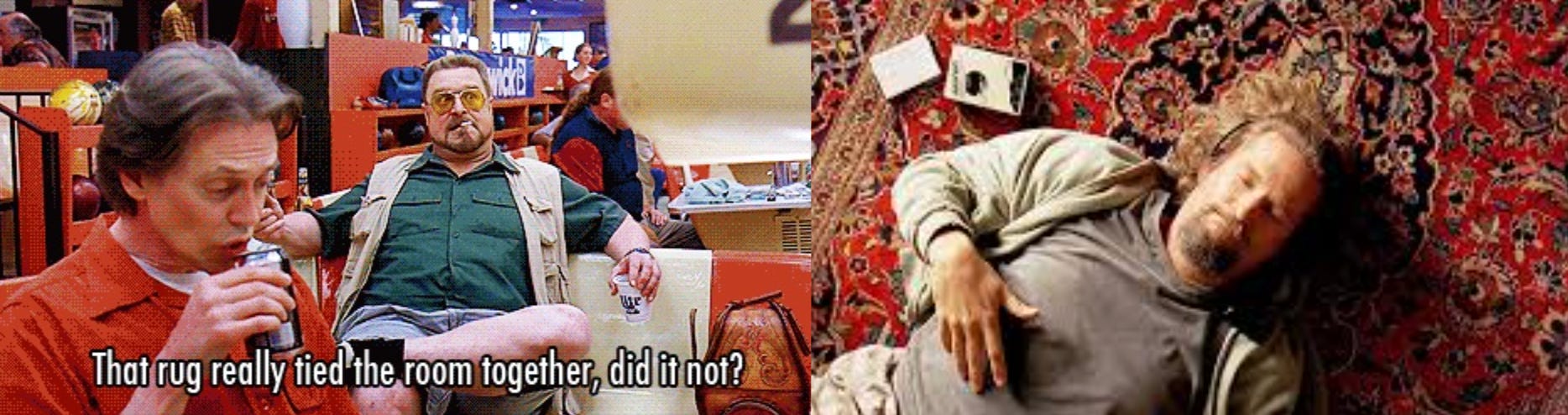
Until recently, he wasn’t getting much feedback on them.. a fun hunt carefully curated for each letter. Then, about three quarters ago, an analyst published a note with the line: “Q2 fiscal 25 — a quarter that really tied the room together.”
“Chef’s Kiss”
He’s seen the film enough times that quotes surface unprompted mid-conversation. When asked about his media diet he said, unprompted: “The occasional acid flashback.” “that’s a quote from Lebowski. I have not in fact had any acid flashbacks that I can think of.”
He recently watched it with his fourteen-year-old daughter for the first time. His sixteen-year-old son was inducted a couple years prior. The Dude is in the DNA.
On the cast:
“Philip Seymour Hoffman, very young Philip Hoffman, so he’s kind of funny and spastic. Jeff Bridges is not so bad. Very young John Turturro playing a deranged bowler named Jesus.”
On why it holds up:
“It’s one of these cult movies where you watch it and you’re like, this is amazing, and you watch it again, like no, it’s better than amazing.
You watch it again, it keeps on getting better. Keep on finding these gems.”
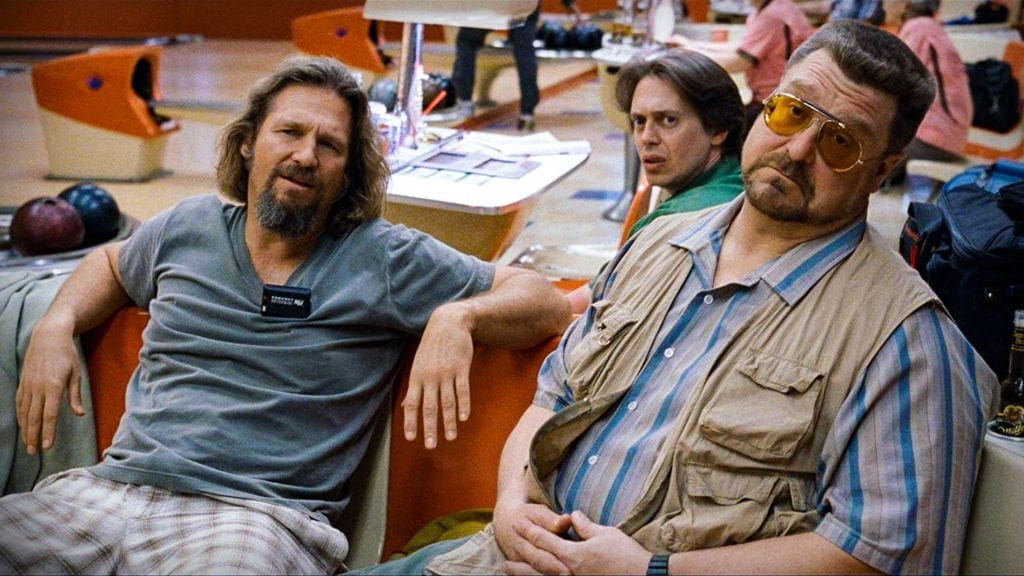
His favorite kind of Lebowski moment is the cultural deep cut that has almost nothing to do with the plot. He described one specific scene — the Dude explaining something to Walter, Walter riffing on Lenin, and Donny popping in:
“Donny pops in and says ‘I am the Walrus.’
He keeps on popping in ‘cause he thinks Lenin being referred to is actually John Lennon.”
Then, mid-tour, standing near the office game station, entirely unprompted:
“Also, dude, having an amphibious rodent as a domestic — that ain’t legal either. What are you a fucking punk ranger now?”
And later:
“You said it, man. Nobody fucks with the Jesus.”
On whether any film made today will earn the same status:
"The real litmus test of a great beautifully written movie or well written anything is it survived a test of time.
So I know, but I'll take another ten years. I'm sure there's some amazing scripts that are going to be discovered as the great cult classic of 2026 that are in theaters right now, but we won't know until 2036."
The Dude abides.
→ Listen on X, Spotify, YouTube, Apple

The material presented on Molly O’Shea’s website are my opinions only and are provided for informational purposes and should not be construed as investment advice. It is not a recommendation of, or an offer to sell or solicitation of an offer to buy, any particular security, strategy, or investment product. Any analysis or discussion of investments, sectors or the market generally are based on current information, including from public sources, that I consider reliable, but I do not represent that any research or the information provided is accurate or complete, and it should not be relied on as such. My views and opinions expressed in any website content are current at the time of publication and are subject to change. Past performance is not indicative of future results.
Paid Endorsement. Brokerage services by Open to the Public Investing Inc, member FINRA & SIPC. Advisory services by Public Advisors LLC, SEC-registered adviser. Crypto trading provided by Zero Hash LLC, licensed by the NYSDFS. Generated Assets is an interactive analysis tool by Public Advisors. Output is for informational purposes only and is not an investment recommendation or advice. See disclosures at public.com/disclosures/ga. Matched funds must remain in your account for at least 5 years. Match rate and other terms are subject to change at any time.