


SpaceX’s #1 Employee Built the Merlin Engine, Now Building Impulse Space
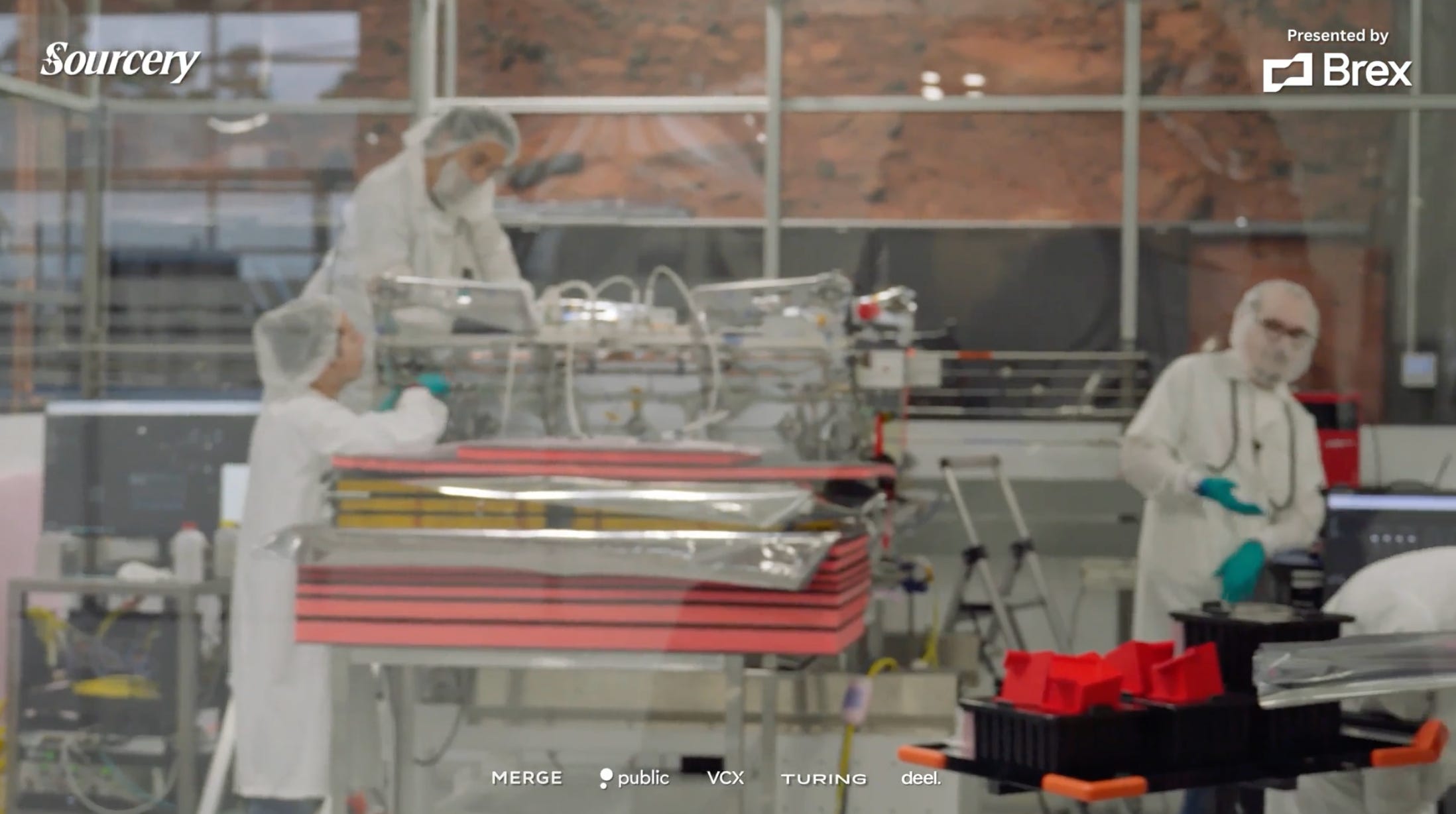
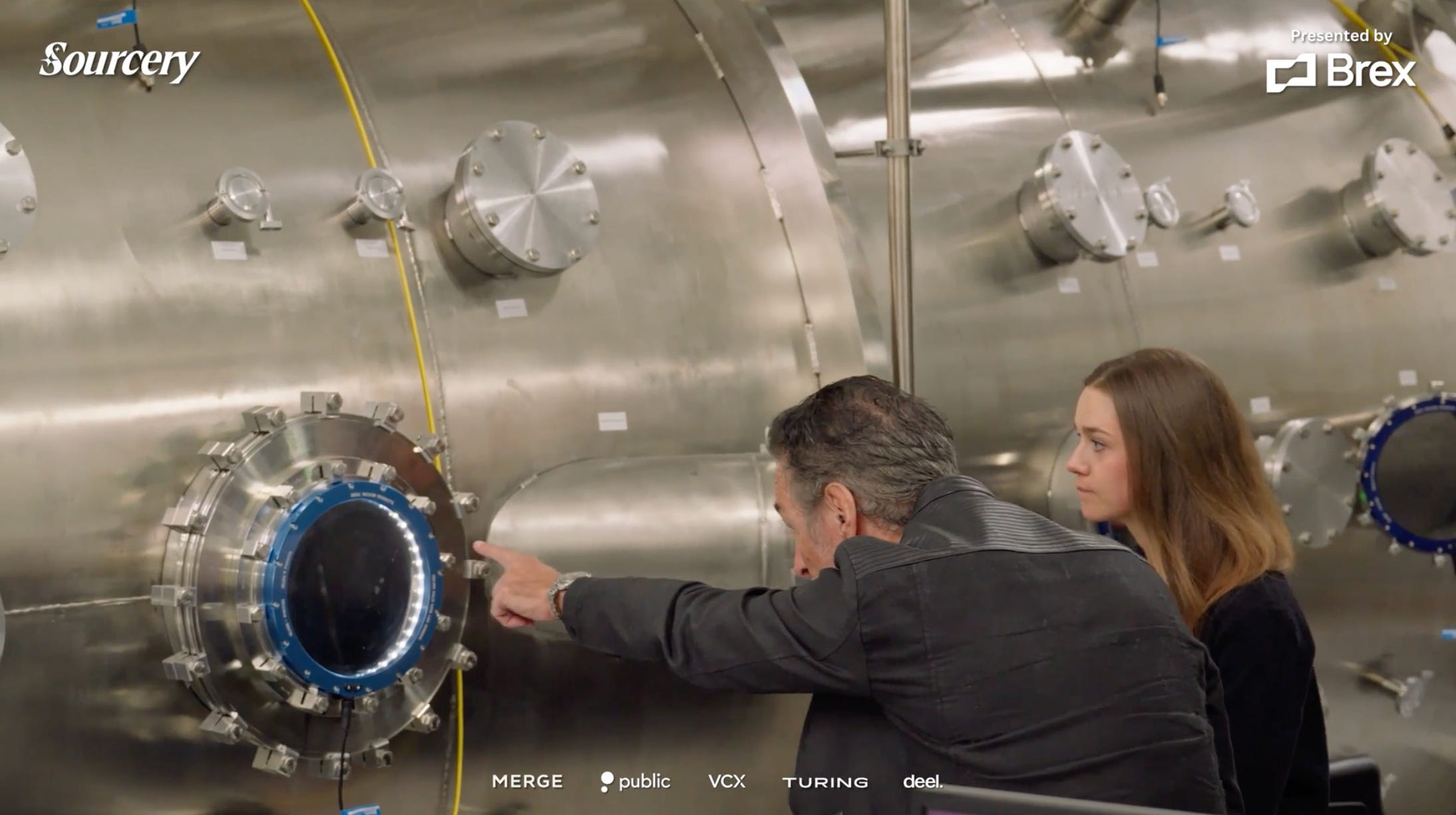
Tom Mueller, Founder, CEO & CTO of Impulse Space, (aka Employee #1 at SpaceX) gives Sourcery a walkthrough of the company’s Redondo Beach factory, from the avionics clean room to a live rocket engine firing in the vacuum chamber.
→ Listen on X, Spotify, YouTube, Apple
As SpaceX’s founding employee, Tom led development of the engines for Falcon & Dragon and started the origins of what became Starship. His proudest project, the Merlin engine, still flies Falcon 9. In this episode he explains why he left to build the next layer of space infrastructure: moving payloads & cargo around once they’re in orbit.
We tour Mira (the company’s precision maneuvering spacecraft), Helios (the vehicle bringing same-day delivery to space), and the Deneb engine, and get into how Impulse designs and builds: extreme vertical integration, 3D-printed engines, in-house composite tanks, and a “build, test, iterate” loop.
Tom also shares where he thinks the industry is heading, on nuclear electric propulsion, data centers in space, the return to the Moon, and what it was like to work with Elon Musk.

𝐓𝐈𝐌𝐄𝐒𝐓𝐀𝐌𝐏𝐒
(00:00) Tom Mueller, Founder, CEO & CTO of Impulse Space
(00:49) Inside Impulse Space
(02:32) Avionics Bay floor
(02:59) Building rockets at home
(03:50) Mira and Helios
(08:00) Why he left SpaceX
(09:33) The Deneb Engine walkthrough
(11:42) Testing in Mojave
(12:23) Favorite part of the Engine
(13:30) How it's 3D Printed
(14:21) Why 3D Printing changes everything
(16:54) Finding Talent for COPVs
(17:28) No Modern hardware without software
(19:52) The Mill Turn explained
(22:42) Payload Deck Design
(25:28) Entering the Secret Area
(30:48) Thrust, Flow Rate, and 100 Sensors
(32:13) Collision avoidance in Orbit
(32:57) The Electric Propulsion Chamber
(34:28) Nuclear Electric is the future
(38:49) Data Centers in Space
(40:28) SpaceX and Starlink's Growth
(41:10) Working with Elon
(42:07) If not CEO, then what?
(42:32) Moon matters more than Mars
Brought to you by:
Brex—The intelligent finance platform: cards, expenses, travel, bill pay, banking—wrapped into a high-performance stack. Built for scale. Trusted by teams that move fast. visit → brex.com/sourcery

Turing—Turing partners with frontier AI labs to improve model capabilities in coding, reasoning, tool use, & multimodality, as well as with Fortune 500 enterprises to build & deploy end-to-end agentic AI systems in mission-critical workflows Visit: turing.com/sourcery
VCX—VCX is the public ticker for private tech, allowing investors of all sizes to invest in venture capital. View The Portfolio at GetVCX.com
Deel—Deel is the global people platform that helps startups hire, manage, pay, and equip anyone, anywhere. Trusted by more than 35,000 fast-growing companies, Deel is the people platform that just works, so teams can scale without the chaos. Visit: deel.com/sourcery
Public-–Investing platform Public just launched Generated Assets, which lets you turn any idea into an investable index with AI. With Generated Assets, you can build, backtest, refine, and invest in any thesis with AI. Gone are the days of one-size-fits-all ETFs. Try it today: public.com/sourcery
Merge—The leading provider of customer-facing integrations and agentic tools for frontier LLMs, Fortune 500 organizations, and B2B SaaS companies. Visit: https://merge.dev
Inside Impulse Space with Tom Mueller: Engines, Spacecraft, & the Case for Moving Things in Orbit
Tom Mueller, founder, CEO, and CTO of Impulse Space, walked Sourcery through the company’s Redondo Beach factory, from the avionics clean room to a live engine firing in a vacuum chamber. Along the way he covered his SpaceX origins, the spacecraft and engines Impulse is building, how the company designs and manufactures hardware, and where he thinks propulsion and compute are headed.
→ Listen on X, Spotify, YouTube, Apple
From Merlin to Impulse
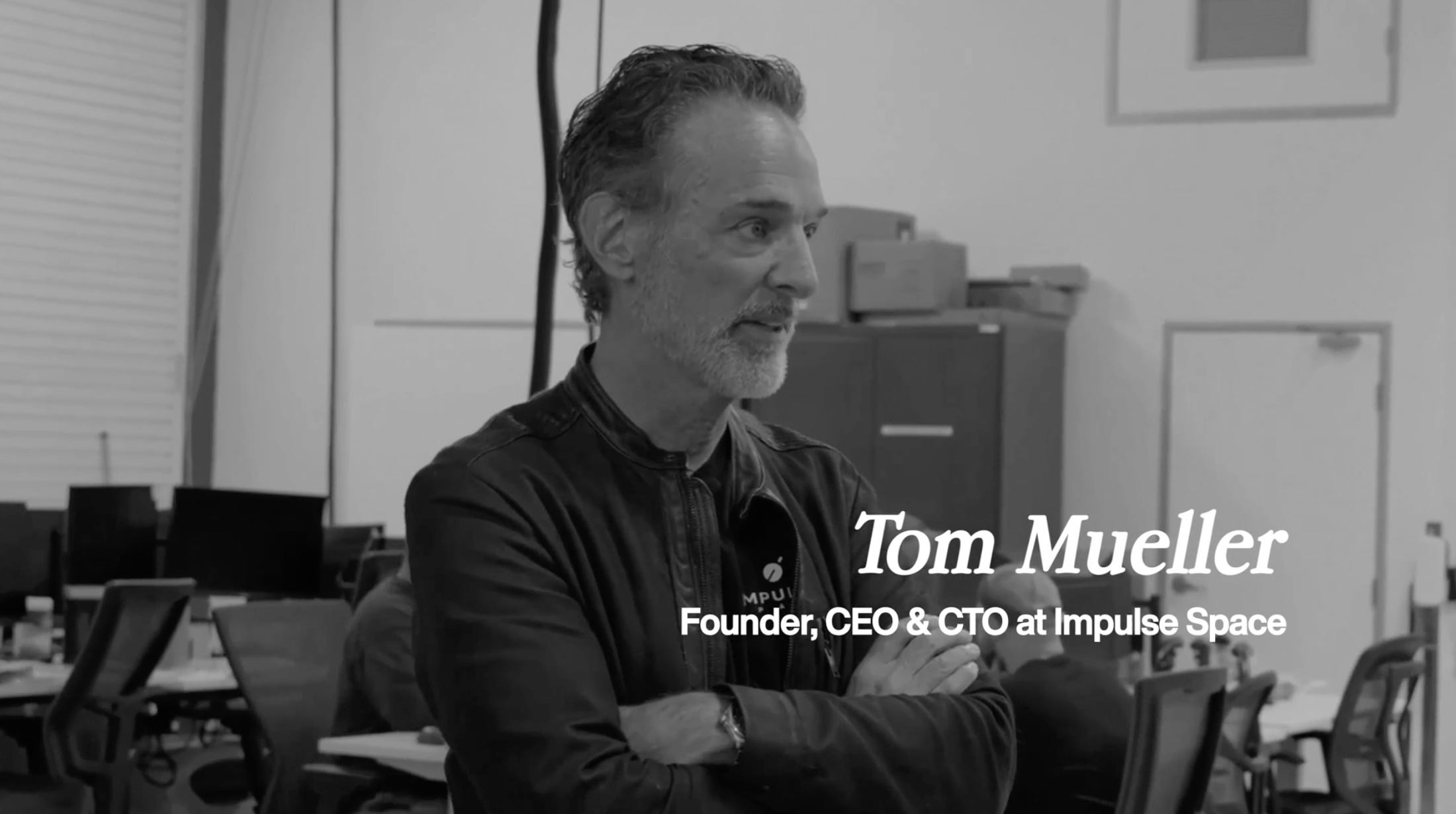
Mueller’s career runs through the heart of modern rocketry. As the first, yes, very first, employee at SpaceX, he led development of the propulsion systems for Falcon and Dragon and started the origins of what became Starship, which he worked on for his last six years at the company. The engine he is proudest of still flies today. “My proudest development was the Merlin engine, which is currently flying on Falcon 9, the most reliable rocket engine ever developed, and also the highest thrust-to-weight of any rocket engine ever developed.”
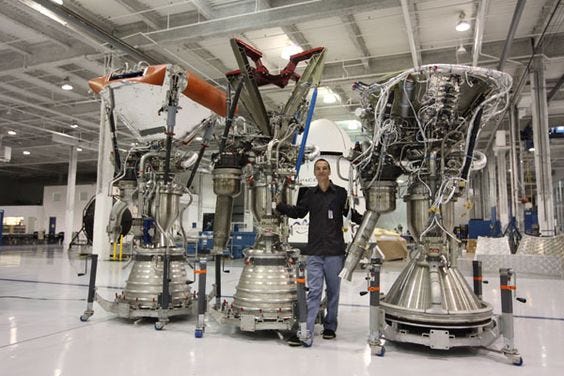
Mueller was a well established rocket engineer before beginning his tenure at SpaceX, but it was an amateur rocket project that brought him and Elon Musk together. Today, Mueller continues to push the limits of rocketry outside work hours, building rocket engines in his garage “just to get some pre-production data on things” Impulse is working on.
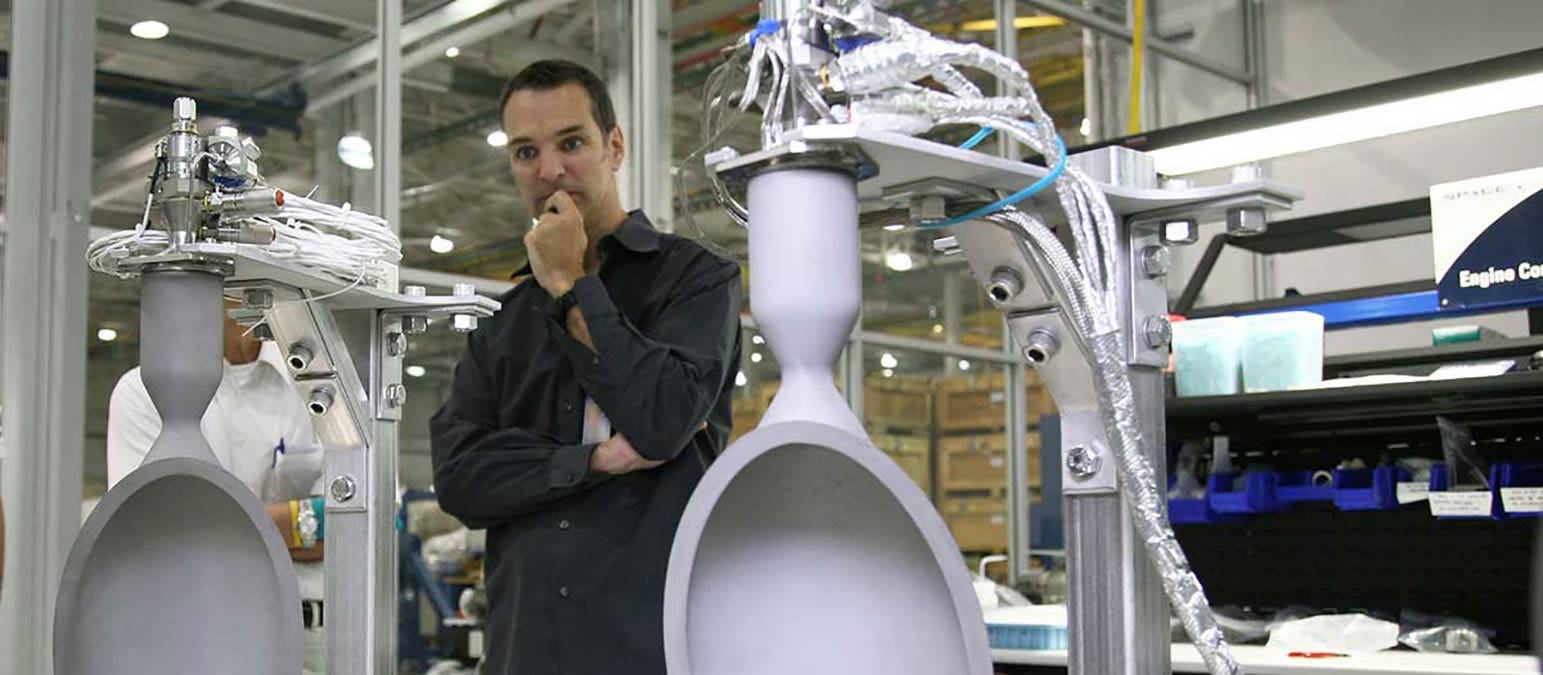
The thesis behind leaving SpaceX was simple. With launch largely solved, Mueller saw the next opportunity one step further out. “Launch mostly being solved or is being solved, it’s like the next big opportunity is to move all that payload, all that cargo around in space.” Impulse exists to do in-space transportation rather than Earth-to-space transportation, a category he believes extends all the way to the Moon, including landers the company is bidding on.
Mira: The Precision Maneuvering Spacecraft
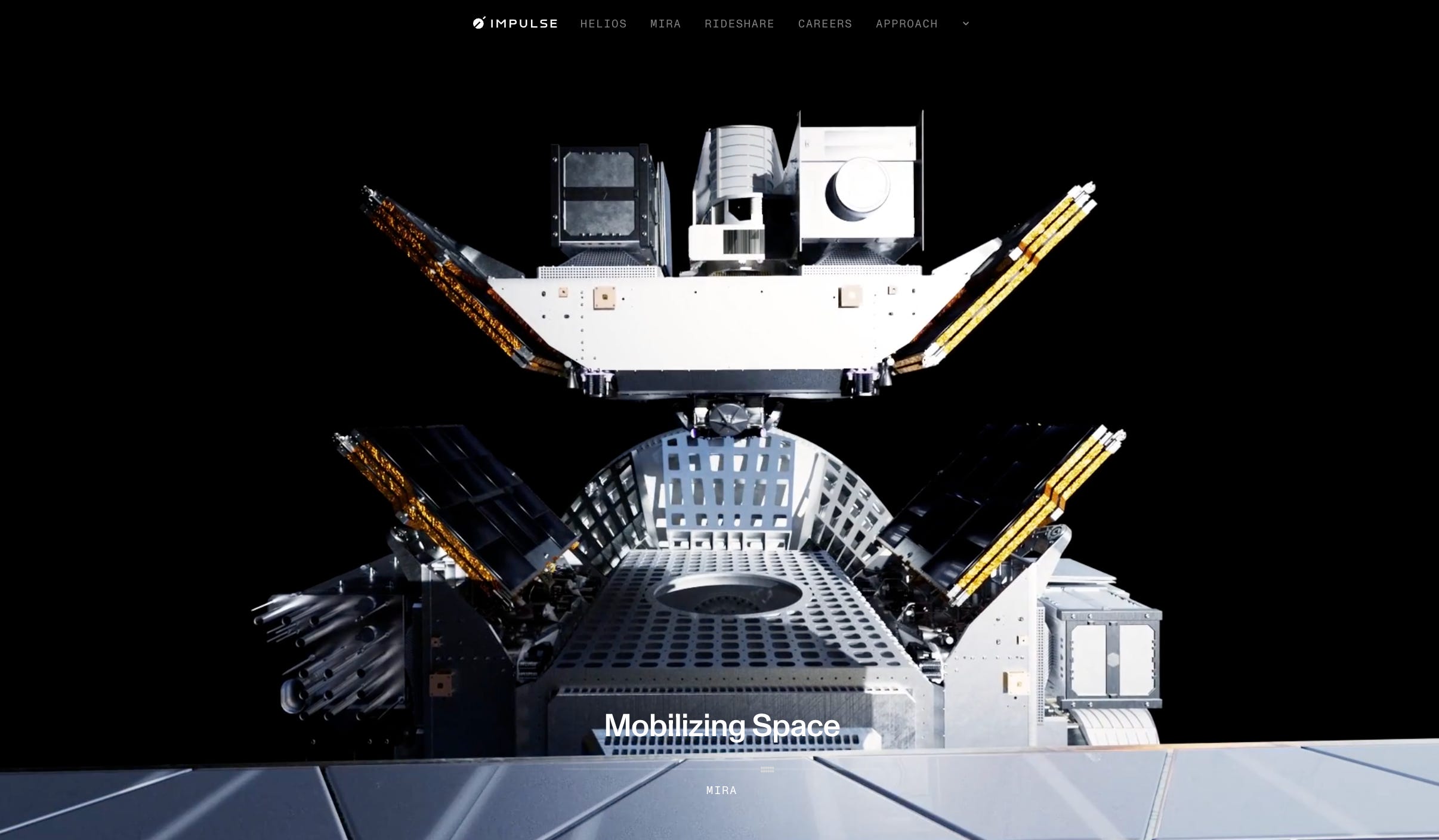
Mira is the company’s precision maneuvering spacecraft, which Mueller describes is built to move quickly once in orbit. It carries eight thrusters, two on each corner, at roughly six pounds of thrust each, for nearly 50 pounds total. For a spacecraft this size, that is a lot: “That’s good enough to move around in space very fast.”
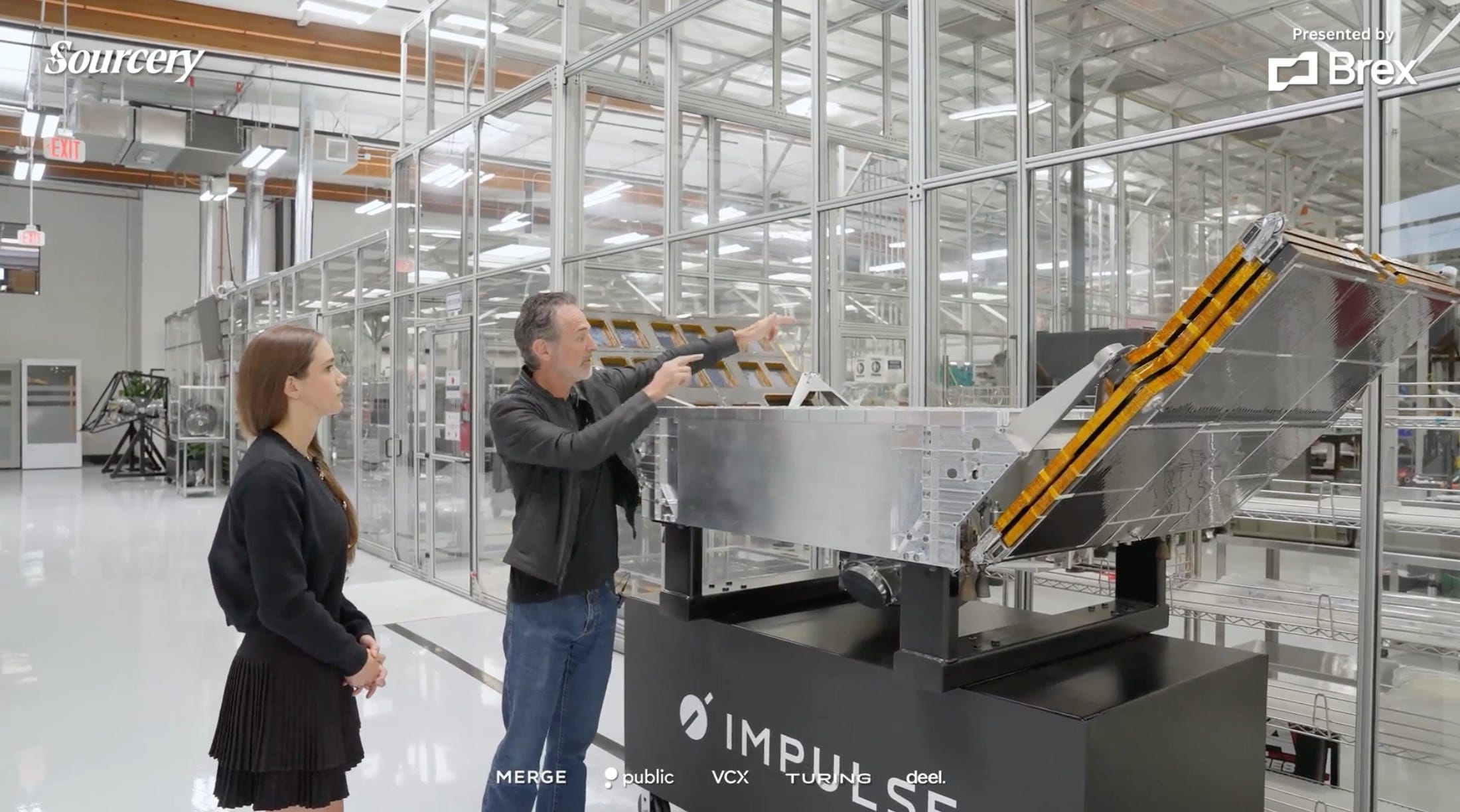
The vehicle packs a full system into a compact chassis. Inside are three propellant tanks, two oxidizer and one fuel, feeding the thrusters. It carries steerable solar panels that let the spacecraft point anywhere while keeping power positive toward the sun, reaction wheels for precise attitude control, and a single avionics box the team calls “the vault.” A gold multilayer insulation blanket wraps the spacecraft and, as Mueller put it, “when that gets in the vacuum of space, it acts like a thermos bottle and really thermally isolates the spacecraft.”
Mira is built for endurance as well as agility, designed to stay on orbit for five years. Mueller framed the product line around a clear division of labor: Mira is the maneuvering vehicle that operates once it arrives, and a separate vehicle gets it there. “Mira is our space maneuvering vehicle that can stay up there for five years, but then we have a vehicle to get you there, and that’s this,” he said, turning to Helios.

Helios: The Vehicle That Gets You There
Helios is the same-day delivery kick stage that does the heavy lifting to distant orbits. At its core is a large propellant tank, holding 12 tons of liquid oxygen and liquid methane, paired with a high-performance engine producing 15,000 pounds of thrust. Mueller summarized its role plainly: it “basically adds a third stage to a two-stage rocket.”
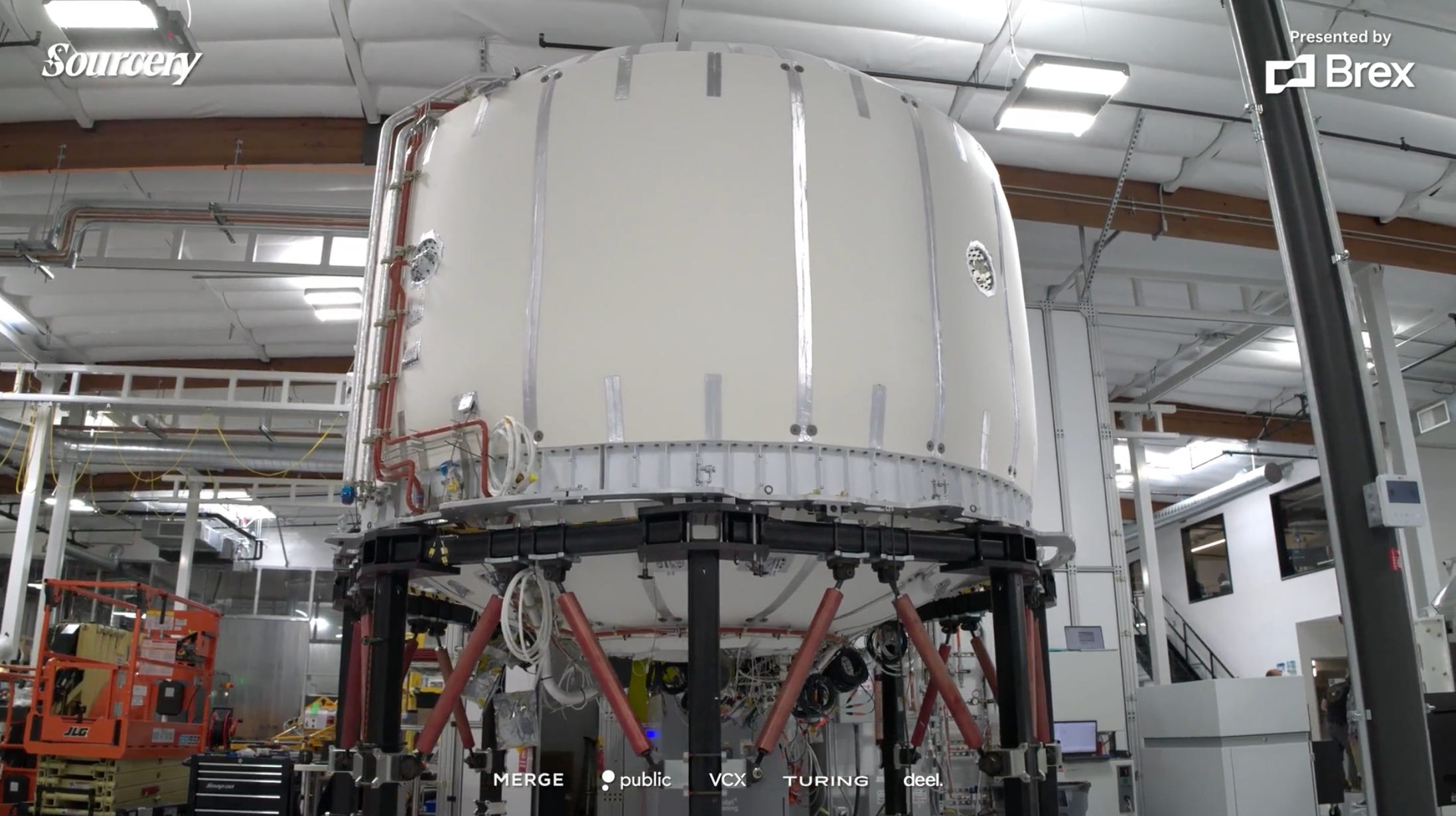
The capability that unlocks is reach. Helios can take a four-ton satellite from low Earth orbit, a couple hundred miles up, all the way to geosynchronous orbit at 22,000 miles, which Mueller described as “escaping most of the gravity well of Earth.” It is a high-energy transfer that conventional approaches struggle to match on time or cost.
The same performance applies well beyond Earth orbit. On a Falcon 9, Helios can send five tons of payload to the Moon, and Mueller said it can improve payload to Mars “by up to a factor of five.” That versatility is why the company positions Helios as the connective layer of its in-space transportation pitch, the vehicle that moves cargo to where it needs to go.


The Deneb Engine
The engine on the bottom of Helios is Deneb, named, like the rest of the family, for a star. Mueller called it “our supergiant engine,” after the blue supergiant it shares a name with. It produces about 15,000 pounds of thrust, is pump-fed, and runs an ox-rich staged combustion cycle, a notably difficult architecture to develop.
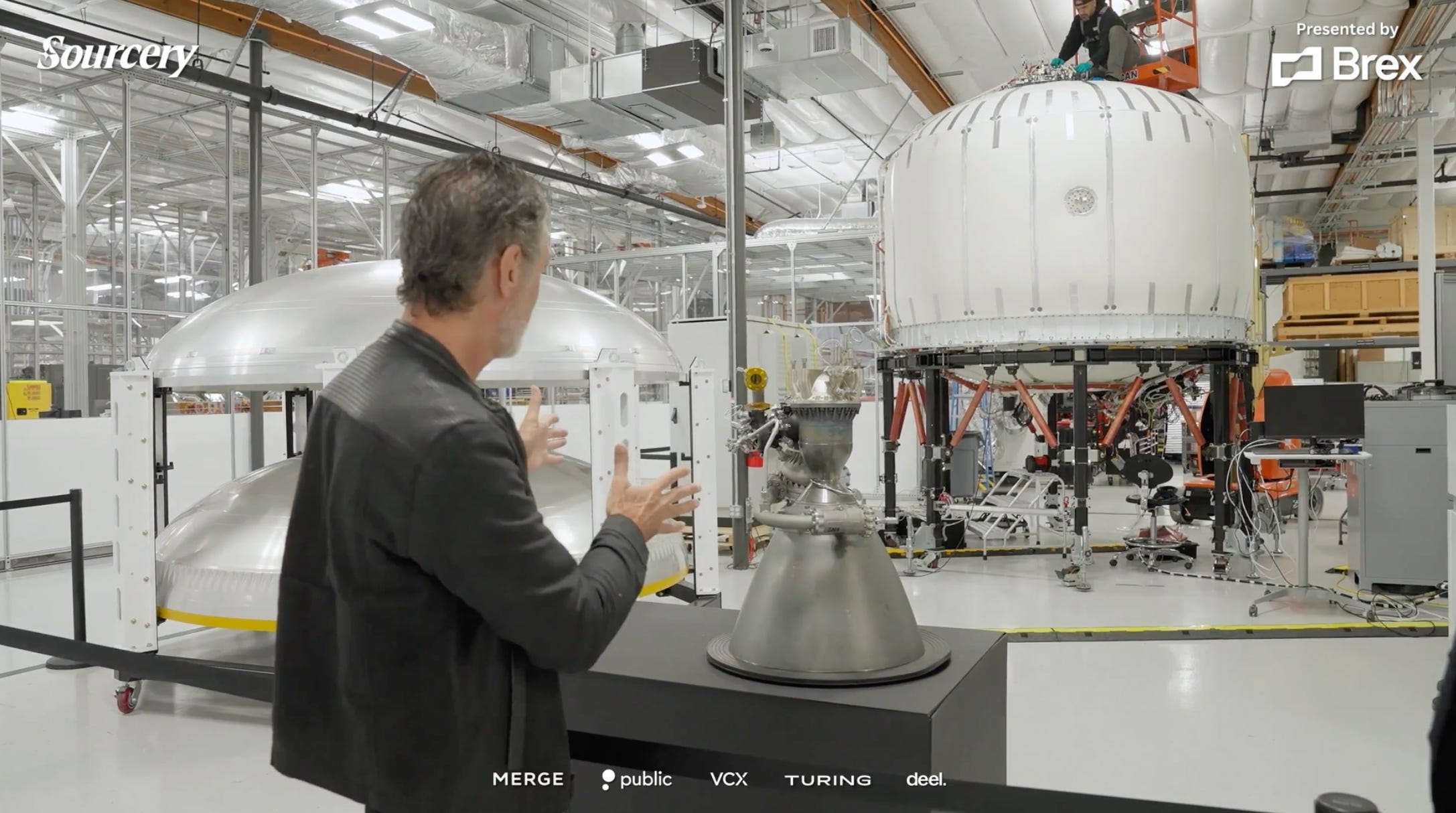
Mueller walked through the cycle in detail. Liquid oxygen off the pump runs through the main valve into a preburner, where it burns with a little methane to make hot oxygen at around 4,000 PSI. That hot gas drives the turbine, providing 1,500 horsepower to the turbopumps, then crosses into the main injector. The fuel, meanwhile, flows through cooling channels inside the combustion chamber before entering the injector as hot gas. He expects the result to set records: “This engine will probably be the highest performing hydrocarbon engine ever flown.”
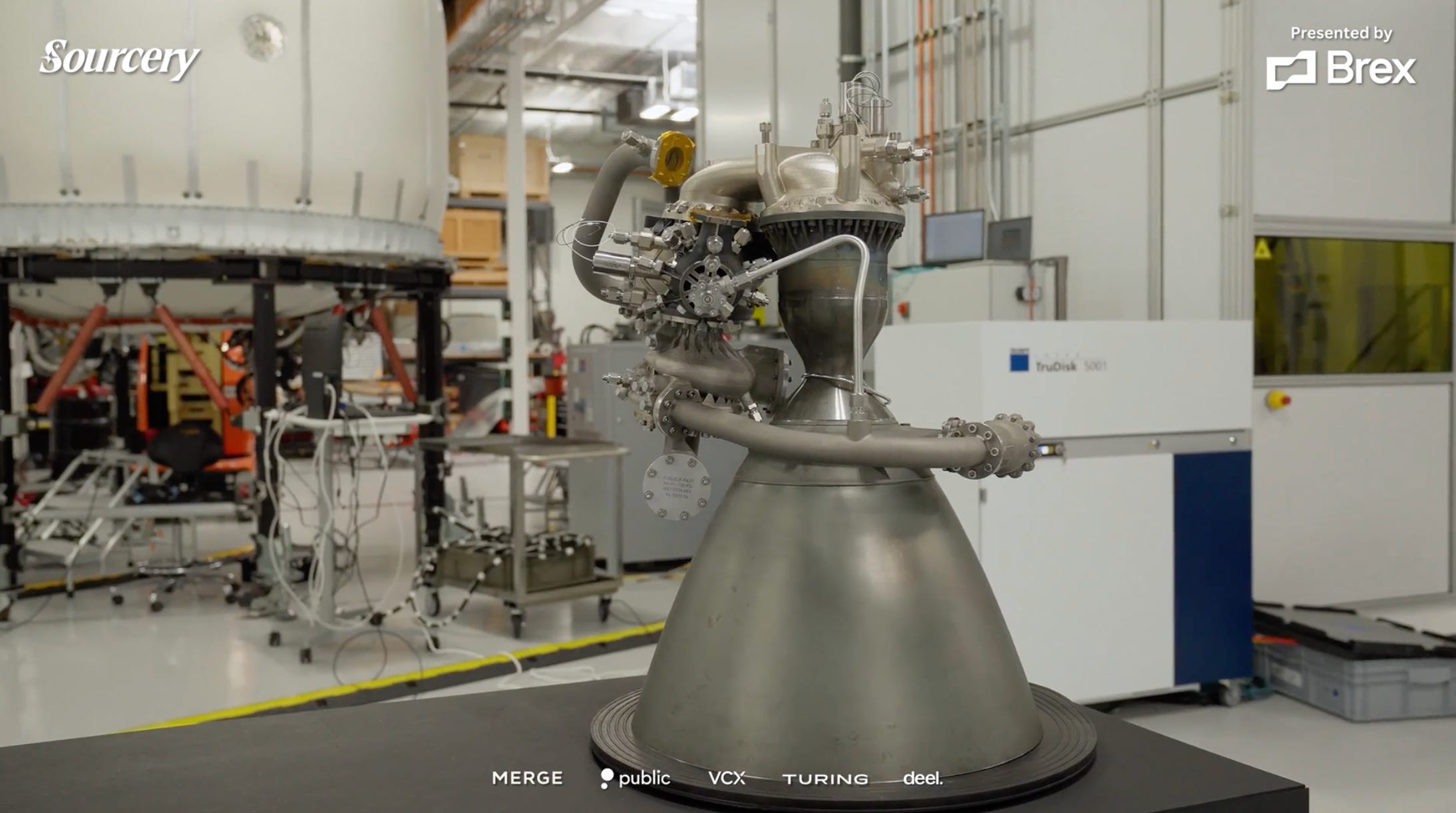
Performance comes from mixing efficiency and expansion. Deneb uses a very fine injector for high mixing efficiency and a large carbon skirt that converts pressure into velocity. That skirt will glow white hot, running at over 3,000 degrees F, likely “the hottest nozzle that’s ever been flown in space.” The thruster Mira uses, Saiph, has about a 290-second ISP; Deneb is targeting roughly 385 seconds. Mueller sees it as the company’s foundation: “this engine will probably become our prime mover,” scalable in the farther future to a multi-engine human lander for the Moon.

How Impulse Builds
The factory is built around extreme vertical integration, with the machine shop, assembly areas, and test all on one floor so the team can “build, assemble, test, & iterate.” That loop is the operating principle, and Mueller traces it directly to lessons from SpaceX. Two capabilities in particular came in-house early.
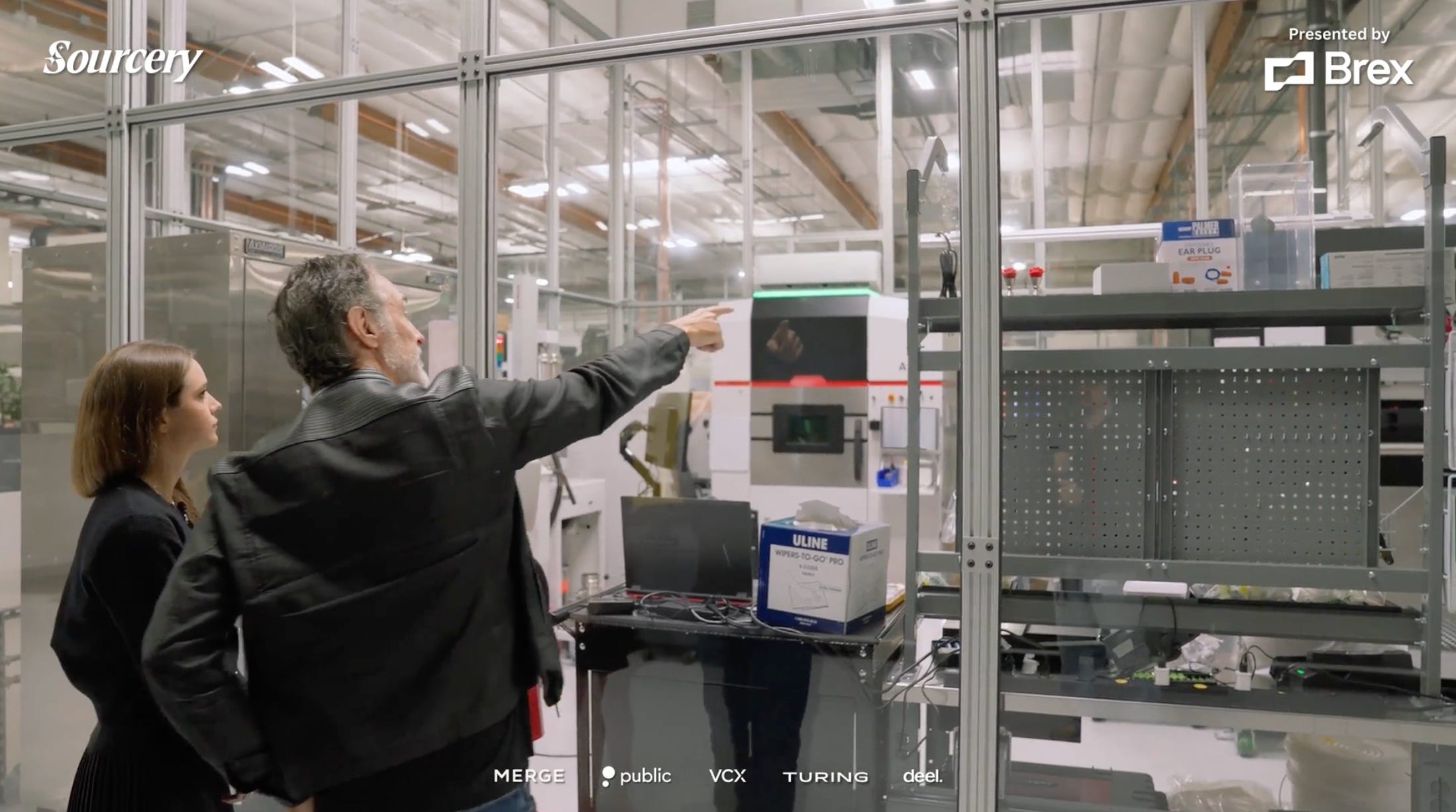
The first is 3D printing, which Impulse adopted within its first year. Mueller is unequivocal about its value for engines. “For rocket engines, it’s almost like a cheat code. It’s so easy to make a high-performance rocket engine with 3D printing,” because injectors and cooling passages are small and complex. Rather than machine, weld, and braze, “you just basically draw the fluid passages you want and then put a wall around it and just print it.” Deneb’s injector, combustion chamber, and turbopump parts are printed, many in a proprietary burn-resistant alloy the company calls Novaloy, chosen because it has the strength of Inconel but survives the hot-oxygen environment.
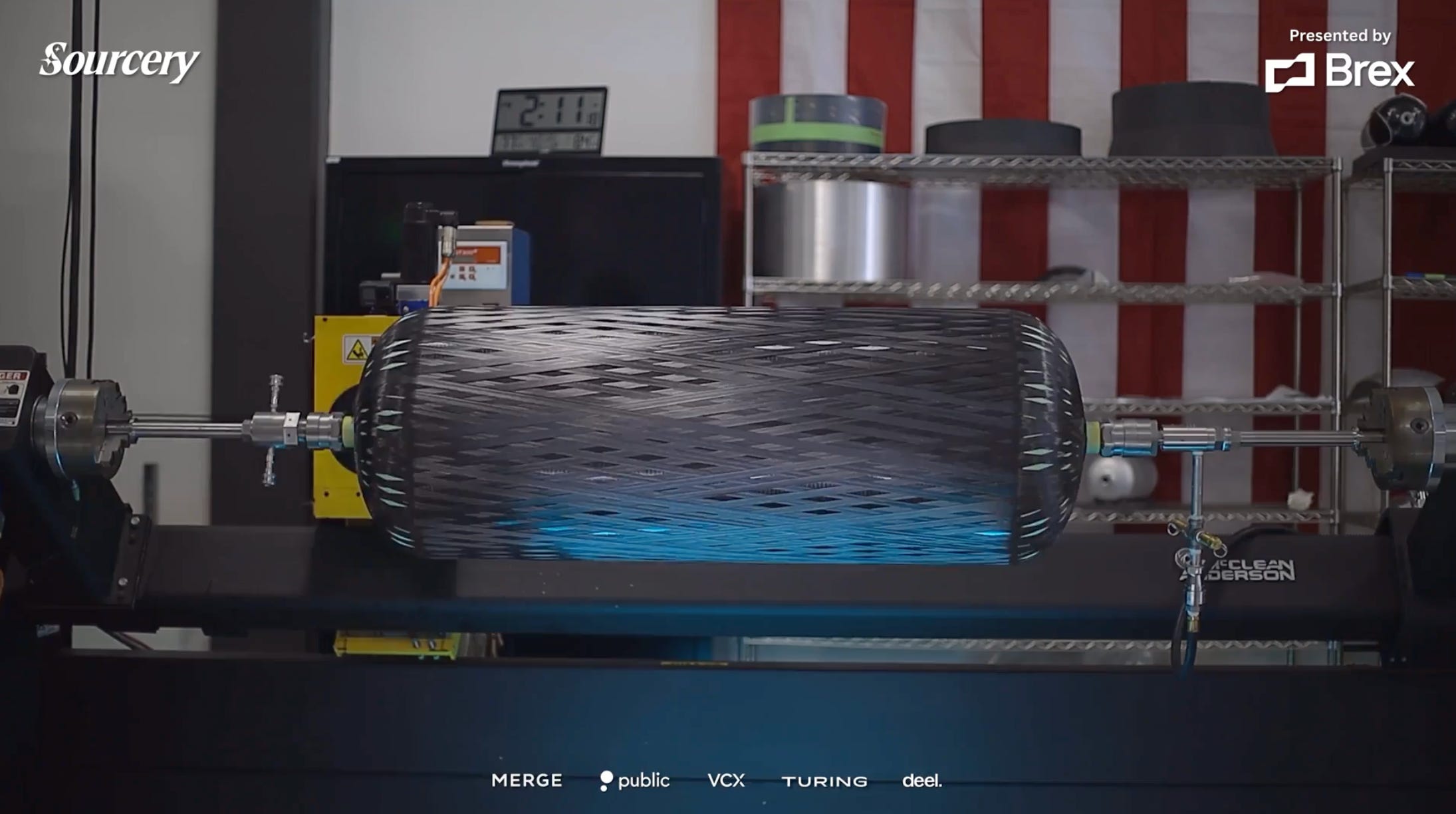
The second is composite tanks. Impulse builds its own composite overwrapped pressure vessels, or COPVs, using an aluminum liner to seal propellant and a carbon overwrap to hold pressure. The payoff is mass: “A properly designed COPV will be about half the mass of a state-of-the-art all metallic tank.” The company brought this in-house because tanks are a major portion of spacecraft mass and because buying them externally can take a year or two and cost hundreds of thousands of dollars apiece. Notably, Impulse provides the full propulsion system, including thrusters, for the Vast space station, and is building high-pressure helium tanks for Helios.
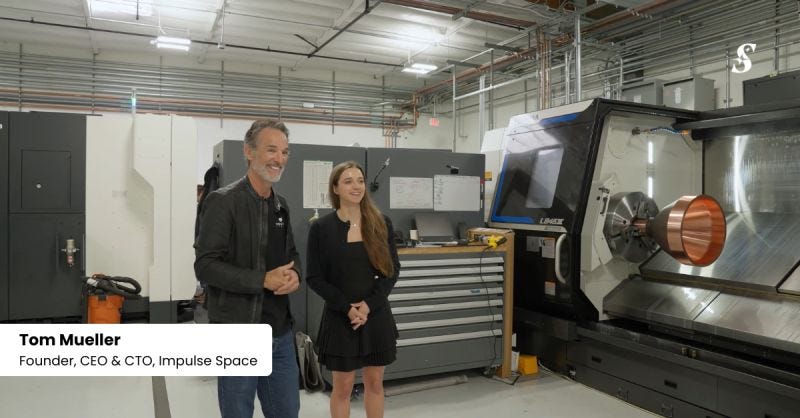
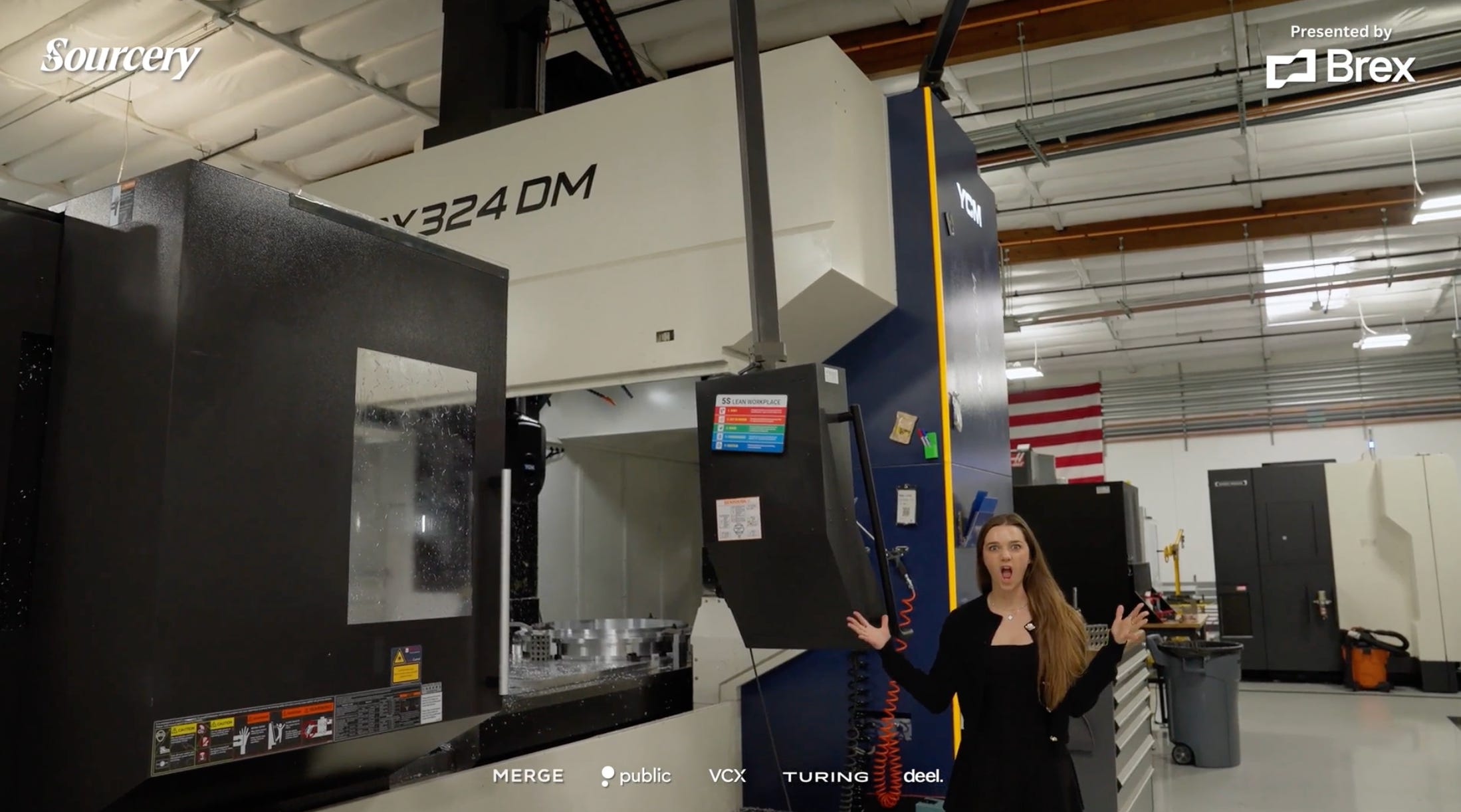
Heavy machining rounds out the picture. Copper combustion liners start as 700-pound forgings and are turned down to about 25 pounds, and the entire Mira aluminum chassis is milled in-house on a machine large enough that, in Mueller’s words, “you can machine a motorcycle on this thing.” Software ties it together: in 2026, he noted, “you can’t have modern hardware without software,” with AI used for coding and design and generative tools driving the 3D printing.

Operating in Orbit
Impulse is not theorizing about on-orbit operations; it is doing them. The company has three spacecraft in orbit, all healthy and tracked by GPS. Last year it performed a rendezvous between two of them, closing to within 1,200 meters, which Mueller called “really damn close in space.”
Real operations bring real surprises. Within the first three or four months of flying its first spacecraft, the team had to perform a collision avoidance maneuver, with warnings coming from the Air Force & commercial trackers like LeoLabs. “It kind of caught us by surprise,” Mueller said, “but we were able to do it and get out of the way.”
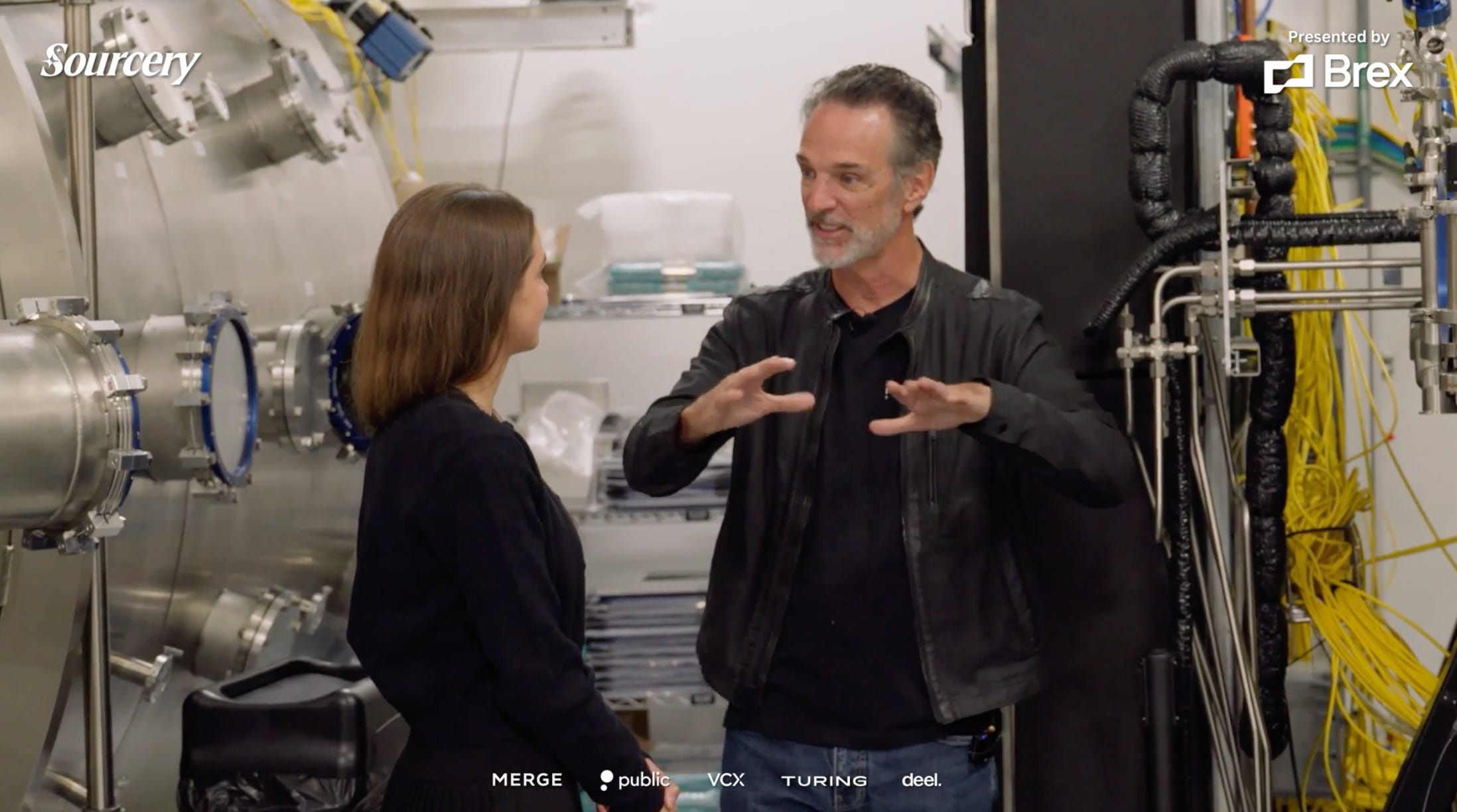
Steering Mira is its own engineering story. All eight thrusters light, and the spacecraft steers by off-pulsing them, a technique called pulse width modulation. Pulse one thruster at, say, 80 percent duty cycle and it produces about 80 percent thrust, letting the vehicle turn. Impulse is also developing electric propulsion for station keeping. The logic is conservation: use electric propulsion for routine upkeep so the chemical propellant is preserved “for when the customer wants to make a fast move.”
SpaceX Lessons: Starlink, Iteration, & Elon
Some of the most useful parts of the conversation were about what Mueller carried over from SpaceX, starting with Starlink. He described an internal confidence that ran opposite to the public skepticism. “When we first designed Starlink, we all had spreadsheets, and we’re looking at the return on investment and going:
→ ‘We need to make & fly as many as we can.’”
While critics online insisted the satellites would fail, the team saw the opposite. They believed it would “hockey stick the stock, which it exactly did.”
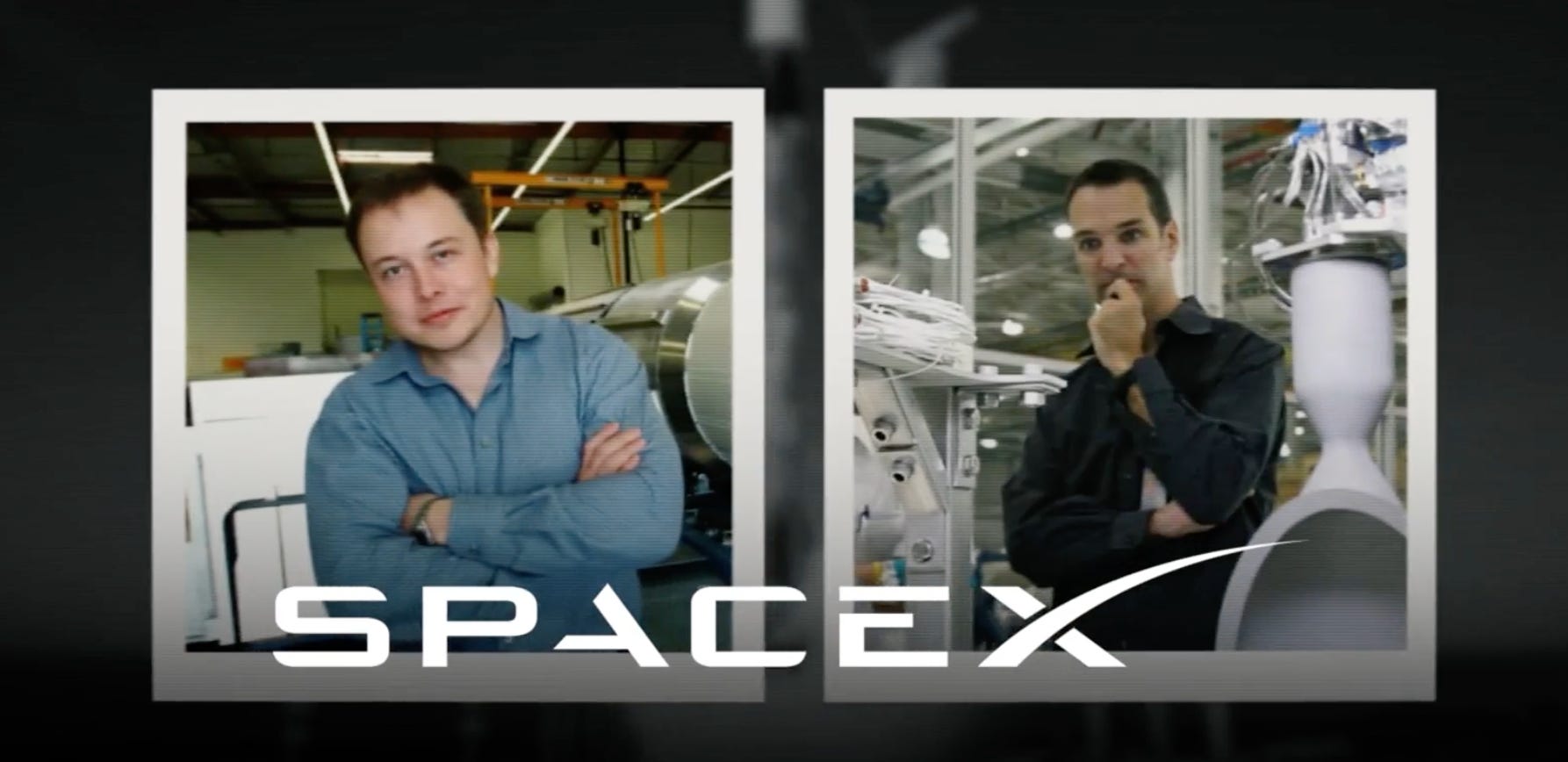
A second lesson is about iteration. Mueller’s rule of thumb, drawn from both of his major engine programs, is that getting hardware truly dialed in takes repetition. “It took three versions of Merlin to get it to be really tight, and it took three versions also of Raptor,” he said. “I would say it takes really three iterations to get to a really, really tight product.” It is a philosophy that maps directly onto the build-test-iterate loop the Impulse factory is designed around.
On working with Elon Musk, Mueller was warm and specific. “Elon’s great to work with. Generally, he just energizes you. He’s got this infectious enthusiasm and gets you just hyped up to go do crazy stuff.” The defining traits, in his telling, were urgency and the ability to draw out people’s best work, along with a knack for recruiting. “He’s also really good at finding and recruiting talent.”
That recruiting instinct points to the cultural throughline. For Mueller, the central ingredient is the team: “the key to success is having a great team.” Impulse, he said, runs the same playbook he learned at SpaceX, a model he summarized in six words. “Vertically integrated, hire the best, and move fast. That’s what we learned at SpaceX.”

The Long View: Nuclear, Orbital Data Centers, & the Moon
Mueller is candid about where he thinks propulsion goes next. He is a strong proponent of nuclear electric propulsion for the outer planets, pointing to the SR1 space reactor mission to Mars as a starting point. His favorite illustration is New Horizons, which flew past Pluto so fast it captured only a few hours of images.
A large nuclear electric stage, he argues, could get there faster & still slow down to enter orbit, then run instruments for decades on reactor power. Closer to home, he expects solar electric to win on cost & performance for cislunar work as space solar panels get lighter.
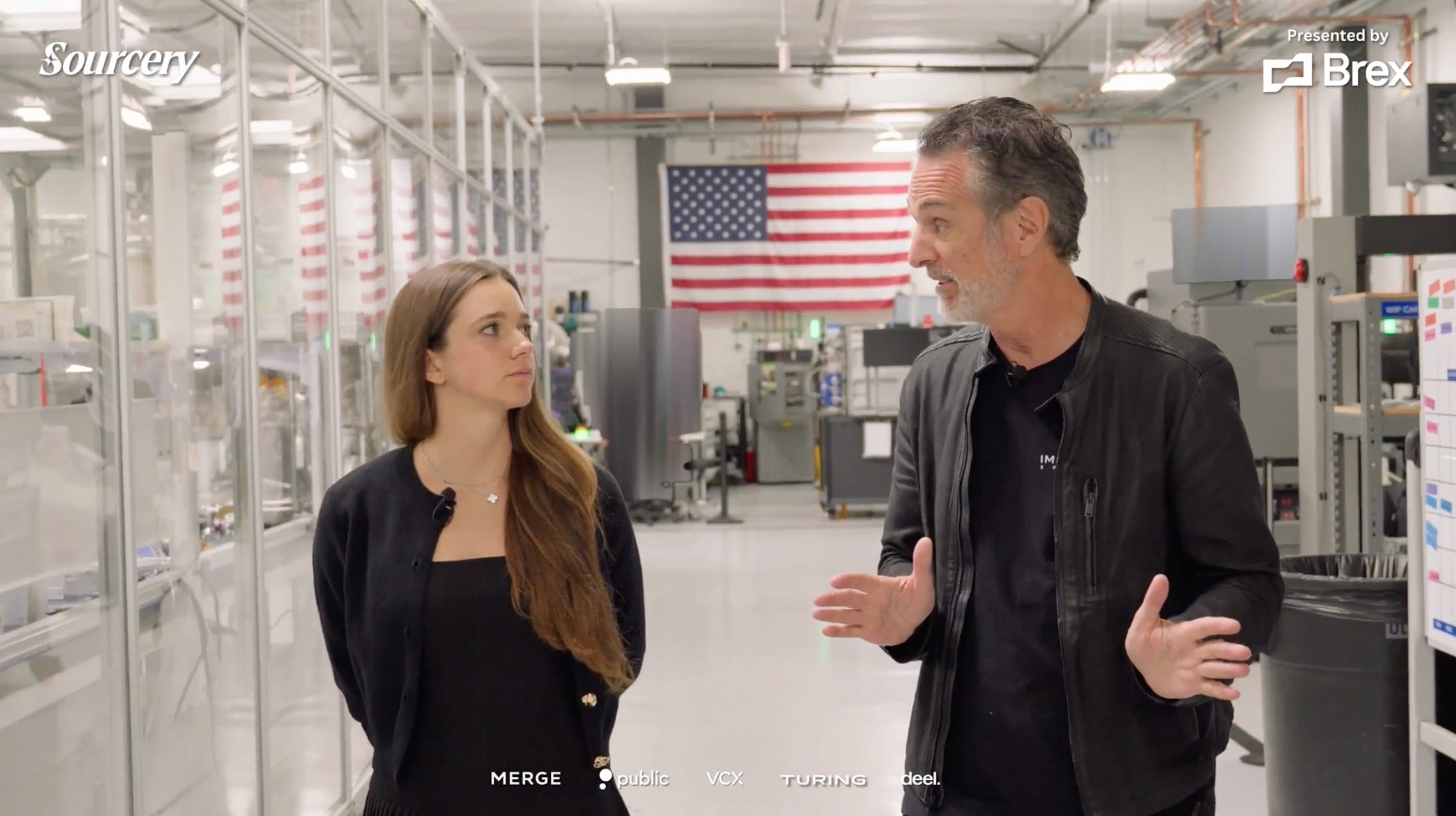
His bigger bet is that compute itself should move off the planet. “Compute needs to move to space,” he said, calling it his hot take. The logic is clean: “All you need as an input is power, and all you have as an output is data. So you move it to space, you have all the power you would ever need,” beaming results back down a laser link. With power for compute growing more than 15 percent per year, and projections that it could rival all of Earth’s current power use within a few decades, he sees moving it off Earth as a way to relieve a resource crunch rather than wait until it becomes one.
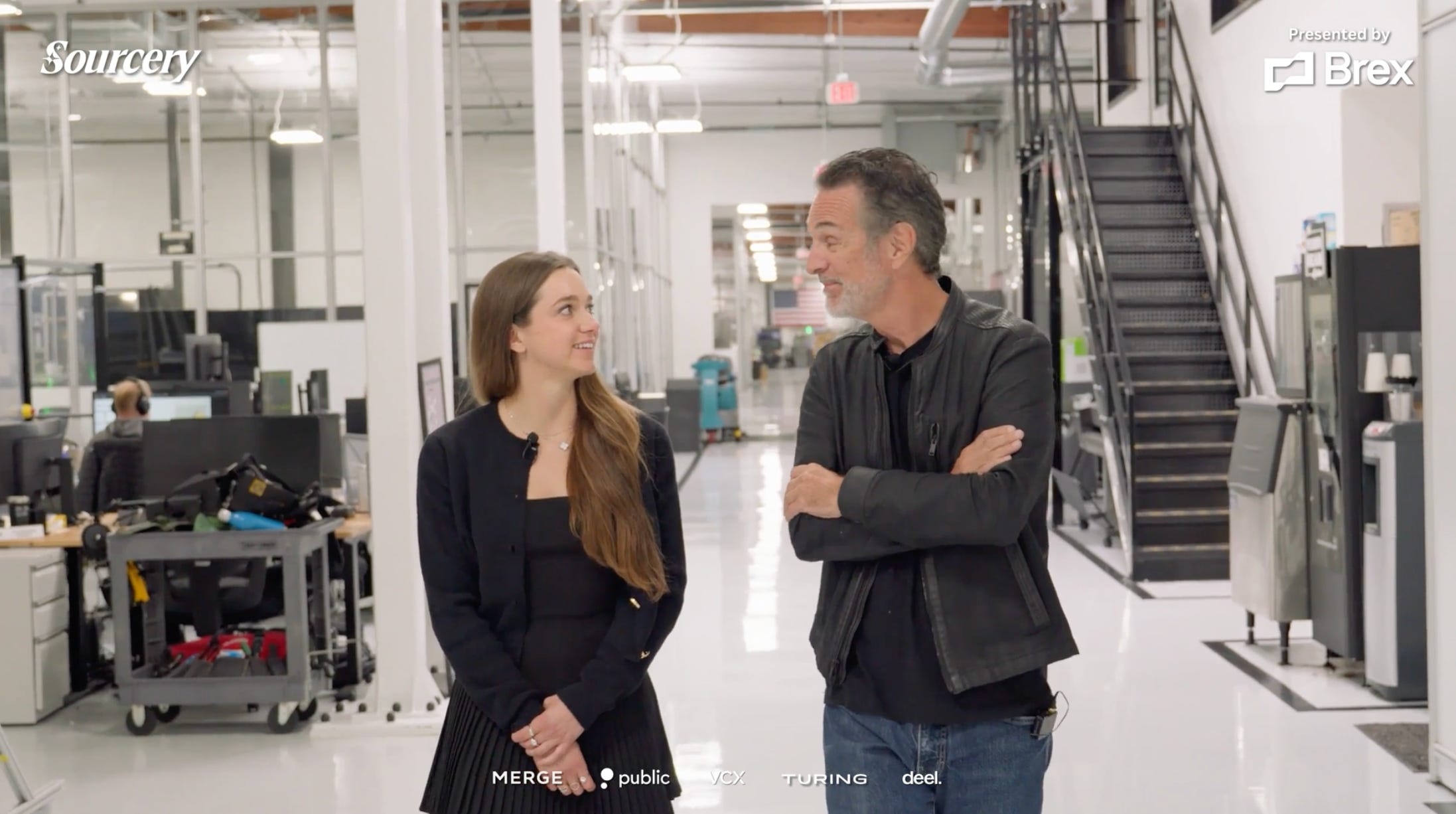
It is worth being precise about what “data centers in space” actually means, because the phrase invites the wrong mental image. As investor Gavin Baker has framed it on the Invest Like the Best podcast, the right picture is not a Pentagon-sized building lifted into orbit but server racks in space, individual racks placed where sunlight is constant and cooling is effectively free, linked to one another & to the ground by laser.
That reframing matters for a company like Impulse, because racks in orbit still need to be placed, maintained, and moved, which is precisely the in-space mobility problem its vehicles are built to solve.
That long view circles back to the Moon, which Mueller considers more important than Mars in the near term. He cited the goal of building and staying at a lunar base, and tied it to resources: the world is projected to face copper shortages, and “we need to start getting copper from the moon, or from the asteroids,” where the supply is effectively limitless. It is the same throughline that runs through the whole conversation, using the resources and the room of space to take pressure off Earth, with Impulse building the vehicles that move things once they are up there.
→ Listen on X, Spotify, YouTube, Apple

Want More Impulse??
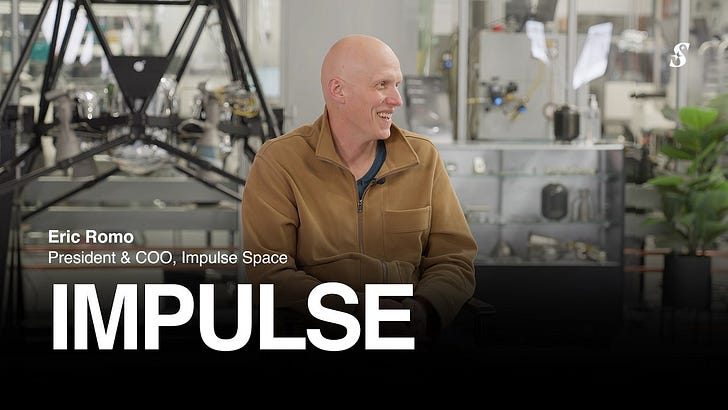
Check out our full interview w/ President & COO Eric Romo
→ Listen on X, Spotify, YouTube, Apple
The material presented on Molly O’Shea’s website are my opinions only and are provided for informational purposes and should not be construed as investment advice. It is not a recommendation of, or an offer to sell or solicitation of an offer to buy, any particular security, strategy, or investment product. Any analysis or discussion of investments, sectors or the market generally are based on current information, including from public sources, that I consider reliable, but I do not represent that any research or the information provided is accurate or complete, and it should not be relied on as such. My views and opinions expressed in any website content are current at the time of publication and are subject to change. Past performance is not indicative of future results.
Paid Endorsement. Brokerage services by Open to the Public Investing Inc, member FINRA & SIPC. Advisory services by Public Advisors LLC, SEC-registered adviser. Crypto trading provided by Zero Hash LLC, licensed by the NYSDFS. Generated Assets is an interactive analysis tool by Public Advisors. Output is for informational purposes only and is not an investment recommendation or advice. See disclosures at public.com/disclosures/ga. Matched funds must remain in your account for at least 5 years. Match rate and other terms are subject to change at any time.