


Neros’ 250K sqft Drone Factory
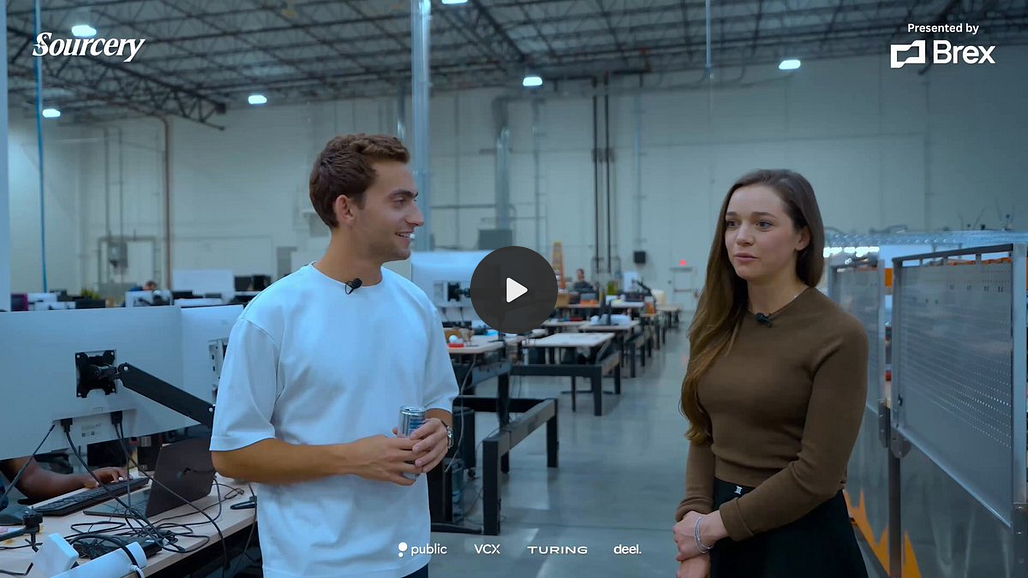
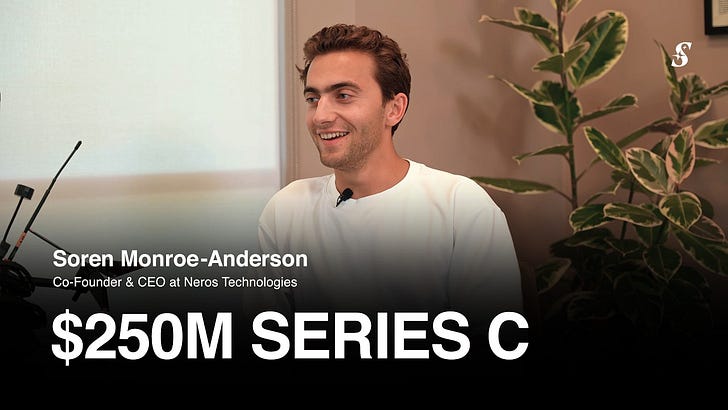
Sourcery goes inside Neros Technologies’ new 250,000-square-foot Millennium One facility with Co-Founder & CEO Soren Monroe-Anderson.
→ Listen on X, Spotify, YouTube, Apple
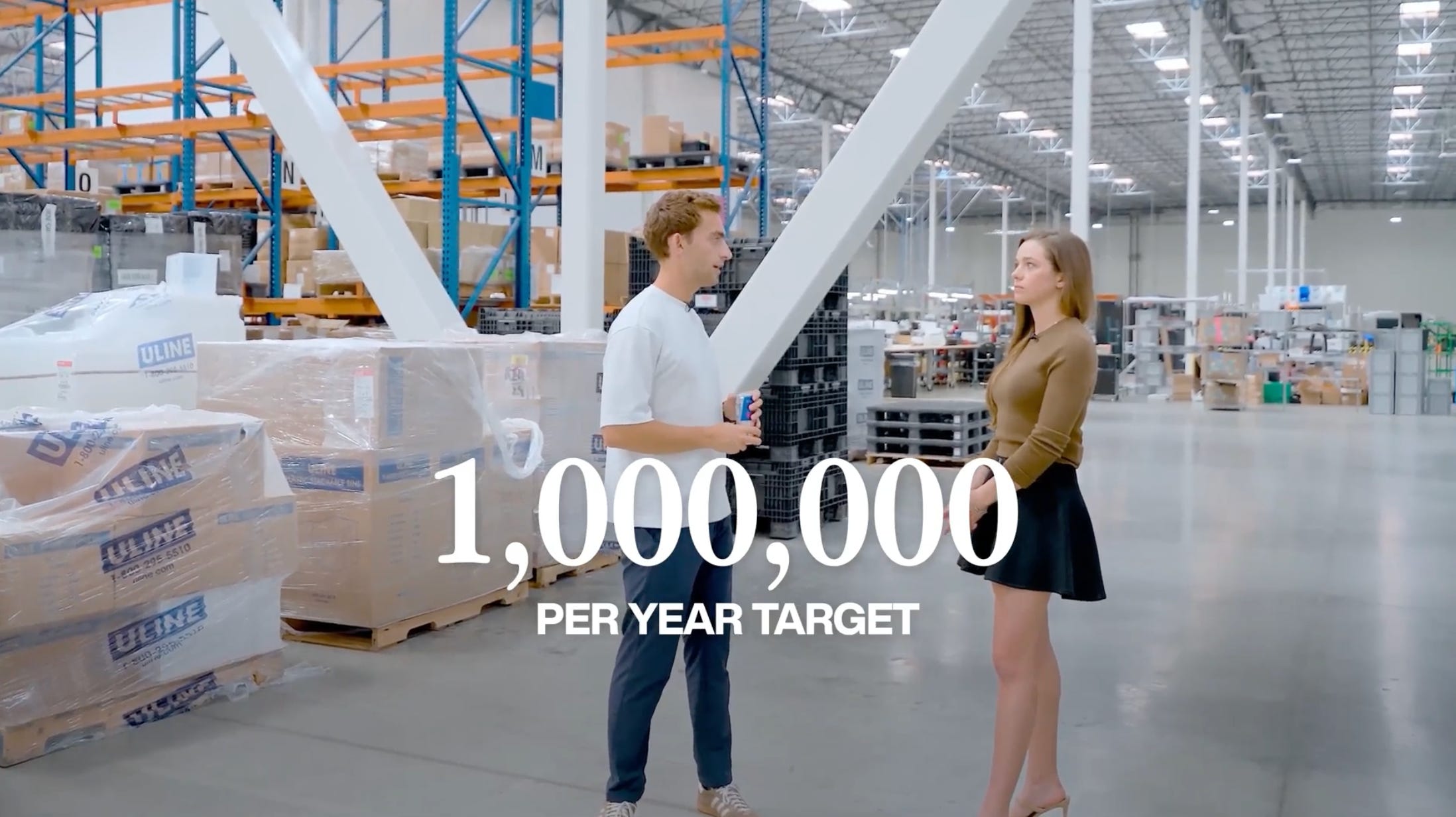
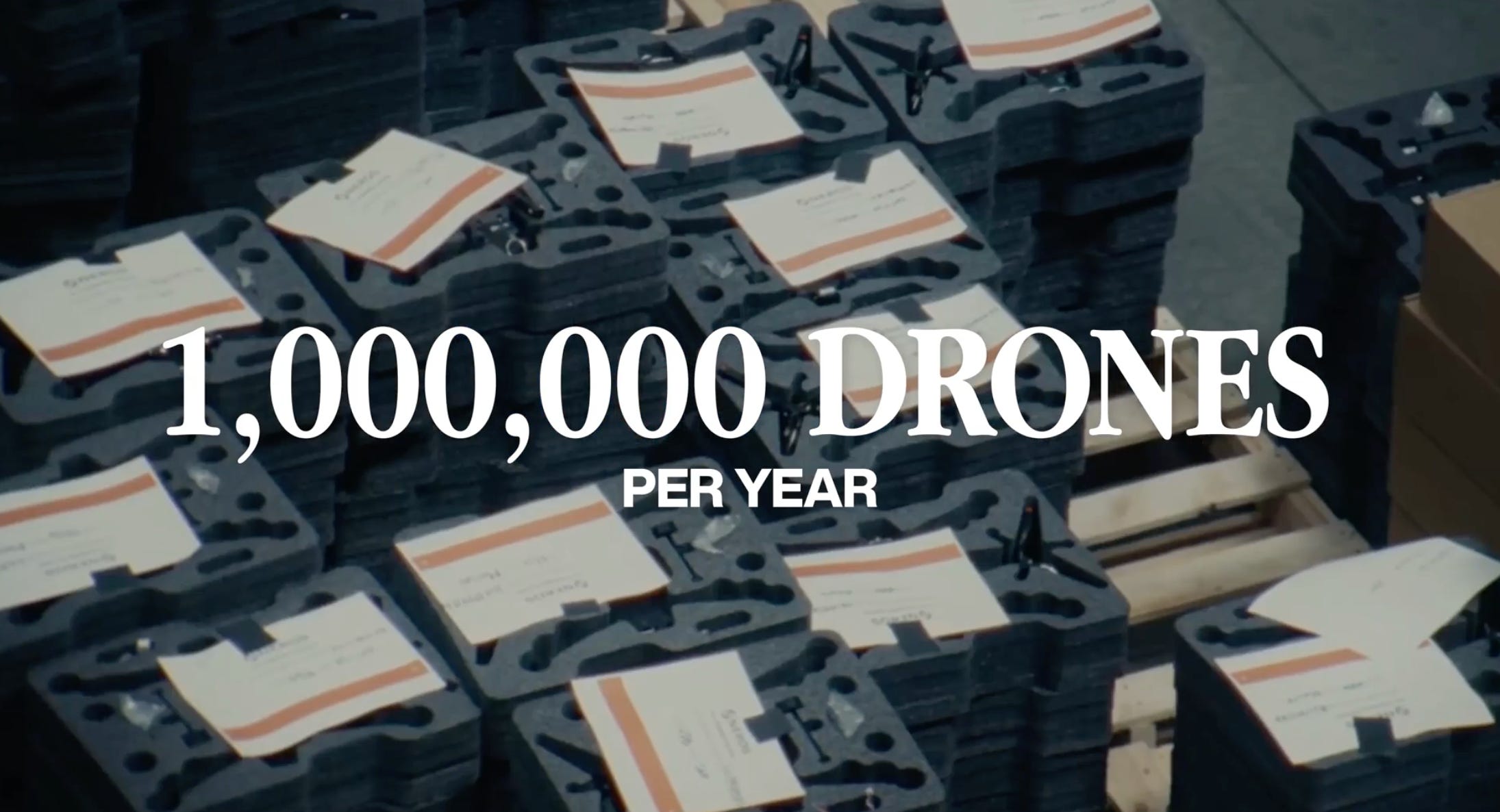
Neros designed the factory with enough space to eventually produce 1 million drones per year. Today, the company says it is already manufacturing more than 250 drones per day, with engineering, testing, supply chain & production operating under one roof.
Soren takes us through Neros’ engineering labs, flight-test operation, drone and ground-station assembly lines, manufacturing software and 100% end-of-line flight testing. We also get a look at the latest Bandit interceptor prototype, which can reach roughly 300 km/h, with Neros targeting closer to 400 km/h for intercepting faster jet-powered Shahed variants.
We also visit the new-product introduction line where Neros is preparing Archer AI for mass production, and the massive open portion of the factory reserved for bringing more component manufacturing in-house. Soren explains why mass-producing drones requires designing the product around manufacturing, why 3D printing does not solve the underlying supply-chain problem, and how Neros plans to vertically integrate its way toward million-unit scale.
𝐓𝐈𝐌𝐄𝐒𝐓𝐀𝐌𝐏𝐒
(00:00) Inside Neros' 250,000 sq. ft. Millennium One Factory
(01:21) How Neros pushes its drones to the limit
(02:35) Why 3D printing can't solve the drone supply chain problem
(03:40) How their drones are built different
(06:20) The new 300 km/h Bandit interceptor
(09:09) Inside the drone assembly line: producing 250+ drones a day
(11:17) South Bay's biggest American flag
(11:42) How Neros stress-tests its drones
(15:26) Inside the new product introduction line
(17:01) What roles is Neros hiring for
(19:00) Soren's hot take on defense tech
Brought to you by:
Brex—The intelligent finance platform: cards, expenses, travel, bill pay, banking—wrapped into a high-performance stack. Built for scale. Trusted by OpenAI, Anthropic, Vercel, Granola, Deepgram, & Sourcery.. teams that move fast AF. visit → brex.com/sourcery

Turing—Turing partners with frontier AI labs to improve model capabilities in coding, reasoning, tool use, & multimodality, as well as with Fortune 500 enterprises to build & deploy end-to-end agentic AI systems in mission-critical workflows Visit: turing.com/sourcery
VCX—VCX is the public ticker for private tech, allowing investors of all sizes to invest in venture capital. View The Portfolio at GetVCX.com
Deel—Deel is the global people platform that helps startups hire, manage, pay, and equip anyone, anywhere. Trusted by more than 35,000 fast-growing companies, Deel is the people platform that just works, so teams can scale without the chaos. Visit: deel.com/sourcery
Public-–Investing platform Public just launched Generated Assets, which lets you turn any idea into an investable index with AI. With Generated Assets, you can build, backtest, refine, and invest in any thesis with AI. Gone are the days of one-size-fits-all ETFs. Try it today: public.com/sourcery
Inside Millennium One: The Factory Neros Built for 1 Million Drones a Year
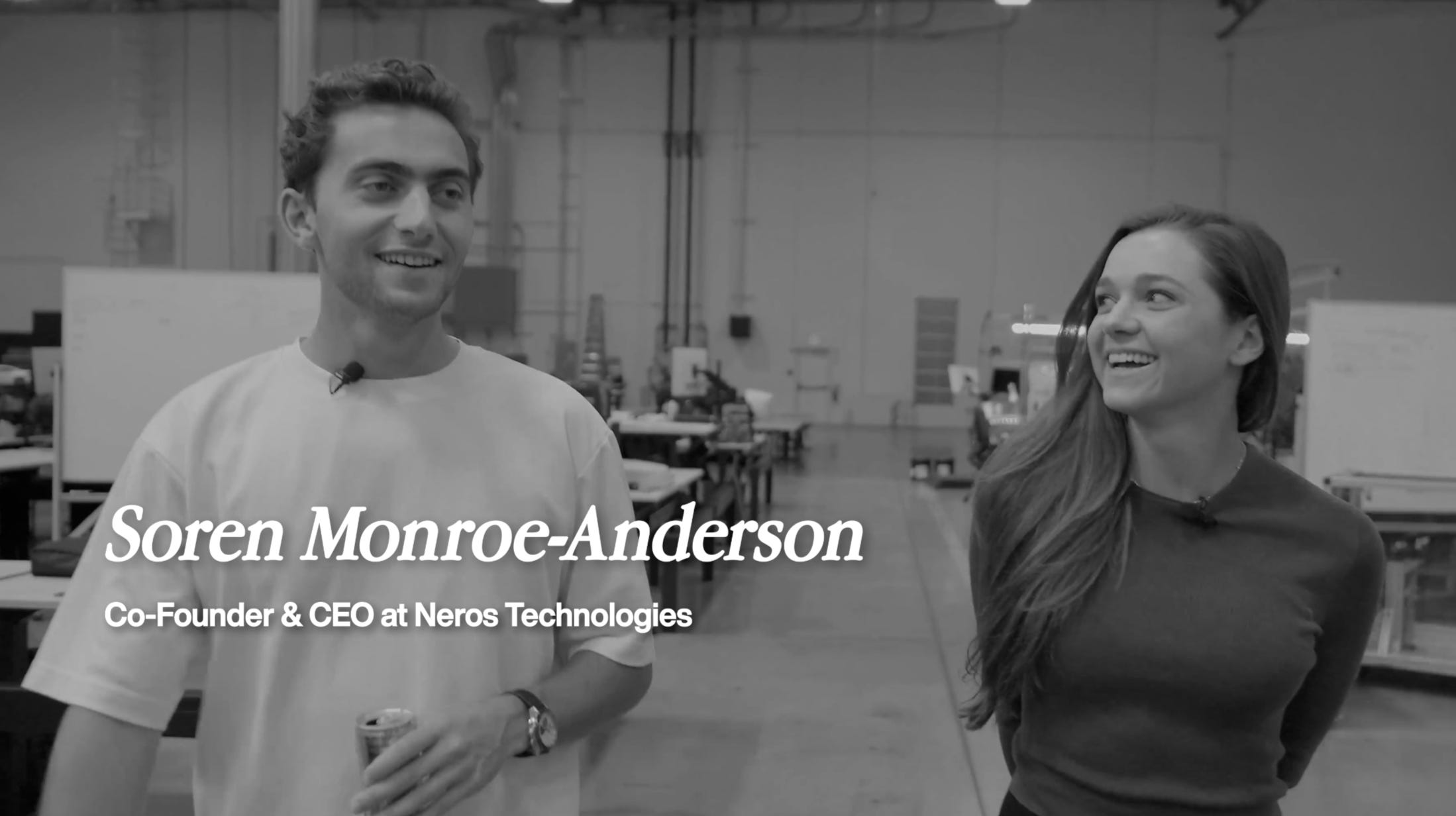
Neros moved into its Torrance facility a few months ago. Co-founder and CEO Soren Monroe-Anderson walked us through it, from the flight test racks to the empty floor still waiting to be filled.
“We sized this building to be big enough to do a million drones per year.”
→ Listen on X, Spotify, YouTube, Apple
Flight Test: 10 People, 2 Teams, Every Day
The tour opens at the flight test team’s area, where drones sit on racks at various points in the development testing process. The team is 10 people, out at desert sites roughly 2 hours from Torrance, with 2 teams in 2 different locations every day.
On the racks were a V1 Bandit interceptor prototype and an Archer AI drone, both of which had spent time being run to failure in desert heat.
“All of this stuff has been just getting beat to hell out in the hot desert, and surviving. That’s the goal. But really we’re just trying to push everything to its limit and see where it breaks.”
Neros has no wind tunnel, which sets it apart from most commercial drone companies. Quadcopters are far less affected by wind than fixed-wing aircraft, and the company does enough testing in genuinely windy conditions that simulating an exact wind profile has never been necessary. Fixed-wing is not on the roadmap today, though Monroe-Anderson sees the same low-cost, high-effectiveness logic from FPV applying there eventually.
Why Neros Does Not 3D Print Drones
The idea of printing drones at the edge circulates widely enough that it came up on the tour. The answer is that it solves a different problem than the one Neros is solving.
“3D printing is generally good for making a few of a thing, making lots of different things. We are mostly focused on making a lot of one thing, or a really consistent process.”
Printers can adapt an airframe or a payload adapter to a mission set. They cannot touch what actually constrains production.
“You’re not gonna be 3D printing your circuit boards, your motors, your radios, any of that stuff out on the battlefield. So it does not solve the supply chain problem in the ways that maybe are claimed in some of the posts today.”
Factories, in his framing, are efficient precisely when they are large and centralized.



The Airframe Tradeoff
Archer airframes are built mostly from carbon plate, which is light and strong. The alternative approach, cast or CNC’d metal bodies, buys a thermal advantage Neros wanted without the manufacturing cost.
The solution was a flat aluminum bottom plate that contacts the motherboard and the radios through thermal interface material when the drone is closed out, acting as a large heat sink.
“It’s just a flat plate that’s cut into a shape in 2D versus having to be cast or CNC’d, which is just a lot cheaper for mass manufacturing.”
What Comes Off the Line
Archer ships in three variants, differentiated by propeller size and mission set. The 5” is built for closer range and close-quarters or urban environments with smaller payloads. The 8” and 10” are optimized for longer distance strikes with heavier payloads.
Compatible sensors across the platform include low-light, EO/IR, thermal, and a down camera. Archer sells starting at $2k and runs to around $5k once peripherals and warheads are added. Archer AI, the autonomy-enabled variant adding position hold and terminal guidance, runs roughly $3k to $6k with warheads and sensors.

Crossbow, the ground control station assembled on the line’s right side, now fits the full kit of radio and pilot box on a single soldier’s plate carrier. The latest generation cut size by more than 50% while holding 25 km range, and adds twice the radio beam width coverage so operators can focus on the target rather than antenna orientation, along with weather-resistant ruggedized enclosures, reduced-profile antennas with reinforced joints, and push-pull harness connections on goggles, handset, and radio for setup in low light.
Bandit is speced against Class 3 targets like Shaheds, at an estimated 233 mph top speed, 16,500 ft max altitude, and 12.4 mi engagement range, starting around $5k depending on payload.

Engineering Sitting Next to the Line
Engineering workstations carry whatever hardware and test equipment the engineer needs, with a larger lab area immediately adjacent, including an electronics lab where new boards get brought up. The point is to keep as much iteration in-house and as close to the desk as possible.

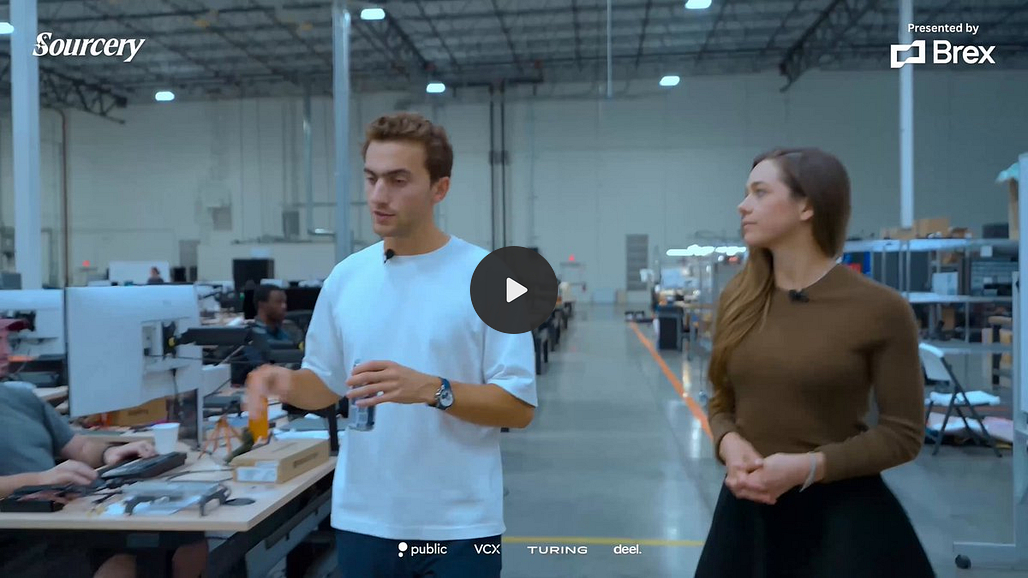
The larger point is the floor plan. Mechanical engineering, manufacturing engineering, and supply chain all sit near the line and interspersed with each other.
“The engineers here are sitting right next to production, and the teams that are sitting close to production are the ones who are most impactful to production.”
“There’s really good communication between all the teams for the full life cycle of the product, not just design, which is where a lot of things tend to get left and just thrown over the fence if you don’t have this really close collaboration.”
The Bandit Interceptor, Two Months In
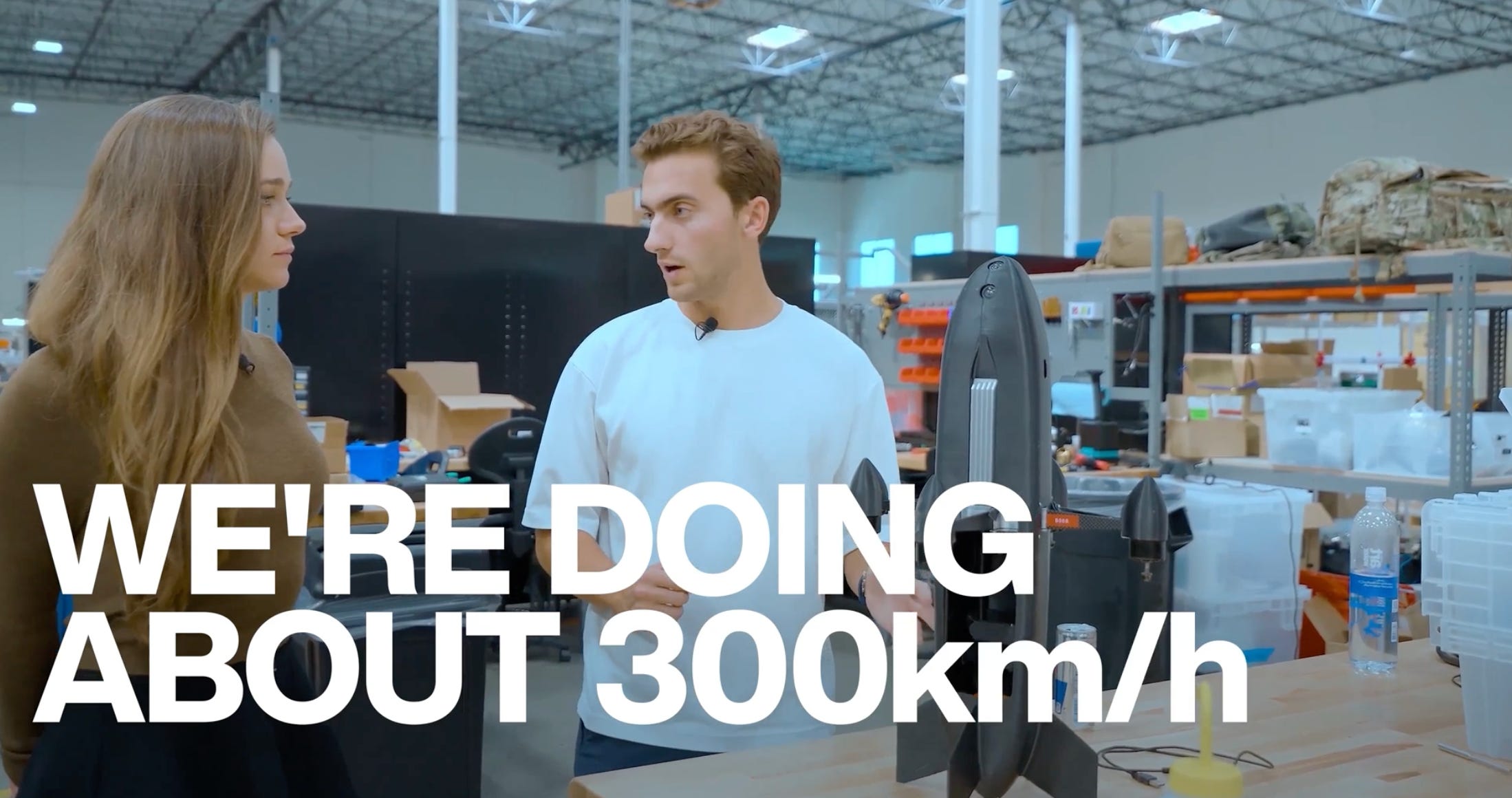
The mechanical engineering department held the newest Bandit, noticeably sleeker than the desert prototype and roughly 40 km/h faster, at about 300 km/h. Monroe-Anderson still calls it a rough prototype. It represents a couple of months of development.
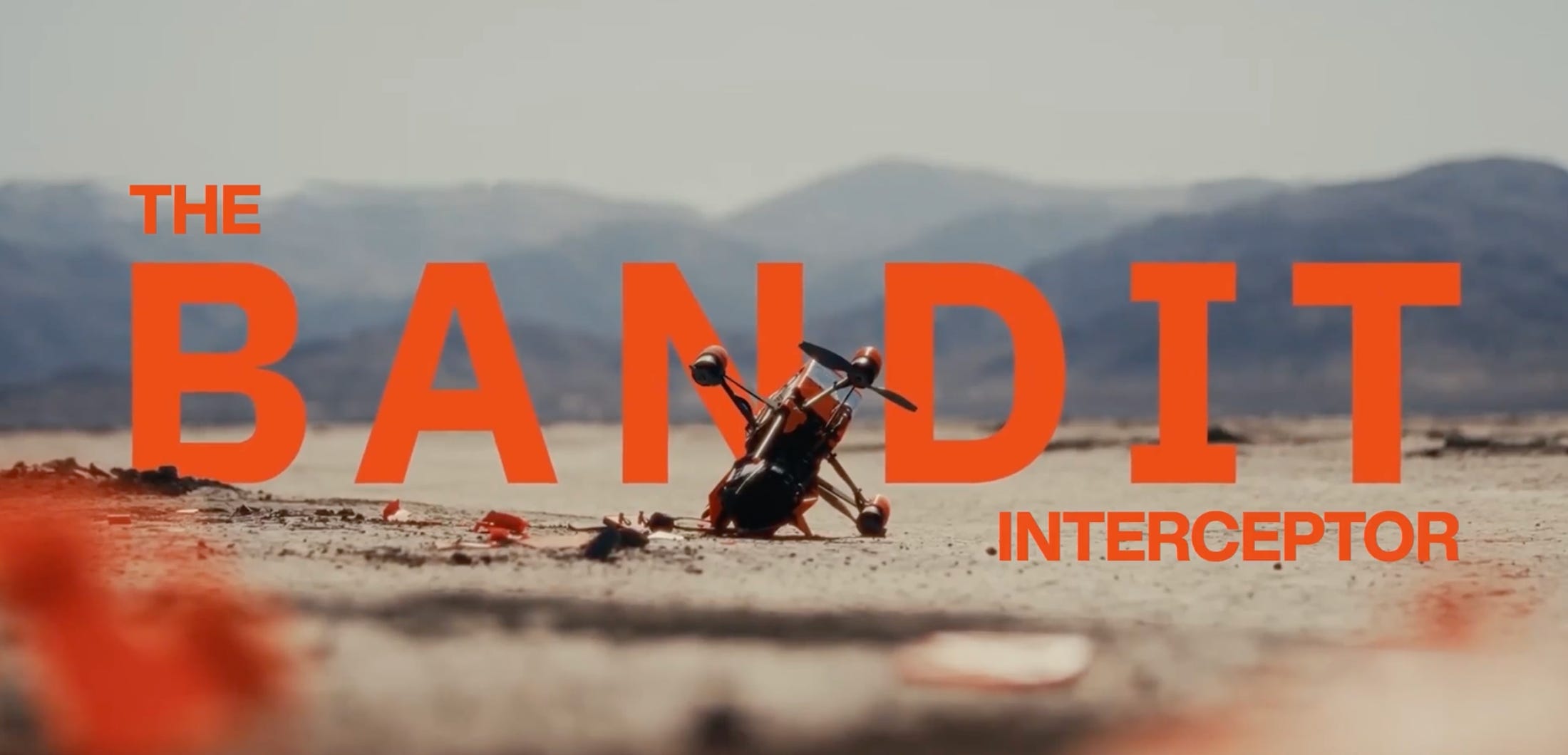
300 km/h is a workable speed against typical Shahed drones. Jet-powered Shaheds are the harder target.
“To go after jet-powered Shahed drones, we need to be closer to 400 kilometers an hour. So that would be the ideal end state.”
Getting there means bigger motors, a bigger battery, and more aerodynamic work, with room left on all three.

Production: 250 Drones a Day, Every Flight Tested
The line runs drone assembly on one side and ground station assembly on the other, with a production dashboard tracking daily, weekly, and historical output. Current rate is a little over 250 drones a day, and that is the normal rate, not a rate staged for cameras.
Stations are manually operated, with parts preloaded into bins and fed from the back so they sit within reach, plus tooling and preset-torque drivers to make each station easy to run. Manufacturing software tracks serial numbers of critical components into airframes and logs station time by tablet tap, which surfaces where time is being lost and where the bottleneck sits.
Automating the line is not currently practical, because the product was not designed for it. That changes with the ground-up redesign.
“To get to an automated line, it takes a pretty significant redesign of the product itself. But for the rate at which we are iterating, it actually makes a ton of sense to have manually operated stations.”
Every drone Neros makes goes through an automated test station and then a 100% flight test, where operators load a mass simulation payload and stress the drone hard in a short flight. The eventual goal is sample testing rather than universal flight test, which requires enough data from both stations to trust that issues are caught upstream. That is still some distance away, and the data collection to get there is happening now.
The tour also passed a dedicated rework line, set up after an issue caught in production turned out to affect drones already sitting in inventory.
The Empty Space
The old El Segundo facility ran 100 people and manufacturing inside 15,000 square feet, which meant fighting to get drones out the door. Torrance is 250,000 square feet, and the difference shows in what the company can now afford to dedicate space to.
One example is the new product introduction line, where process gets developed before anything reaches the main line. Archer AI is going through NPI now, ahead of entering main production later this year. The NPI line alone is larger than the entire old production line.
“This is bigger than our old production line, just dedicated to new products.”
Past that is open floor. The plan starting this year is in-house component manufacturing feeding the systems built on the main line.
“We wanted, with this facility, to not have to have multiple sites, not have to move. And so we’ve got all the space we need to actually vertically integrate everything, and then get to that million per year target.”
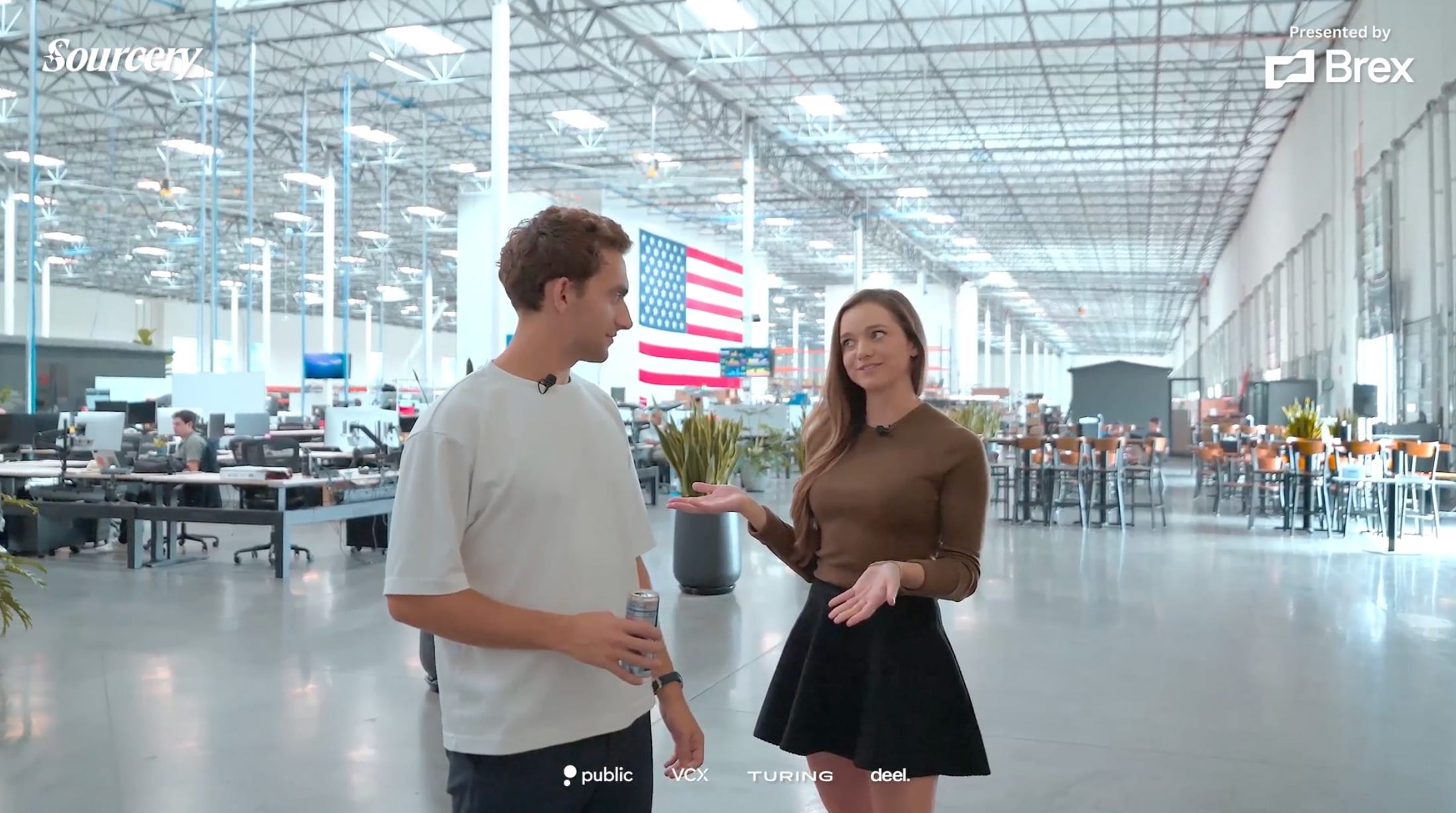
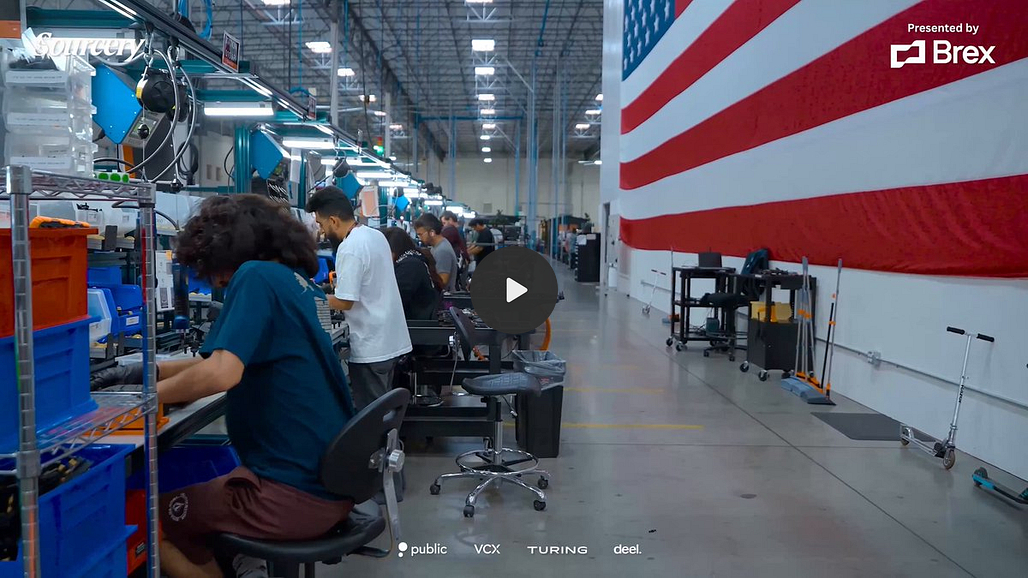
Asked when Neros outgrows the building, Monroe-Anderson said he does not know, and that not knowing is the good outcome. The only stated requirement for a future facility is higher ceilings, since the American flag hanging over the line is 30 by 60 feet and, as far as he knows, the largest in the South Bay.
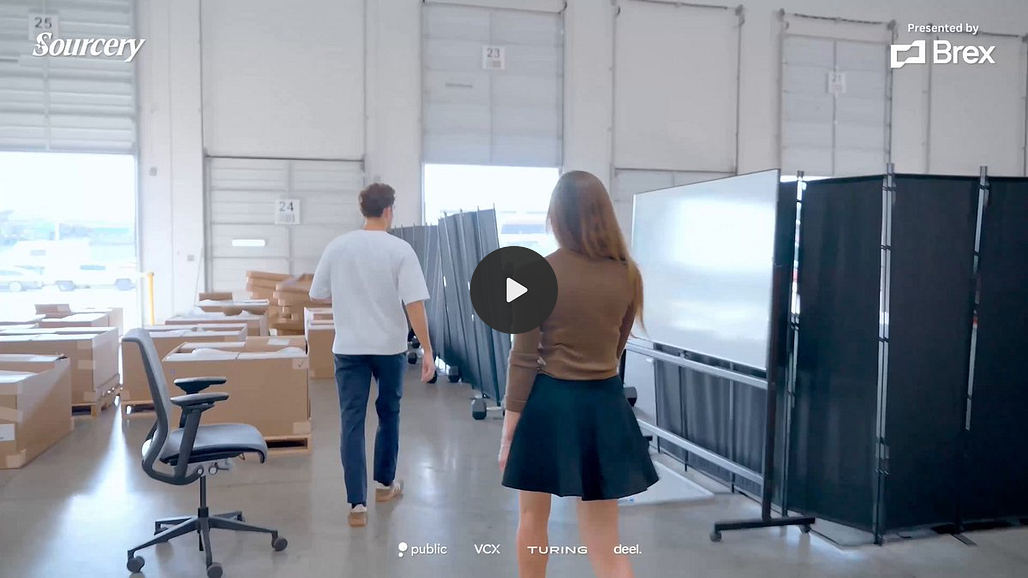
We closed by asking for his hottest take.
“A lot of the defense tech, maybe the majority of defense tech products that are being put out right now by startups are not very effective and maybe even completely useless.”

» » » NEROS IS HIRING « « «
Neros is hiring across every engineering discipline, with the sharpest constraint on responsible engineer level talent, meaning engineers who can own a system or subsystem outright. Historically the company ran fewer than 10 REs across the entire Archer platform. Moving to multiple product lines requires both platform-level and component-level REs across many projects simultaneously, which multiplies demand for exactly the people who are hardest to find.
Monroe-Anderson describes the global pool of hardware engineers at that level as very limited, and every high-growth LA hardware company is competing for it. The response has been to build a company that top talent wants to join and prove themselves at.
TLDR: Hiring runs across essentially every department, with the sharpest need for hardware engineers and engineers capable of full system responsible engineer ownership.
→ Listen on X, Spotify, YouTube, Apple
Want to check out the FULL INTERVIEW?
→ Listen on X, Spotify, YouTube, Apple
The material presented on Molly O’Shea’s website are my opinions only and are provided for informational purposes and should not be construed as investment advice. It is not a recommendation of, or an offer to sell or solicitation of an offer to buy, any particular security, strategy, or investment product. Any analysis or discussion of investments, sectors or the market generally are based on current information, including from public sources, that I consider reliable, but I do not represent that any research or the information provided is accurate or complete, and it should not be relied on as such. My views and opinions expressed in any website content are current at the time of publication and are subject to change. Past performance is not indicative of future results.
Paid Endorsement. Brokerage services by Open to the Public Investing Inc, member FINRA & SIPC. Advisory services by Public Advisors LLC, SEC-registered adviser. Crypto trading provided by Zero Hash LLC, licensed by the NYSDFS. Generated Assets is an interactive analysis tool by Public Advisors. Output is for informational purposes only and is not an investment recommendation or advice. See disclosures at public.com/disclosures/ga. Matched funds must remain in your account for at least 5 years. Match rate and other terms are subject to change at any time.