


RKLB Final Tour: Engine Development Center
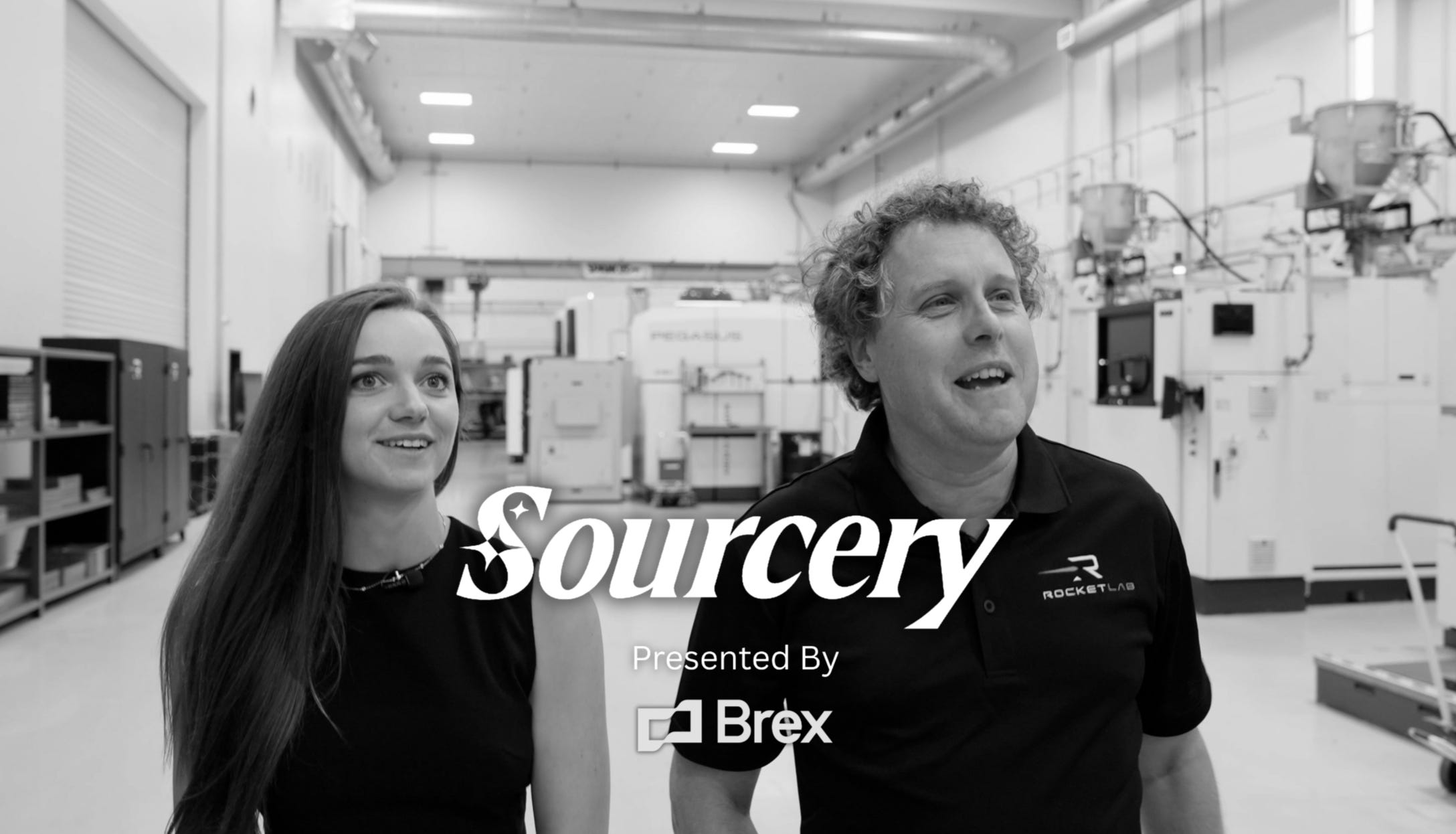
We’re back inside Rocket Lab (Nasdaq: RKLB) with Founder & CEO Sir Peter Beck, this time for a behind-the-scenes tour of the company’s Engine Development Center and the technology powering Electron & its next-generation Neutron rocket.
→ Listen on X, Spotify, YouTube, Apple
Pete walks us through Rocket Lab’s additive manufacturing operation, where the vast majority of its engines by mass are 3D printed, and breaks down the engineering behind Rutherford and the much larger Archimedes engine being built for Neutron.
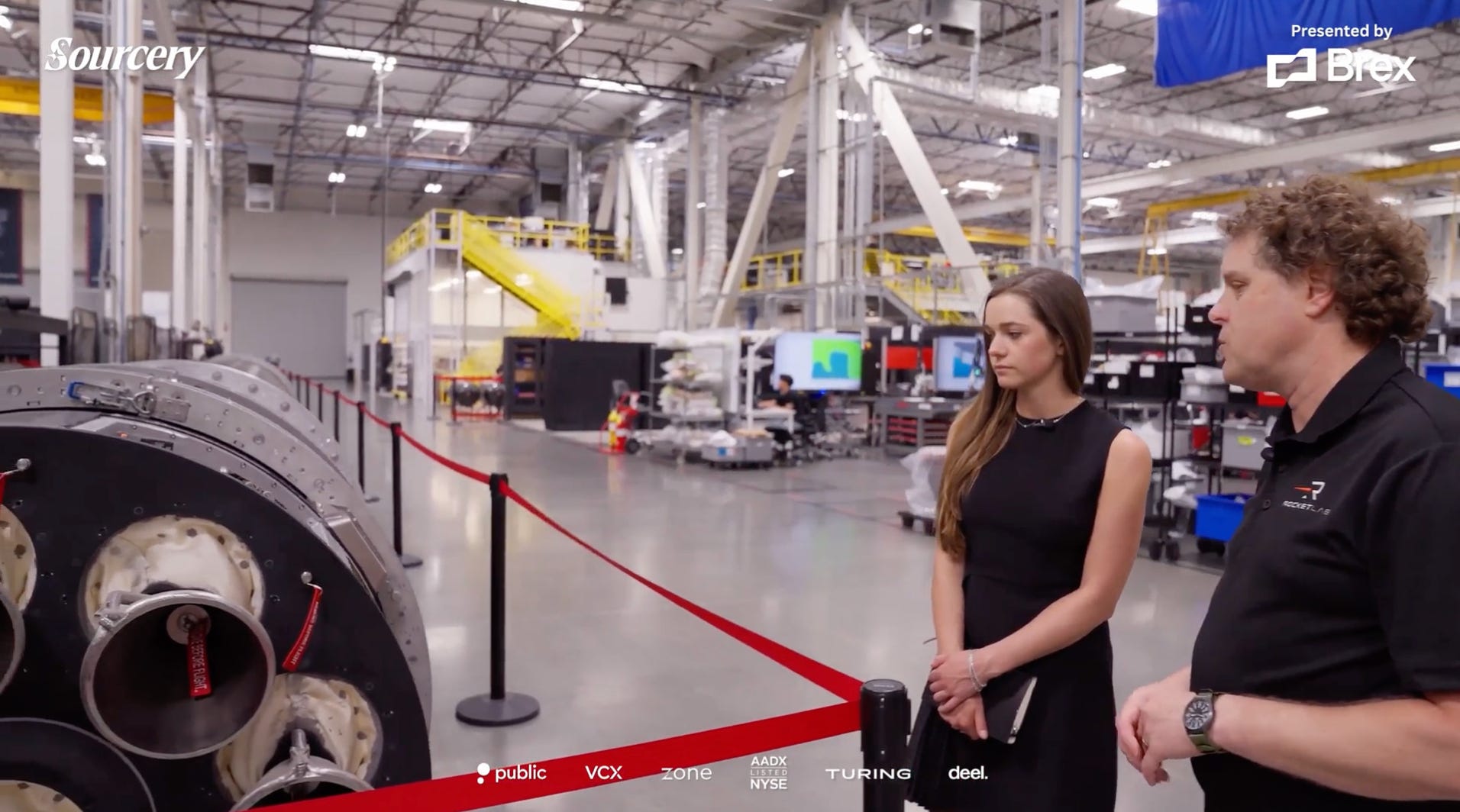
We see Archimedes thrust chambers, turbopumps, 12-laser metal 3D printers, the Rutherford engines powering Electron, and an Archimedes production line capable of producing an engine every eight days.
Pete explains why Rocket Lab chose methane for Neutron, how designing for reusability changes almost every engineering decision, why an Archimedes engine must survive 40 starts and one hour of qualification burn time, and Rocket Lab’s goal of building a rocket that can come off the barge, go straight back onto the pad, and launch again.
We also get into how Rocket Lab acquired more than $100 million of Virgin Orbit assets for $16 million, why Pete thinks some “zombie” space companies refuse to die, the difficulty investors have in diligencing rocket companies, and why Rocket Lab believes vertical integration has been critical to its success.
Pete leaves us with his view on that the space industry hasn't rly even begun yet..
“It's like we've sent our first email in the beginning of the internet.”
“I think the biggest thing to be done in space hasn’t even been thought about, let alone talked about.”
This is Tour 02, the second & final part of our Rocket Lab factory tour.
Catch up on the full series:
Part II / Tour 01: Inside Rocket Lab HQ, Mission Control & Satellite Manufacturing
Part III / Tour 02: Inside Rocket Lab’s Engine Development Center, Rutherford & Archimedes
𝐓𝐈𝐌𝐄𝐒𝐓𝐀𝐌𝐏𝐒
(00:00) Sir Peter Beck, Founder & CEO at Rocket Lab
(00:48) Buying a $100M building for $16M
(02:30) Why Space companies never die
(04:15) This is where Rocket Lab's engines actually get built
(06:55) The Biggest differences between Archimedes and Rutherford
(07:56) This is where Rocket Lab actually tests its Engines
(10:01) How 12 lasers print a Rocket engine part
(15:04) A full walkthrough of the Electron Rocket
(16:29) Why Iridium was just the beginning
(18:35) Methane vs. Kerosene: why it matters
(19:28) Why Reusability creates its own set of problems
(24:17) What makes a Vacuum Engine different
(26:39) The future of Space
Brought to you by:
Brex—The intelligent finance platform: cards, expenses, travel, bill pay, banking—wrapped into a high-performance stack. Built for scale. Trusted by OpenAI, Anthropic, Vercel, Granola, Deepgram, & Sourcery.. teams that move fast AF. visit → brex.com/sourcery

Applied Aerospace—As global competition intensifies, strategic leadership demands space and defense technologies that deliver enduring national capabilities. At Applied Aerospace & Defense, we unleash the power of advanced manufacturing with unmatched scale and agility. Visit: applied-ad.com/
Turing—Turing partners with frontier AI labs to improve model capabilities in coding, reasoning, tool use, & multimodality, as well as with Fortune 500 enterprises to build & deploy end-to-end agentic AI systems in mission-critical workflows Visit: turing.com/sourcery
VCX—VCX is the public ticker for private tech, allowing investors of all sizes to invest in venture capital. View The Portfolio at GetVCX.com
Deel—Deel is the global people platform that helps startups hire, manage, pay, and equip anyone, anywhere. Trusted by more than 35,000 fast-growing companies, Deel is the people platform that just works, so teams can scale without the chaos. Visit: deel.com/sourcery
Public-–Investing platform Public just launched Generated Assets, which lets you turn any idea into an investable index with AI. With Generated Assets, you can build, backtest, refine, and invest in any thesis with AI. Gone are the days of one-size-fits-all ETFs. Try it today: public.com/sourcery
Rocket Lab’s Engine Development Center (“EDC”)
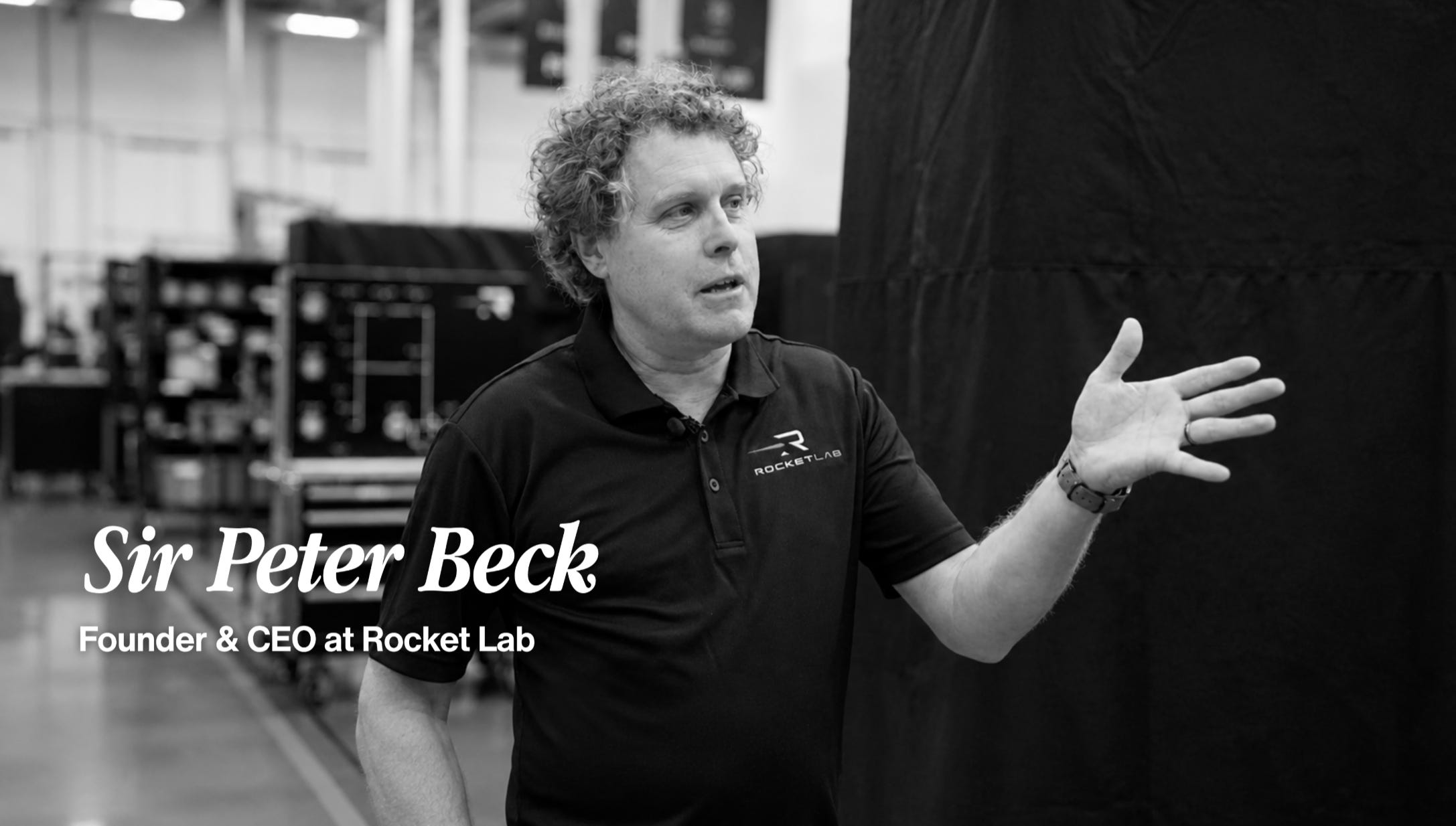
Rocket Lab’s Engine Development Center sits in Long Beach, a short golf cart ride from the company’s headquarters. It builds the Rutherford engines that power Electron and the Archimedes engines that will power Neutron. The building belonged to Virgin Orbit until 2023.
Sourcery toured the facility with Sir Peter Beck, walking the additive manufacturing floor, an assembled Electron, and the Archimedes production line. This is the second of two facility tours.
→ Listen on X, Spotify, YouTube, Apple
The Best Deal of His Life
Beck does not like buying real estate. He made an exception for this one.
“Where we’re taking you, EDC, was arguably one of the best deals of my life, because that was the old Virgin Orbit facility. And there was over $100 million worth of asset in that building, and we managed to buy the whole thing for $16 million.”
Virgin Orbit filed for Chapter 11 in April 2023 after four successful launches and two failures. Richard Branson had put roughly $1.2 billion into the company. Rocket Lab acquired the machinery and the lease at auction the following month.

“It happened really fast. They were in bankruptcy, and we saw it come up, and we all just piled into golf carts like this, hanging off the back, and nipped down there and made it happen.”
The strategic value was capacity rather than price. Engine production rate is the constraint that governs launch cadence, and buying an existing engine factory removed that question permanently.
“We didn’t never have to worry about a factory for building engines ever again. We’re totally sorted.”
I asked Pete if Rocket Lab maintains a running list of space companies that might go bankrupt so they can buy more up for parts & facilities.. he said yes.

Why Space Companies Are Hard to K*ll
The Virgin Orbit purchase leads into the most unusual observation on the tour, which is about how the industry disposes of its failures.
“The funny thing is, space companies are really hard to kill. The amount of space companies that should be dead, the sort of zombie companies, is quite incredible. It’s not like other industries where you go to die, you just die. Space companies tend to linger for quite some time.”
Beck’s explanation is about legibility. Space attracts enthusiasm because it is exciting, and the same quality makes claims difficult to check.
“The thing about space is that it’s awesome that somebody can be really forward-leaning and promotional, and everyone gets excited. But the downside to space is exactly the same thing, where it’s really difficult to understand and comprehend. So people can stand up and make these claims, and it’s really hard to corroborate unless you go five layers deep into the rocket equation.”
Asked who does that diligence well, his answer is blunt, and it cuts against firm reputation.
“Not really. Because you see a company that’s just objectively terrible, and they just continue to get funding. There’s just new investor after new investor after new investor. But sometimes the really big firms that you think are really good at it actually are the worst.”
That has a direct commercial consequence for Rocket Lab. Persistent underpriced competition suppresses returns across small launch, and it also generates the bankruptcy inventory that produced this building.
Additive Manufacturing at Scale
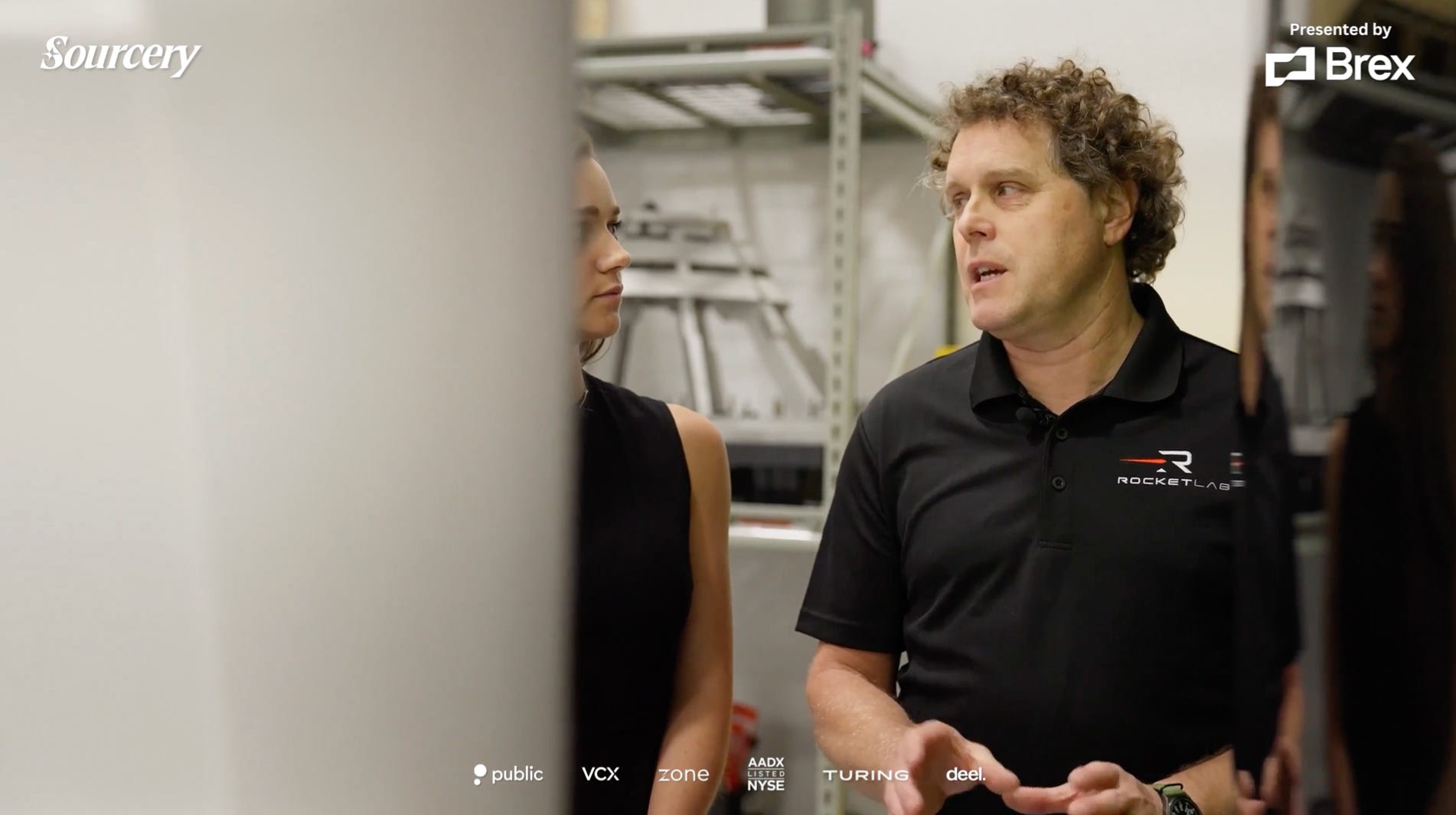
The print shop is the core of the facility. Both engine families are largely 3D printed, a decision Rocket Lab made early with Rutherford and carried into Archimedes.
“At least by mass, the vast majority of all of our engines are 3D printed.”
The process is laser powder bed fusion. Machines fire lasers into a bed of metal powder, sintering it layer by layer into a solid part. Rocket Lab runs machines with 12 lasers each, and prints in Inconel superalloys, copper, titanium, and a proprietary alloy developed in-house.
“There’s a whole lab back there with material scientists developing new materials for that particular engine and environment.”
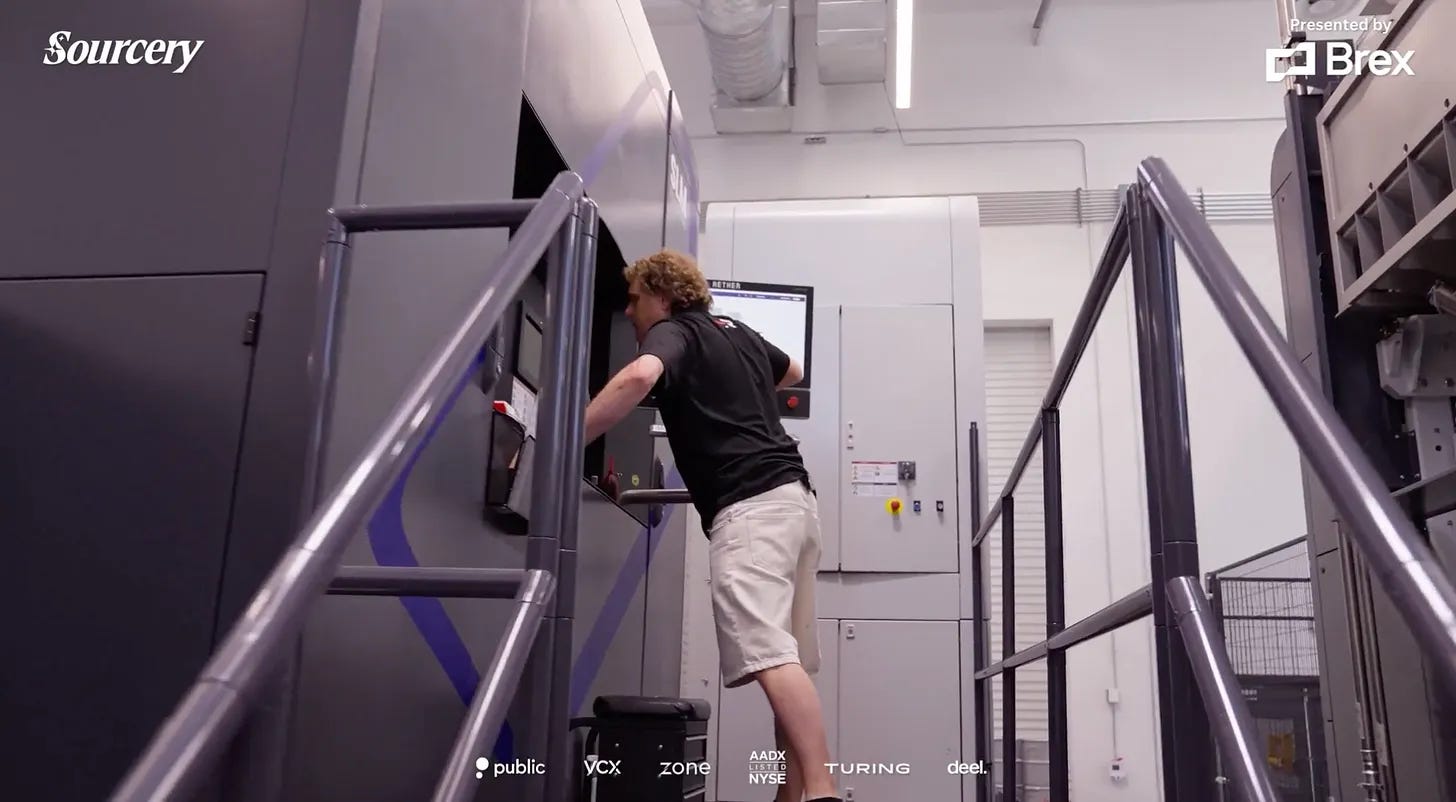
The reason for printing is consolidation, not novelty.
“We use 3D printing because we’re able to incorporate a whole bunch of geometry into one design. We’re not stupid. We don’t 3D print bolts and all that sort of stuff, but we really become very good at designing these really complex architectures that, if you can get away with it in your 3D print, you can basically print multiple parts all in one part. And at the end of the day, it’s all about speed and cost.”
Conventional engine manufacture assembles hundreds of machined components, each requiring tooling, fixturing, joining and inspection. Printing a manifold or an injector as a single part removes every one of those steps for that assembly. The economics follow.
“An Archimedes engine is an incredibly cheap engine. Same with a Rutherford engine. It’s ridiculously so. So building engines fast, building engines cheap, but at high performance.”
Roughly 10 people run the entire shop. The longest single print takes about three and a half days. A larger machine arrives next year capable of printing an entire Archimedes engine, roughly Beck’s height, in one build, and Rocket Lab is the first customer for it anywhere in the world.
One part on the floor illustrates the material complexity. An Archimedes thrust chamber, printed in copper for its thermal conductivity, was being clad in a superalloy layer to survive the combustion environment.
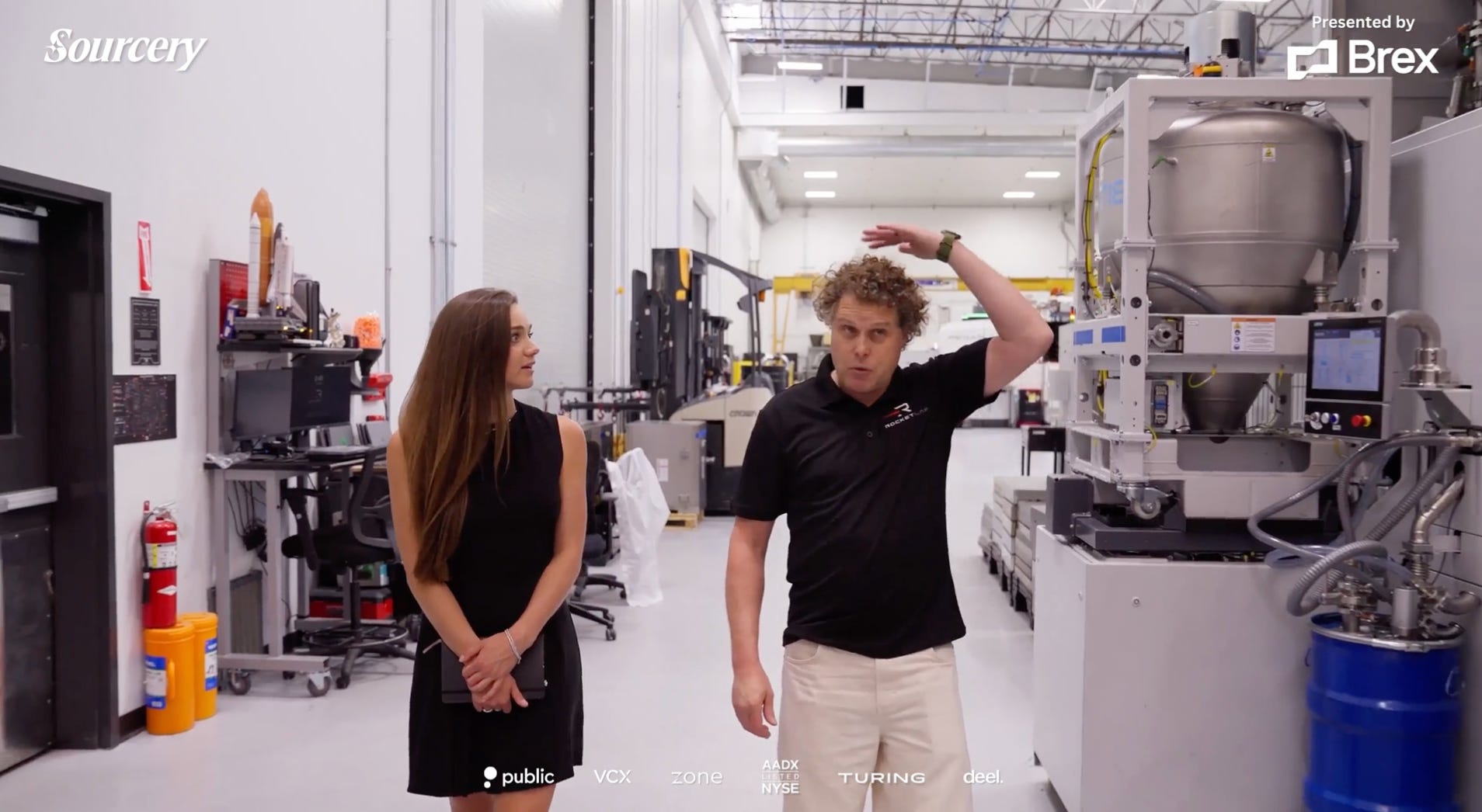

Two Engines, Two Philosophies
Rutherford and Archimedes share a design ethos and almost nothing else.
“The Rutherford is an electric pump cycle, whereas Archimedes is a staged combustion cycle. And just the scale of the engines are enormously different. It’s a much more complicated cycle and a much, much larger engine.”
Rutherford uses battery-powered electric motors to drive its propellant pumps, an approach almost nobody else uses, and burns kerosene and liquid oxygen. Archimedes uses staged combustion, where propellant is burned in a preburner to drive the turbopump before entering the main chamber, and burns methane and liquid oxygen. The Archimedes turbopump produces roughly 15,000 horsepower.
“A lot of the ethos of how you do it has remained the same. How we do injectors and how we combine multiple parts into an engine all remains the same.”
The injector is where Beck’s interest sits.
“The favorite part of any engine builder is the injector, because that’s where the black magic happens. Everything else is to contain that mixing and produce thrust, but the injector and the turbo pump, those two bits are pretty cool.”
Production rates differ by an order of magnitude. Rutherford is built at one engine per day, with an engine test cell in New Zealand supporting the program, and more than 930 Rutherford engines have flown. The Archimedes line currently produces one engine every eight days. Testing happens at Rocket Lab’s facility inside NASA’s Stennis Space Center in Mississippi, where two test cells run 20 hours a day, seven days a week.
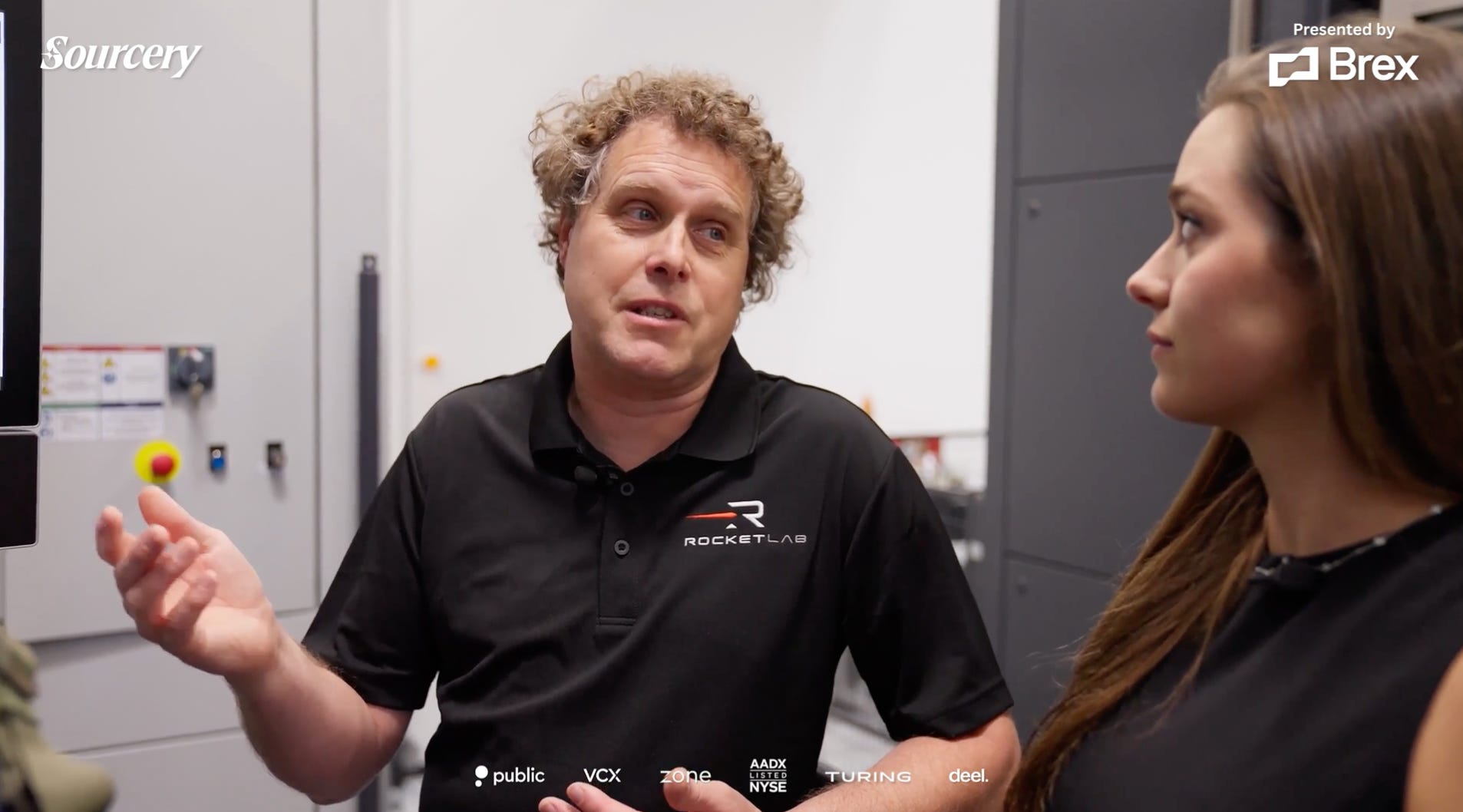
Designing the Most Boring Engine Possible
The core engineering argument on the tour is about qualification life, and it starts with a number.
“The qualification burn time for an Archimedes engine is one hour. So the engine has to do 40 starts and run for one hour. Whereas Rutherford for Electron, because it’s a single-use engine, its acceptance test is like five minutes. It only needs to run for 190 seconds in its life, so a five-minute run is pretty much enough.”
That is a twelvefold difference in required runtime, and it changes the design problem entirely.
“It’s just way harder to make a staged combustion engine run for one hour. And just not even worry about it running for one hour.”
Beck’s framing for what that produces is the sharpest line in the tour.
“If you look at the Archimedes engine itself, really the object of that engine was to make the most boring engine possible. If you’re sitting on an airplane and you look out at the engine on your wing, you’re not marveling at how amazing that is and how on the knife edge that engine is. You wanna know that engine is boring. It’s not gonna blow up. Same thing for this. The Archimedes engine needs to just go and go and go and go.”
He positions this explicitly against the high-performance engines that dominate the market.
“Those engines you mentioned are really high-performance engines, and they’re really strung out, which is great. This is, I would say, the first engine that is just not designed to be like that. It’s designed to be the most benign engine that you could possibly imagine so that you can just run and run and run and never think about it.”
The trade is not free. Archimedes runs at relatively low chamber pressure for a staged combustion engine, which lowers internal temperatures and extends life, and creates a new problem.
“You’d think, ‘Oh, that’s good for longevity,’ which it really is, but actually it makes it much harder to light, because the temperatures are way lower. So you create these things that are ultimately good, but you create a whole lot of problems along the way to try and make something good.”
Fuel Choice, & the Hardware You Have to Burn
Methane over kerosene comes down to what the engine looks like after it runs.
“The trouble with kerosene is that you get these little soot deposits in the regen channels of the engine. And you have to purge the engine out, and it’s sort of dirty.”
Regenerative cooling routes propellant through channels in the chamber wall before combustion, cooling the structure and preheating the fuel. Soot in those channels degrades cooling and requires servicing between flights, which is incompatible with rapid reuse.
The requirement that forced the decision was one Beck imposed himself.
“The design requirement for the vehicle was turn in 24 hours, which was an absurd design requirement. But it drove a whole lot of really good decisions. One of them being methane, because you can run an engine and after the engine’s run, it’s still shiny stainless steel and stuff. There’s just no residue whatsoever. You do the same with a kerosene engine, there’s just soot and black crap everywhere.”
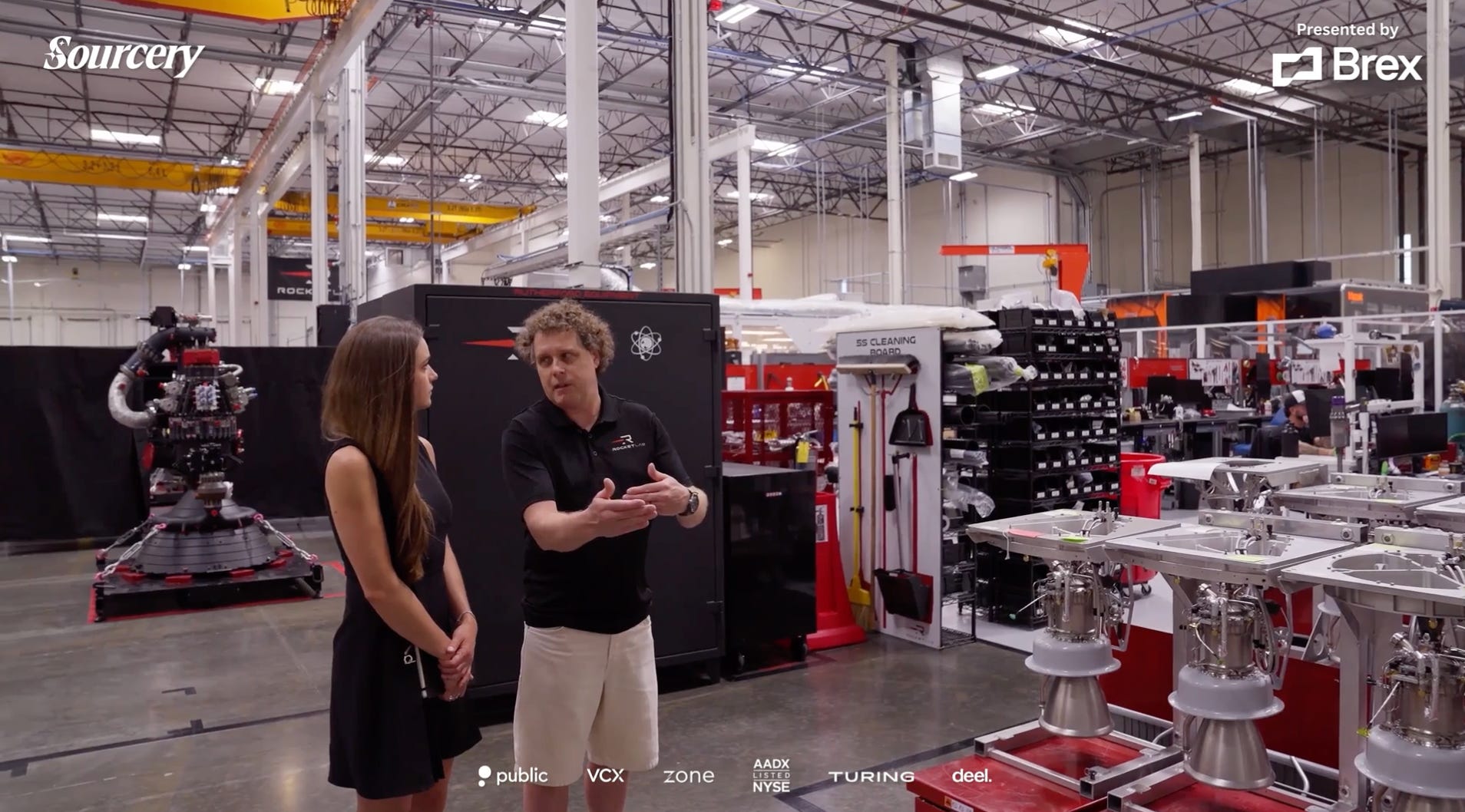
Staged combustion also imposes a testing cost that simpler cycles avoid.
“The challenge with a staged combustion engine is you can’t separate components and then go and test them individually and then bring them together. The first time you hot fire an engine, you have to have the turbo pump and everything on it as one thing. So you have to be extremely hardware rich at the start of your program, because you consume a lot of hardware. You literally eat engines out.”
One test produced a result Beck still finds strange.
“There was one engine hot fire that we did very early on in the test program, the engine leaned out, and it actually just consumed the whole injector. Which was bizarre, because there was literally just a big hole left. There was nothing left of the injector. But the propellants were still coming together and mixing and producing thrust, and the engine was still running just fine. Well, not just fine, but still running.”
His conclusion is that analysis has limits.
“It’s very difficult to analyze. You’ve just gotta test. You’ve just gotta spend heaps of time on the engine test cell.”
Archimedes has taken three to four years of team effort so far, and has completed more than 400 hot fires.
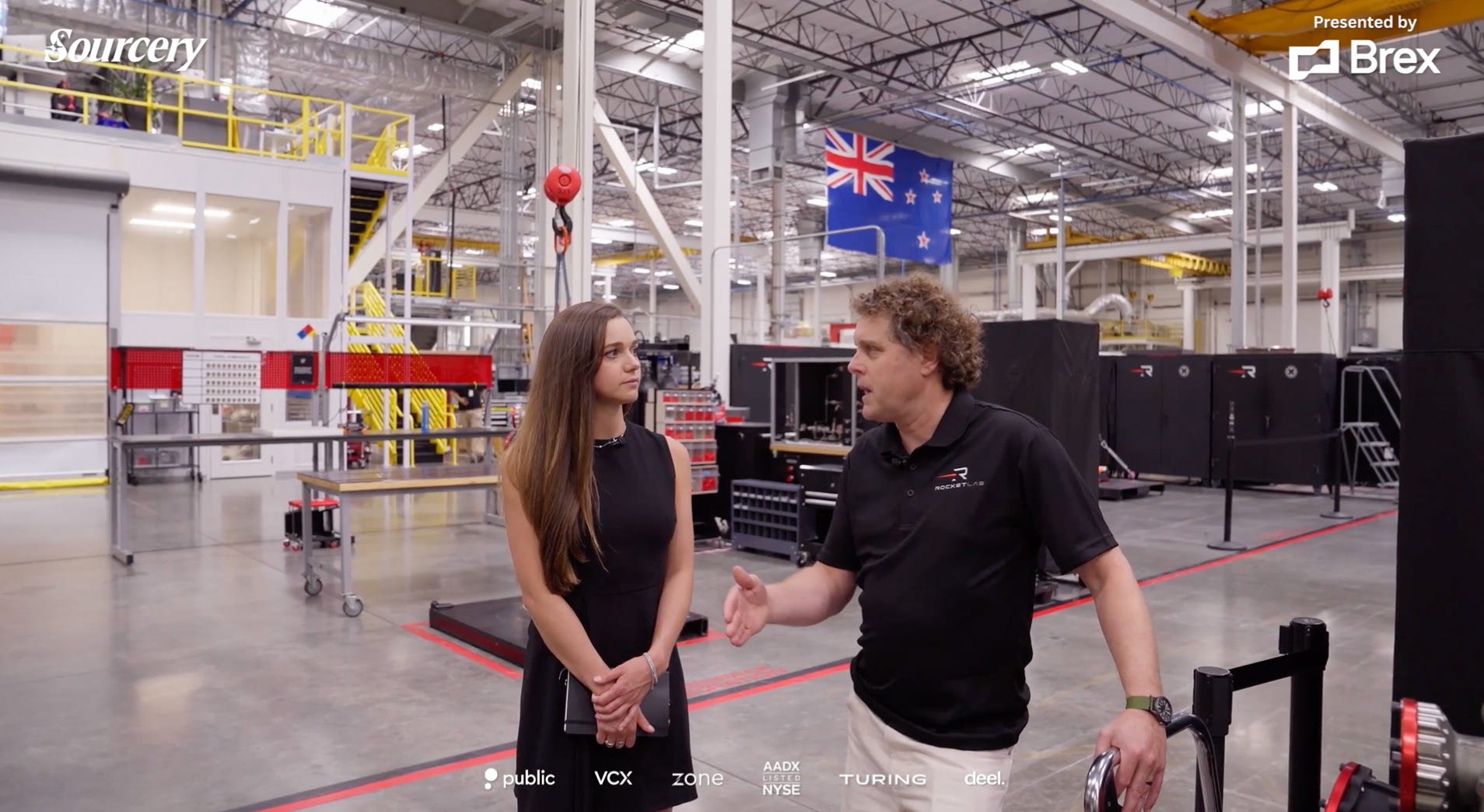

Neutron, & Designing Backwards From Reuse
Every Archimedes design decision traces to a vehicle that has not yet flown. Neutron carries 13,000 kg to low Earth orbit on nine Archimedes engines, with a tenth vacuum-optimized engine on the second stage.
The engine count is not a performance choice.
“The upper stage engine produces a certain amount of thrust, and you have to manage that thrust for the acceleration of the upper stage. It just so happens that coincidentally is the ideal amount of thrust to land a rocket.
So you need at least one engine to do that final terminal landing phase. So it just makes sense to have one engine and just have nine of them on the bottom and one on the top. That just, it’s just physics. It just works out like that.”
Landing requires throttling down to roughly a tenth of liftoff thrust, since the vehicle is nearly empty by then. A single engine sized for the upper stage happens to sit at that number, so the same engine serves both roles and Rocket Lab qualifies one design instead of two.
Beck is direct that reuse is the whole difficulty.
“The reusability in itself is a challenge, because if our job was just to make an expendable launch vehicle, we’d be there now. We’d be launching Neutrons flat out.”
That is the clearest statement available on why Neutron has slipped. The delay is not a capability gap, it is a deliberate refusal to ship a conventional vehicle.
“What we’re trying to do here is make a step change increment on the current state of the art. We can’t just come to market with a vehicle that’s as good as the current one on the market. We have to come to it with a vehicle that’s way better. So designing a vehicle that literally comes off the barge and goes straight on the pad and launches again is what we’re trying to achieve here. So that drives a whole bunch of engineering compromise, a whole bunch of engineering decisions.”
The Hungry Hippo fairing is the most visible product of that constraint. Rather than separating in flight and being recovered from the ocean, it stays attached to the first stage through launch and landing. Beck’s account of the name is characteristically unsentimental.
“It just looked like a hungry hippo.”
The naming habit is deliberate across the company.
“We like to have fun with the mission names as well, because it’s such a serious business. All of our mission names are always called something a little bit funny, just to lighten it up a little bit.”
The vehicle also has a satellite counterpart. Flatellite, Rocket Lab’s flat, stackable spacecraft, is designed as a high-density format tailored for Neutron, a pairing Beck discussed in the full sit-down interview.
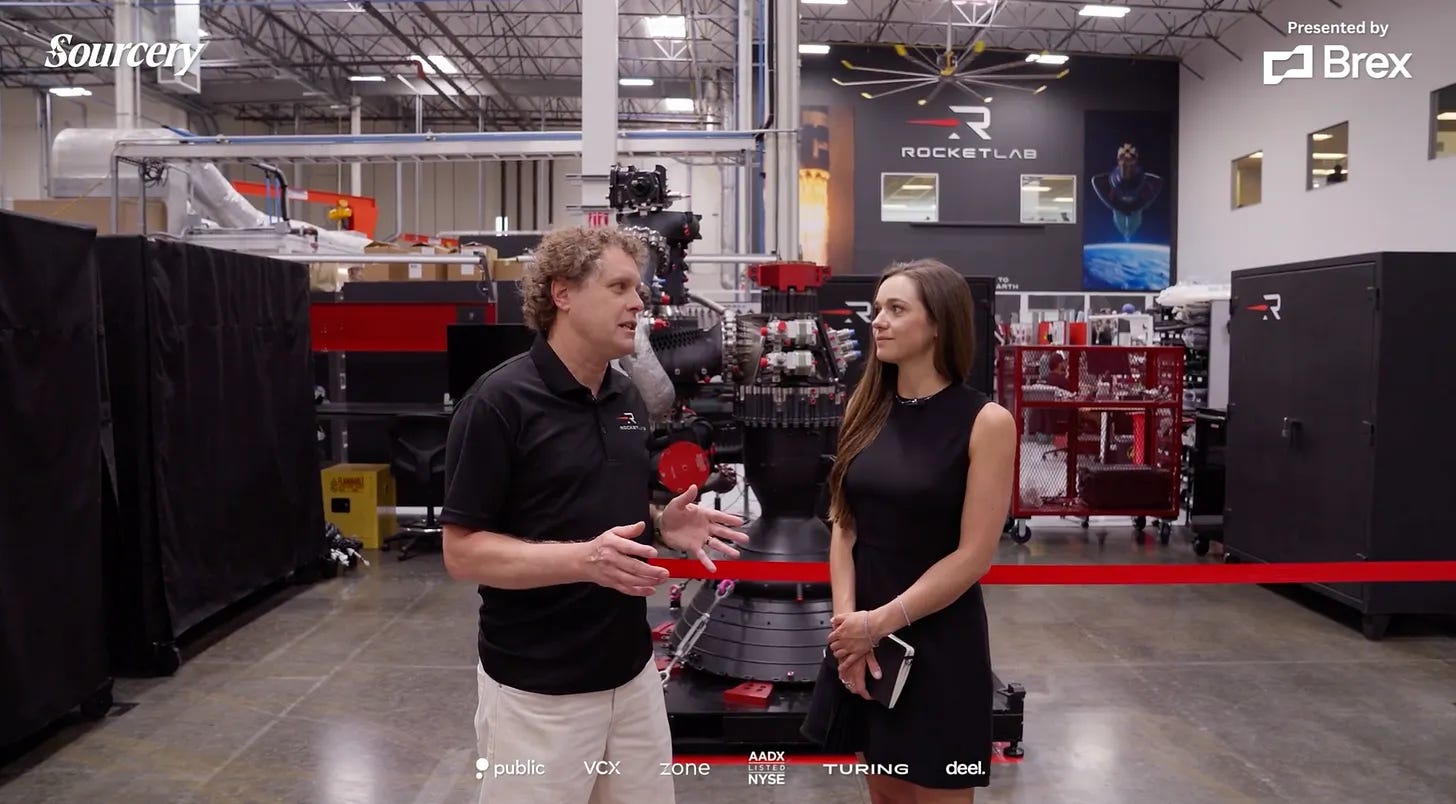

Electron, & Where This Is All Going
The tour includes an assembled Electron, the vehicle that generated the manufacturing capability everything else now runs on.
“This is the rocket that we fly the most of right now. It’s flown 93 times. It’s the second most frequently launched rocket in the world, behind the Falcon 9.”
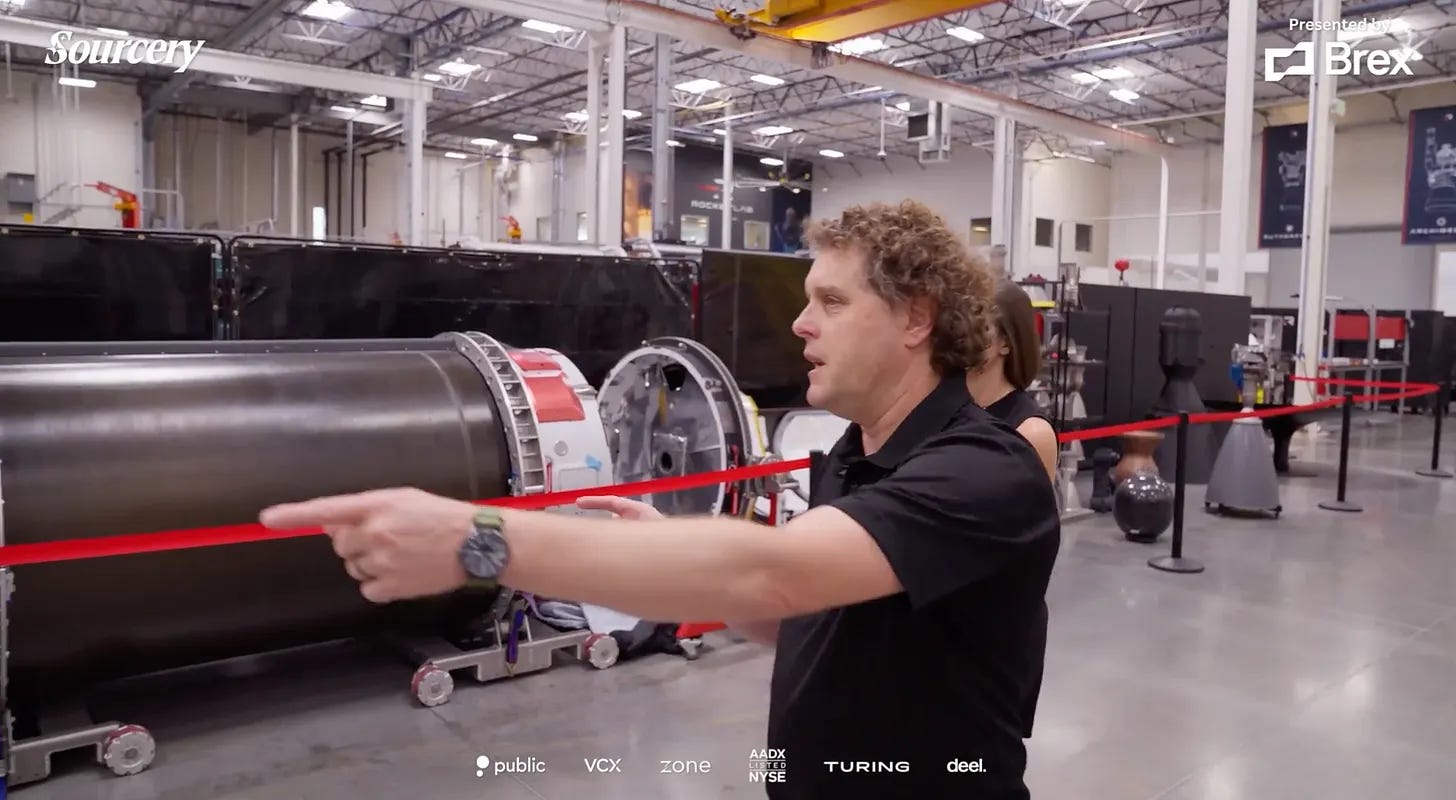
The vehicle is carbon composite end to end, with a fairing, a kick stage that serves as the second stage, and nine Rutherford engines on the first stage.
“We build everything in this vehicle. Every piece of hardware, every piece of software, tanks, engines, you name it, we build it, and I think that’s one of the key successes of the company is just that vertical integration.”
The same principle now governs the satellite business.
“If you pull apart a satellite that we’ve built, the flight computer will be ours, the reaction wheels will be ours, all the solar panels will be ours. It’s the same philosophy.”
Iridium extends that stack into services.
“Iridium is just the start of our applications layer. I’ve always believed the big space companies of the future are gonna all look a little bit the same. They’re gonna have their own rocket, because access to space is key. They’re gonna have their own ability to build as many satellites as they need, and they’re all gonna have applications.”

Space Tourism & Hot Takes
Space tourism is not on that list, and Beck’s reasoning is about accountability rather than market size.
“I don’t think I’d be a very good tour operator, if I’m honest. Better engineer than tour operator. I think it’s always a tricky business. And unfortunately I’m the CEO, so if anything ever goes bad, guess who’s knocking on the door?”
Asked for his hottest take after 20 years in the industry, he offered a position that is less a prediction than a scale correction.
“I’ve been doing this for 20 years, and at the start of that it was like, one day there’ll be the democratization of space, and it won’t be governments launching rockets, it’ll be commercial entities. And we’re well past that. So my hot take would be I think the biggest thing to be done in space hasn’t even been thought about, let alone talked about. If you wanna make an analogy here, it’s like we’ve sent our first email in the beginning of the internet.”
→ Listen on X, Spotify, YouTube, Apple
Watch the Full Series:
Part I: Sit-down interview with CEO Sir Peter Beck
→ Listen on X, Spotify, YouTube, Apple
Part II: Rocket Lab HQ Tour (Satellites, Mission Control)
→ Listen on X, Spotify, YouTube, Apple
The material presented on Molly O’Shea’s website are my opinions only and are provided for informational purposes and should not be construed as investment advice. It is not a recommendation of, or an offer to sell or solicitation of an offer to buy, any particular security, strategy, or investment product. Any analysis or discussion of investments, sectors or the market generally are based on current information, including from public sources, that I consider reliable, but I do not represent that any research or the information provided is accurate or complete, and it should not be relied on as such. My views and opinions expressed in any website content are current at the time of publication and are subject to change. Past performance is not indicative of future results.
Paid Endorsement. Brokerage services by Open to the Public Investing Inc, member FINRA & SIPC. Advisory services by Public Advisors LLC, SEC-registered adviser. Crypto trading provided by Zero Hash LLC, licensed by the NYSDFS. Generated Assets is an interactive analysis tool by Public Advisors. Output is for informational purposes only and is not an investment recommendation or advice. See disclosures at public.com/disclosures/ga. Matched funds must remain in your account for at least 5 years. Match rate and other terms are subject to change at any time.